
Canadian politicians bickered over the Fuddle Duddle incident, The New York Times began publishing the Pentagon Papers about the Vietnam War and Gordie Howe retired from the NHL. It was 1971, the year you graduated from Waterloo.

Discover campus circa 1971
A lot has changed on campus since you were a student. See what's happening in select buildings during this time.
Buildings marked in yellow were built before 1971
Buildings marked in grey were built after 1971
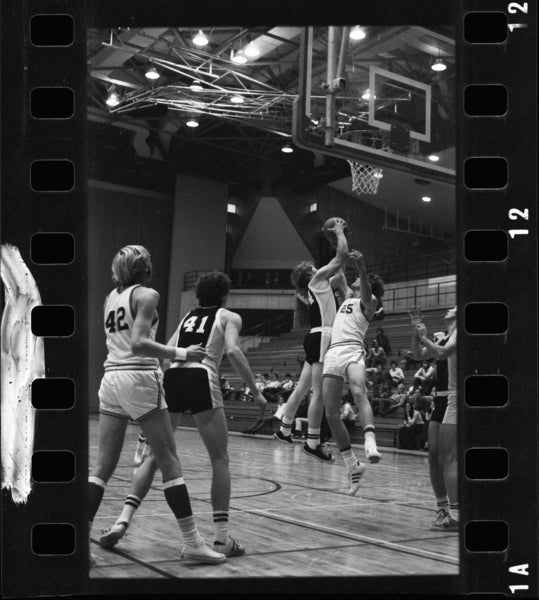
Physical Activities Complex (PAC)
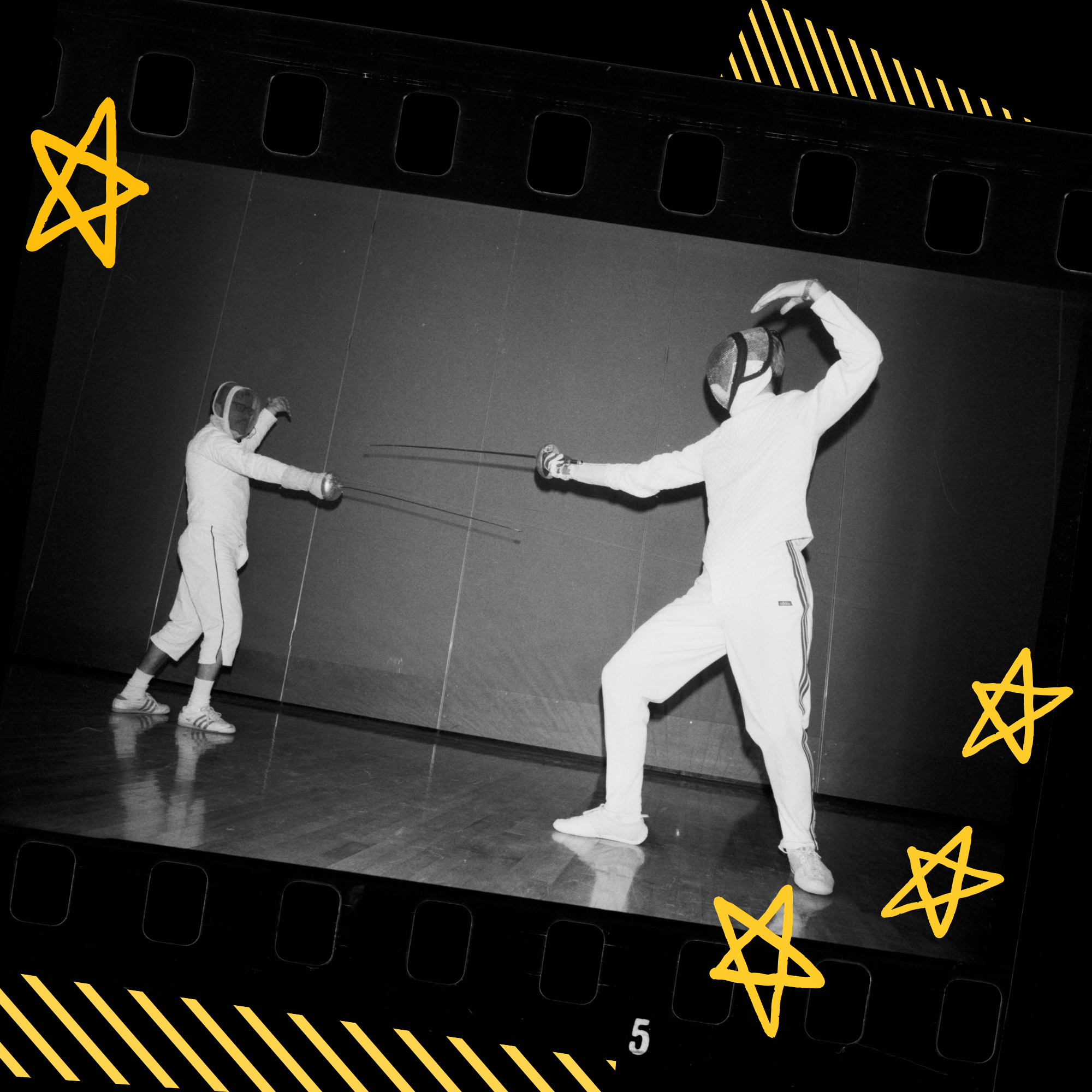
The PAC opened its doors in 1969, just in time for Waterloo to host the national basketball championships, which drew a crowd of 5,000 into the new facility. This kicked off a long tradition of rowdy, loud, basketball-loving crowds. Over the years, the PAC also hosted iconic concerts. Maybe you were there to see the Bee Gees, Tina Turner and more?
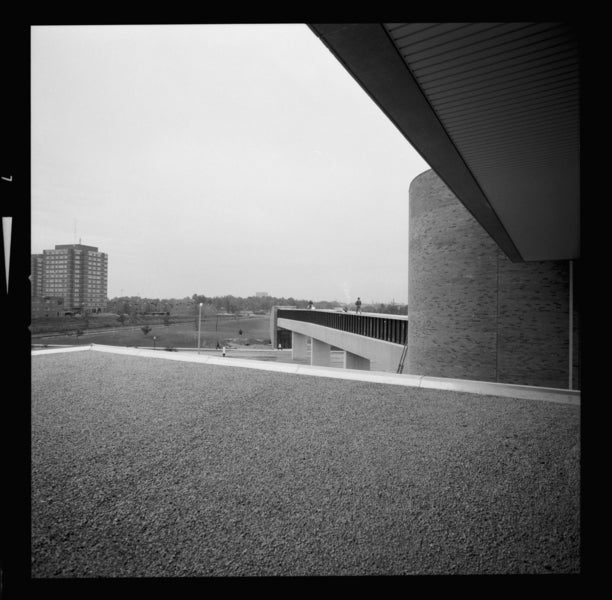
Engineering IV
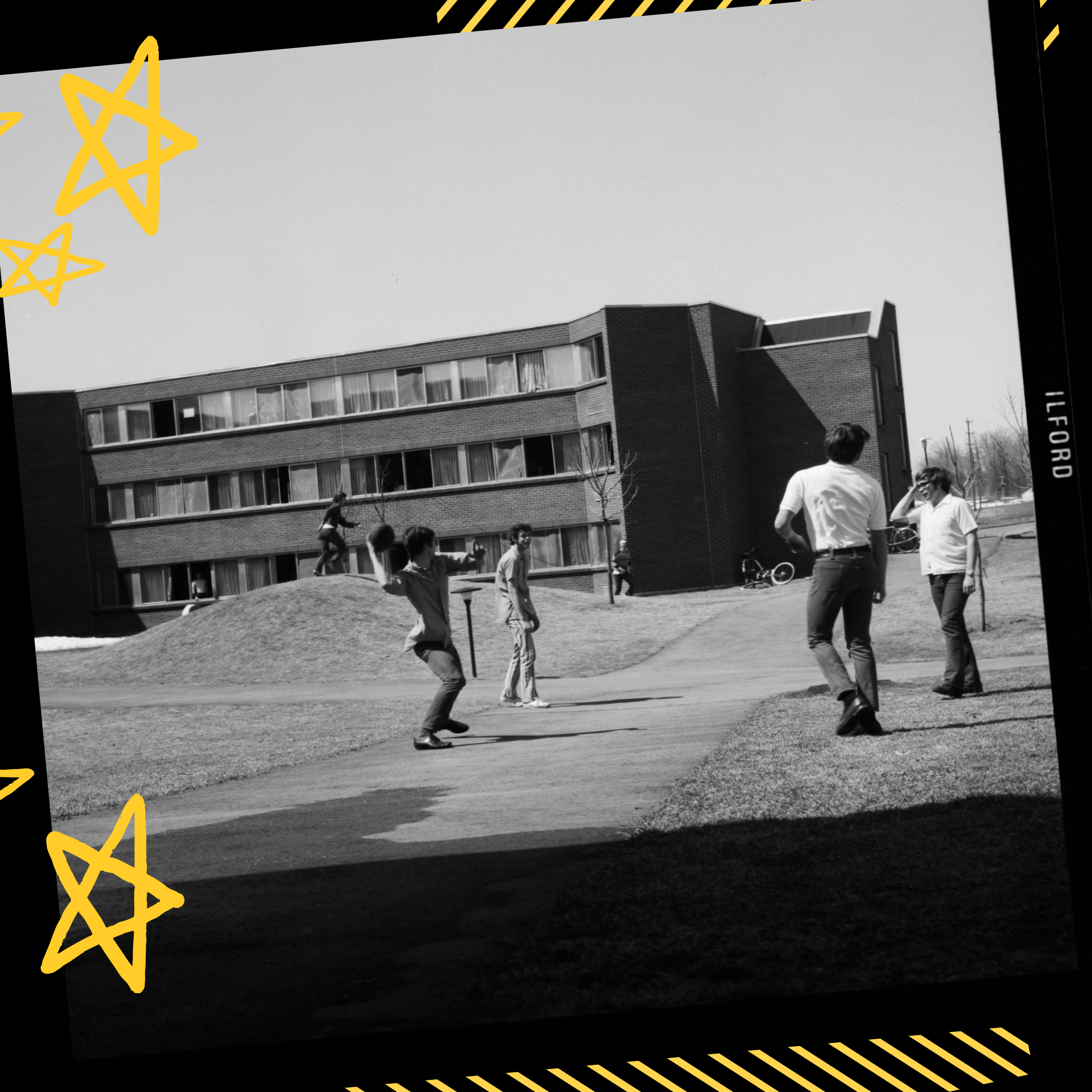
In the hot summer of 1970, campus was messy and muddy with construction. Crews moved about 40,000 cubic yards of dirt to make way for Engineering IV, later named Carl Pollock Hall. That dirt was moved across campus and created the berms that surrounded the Village residences. Engineering IV opened in 1971, completing the engineering quadrangle.
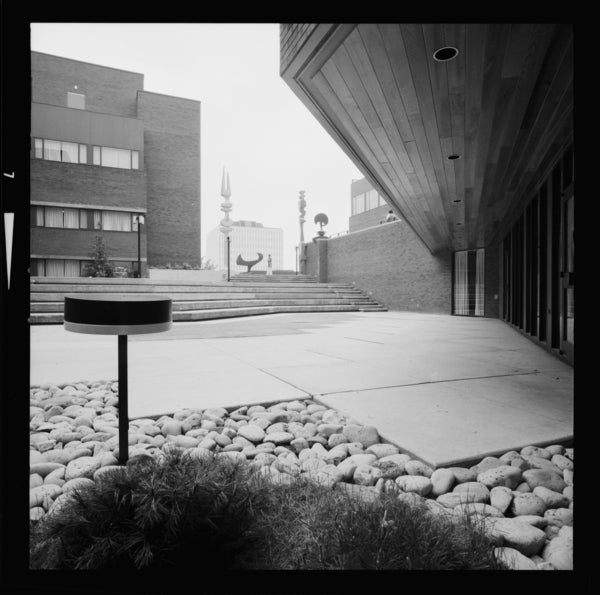
Hagey Hall
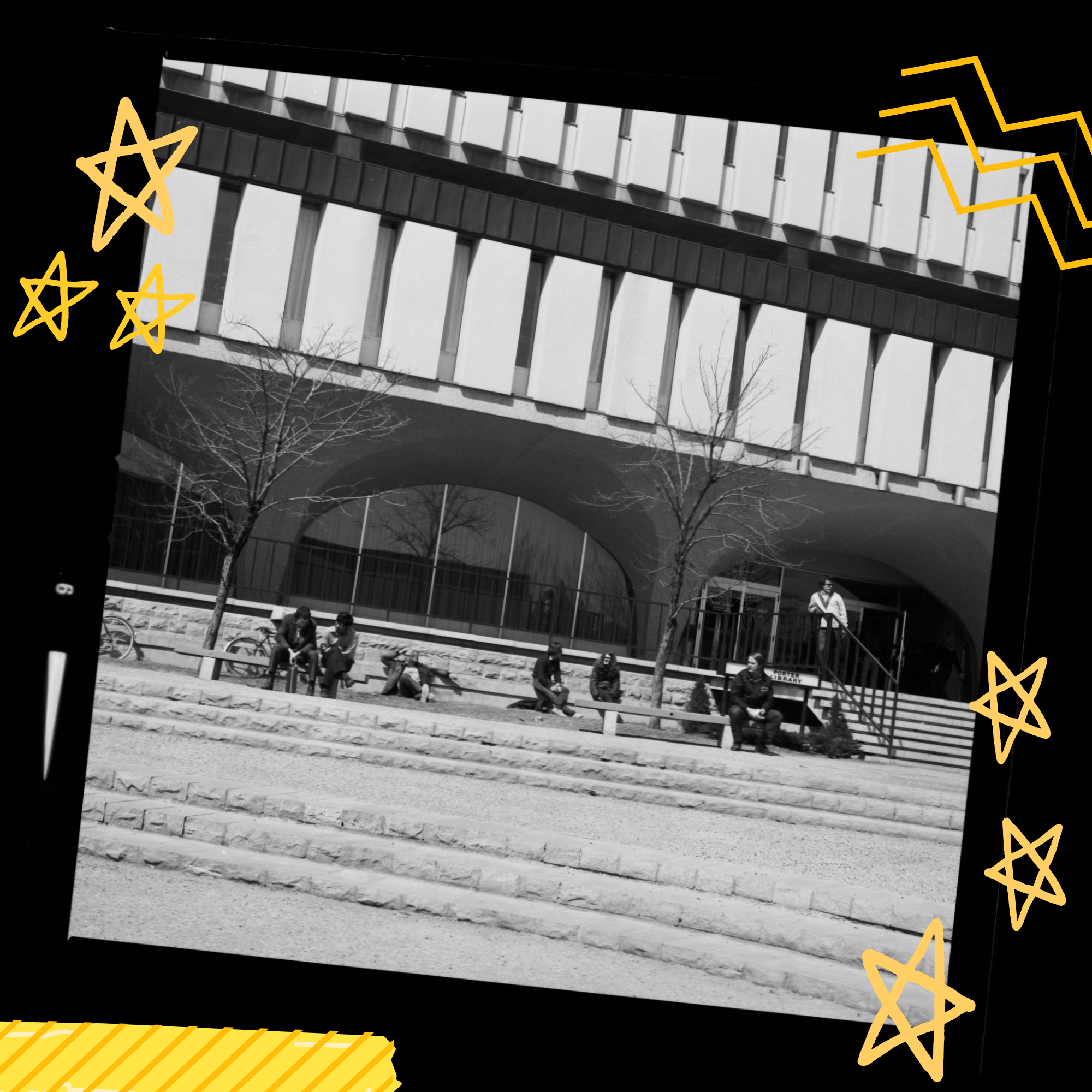
In 1970, four colourful sculptures were erected in the Humanities building courtyard. Created by Ron Baird, one of Canada’s most renowned sculptors, the work’s official name was A Sculpture Environment, but most students and alumni know them as “the pickle forks.”
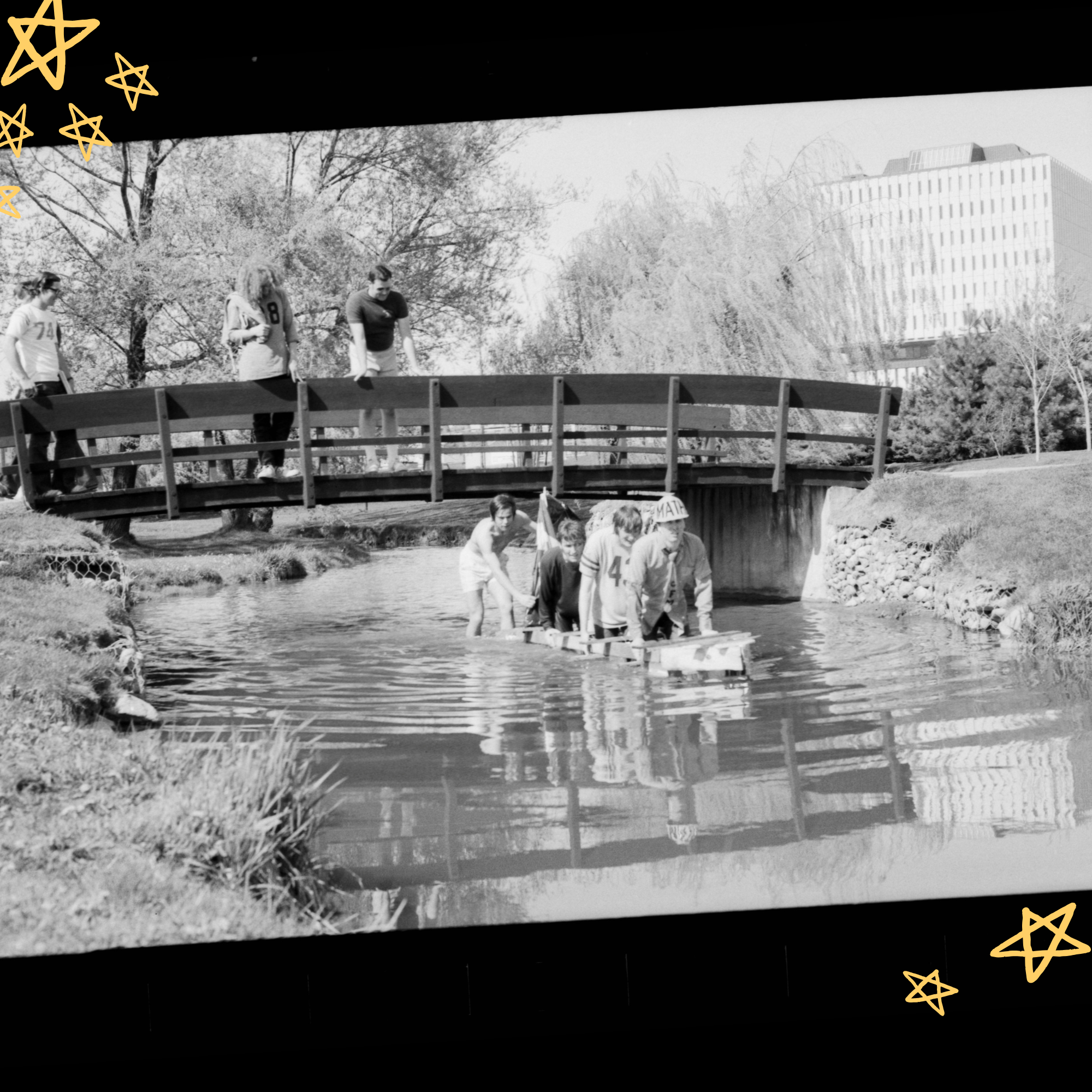
In 1971...


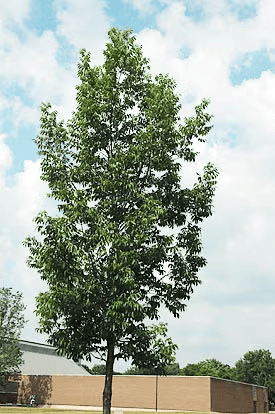
Botanical name: Fraxinus nigra Common name: Black ash Dedication: Donated by the Graduating Class of 2000
See how your legacy has grown
To honour your time at the University, your class donated a tree to our campus. Just like your tree, your role in Waterloo’s history is still felt today.
Because of your class, and the culture you fostered as students, our campus community has grown and flourished. On behalf of current and future students, thank you for the role you played in Waterloo’s legacy.
Presented by TD Insurance Meloche Monnex

All archival photos courtesy of the University of Waterloo Library. Special Collections & Archives, Kitchener-Waterloo Record Photographic Negative Collection and University of Waterloo Archives, Graphic Services fonds