By Lorna I. Harris
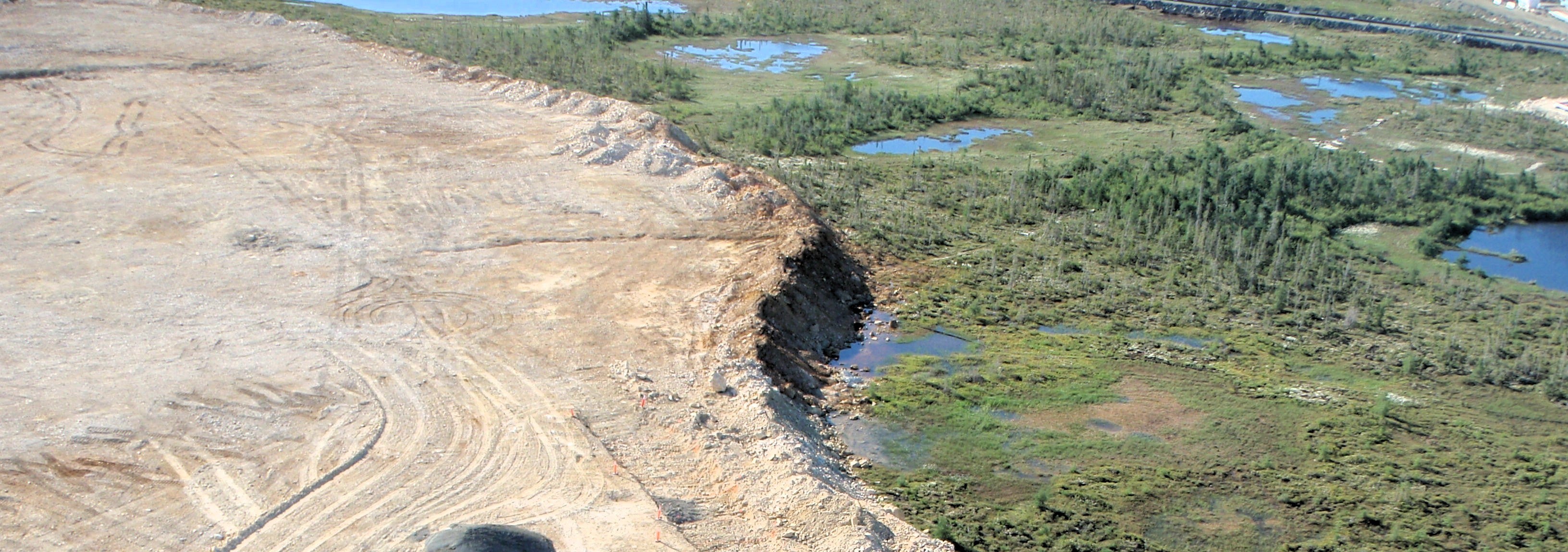
There should no longer be any doubt of the immense value of Canada’s peatlands to the world. These carbon-rich wetlands are critical for global climate regulation, water security and climate resilience, wildfire management, and biodiversity. Peatlands across Canada are diverse and culturally important landscapes that have been providing people with essential climate and water services for thousands of years. But as peatlands become increasingly vulnerable to industrial development (e.g., roads, mining), in addition to the effects of climate change, their future depends on our choices and actions.
In 2022, the Global Peatlands Assessment identified considerable policy and governance gaps for peatlands around the world. The policy picture for peatlands in Canada did not fare well in this review, or in other publications and following assessments. Current and ongoing research on peatland relevant policy in Canada shows no improvement over the years, with contradictory and fragmented policy frameworks posing a considerable challenge to peatland protection, restoration, and stewardship. While there are some policies that do apply to peatlands, they are too few, and the scope and application of these existing policies to all types of peatlands across the country varies considerably.
A new publication by peatland colleagues from around the world emphasises Canada’s policy problem as part of a global policy problem, highlighting gaps and solutions for both global and national policies for peatlands. This review and update of the 2022 GPA policy chapters identifies three global policy challenges for peatlands that apply to Canada; (1) contradictory and fragmented policy frameworks, (2) insufficient and poorly structured finance for restoration, and (3) limited inclusion of communities and rights holders.
The three main recommendations described in the paper are intended to address these challenges and guide the development of improved global and national policy for peatlands. Below is a short summary of how these recommendations apply to Canada, drawing on my ongoing research on the requirements and opportunities for improved policy and outcomes for peatlands across the country.
Recommendation 1: A commitment to establish national policies that protect, preserve and restore peatlands and align with globally established policy.
Peatlands are largely missing from Canada’s climate policies and their inclusion in Canada’s wetland and other peatland relevant policies is limited. And Canada does not have a national peatland-specific strategy or plan, unlike a growing number of other countries (e.g., Germany, Scotland).
At the federal level, peatlands are missing from Canada’s 2035 Nationally Determined Contributions (NDCs – the commitments governments around the world make to reduce emissions and meet the goals of the Paris Agreement), and Canada’s 2030 Emissions Reduction Plan (2022) does not include specific actions for peatlands. Emissions from degraded peatlands around the world can be very large (contributing ~4% of total human-caused global GHG emissions), so including them in NDCs is necessary for meaningful emissions reductions to meet global climate targets. Also, as peatland emissions count towards a country’s overall emissions (e.g., UK, Indonesia), including them in NDCs is an effective way to reduce peatland disturbance and encourage restoration.
Some provinces and territories include peatlands in wetland policy and plans (e.g., Alberta, Yukon), but only one province has a peatland-specific plan (Manitoba). In other relevant policies (e.g., forestry, water resources) peatlands are often poorly represented, if at all.
Meanwhile, policies for industrial development and resource extraction at all government levels continue to work against the protection and stewardship of nature in Canada, including peatlands. For example, every province and territory has a critical minerals strategy or plan, which generally align with the (national) Canadian Critical Minerals Strategy, but there is little to no mention of Canada’s critically important peatlands in these plans.
Why do we need peatland strategies or plans? A region-specific plan for peatlands (cross-jurisdiction if needed) that is designed to fit within existing (and improved if needed) law and policy can help governments and partners to act on agreed targets for peatlands in a coordinated way.
Recommendation 2: To develop and provide transparent market policy and mechanisms that allow international financial investment to support gaps in national public funding for restoration, conservation and stewardship of intact and high-integrity peatlands.
To successfully scale peatland protection, restoration, and stewardship across Canada, long-term and strategically placed funding is needed. Without coordinated national and/or regional peatland plans or strategies, it is more challenging to identify and develop market mechanisms that can support the level and duration of funding required. Current funding for peatlands work in Canada is generally too little, too short-term, and geographically sporadic, and while there is often some government funding available, much more is needed to help attract and secure other investment.
Recommendation 3: To develop and integrate a mechanism for public consultation on peatland conservation and restoration programmes to ensure that agency and concerns for local community, culture and economy are formally recognised at global level.
In Canada, all peatlands are Indigenous lands. Recognising and respecting Indigenous rights and governance in any plans or actions impacting peatlands in Canada is a non-negotiable requirement.
The success of peatland protection, restoration, and stewardship depends on community support, with meaningful economic benefits for local communities (Indigenous and others) clearly identified, understood, and implemented (e.g., payments to support Indigenous stewardship and monitoring, benefits from participating in carbon markets for peatland restoration). Including local ecological knowledge and Indigenous knowledge and science in actions for peatlands ensures cultural and local experience drives effective and long-term peatland protection, restoration, and stewardship across Canada.
For more information on peatland policy implementation in Canada (and globally) please contact me at lorna.harris@mail.mcgill.ca. You can also subscribe for free to Peatpedia on Substack for regular posts on all things peaty!