The importance of data availability in research is widely recognized and is improving through initiatives such as the Tri-Agency Research Data Management Policy and the adaptation of FAIR (Findable, Accessible, Interoperable, and Reusable) principles. However, the effectiveness of these initiatives and impacts on data availability in peatland research have not yet been studied. In this study, the objective was to quantify the current state of peatland data availability in literature to better inform future initiatives.
To assess current levels of data availability, 1,937 peer-reviewed journal articles published between 2004 (the first instant of a data availability statement) and 2026 in the UWaterloo Omni Library were examined for data availability statements.
Data availability in peatland publications
The results of this analysis showed that authors slowly and steadily started publishing their accompanying datasets beginning in 2004 until 2020, when a sharp increase in available data occurred (Figure 1). From 2020 to 2021, publications without available data dropped from 69% to 38% (orange line). By 2026, only 16% of publications lacked publicly available data.
While this shows a significant improvement in recent publications, 69% of total publications between 2004 and 2026 did not provide access to their data. In addition, a large proportion of the literature predates the use of data availability statements before 2004. This gap in older, unpublished data limits meta-analyses and new research, and reduces visibility, transparency, and credibility of the work.
A small effort to publish older datasets after the associated journal article was published (2006 and 2021) was observed in 2.1% of publications (red line) suggesting researchers recognize the importance of making historical data available.
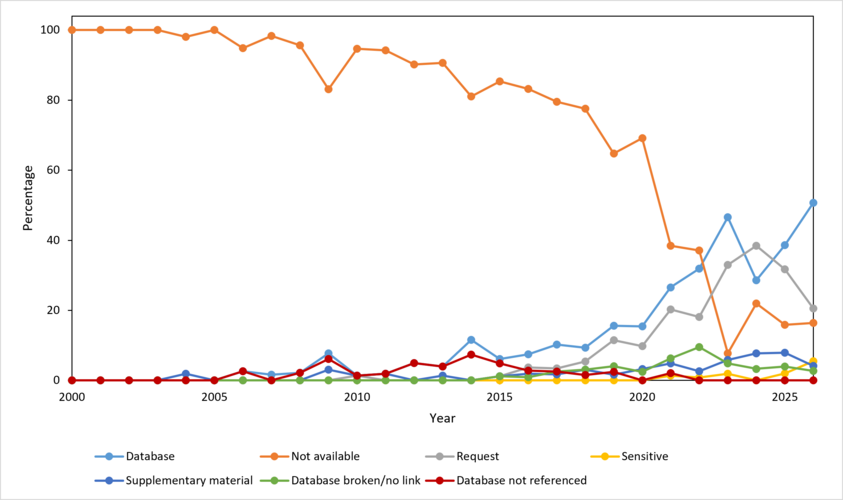
Figure 1: Peatland data available in literature over time divided by location. “Year” refers to the journal articles’ publication dates.
Implications of data storage locations
The location of data can have important impacts on findability and longevity. When authors provide their data in supplementary material (3%) or make it available upon request (10%), the data becomes less findable. Searching through publications for data in supplementary material or contacting authors requires additional time and effort, which may present a significant hurdle for large-scale meta-analyses.
Datasets listed as available by request via email are also at risk as data owners move to new positions or retire. Although this study has not yet attempted to contact authors to request data, it was estimated that, at the time of publication, about 57% of email addresses belonged to individuals in more permanent positions (faculty or employees) while 35% were students or postdoctoral fellows. The remaining 8% were personal email addresses.
This means over a third of data available by request will only be available for 2-5 years as students and postdoctoral fellows graduate and move on. Faculty and other employees may remain in their positions longer, but they may also move to new positions and will eventually retire. Furthermore, this assumes that authors continue to store their data and have it readily available to share when requested.
While publications overall were divided relatively evenly between depositing data in a database (12%) and making data available upon request (10%) (Figure 2), authors have increasingly chosen to deposit their data in repositories over time (51% over 21% in 2026) (Figure 3). This represents an improvement in data findability.
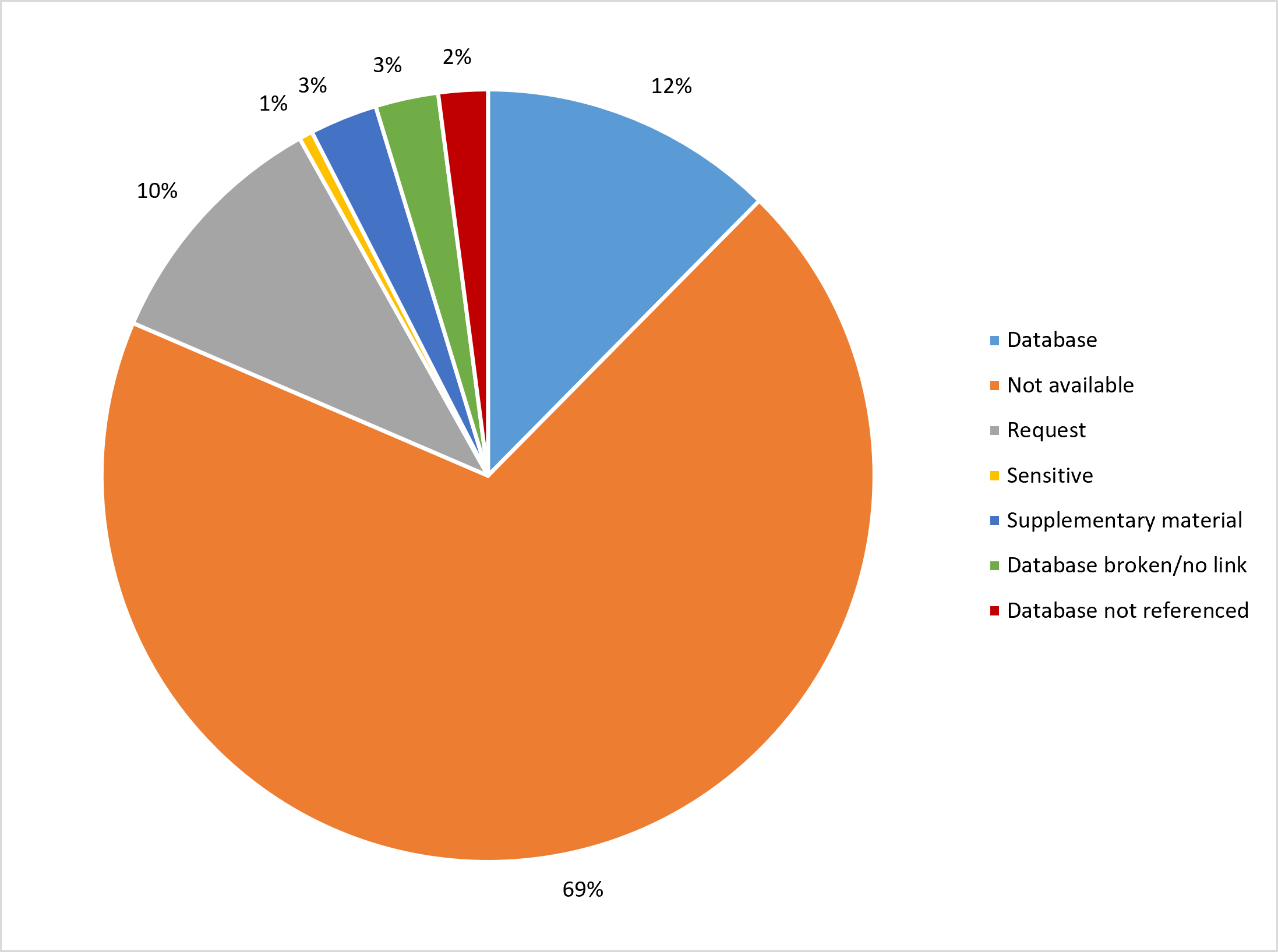
Figure 2: Peatland data availability in literature published from 2004-2026 divided by location.
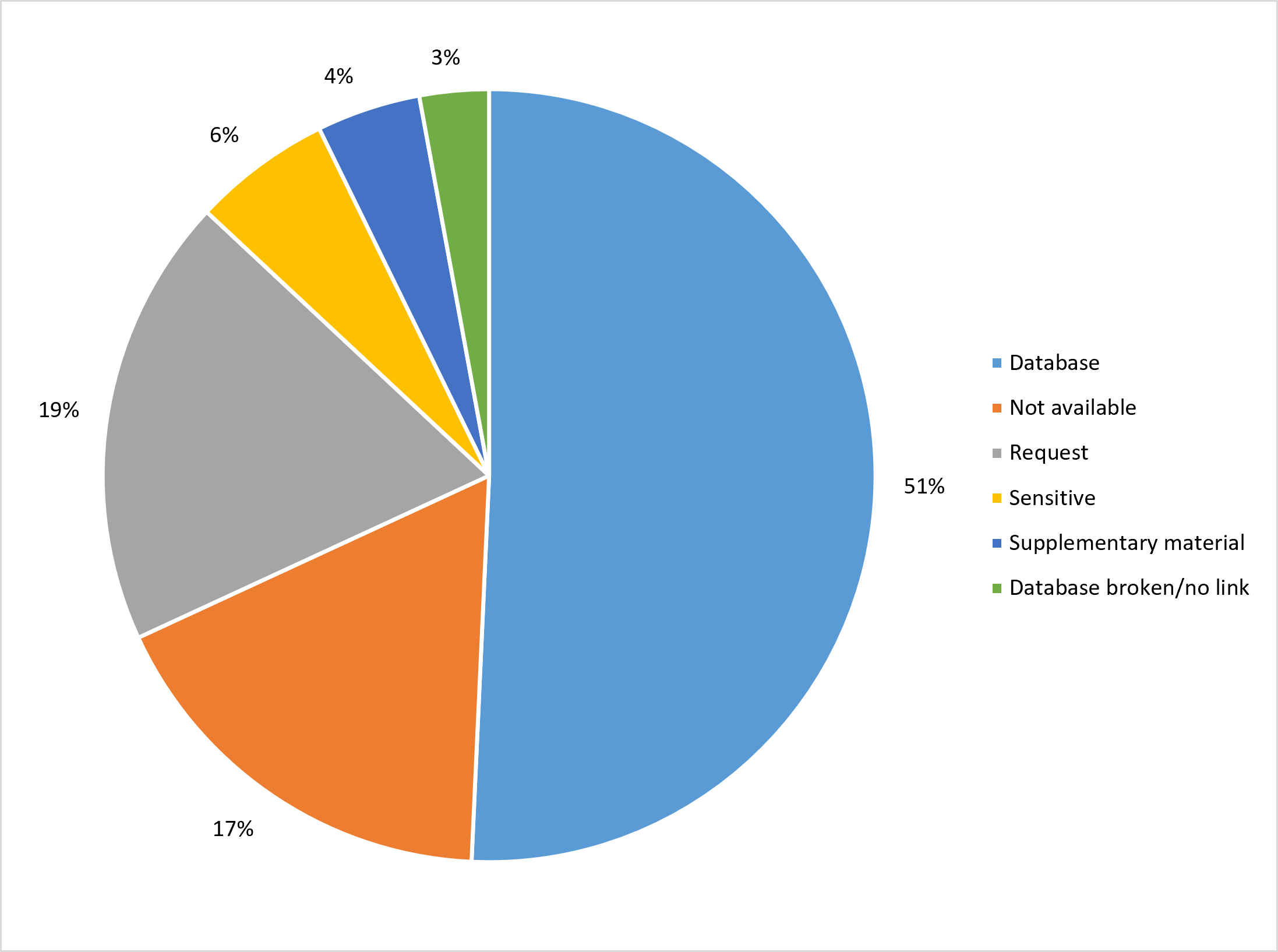
Figure 3: Peatland data availability in literature published in 2026 divided by location.
While databases for data findability are preferred, not all databases are equal. Researchers must be careful when selecting a reputable database and should ensure that their data receive a permanent locator such as a DOI. In 2.6% of publications, authors reported that data had been deposited in a database, but the datasets could not be located. This number could grow as links move or expire.
Data longevity may also be affected by changing global political and funding environments. Only 44% of deposited Canadian peatland datasets were in Canadian repositories, while 37% were stored in American repositories and 19% were stored in European repositories. The top Canadian databases were Borealis (most common), Pangaea (third most common), and the Federated Research Data Repository (FRDR). Commonly used American databases included Dryad (fourth most common), Environmental Data Initiative, AmeriFlux, and GitHub. Common European databases were Zenodo (second most common) and FigShare.
Conclusions and next steps
Based on these findings, researchers are increasingly publishing datasets with their publications, and some are making efforts to publish older datasets retrospectively. However, data accessibility in peatland research could still be improved through greater attention to long-term preservation and a larger effort to publish historical datasets. It is recommended that researchers deposit data in reputable Canadian database repositories that provide permanent locators, such as DOIs. For authors who choose to make their data available by request only, providing an ORCID ID may improve the long-term ability of others to locate and contact the data owner.
This preliminary study focused on data availability from a Western standpoint under FAIR principles. It is also important to consider Indigenous data sovereignty when discussing research data. There was no straightforward way to assess adherence to upholding Indigenous data sovereignty principles within the publications examined. Fewer than 2% of published datasets listed traditional knowledge as a keyword, suggesting that only a small proportion of studies explicitly incorporated Indigenous knowledge systems, Indigenous Communities, or Peoples.