Celebrating exceptional teaching by students
The Amit & Meena Chakma Award for Exceptional Teaching by a Student recognizes registered students at the University of Waterloo who excel in formal teaching roles and show the impact outstanding student educators can have on those they teach.
Exceptional teaching can take many forms: creating opportunities for students to learn through experience, finding new ways to make difficult concepts approachable or simply making a student feel supported when they need it most. This year's recipients demonstrate that impact in classrooms, labs and even halfway around the world.
This year, four graduate students received the award, representing the faculties of Environment, Math, Engineering and Science.
Alexa Bennett | Geography and Environmental Management
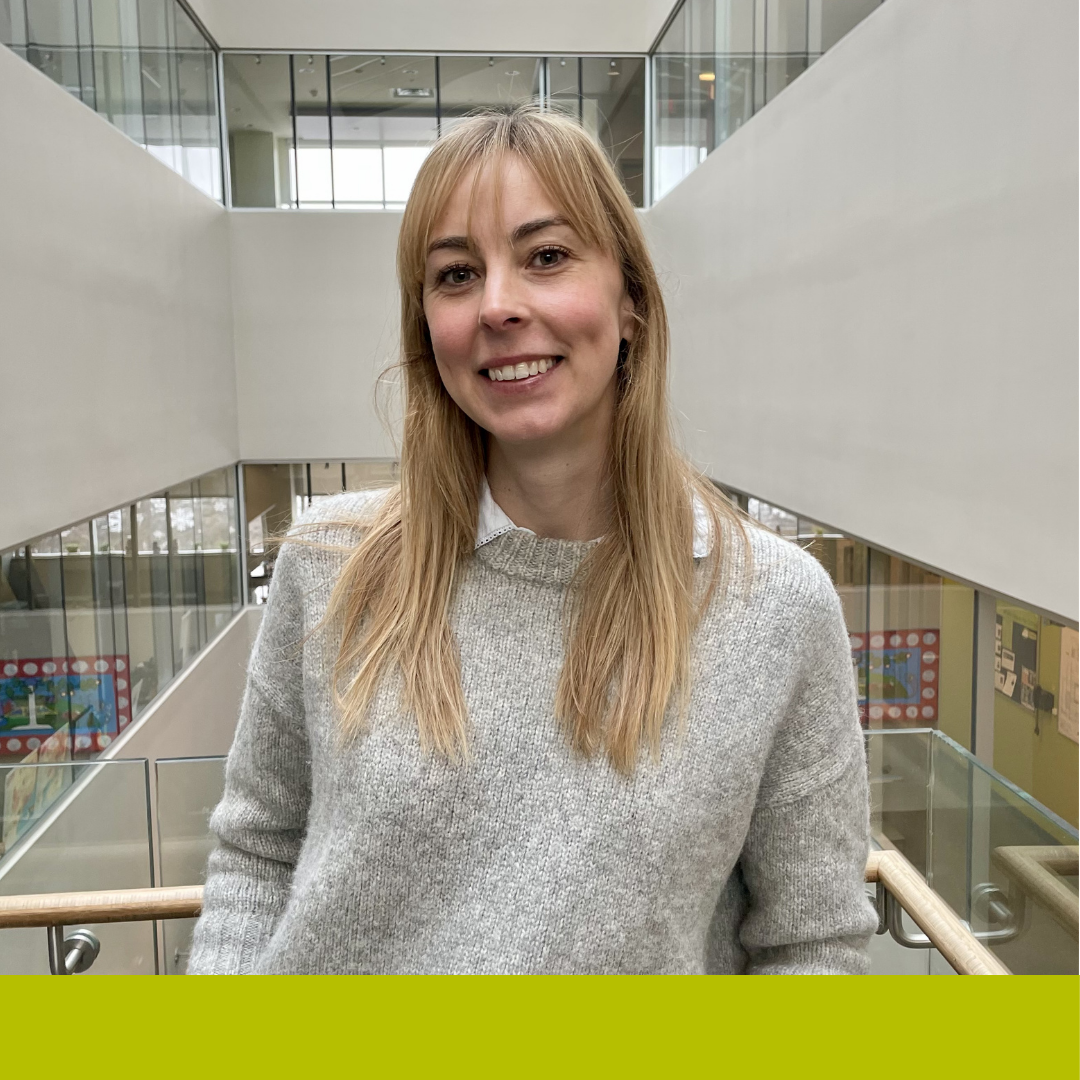
Alexa Bennett believes exceptional teaching extends far beyond course content. When she designed a nine-week field course in Ghana, she built an entire learning experience, from field trips to coastal erosion sites and lab activities on microplastics in fish to community engagement with local non-governmental organizations and nightly debrief sessions to help students process what they were seeing.
"My approach centres on creating place-based learning opportunities where students can engage deeply with the topics they study, follow their curiosity, and connect theory with real-world contexts through direct experience," Bennett says.
The care she brought to every dimension of the course left a deep impression. When a student fell ill, she arranged clinic access and stayed with them through treatment. When logistical chaos threatened to derail a flight connection mid-journey, she acted quickly enough to save the group hours of delay.
"Without her guidance, this course would not have been possible, and without her caring personality and leadership, this course would not have been nearly as enjoyable," wrote one nominating student.
Her teaching draws on innovative methods, including cross-cultural debates with students from the University of Cape Coast, flexible assignments that allowed students to demonstrate learning through blogs or videos, and weekly one-on-one check-ins with every student. For Bennett, those methods reflect a deeper intention: "I want students to recognize that to be a researcher or a scientist is not to separate ourselves from our humanity. Rather, science is a way of engaging with the world in informed, ethical, and responsive ways."
Amy Tai | Computer Science
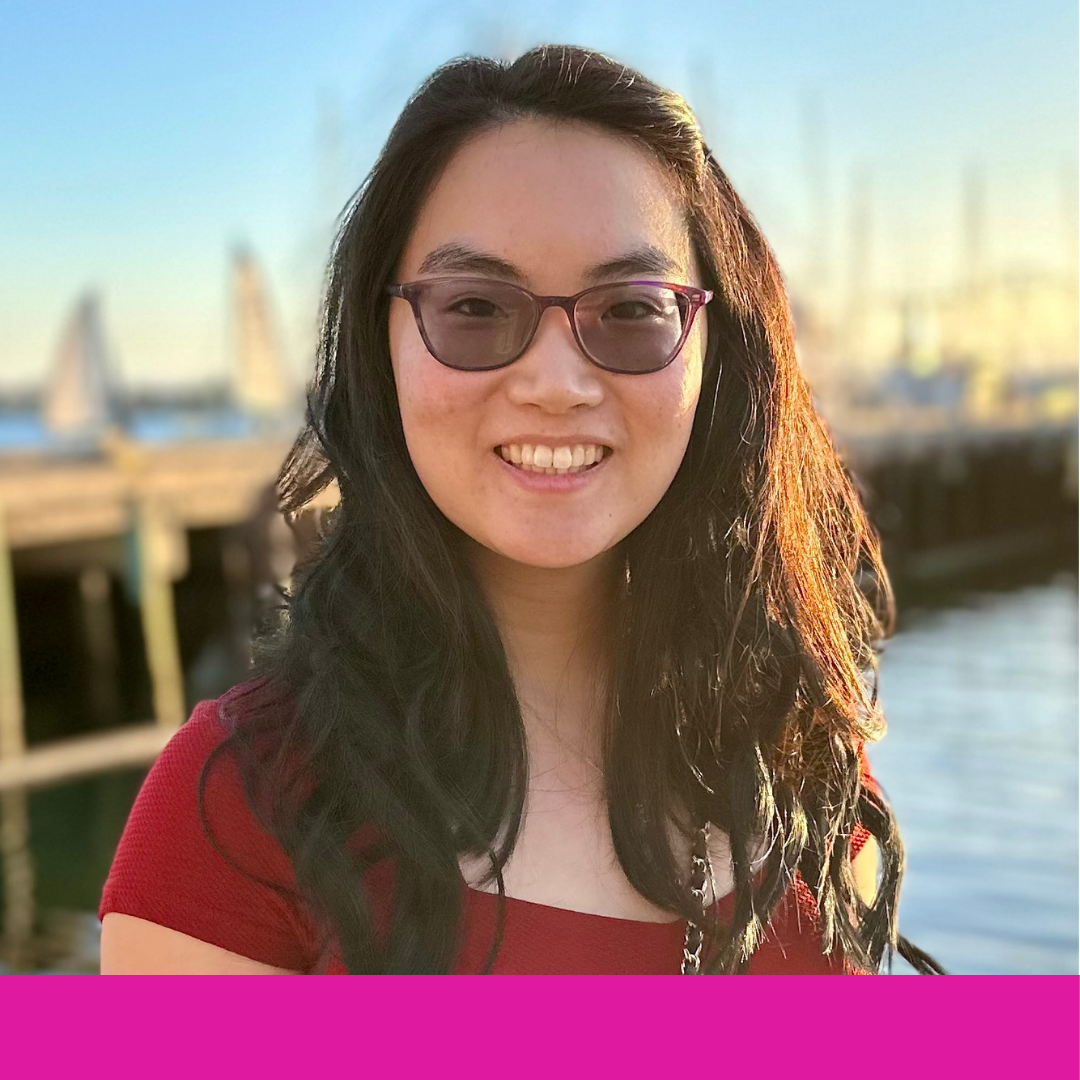
Before Amy Tai's first session of SYDE 223, she reached out to previous instructors and teaching assistants to ask what had worked well. She then surveyed her students about their goals, adjusted her approach based on their feedback and designed activities that made exam preparation feel like something other than dread.
One of those activities became a memorable end-of-term tradition: an elaborate class-wide puzzle built from more than 20 practice sheets, each leading to a letter. Together, the letters spelled out, “You are going to do great.”
That same spirit carried through everything Tai did in the course. Her PhD research in computer vision shaped how she taught and pushed her to prioritize understanding over memorization. "In research, you're constantly asking why something works and adapting ideas to new problems," she says, "so I tried to bring that mindset into the classroom by focusing on conceptual understanding, encouraging questions, and showing how abstract ideas connect to real-world problem-solving."
She also made the course's long-term relevance explicit. Having studied engineering at Waterloo herself, she remembered data structures and algorithms as critical for software interviews and wanted students to recognize their value before entering the job market. She organized mock interviews and LeetCode sessions for students searching for co-op placements, helped students refine their résumés and tagged them on LinkedIn at the end of term to support their professional networks.
For one student who entered the course with a long history of struggling with programming, the effect was lasting. "Her teaching reshaped how I viewed myself as a learner in technical subjects," that student wrote, "which is something I had not experienced or expected to experience with a programming course."
Jeffrey Lee | Mechanical and Mechatronics Engineering
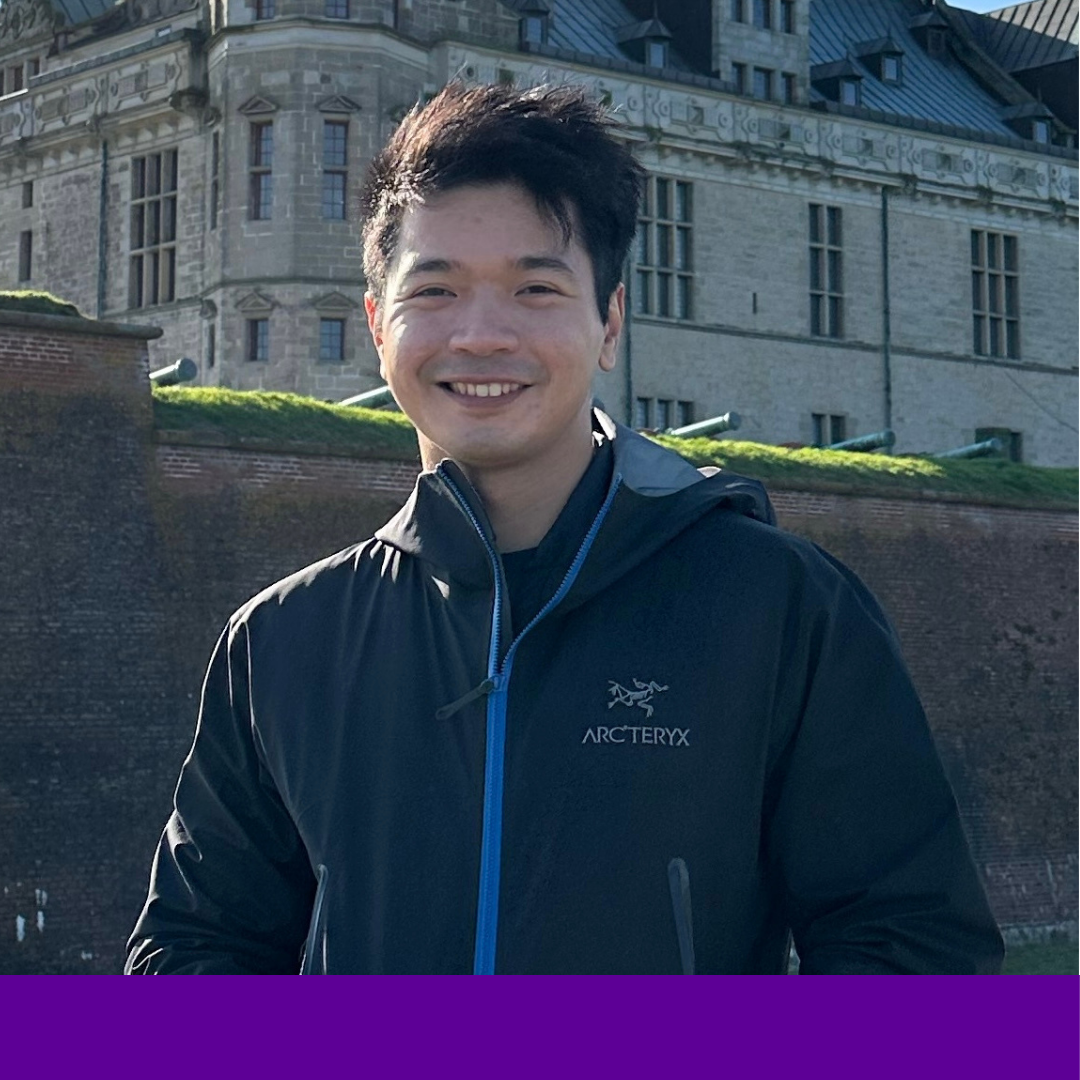
Jeffrey Lee's title in the fall 2025 term was teaching assistant for ME 380. In practice, for much of the term, he served as the course instructor. When the course instructor required emergency medical leave, Lee stepped in without hesitation. Lee maintained the curriculum, held weekly meetings with every design group and provided high-level technical feedback on fabrication and test validation throughout the term. Armaghan Salehian, professor in the Department of Mechanical and Mechatronics Engineering, who nominated him for the award, said Lee's "composed demeanour and professional competence mitigated potential disruptions, allowing the class to focus on learning during a period of uncertainty."
Much of what makes Lee effective traces back to his own experience as a mechatronics student. "I remember how intimidating it can feel to be surrounded by so many smart and hardworking people," he says. "At times, that made me hesitant to ask questions because I didn't want to seem like I was falling behind." Because of that, he works deliberately to lower the barrier by building an approachable environment where students feel comfortable raising their hands in class, stopping by office hours or sending a quick question over Teams. "Having this openness to communication allows me to respond quickly and often resolve confusion in just a few minutes, potentially saving students hours of frustration," he says.
For one student who entered MTE 380 after a long period of illness and academic uncertainty, that presence made all the difference. "It was the first time in a long time that I felt someone on a teaching team truly believed in me and wanted me to succeed," she wrote. "Being successful in MTE 380 became a major source of confidence for me heading into fourth year and beyond."
Nijani Nagaarudkumaran | Optometry and Vision Science
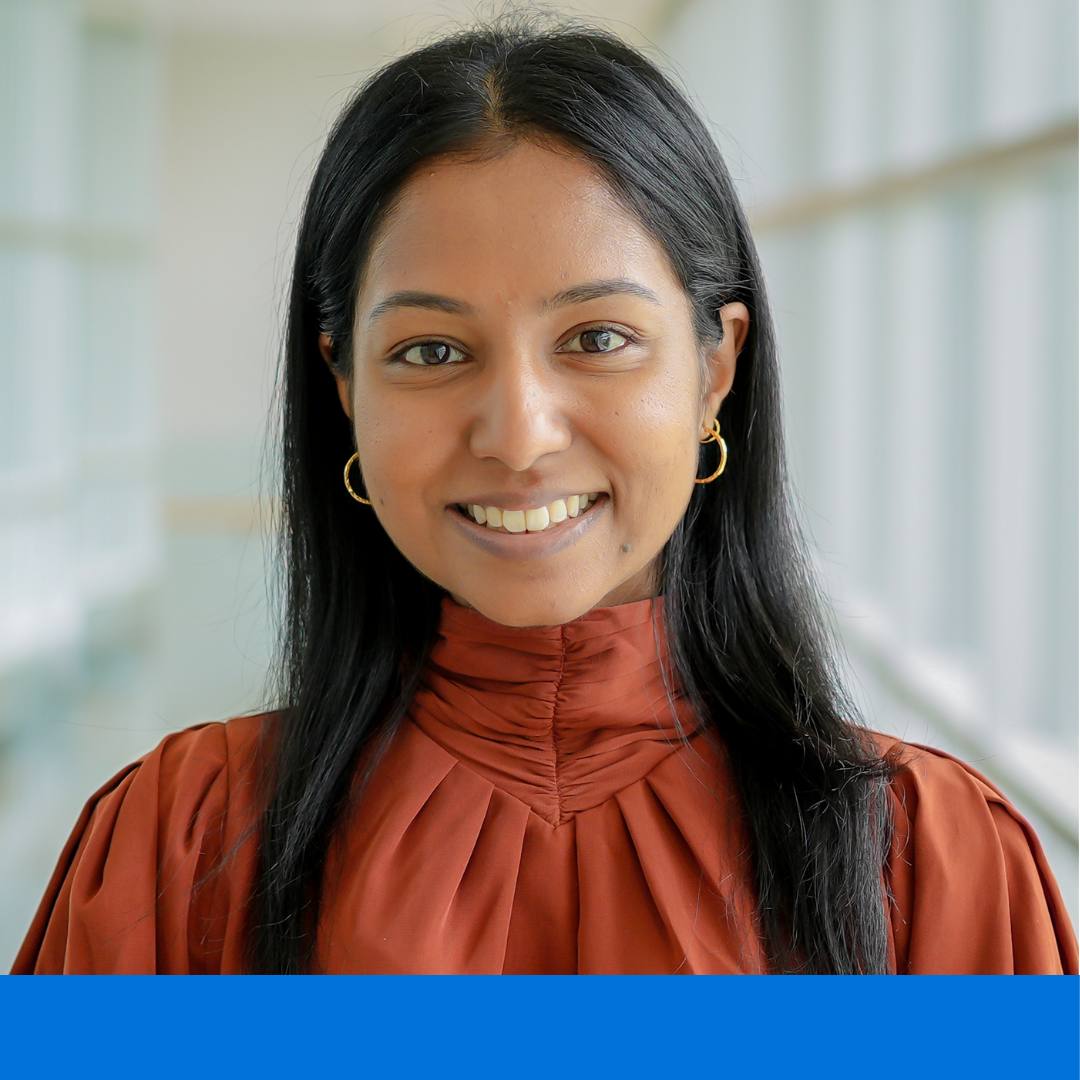
Nijani Nagaarudkumaran has been a teaching assistant in the School of Optometry & Vision Science for more than four years, teaching laboratory courses in microscopy, ocular anatomy and neuroanatomy. Beyond her extensive TA experience in leading undergraduate students, Nagaarudkumaran has also mentored new graduate student teaching assistants through their first teaching experiences, sharing resources and providing ongoing support.
Her approach has been shaped by both experience and deliberate investment in her own development as an educator. Completing the University of Waterloo's Fundamentals of University Teaching program helped her identify effective teaching strategies, including open-ended questioning to draw out student thinking and drawing diagrams to support visualization before checking comprehension. Her doctoral research reinforced the same instinct. "Throughout my research career, I have had to communicate my research to audiences from varying backgrounds," Nagaarudkumaran says. "I believe this has shaped the way I teach. Students appreciate it when you can simplify concepts to help them understand."
Her genuine support of her students came through clearly in what students wrote about her. "Whenever I had a question she could not immediately answer, she always took the initiative to research it and fostered a collaborative learning environment where we expanded our knowledge together," wrote one nominating student. For those who went through her labs during some of the most demanding years of their academic lives, the effect went beyond the material. "I can wholeheartedly say that Nijani was one of the main reasons I felt excited to show up to school and lab," wrote another.
"My main goal has always been to ensure that students have a positive learning experience and are in an environment where they feel comfortable asking questions," Nagaarudkumaran says. "I am extremely happy to have contributed to their education."