
Strong supervision is the cornerstone of a successful graduate experience.
Learn how to navigate your supervisory relationship, manage potential conflicts, and set yourself up for success as an independent researcher.
Graduate student responsibilities
According to roles and responsibilities of graduate students, you are expected to:
-
Stay informed and meet deadlines for registration, fees, awards, and graduation as outlined by your department, faculty, and the University.
-
Develop a realistic research plan with clear milestones and timelines. Consult and co-ordinate with your supervisor throughout.
-
Collaborate with your supervisor and committee to define feedback expectations to support your progress.
-
Agree on turnaround times for written submissions like theses, papers, or articles. A 2–3-week review window is typical, depending on document complexity.
-
Be aware of wellness supports available through the University to maintain your physical and mental health.
-
Plan ahead for absences (e.g., vacations) and discuss communication and responsibility expectations during that time.
While your supervisor is there to act as a mentor and guide, you are still responsible for navigating the deadlines and requirements of your program, as it is not your supervisor's role to tell you what you need to do at any given point.
Graduate study offers more autonomy than undergraduate programs, but with that comes increased responsibility. Be proactive, set clear goals, and use available supports to stay on track.
Supervisor responsibilities
According to the roles and responsibilities of supervisors, supervisors are expected to:
-
Be familiar with university policies, academic integrity, ethical research, and student support services.
-
Advise on research topics, proposals, course selection, and overall program progress.
-
Ensure your advisory committee is in place and that your research plan aligns with Faculty standards and timelines.
-
Schedule regular meetings and provide timely, constructive feedback on written work.
-
Clearly communicate evaluations of your progress, including any concerns and how to address them.
-
Support accommodation requests in collaboration with AccessAbility Services.
-
Notify you of extended absences and arrange interim support if away for more than two months.
Supervisors are mentors, so use their expertise and guidance. They are responsible for helping you navigate your program effectively and for setting up a structure that supports your success.
Navigating conflict
Sources of conflict
While there are numerous potential sources of conflict within the supervisory relationship, there are several common themes:
- From the student perspective, conflict often arises due to a lack of guidance or feedback, unresponsive or unavailable supervisors, and insufficient academic mentorship such as limited support for conference participation.
- From the supervisor perspective, conflict often arises from perceived gaps in students' research skills or preparedness, as well as differing cultural expectations around academic roles.
- Common shared triggers include misaligned role expectations or academic values, poor communication, cultural and stylistic differences, and personality clashes.
Clarifying expectations
The root of most concerns are differing expectations. Students may expect a certain type of support, while supervisors may assume students will take on specific tasks in a particular way. In most cases, neither side is wrong. Rather, it’s usually a matter of misaligned expectations and poor or missing communication.
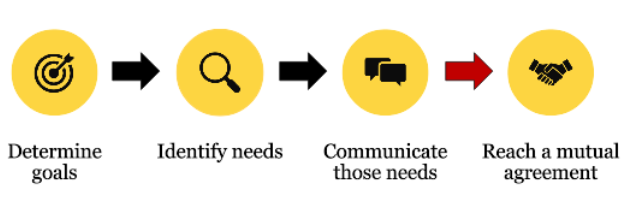
- Determine goals: Be specific about your goals beyond “graduating,” identify sub-goals like publishing, professional development, or attending conferences. Define your personal timeline and what success looks like for you at each stage.
- Identify needs and consider the type of support you need:
-
Firm vs. flexible deadlines
-
Regular check-ins or more independence
-
Clear guidance on research direction
-
-
Communicate those needs: Communicate your goals and needs clearly to your supervisor to set shared expectations.
-
Reach a mutual agreement: Collaboratively agree on a support structure that works for both of you. Be open to compromise if needed and speak up if the arrangement doesn’t meet your needs.
Example of setting expectations
| Thesis writing | ||
|---|---|---|
| Goals | Student needs | Established expectations |
| Conduct literature review |
|
|
| Revise and submit thesis chapters |
|
|
| Prepare for thesis defence |
|
|
Useful tools
-
Kiley-Cadman Supervisor Expectations Tool: Designed as a discussion starter for advisory teams and candidates, to help understand each others’ expectations. This tool is most effective when you understand that there are no “right” answers, responses will vary throughout your program, and it’s meant to spark conversation, not serve as a commitment, helping structure productive discussions and guide ongoing actions.
-
Ingrid-Moses Expectations of Advisors Tool: Worksheet focused on broader dynamics with an advisory team.
Supervisory styles




Tips for avoiding and navigating conflict
-
Research your supervisor: Reach out to current or past students to learn about their experience and potential common interests.
-
Establish communication: Collaborate on meeting schedules and aim to respond to emails within 24-48 hours, even if it’s just acknowledging receipt and setting expectations.
-
Address issues early: Tackle concerns promptly to prevent frustration from building up.
-
Use neutral language: Frame concerns constructively, focusing on solutions (e.g., “I get anxious when I don’t receive feedback. Can we set up a feedback plan?”).
-
Talk to your supervisor first: If an issue arises, address it directly with your supervisor before involving others. There are certain situations where other staff and faculty should be contacted immediately (e.g., sexual harassment).
-
Seek advice: Use campus resources like the Graduate Student Association or the Conflict Management and Human Rights Office for confidential support.
Communication and conversations
It’s important to revisit expectations throughout your program, not just at the beginning. A good time to start the conversation is when something changes, or if you feel uncertain.
Here are some examples of conversation starters:
-
“We haven’t fully discussed some aspects of our roles and responsibilities. To help me better understand, could we both take some time to complete and discuss this survey?”
-
“I’m trying to plan out a realistic timeline to completion. Could we book a time to clarify when you need things from me, and what kind of turnaround time I can expect?”
-
“I’m struggling a bit with this stage of my research, since there are a lot of questions that keep coming up. Could we discuss meeting more regularly to address those?”
-
“Now that I’m submitting chapters for final review, it would be helpful for me to discuss what you expect from me for the final draft, and what I can expect from feedback.”
-
“I’m having difficulty meeting the deadlines we discussed earlier. Could we re-evaluate and come up with a more manageable schedule?”
Both students and supervisors share responsibility for building a strong supervisory relationship. Respecting timelines, preparing for meetings, and being open to feedback all contribute to a positive and productive dynamic. Your research degree is intended to support your development into an independent researcher, so approach your role with the mindset of a professional.
Who to go to for support
If you're experiencing issues in your supervisory relationship, whether it's conflict, lack of communication, or another concern, support is available.
-
Program or administrative questions: Start with your Graduate Studies Program Coordinator
-
Academic or research concerns: Contact your Associate Chair for Graduate Studies (Graduate Officer)
-
Unresolved issues: Reach out to your Associate Dean for Graduate Studies or Faculty Administrative Assistant for your faculty.
Additional supports exist on campus to help navigate challenging conversations and understand university policies and expectations, including the Conflict Management Office and Office of the Ombudsperson. If you need further support, connect with Graduate Studies and Postdoctoral Affairs at gradexperience@uwaterloo.ca.