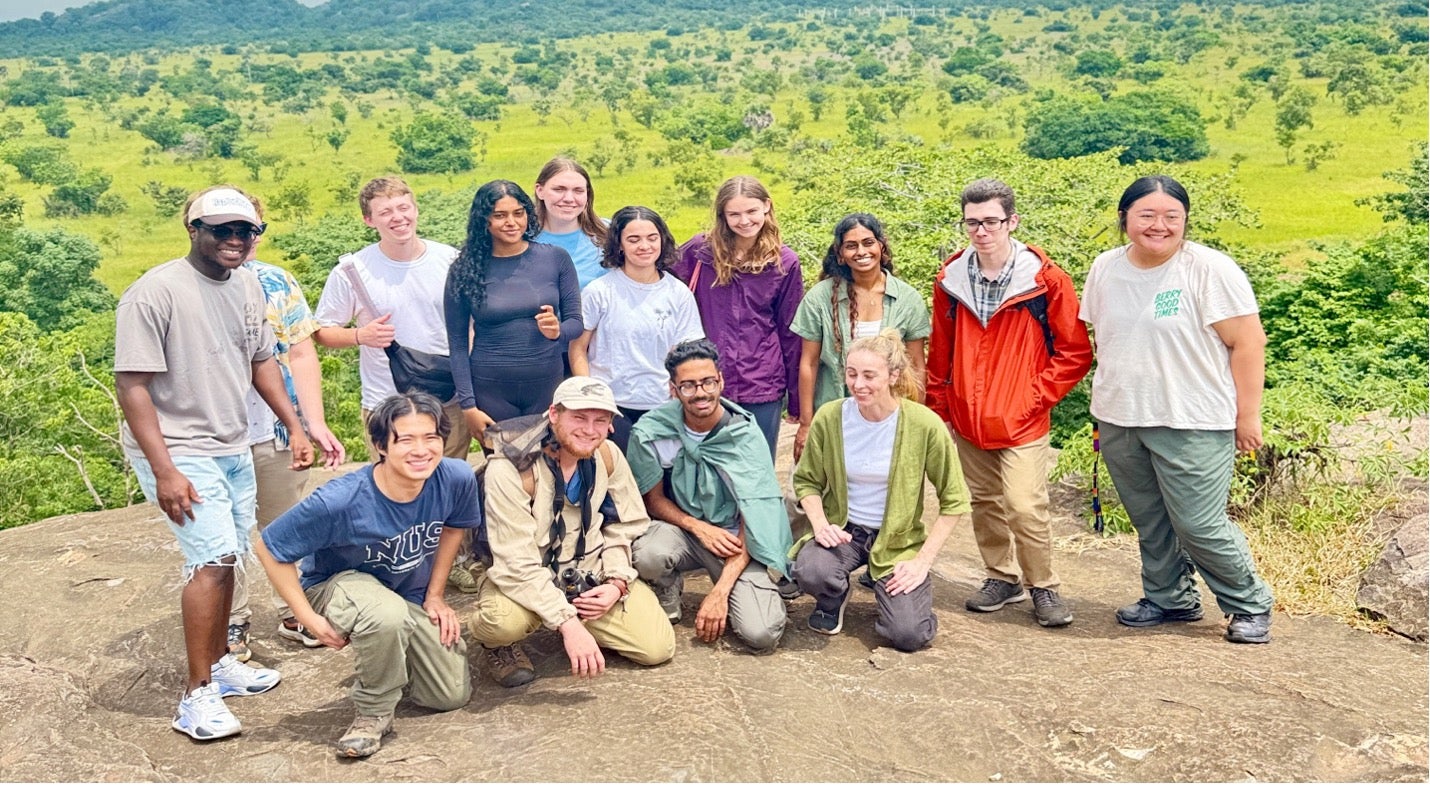
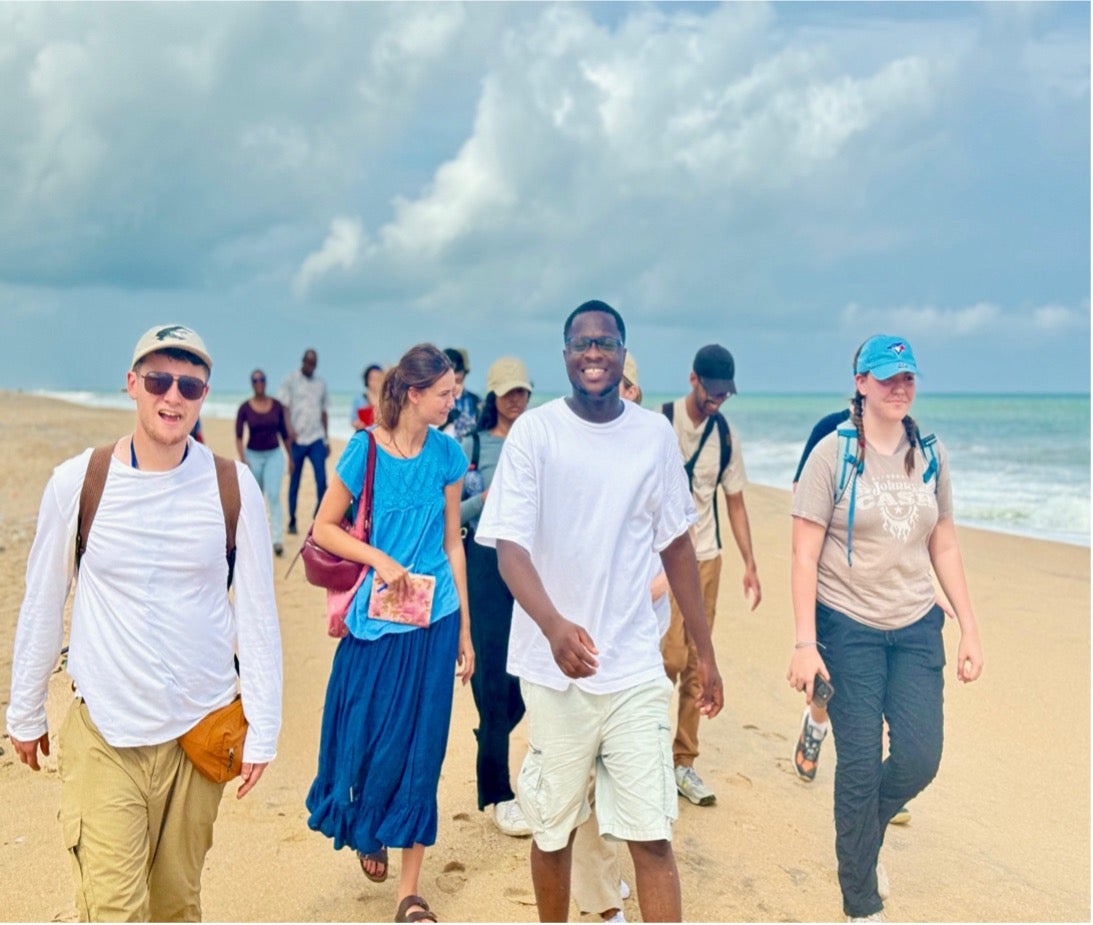
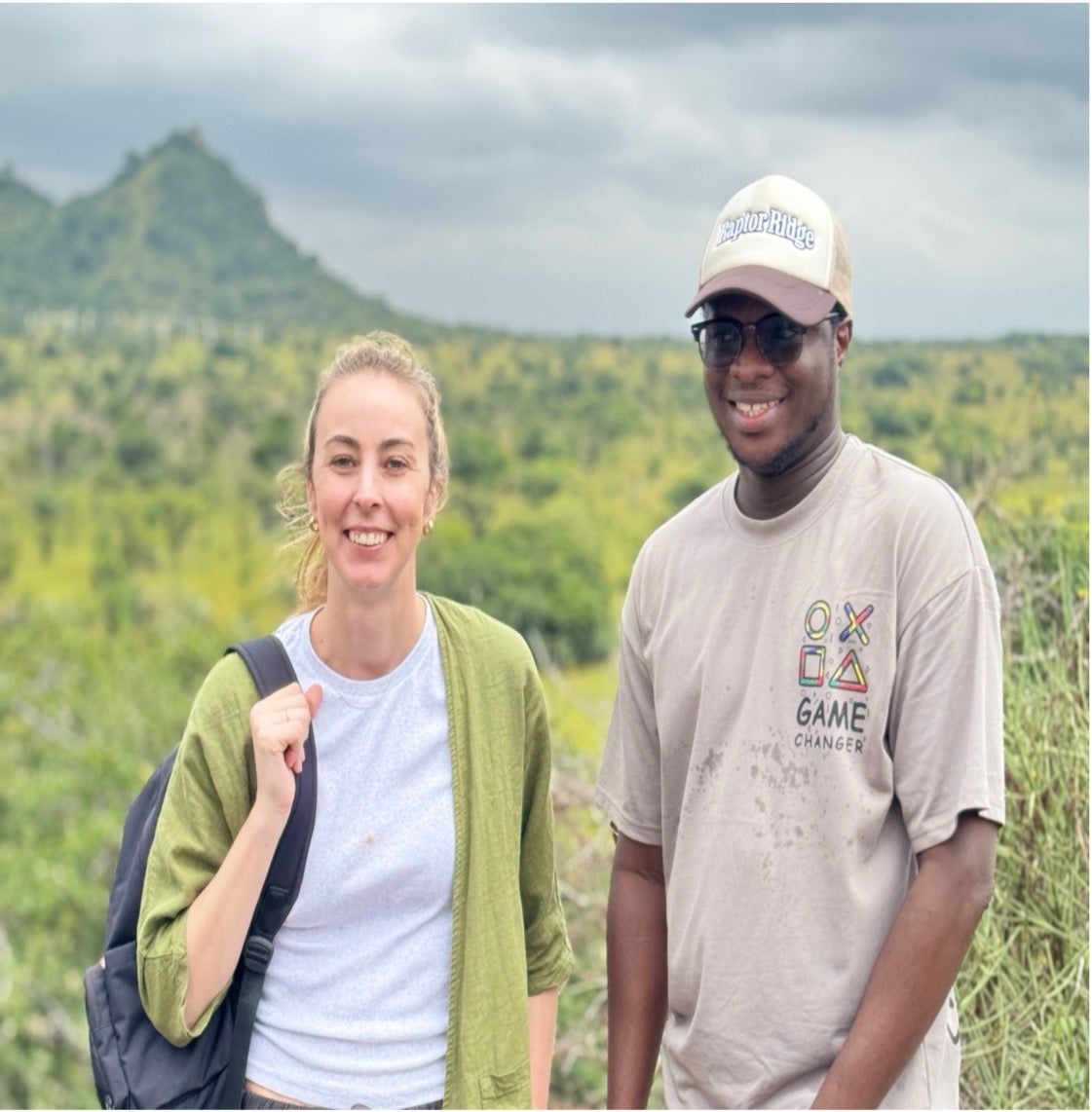
Returning to my home country, Ghana, has been a refreshing experience. This visit was not just for pleasure; it provided me with the opportunity to facilitate the integration of students from the University of Waterloo through the Queen Elizabeth Scholars (QES) program, where I served as a Teaching Assistant. Reflecting on this experience brought back memories of my childhood. Growing up, our home was often filled with visitors from around the world, especially from Europe. One important lesson I learned from my father was the significance of making these visitors feel at home and part of the family by ensuring their comfort. This culture of hospitality has had a lasting impact on me, enabling me to assist QES scholars in adapting to Ghanaian culture and everyday life with ease.
The opening moments of the program were absolutely thrilling. I can still picture the eager expressions on the students’ faces as they stepped out of Kotoka International Airport in Accra. A blend of curiosity and excitement filled the air. I took the opportunity to connect with them, sharing my own experiences of adapting to new cultures. I encouraged them to keep an open mind and embrace the adventure ahead, and it was heartwarming to see their enthusiasm grow as they faced these cultural shocks together.
Reflecting on the opportunity provided by QES, I am reminded of my undergraduate experience, which was primarily classroom-based and lacked hands-on and experiential learning. The field activities, course modules, and presentations designed by the instructor, Alexa Bennett, created opportunities for both the scholars and me to engage in experiential learning. This approach facilitated a deeper understanding of complex environmental issues through collaboration and practical experiences.
One important lesson that this experience taught me is the power of collaboration. Working with onsite facilitators and stakeholders is key to the success of fieldwork. Along with the course instructor, Alexa, deliberate efforts were made to actively engage and collaborate with stakeholders such as NGOs, host departments, and institutions to provide a comprehensive experience for the students. By involving these diverse entities, we created a supportive environment that enriched the students’ learning experiences.
A blend of my lived experience and the exposure gained from my Canadian experience contributed to the successful execution of the program. Overall, this trip has been a meaningful experience. I not only fulfilled my responsibilities as a teaching assistant but also had the opportunity to engage with diverse groups of students as we navigated complex environmental issues in Ghana.
Field School in Ghana