Opinion: Canada needs more research on aging, nutrition and well-being in LTC
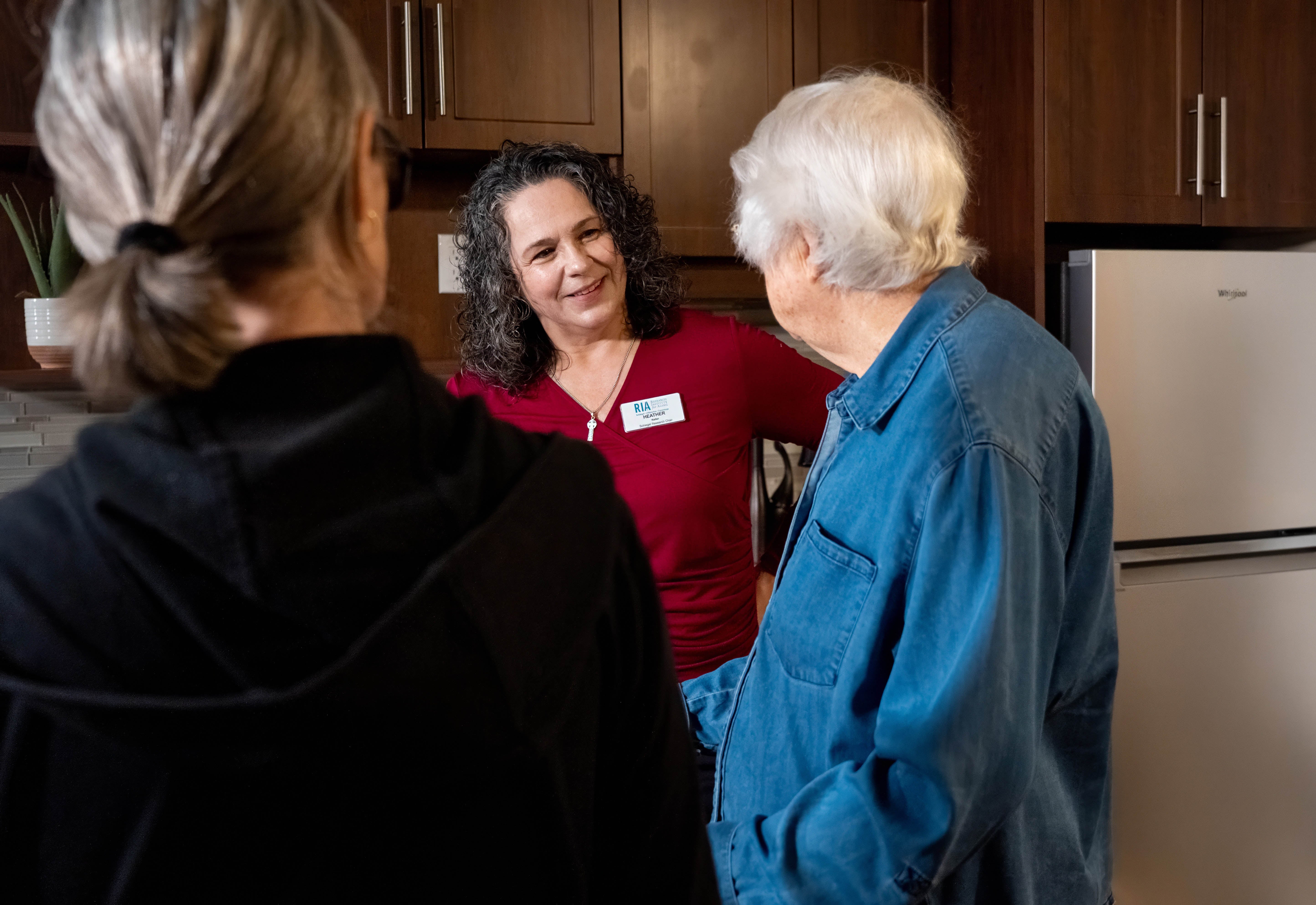
Dr. Heather Keller discusses the need to transform mealtimes in Canada’s long-term care homes from a service to a meaningful form of care
As Canada’s population of older adults continues to grow, a significant number are living in long-term care (LTC) homes. Yet, despite the increasing demand for quality elder care, one critical aspect of well-being — nutrition — is often overlooked.
This is especially concerning given that many older adults living in LTC homes experience feelings of isolation and loneliness. When these emotional challenges are compounded by poor food intake, it becomes clear that there is much work to be done to improve the senior care environment in ways that uphold dignity and enhance overall well-being.
As a dietitian and researcher having spent more than two decades working in LTC settings, I’ve witnessed first-hand that we need to do better with respect to the food provided to residents. This observation sparked a deep curiosity in me: What truly drives food intake among older adults in these homes?

Through years of research, I’ve come to understand that while nutritional content is undeniably important, the social and emotional context in which food is consumed plays an equally vital role in well-being.
For older adults in LTC, mealtime should not just be the food on the plate, but the whole experience. The difference between eating alone and sharing a meal with others is profound. That’s why mealtimes should be moments of connection, comfort and dignity.
Recognizing this, I developed CHOICE+, an eLearning program designed to empower LTC staff to create more enjoyable, resident-centered mealtime experiences. Grounded in the principles of relationship-centered care, CHOICE+ encourages staff to observe dining environments, reflect on resident interactions and implement changes that foster a sense of belonging and respect.
If you’ve ever visited an LTC facility, you’ll notice that while some residents can still participate in recreational activities, others may be more limited in mobility or cognitive function. However, one universal experience remains: everyone participates in meals. This shared activity presents a powerful opportunity to shift the perception of food in LTC from a basic service to seeing it as a meaningful form of care.
By doing so, we can reduce the prevalence of micronutrient deficiencies that contribute to poor health outcomes, while also ensuring that residents receive meals that are both nourishing and pleasurable to them.
Teaching has allowed me to pass on this knowledge to students, inspiring them to explore the intersection of nutrition, aging and care. Unfortunately, research in this area remains limited in Canada.
That’s why mentoring graduate students and encouraging them to pursue LTC-focused projects has become a cornerstone of my career. My hope is to expand interest in this field and uncover innovative approaches that help older adults live with dignity, joy and optimal health as they age.