Igniting a spark: Inside Socratica’s creative community
The student organization continues to build a community of makers and creators
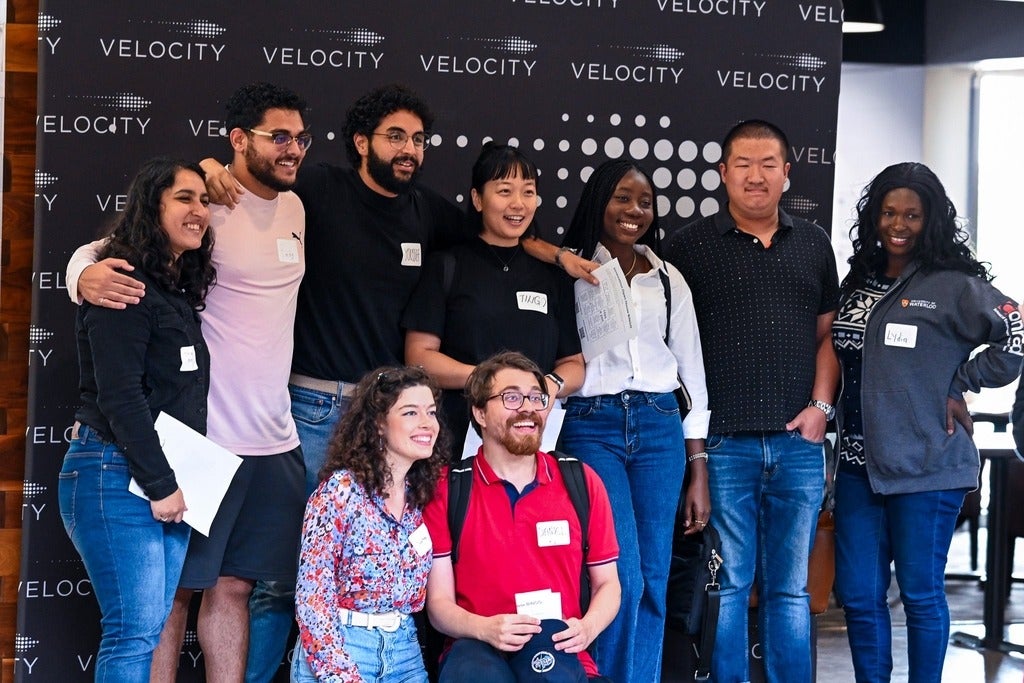
Socratica has always revolved around a single idea: the spark, the small, electric moment when someone feels compelled to make something and share it. What began as a loose group of curious students has grown into a vibrant, ever shifting community of makers, artists, engineers, writers, designers, tinkerers and explorers who gather each week to build, learn and chase ideas together.
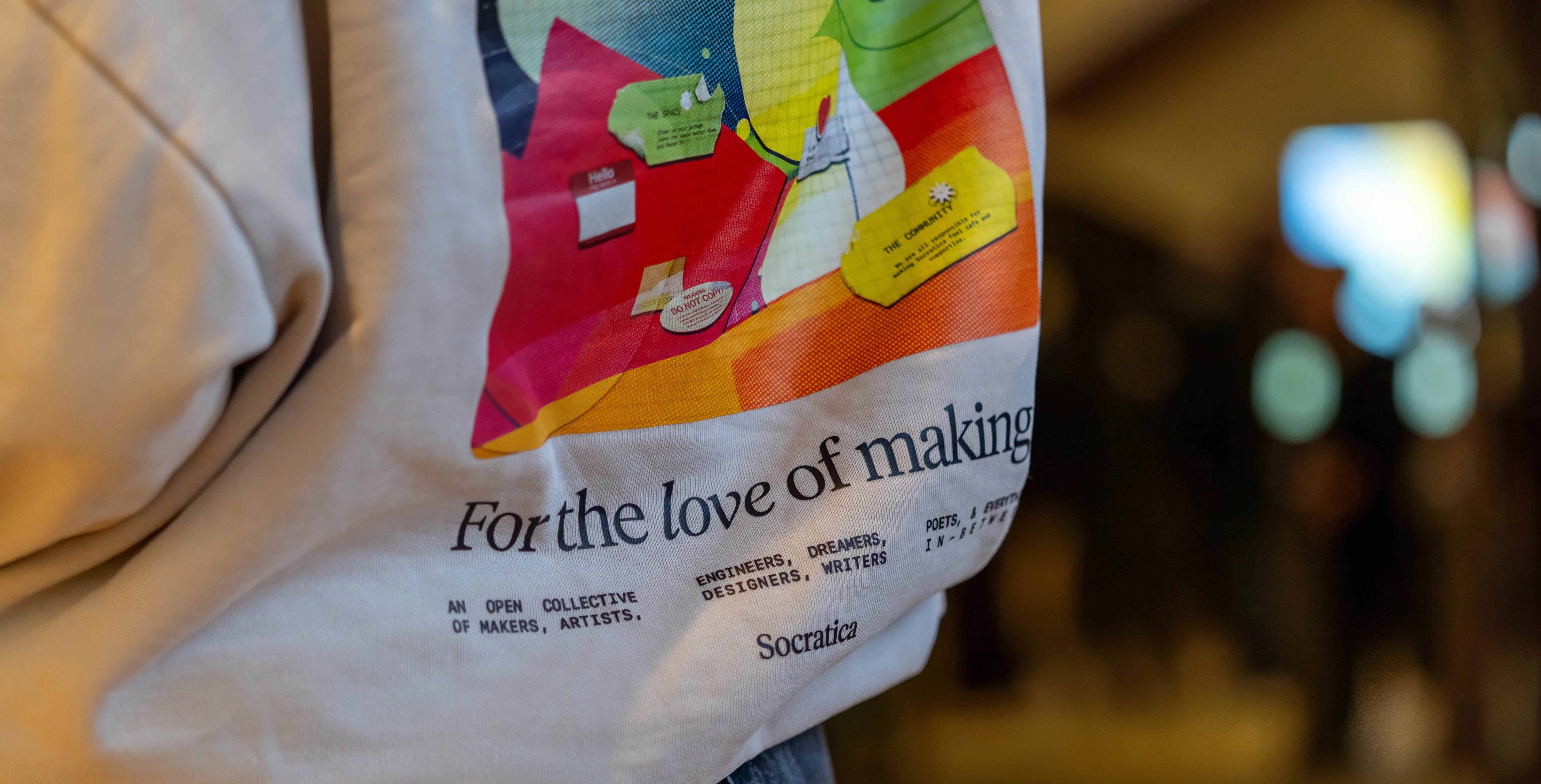
On the University of Waterloo’s campus, that spark is unmistakable. Walk into a Sunday co-working session and you’ll find people sketching prototypes on scrap paper, editing videos on the floor, 3D printers humming in the background, someone screen printing tote bags in the corner and half a dozen conversations happening at once about whatever wild idea someone wants to try next. It’s messy, energetic and deeply inviting. It is Socratica at its core.
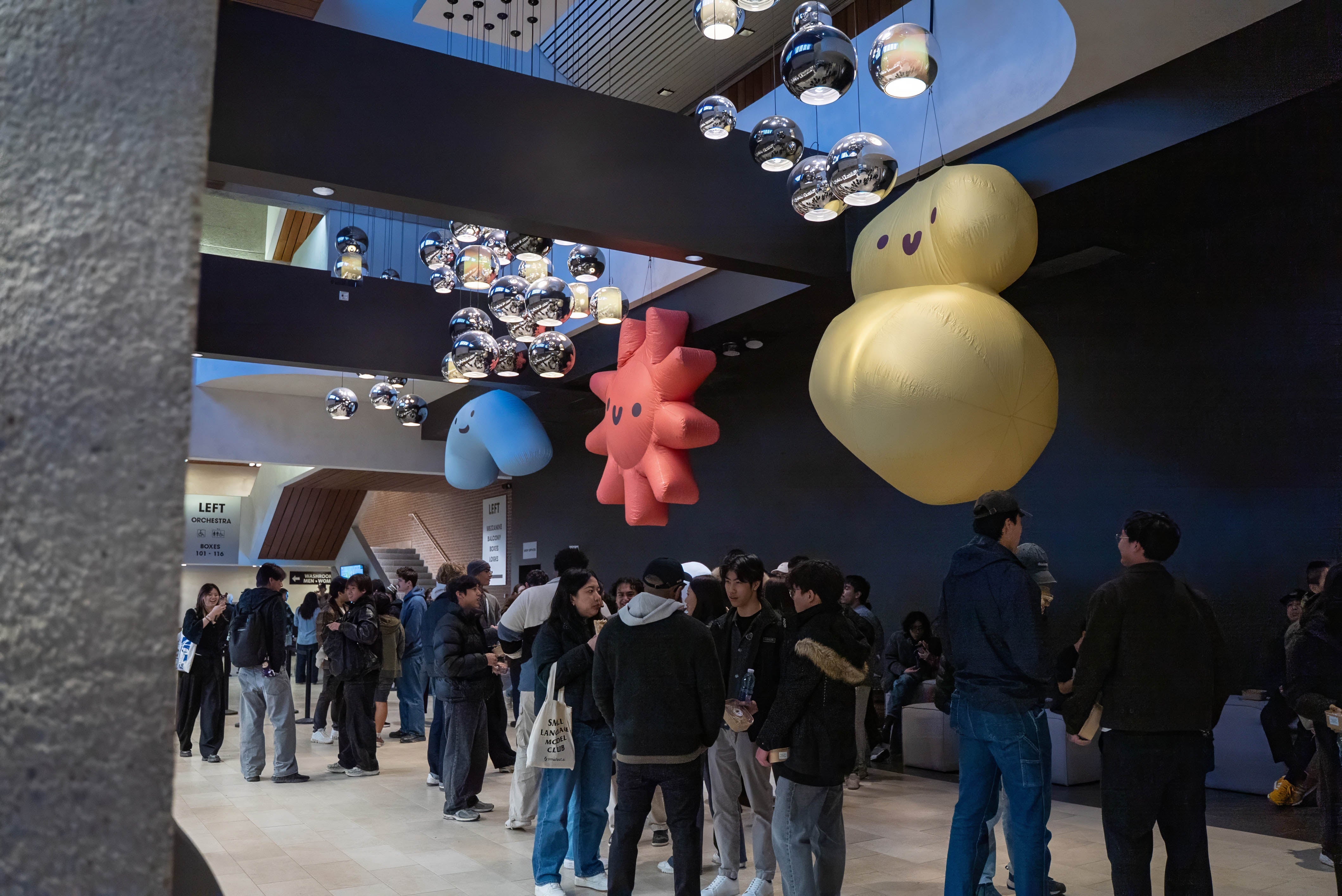
That energy is amplified at Symposium, the annual celebration that now draws more than 2,500 attendees. The projects showcased each year are wildly different and range from hardware hacks, fashion collections, microdocumentaries, poetry installations, strange little robots, community platforms and passion projects — some that started half as jokes and have turned into something real. Together, they tell a collective story of curiosity and momentum.
For many hosts, stepping into Socratica feels like stepping into an entirely new version of University life.
Nefise Akcakir, a fourth-year Kinesiology student and one of Socratica’s core hosts working on growth. Growth hosts are responsible for promoting Socratica and its events. Nefise remembers hearing about Socratica long before she understood it. The idea of “building things” felt abstract. That was until she finally walked into a co-working session at the Accelerator Centre.
The room was buzzing. People were soldering, storyboarding, debating and documenting. “It was like stumbling into the coolest corner of campus that nobody had told me about,” she recalls. She wasn’t sure how she’d fit in as someone studying outside the usual technical disciplines, but the mix across disciplines quickly became her favourite part. Being surrounded by passionate makers didn’t just energize her, it reshaped her sense of what she could do.
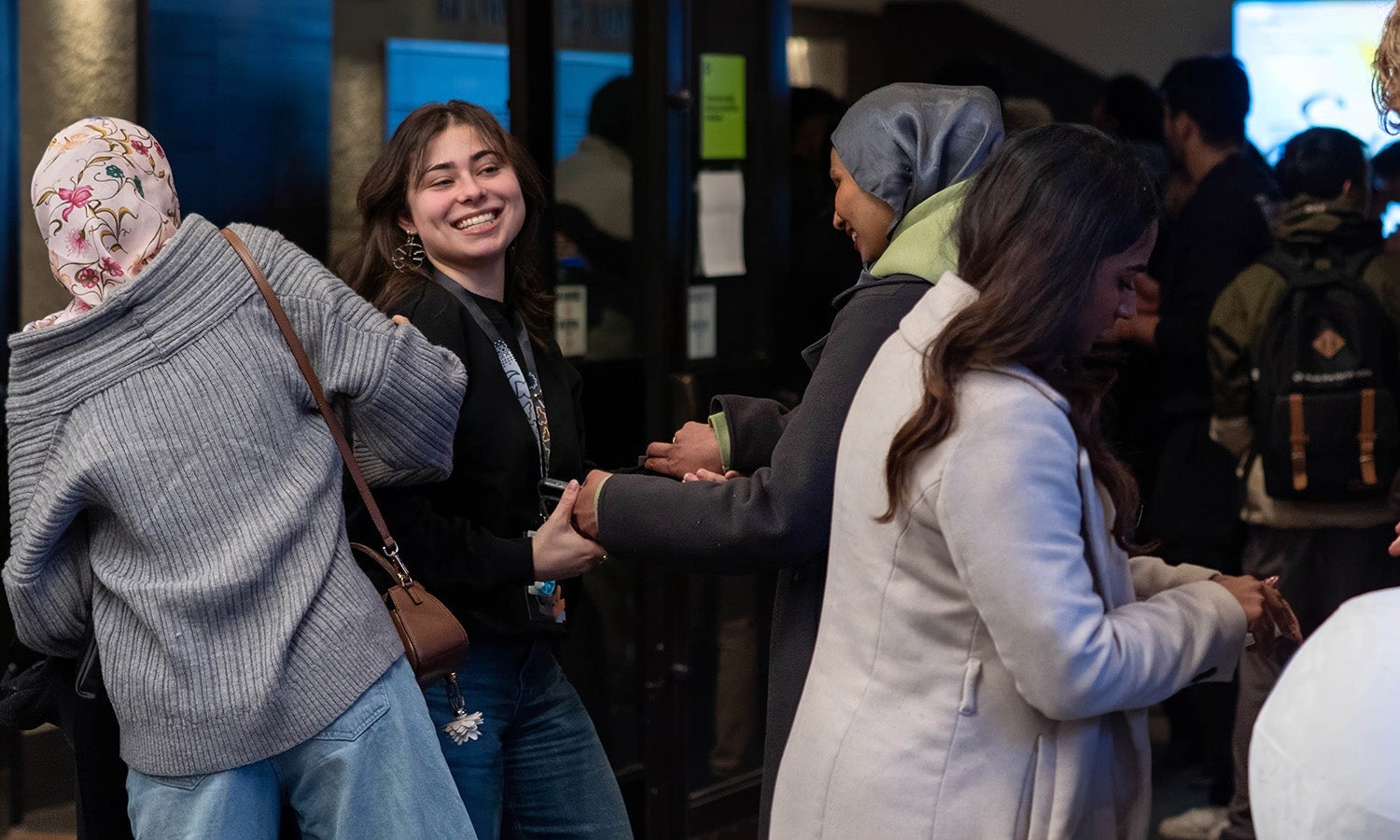
Since joining as a host in fall 2024, Akcakir has explored entirely new creative directions from marketing, strategy and video production. They were areas she had never touched before Socratica. Her work on the growth team gives her a front row seat to the movement as it evolves, not just at Waterloo but globally.
Symposium isn’t just an event anymore, it’s the annual gathering point for more than 40 Socratica nodes around the world. Students, alumni, community creators and local groups all come to Waterloo to share what they’ve made and what they’ve learned. The Slack channels connecting these nodes span every continent except Antarctica, yet the culture somehow remains personal and close-knit.
The scale of Symposium means constant reinvention. This year introduced a redesigned theatre space to make the environment feel both elevated and warm, expanded AV and “sparkle” teams that brought stage moments to life and more demos than ever before. They also expanded to a two-day format after last year’s single day sprint felt too compressed. Each iteration is shaped by the same guiding principle: not growth for growth’s sake, but rather finding new ways to make the experience meaningful.
That flexibility is baked into the organization. Each team passes down a living document of lessons learned including what worked, what didn’t and what to try next. Nothing is sacred except the mission. As Akcakir puts it, “We’re not married to a format. We’re married to what works.”
And “what works” is almost always the community itself: the "demoers" who spend months refining passion projects, the hosts who create a welcoming space every week, and the creators who show up because making things together feels better than making them alone.
Socratica has changed the trajectory of Akcakir’s life. Her co-op experiences in clinical settings gave her one view of her future, but Socratica opened an entirely different world. A world built around creativity, production and the joy of building with others. She still remembers volunteering at her first Symposium two years ago, standing in the crowd at Hagey Hall and feeling something shift.
It was the spark. The same one that keeps so many people coming back.
What keeps the momentum alive is the sense that something new is always forming, some project, some connection or some moment of possibility waiting to be built next. And that’s what people return for. The feeling that the next spark is already on its way.