News

Filter by:

Limit to news where the title matches:
Limit to items where the date of the news item:
Date range
Limit to news items tagged with one or more of:
Limit to news items where the audience is one or more of:

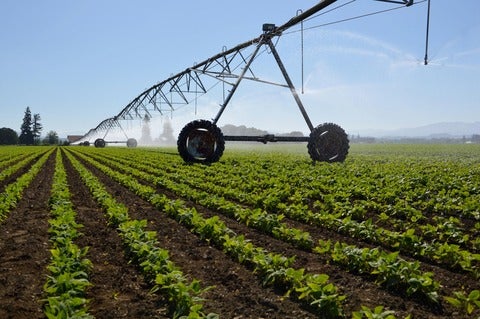
Groundwater plays an important role in global agriculture, sustaining crops that feed billions. But with rising populations and increasing food demands, this vital resource is under unprecedented pressure. By 2050, feeding the world’s projected population of 9.1 billion people will require a 70 per cent increase in food production compared to levels from 2005-2007. Without effective management, the future of farming—and food security—is at risk.

The Water Institute is pleased to launch its Fall 2025 WaterTalks, a three-part speaker series showcasing fresh perspectives on some of today’s most pressing water challenges. This year’s talks will span topics from groundwater use and the water–energy–food–poverty nexus in South Asia to advancing environmental justice and strengthening resilience to hydroclimate extremes.

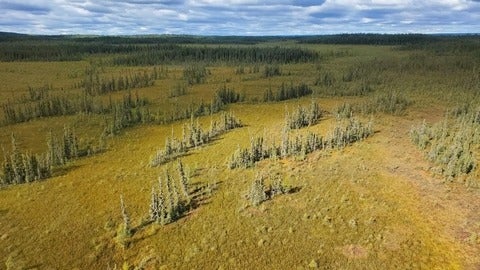
Dr. Bryan Grimwood, Professor in the Department of Recreation and Leisure Studies (RLS) in the Faculty of Health, has been awarded approximately $380,000 in funding from the Social Sciences and Humanities Research Council of Canada (SSHRC) to lead a new research initiative entitled Tourism, ruination, and regenerative futures that rethinks tourism’s role in landscapes marked by environmental and cultural ruination.

When devastating floods swept through Pakistan in 2022, millions were displaced, and more than 1400 lives were lost. For Malak Kamal, a graduate architecture student from Quetta, Pakistan, it was a turning point.

What happens to communities when the fish disappear? For millions of small-scale fishers (SSFs) worldwide, this isn’t just a question—it’s a daily reality. SSFs support the livelihoods of 120 million people globally, yet these vital ecosystems are on the brink of collapse due to declining water quality, pollution, and climate change.

Lake Winnipeg has been experiencing increasingly severe algae blooms since the 1990’s, earning it the title of “Canada’s Sickest Lake”. This “illness” stems from excess nutrients, primarily phosphorus and nitrogen, running off from agricultural lands, urban areas, and wastewater treatment plants. These nutrients result in various water quality problems, including excessive algae growth, which can block light, deplete oxygen levels, and release toxins into the water.

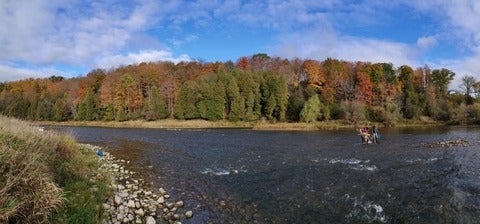
Have you ever been on a “skunked” fishing trip—one where you don’t catch a single fish? Sometimes, it’s the weather. Other times, it’s faulty gear. But if you’ve been fishing in rivers for a while, you may have noticed more and more skunked trips. The problem might not be your technique—it could be the river itself.

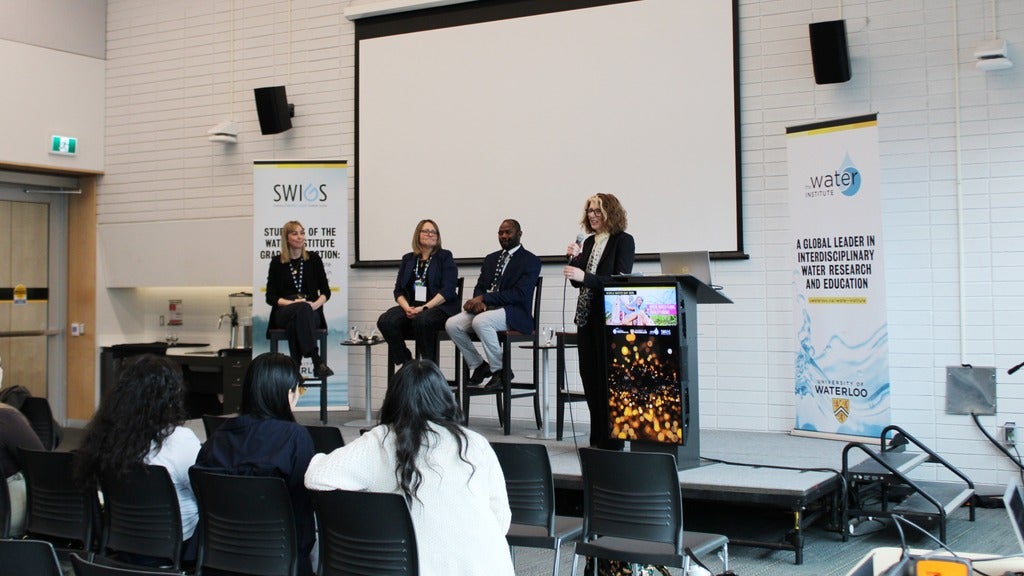
On March 22, the Water Institute marked World Water Day—an annual event bringing together students, researchers, and community members to reflect on our relationship with water. This year’s event aligned with the United Nations’ 2025 theme, Glacier Preservation, and featured insightful talks from distinguished speakers, a showcase of emerging research, and a special recognition of alumni driving change in water management.

The University of Waterloo has claimed the No. 1 position in Canada for water resources and climbed to 24th globally in the 2024 ShanghaiRanking’s Global Rankings of Academic Subjects—its highest position to date. Rising from 25th last year, the ranking underscores the university’s performance and reputation in water resources, a field critical to addressing escalating climate change and water security challenges worldwide.