
Thursday, November 18, 2021
In the media: Jason Thistlethwaite on climate adaptation
Record rainfall in British Columbia has flooded communities and washed away roads in what experts say is part of an increasingly costly trend that both homeowners and renters need to better prepare for.
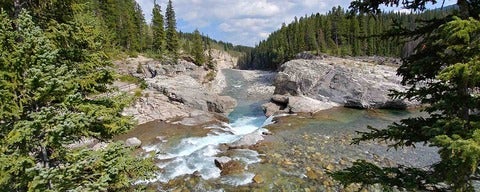
The forWater Network was recently featured in Water Science Policy in an op-ed written by Ashley Webb in collaboration with Uldis Silins, Water Institute members Monica Emelko, Mike Stone and other researchers.
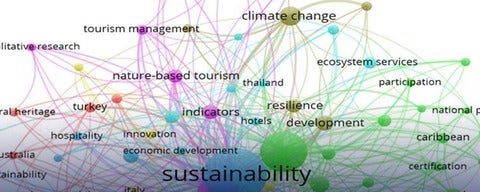
Researchers’ careers rely on heavily on self-advocacy to showcase their impact. An important and often overlooked part of self-advocacy is optimizing research discoverability. This is particularly important for early career researchers who are still building their portfolio of scholarly achievements. Understanding bibliometrics and the related tools can aid in making research more discoverable.
A joint initiative to increase academic diversity has expanded from six universities in Ontario to 12 institutions across the country.
Since its inception earlier this year, the Indigenous and Black Engineering and Technology (IBET) PhD project, which aims to support and build a network for Indigenous and Black graduate students, has named 16 doctoral fellows and 24 mentors.
This article was originally posted on the School of Public Health Sciences website.
 Craig Janes, Water Institute member and director of the School of Public Health Sciences, received the 2021 George Foster Practicing Medical Anthropology Award from the Society for Medical Anthropology this week. The career award “recognizes those who have made significant contributions to applying theory and methods in medical anthropology, particularly in diverse contexts, to multidisciplinary audiences, and with some impact on policy.”
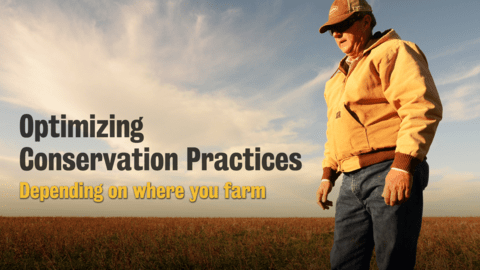
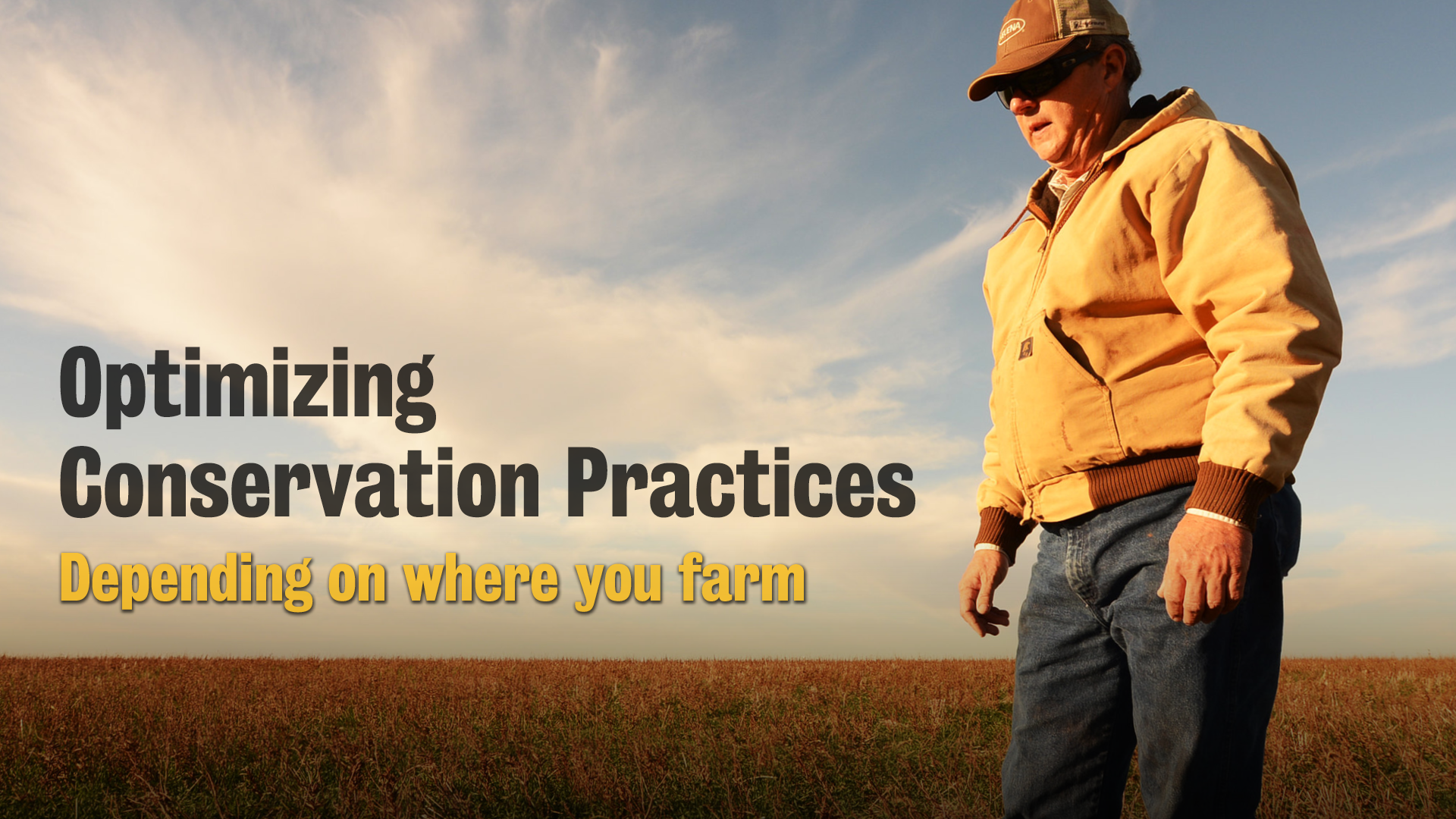
Sometimes figuring out which conservation practices are most effective at reducing agricultural phosphorus losses to surface water bodies seems impossibly complex, and it is hard to know which solutions will work best where. Water Institute member, professor Merrin Macrae, is offering two upcoming pubic presentations that synthesize research from over a decade of on-farm, edge-of-field trials within the Lake Erie watershed to highlight how the efficiencies and trade-offs of different practices vary by region and site.
The Water Institute is pleased to share our newly-released 2020-21 Impact Report, a reflection on how our members have made an impact in the past year addressing some of the world's most pressing water challenges.
This year’s publication, available in an interactive digital format, provides a sample of our innovative, interdisciplinary and international accomplishments.
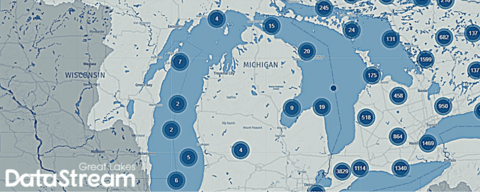
A new open-access website for sharing water quality data from the Great Lakes and Saint Lawrence Basin has been released.
Great Lakes DataStream advances collaborative freshwater protection by bringing people and data together. The site already contains seven million data points and includes dozens of parameters—ranging from temperature to metals and nutrients. Data on Great Lakes DataStream has been shared by a wide range of water monitors from across Ontario and Quebec, including community groups and Conservation Authorities, as well as federal and provincial governments.
Agricultural Water Futures has just released a new public-friendly report that provides a glimpse into the progress the project has made during the first phase of study (2017-2020).