
Michela travelled to Gamboa, Panama to research the social biology and animal behaviour of a tropical bat species. With the assistance of an International Experience Award, Michela was able to study a behavioural phenomenon that is seen in temperate bats around the structures where they sleep during the day and extend that research to tropical bats.
Michela chose to travel to Panama to do research with the Smithsonian Tropical Research Institute (STRI), which is a leading institution for animal behaviour in Central America. “The institute located in Gamboa has a cognitive and sensory ecology lab, under the supervision of Dr. Rachel Page, which has a branch that works to improve our understanding of tropical bat behaviour! I chose to conduct this research in Dr. Page’s lab because she is a leading expert in bat ecology and animal behaviour.”
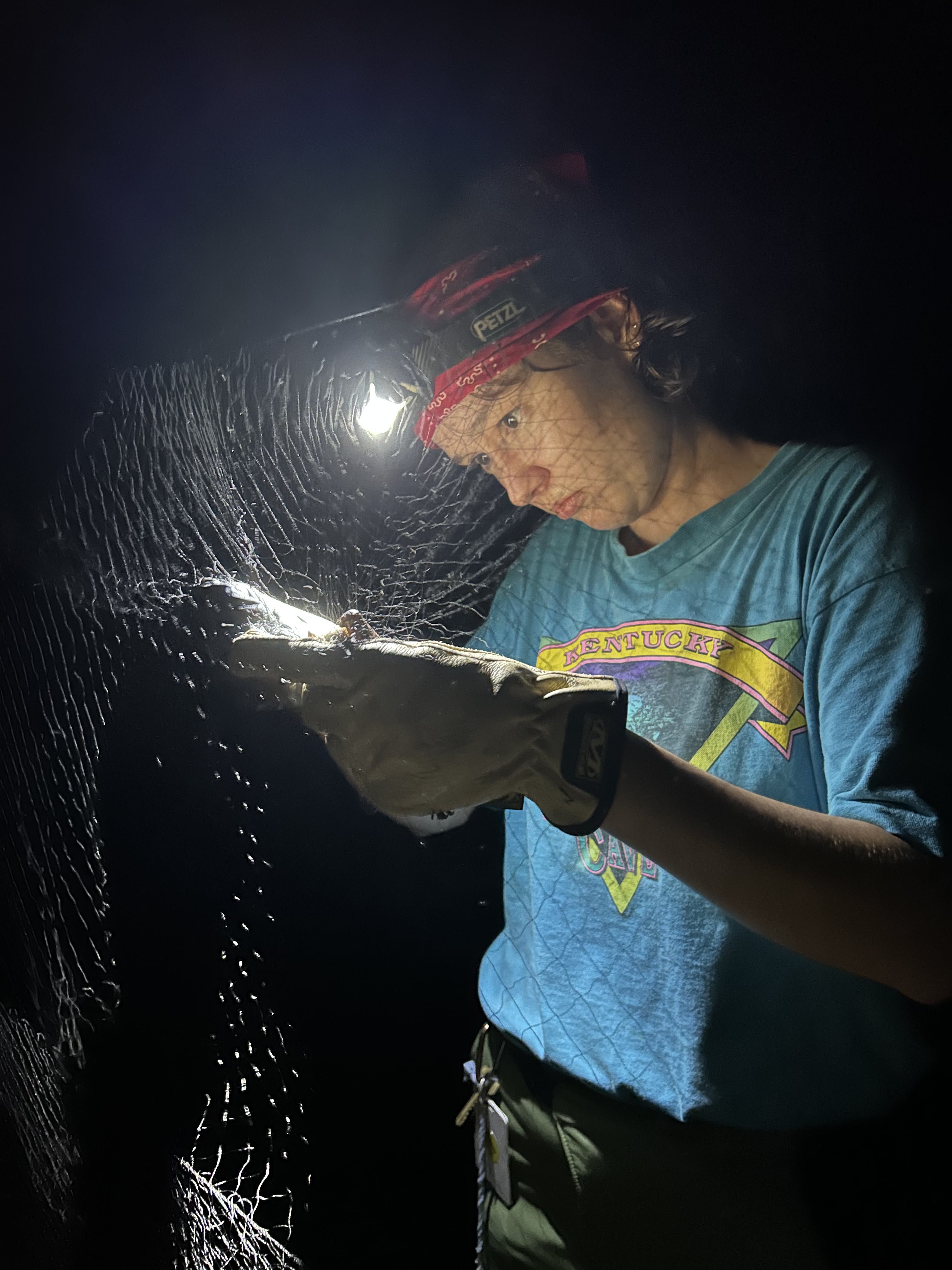
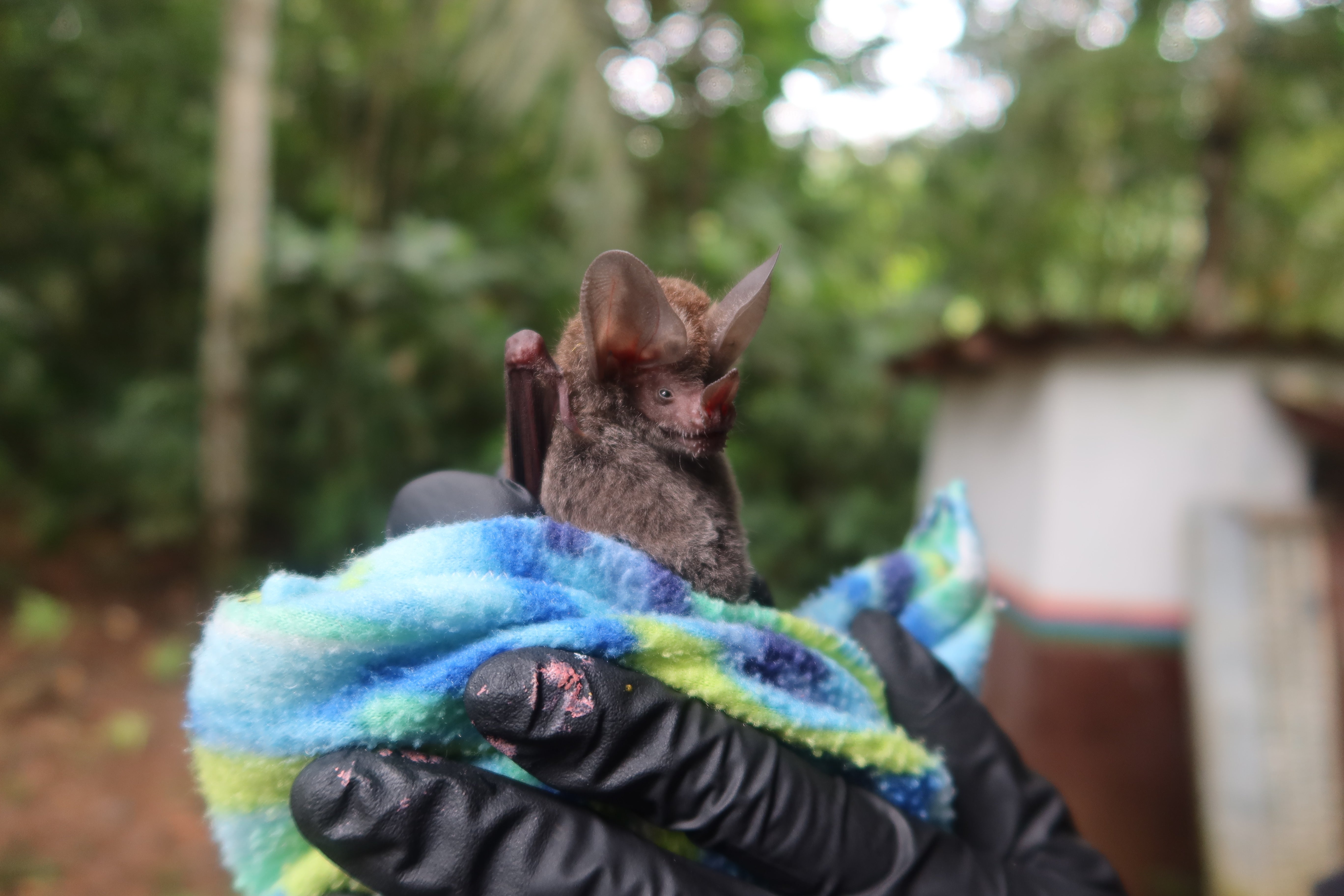
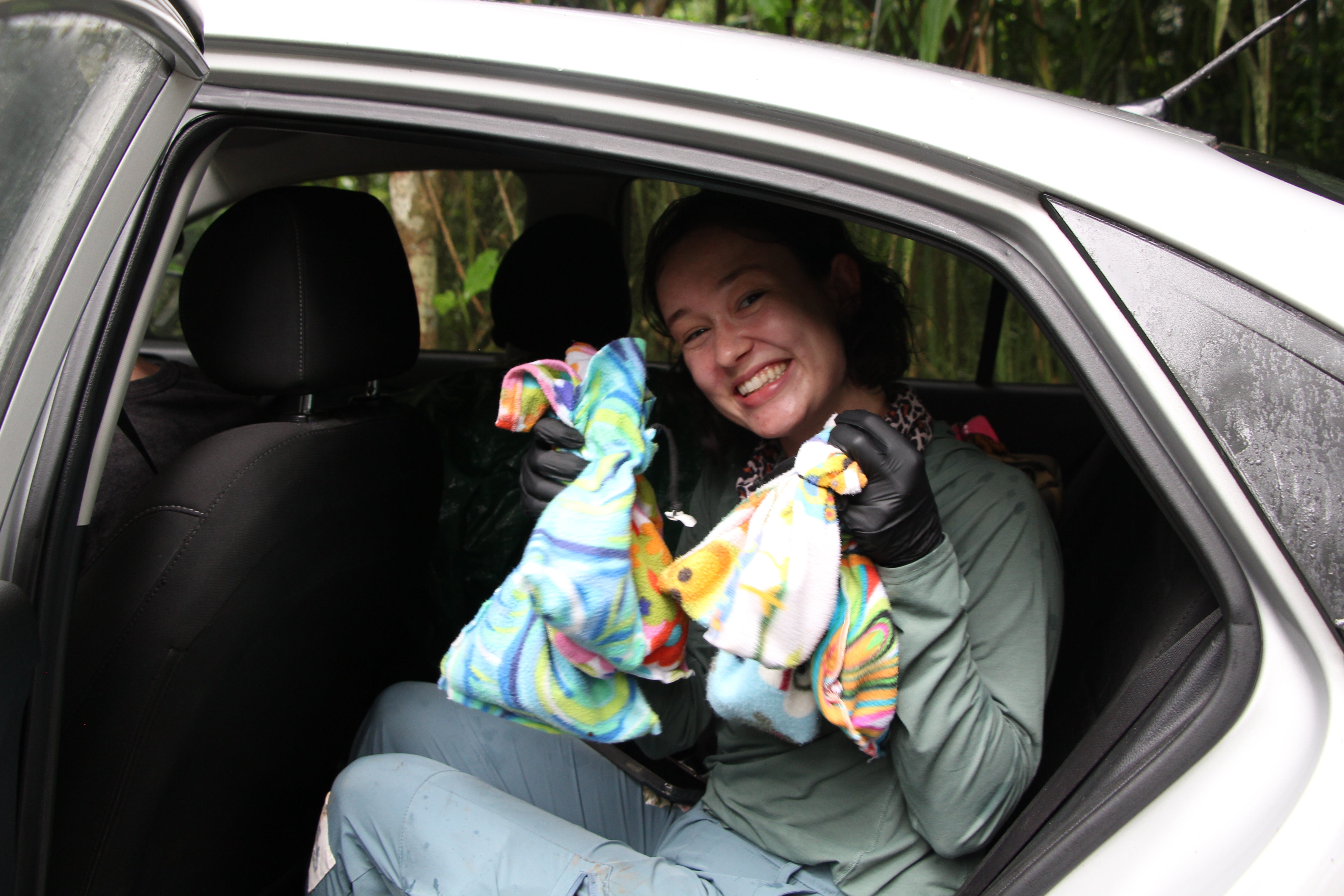
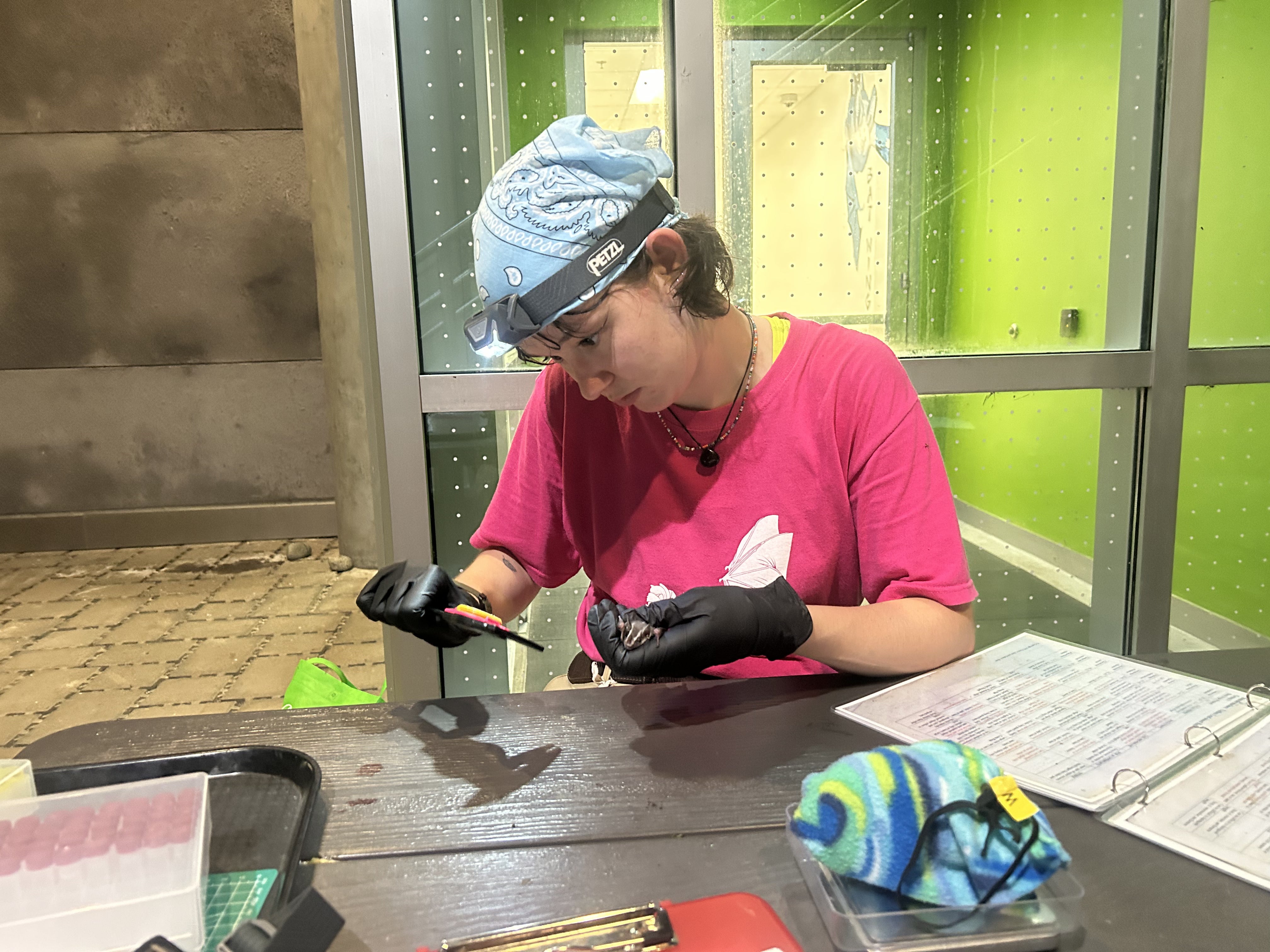
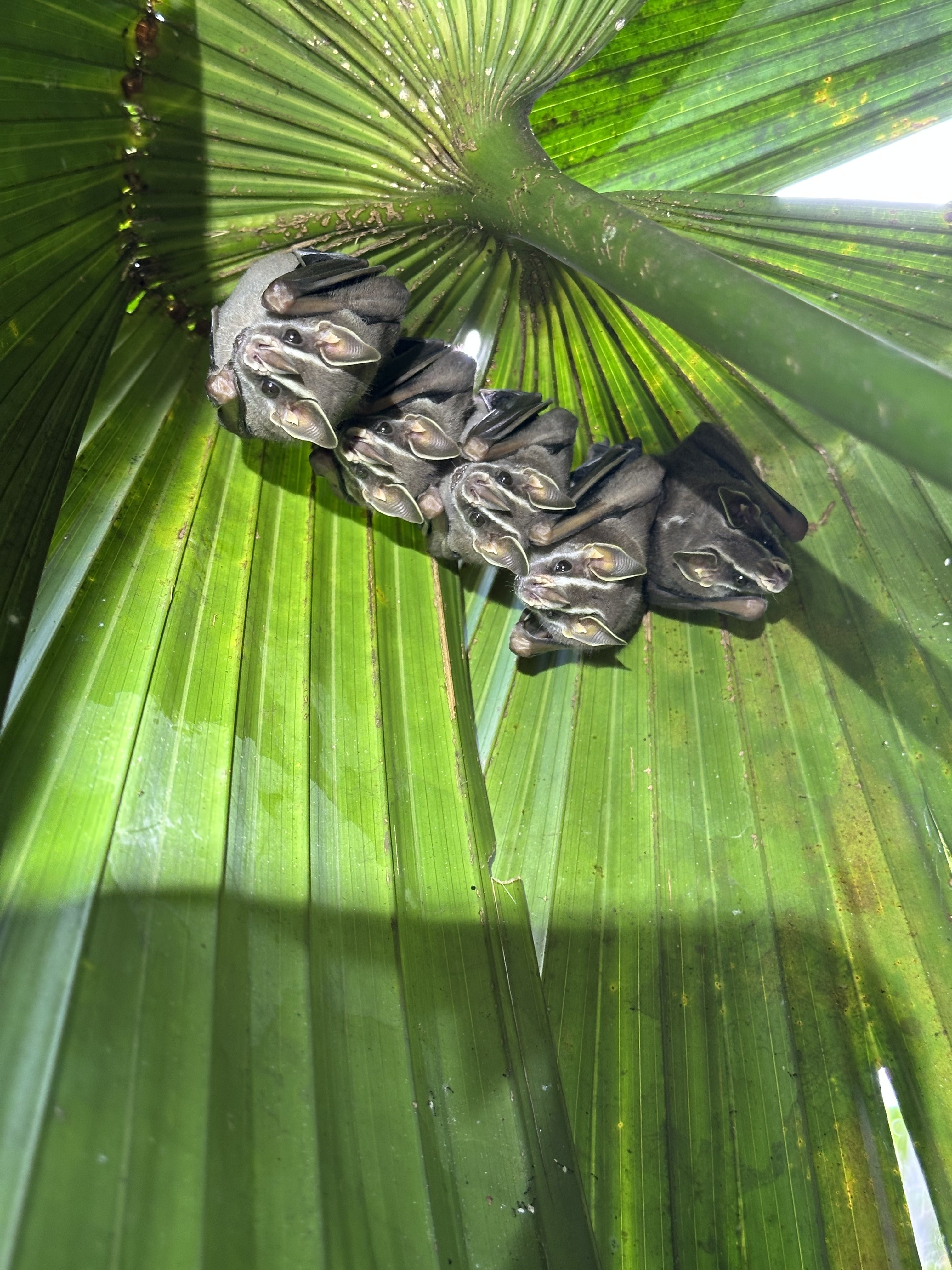
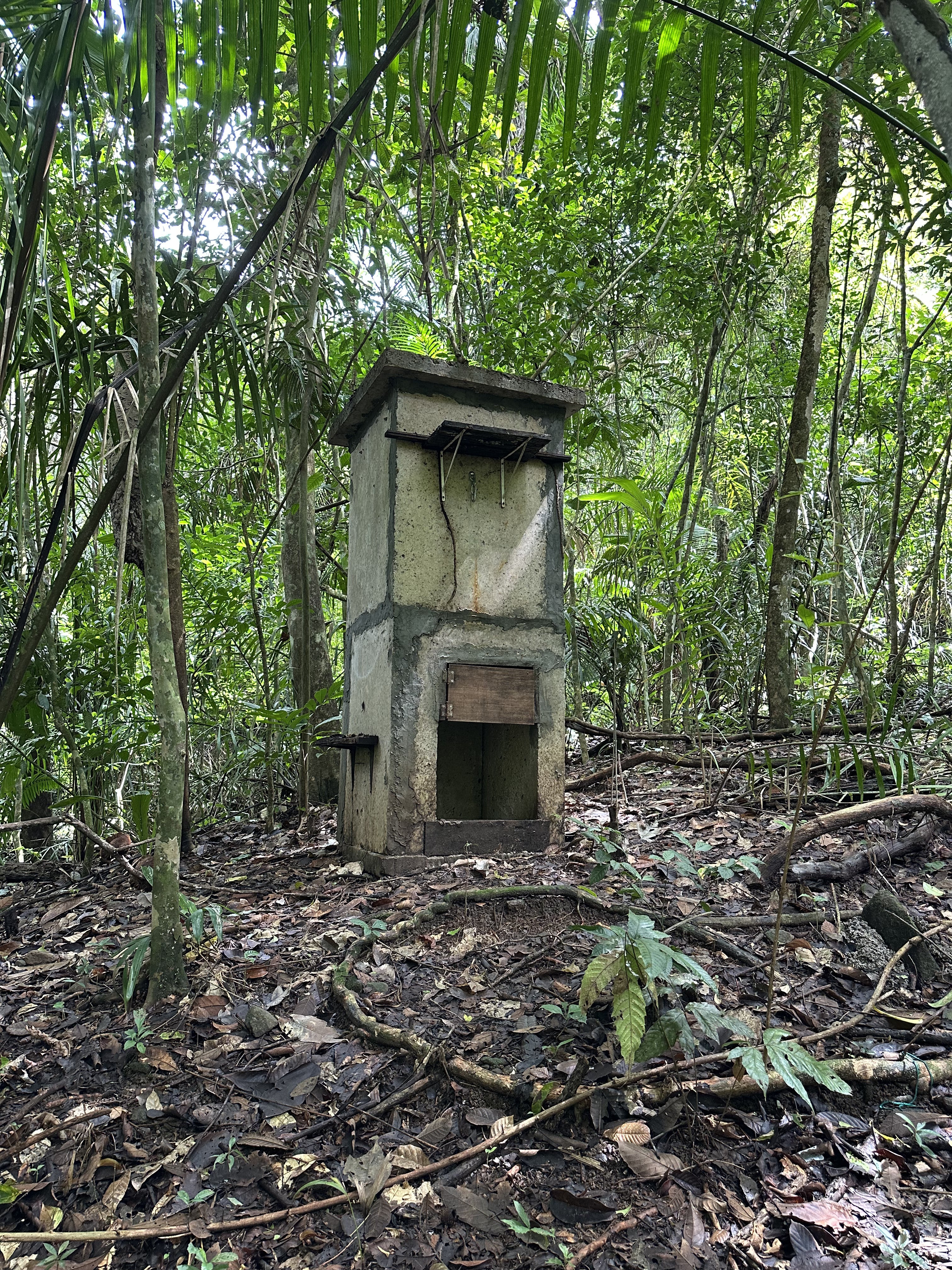
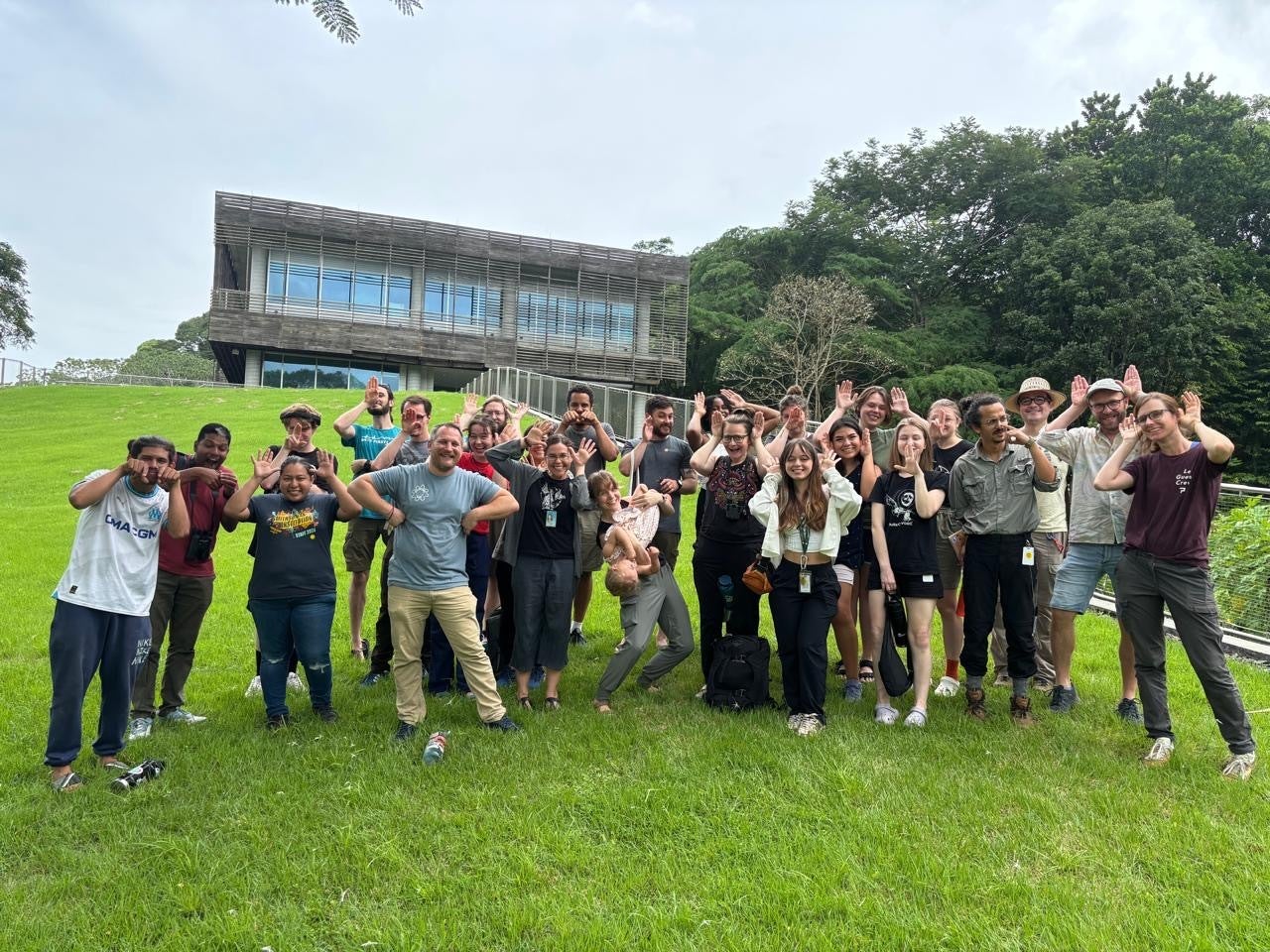
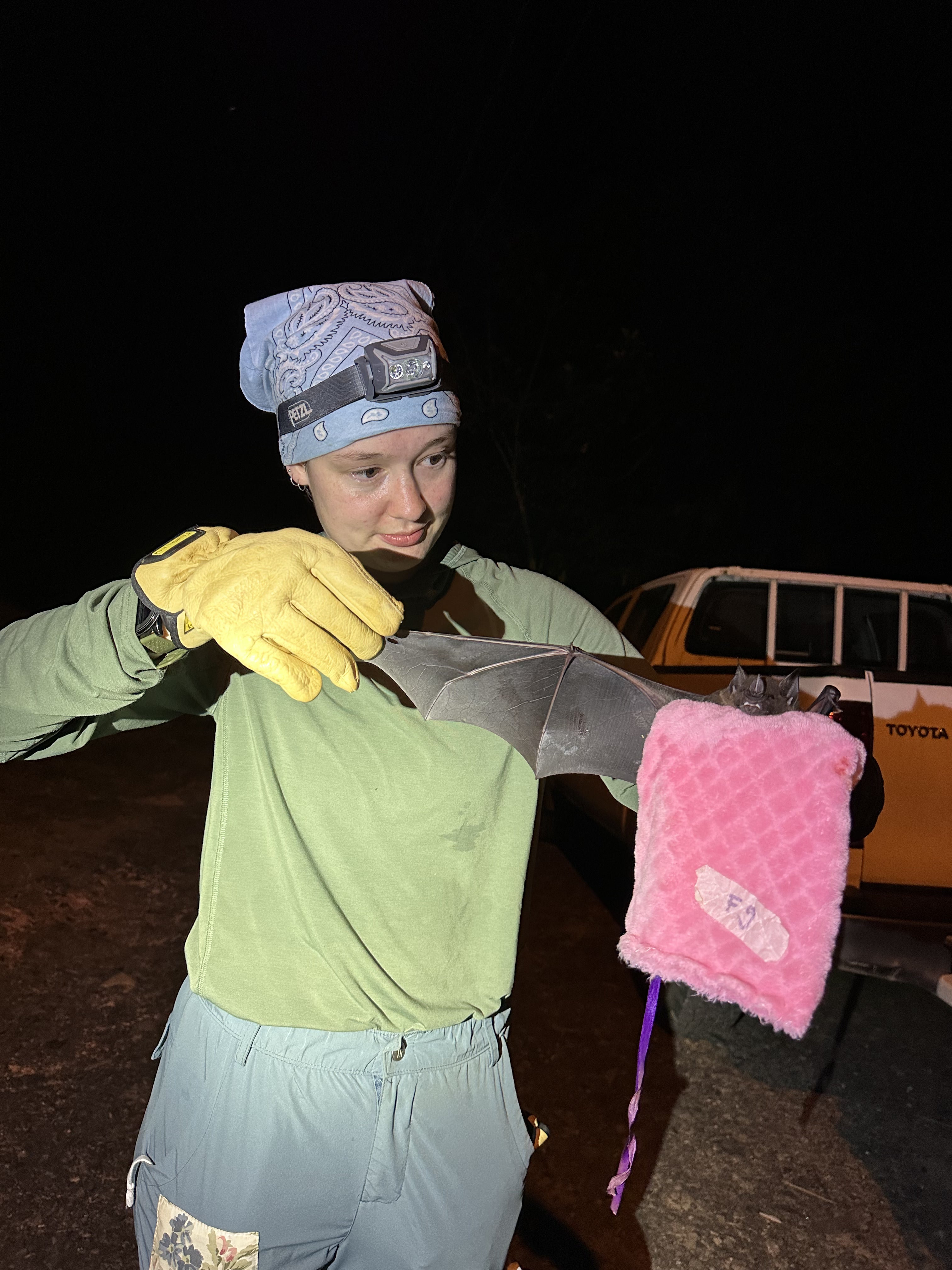
By travelling to Panama, Michela was able to collaborate with other researchers in her field and gain experience with different kinds of technology. “Through this experience, I was able to meet and collaborate with incredible researchers in my field of research, animal behaviour and behavioural ecology. Working at the STRI granted me exposure to new methodologies used in a new lab environment, ecosystem type, and with many different species. This opportunity allowed me to formulate new ideas for my future research path and grow as a scientist! Working in Dr. Rachel Page's lab environment allowed me to build international collaborations with researchers directly in my field, and outside it. I established a new research program under Dr. Page, exploring the collective behaviour of the frog-eating bat, (Trachops cirrhosus). I used a combination of thermal and infrared cameras, microphones, and Radio Frequency Identification (RFID) technology to monitor populations of this bat species to better understand their social tendencies, hoping to extend this to more species in the future.”
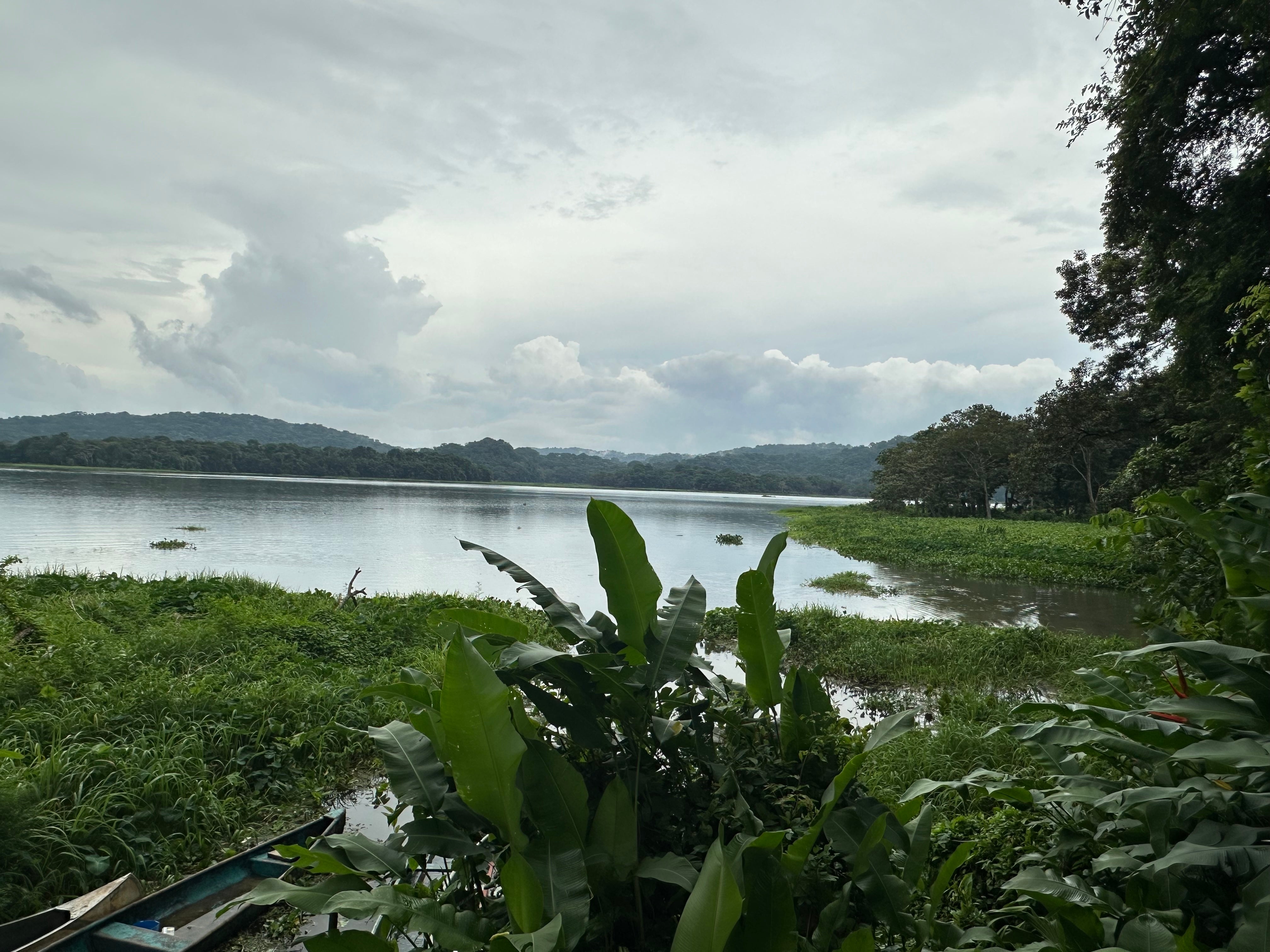
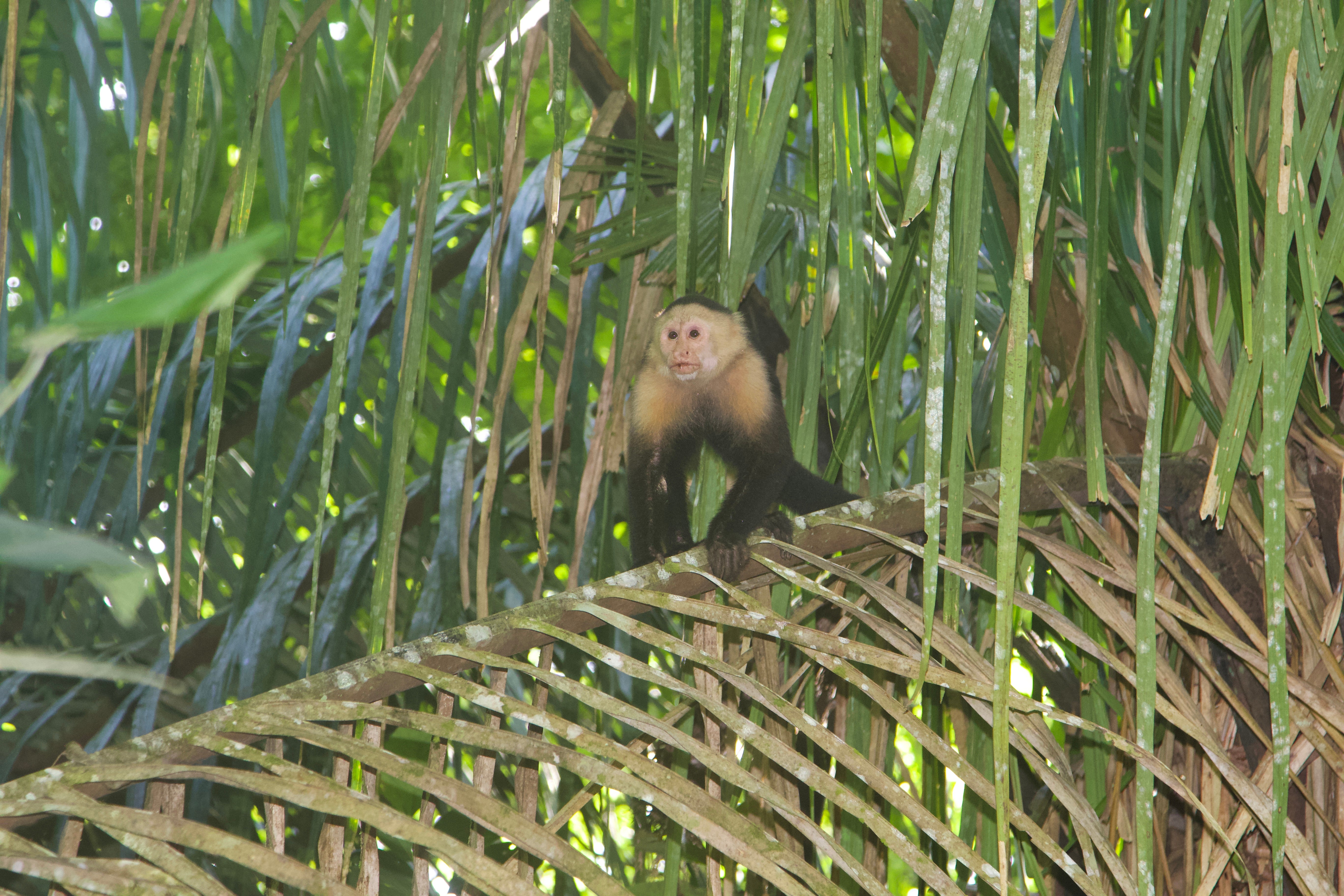
Michela’s favourite part of the experience was seeing a whole new kind of ecosystem and biodiversity. “This was my first time experiencing a truly tropical environment and the tropics are a hotspot of biodiversity! It was incredible to see so many different species, especially so many different bat species. Gamboa, the town where I was located for my time in Panama, is surrounded by the Panama Canal on one side and lush rainforest on the other. Some highlights of species I encountered were howler monkeys, vampire bats, capuchin monkeys, motmots, two-toed sloths, and margays. Species of the tropical rainforest are amazing, and seeing them in person for the first time was an experience I will never forget.”
Michela encourages other students to pursue an international experience: “It is a big world out there with countless people doing really incredible things. Whether that be research or not, exploring opportunities outside of your home university helps change your perspective and provides an opportunity to do work that is really interesting and impactful.”


Graduate Student International Experience award funds are available to University of Waterloo graduate students who participate in:
- An academic exchange
- A study term abroad related to research or an academic requirement
- Work or volunteer experience in another country