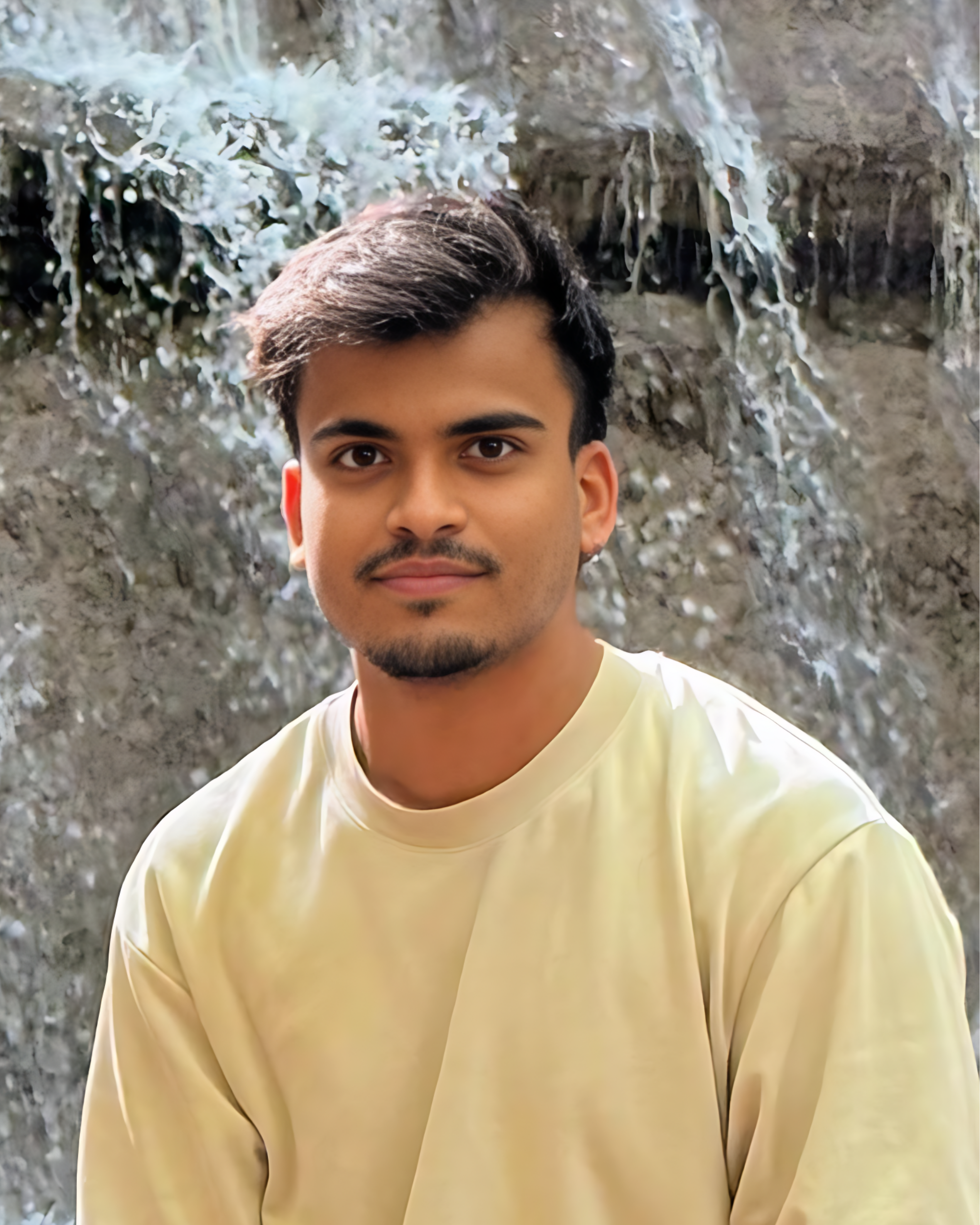
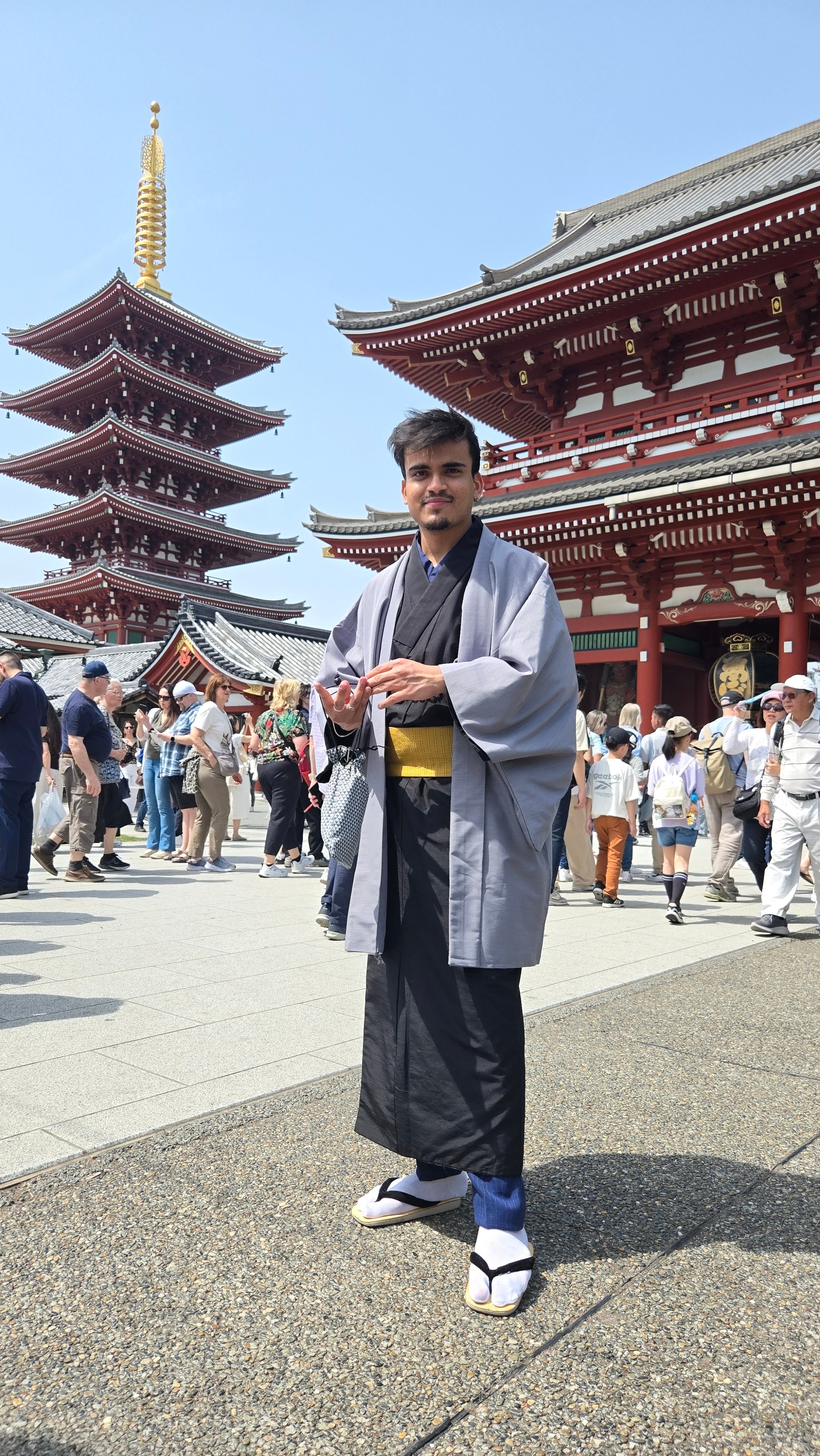
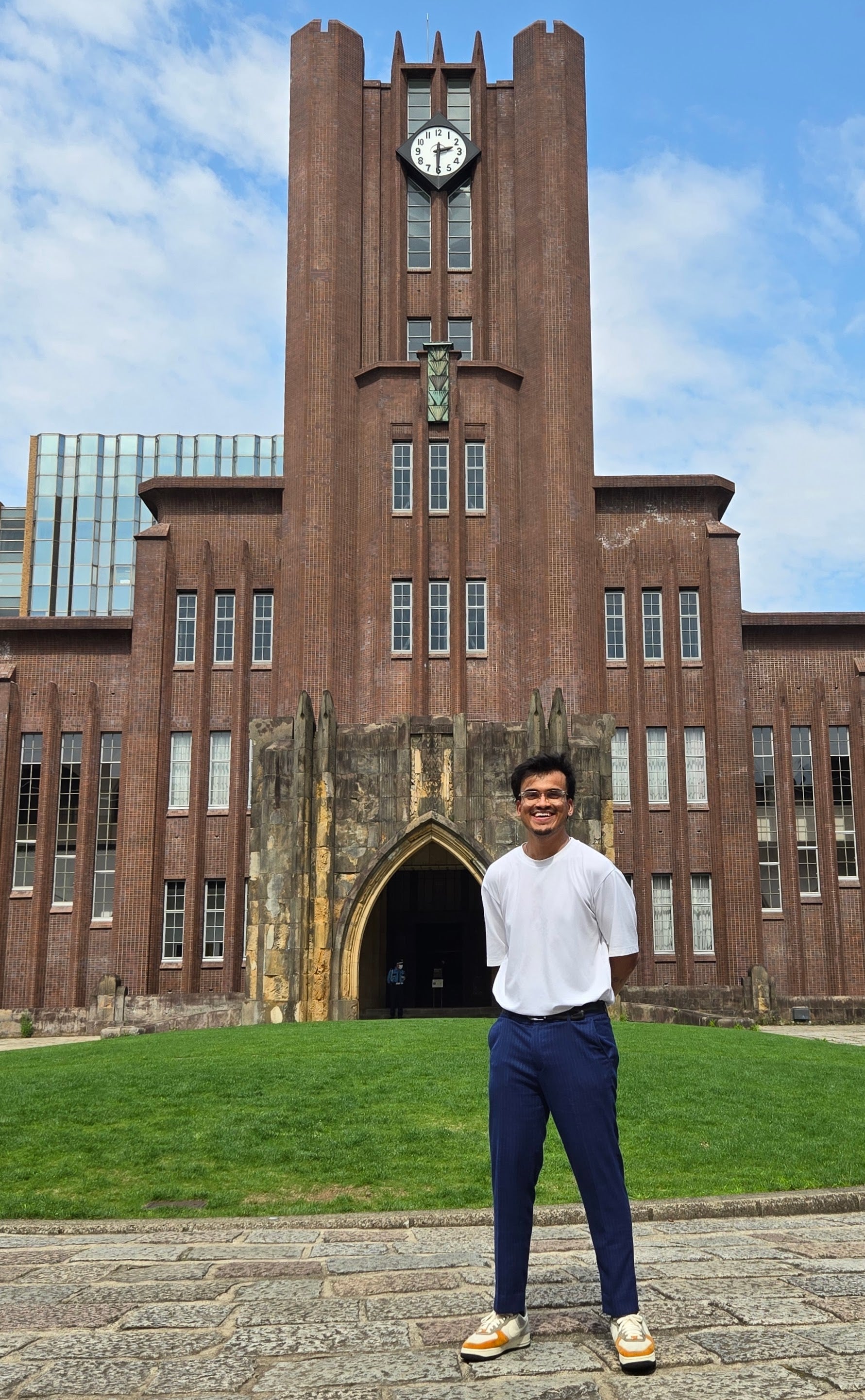
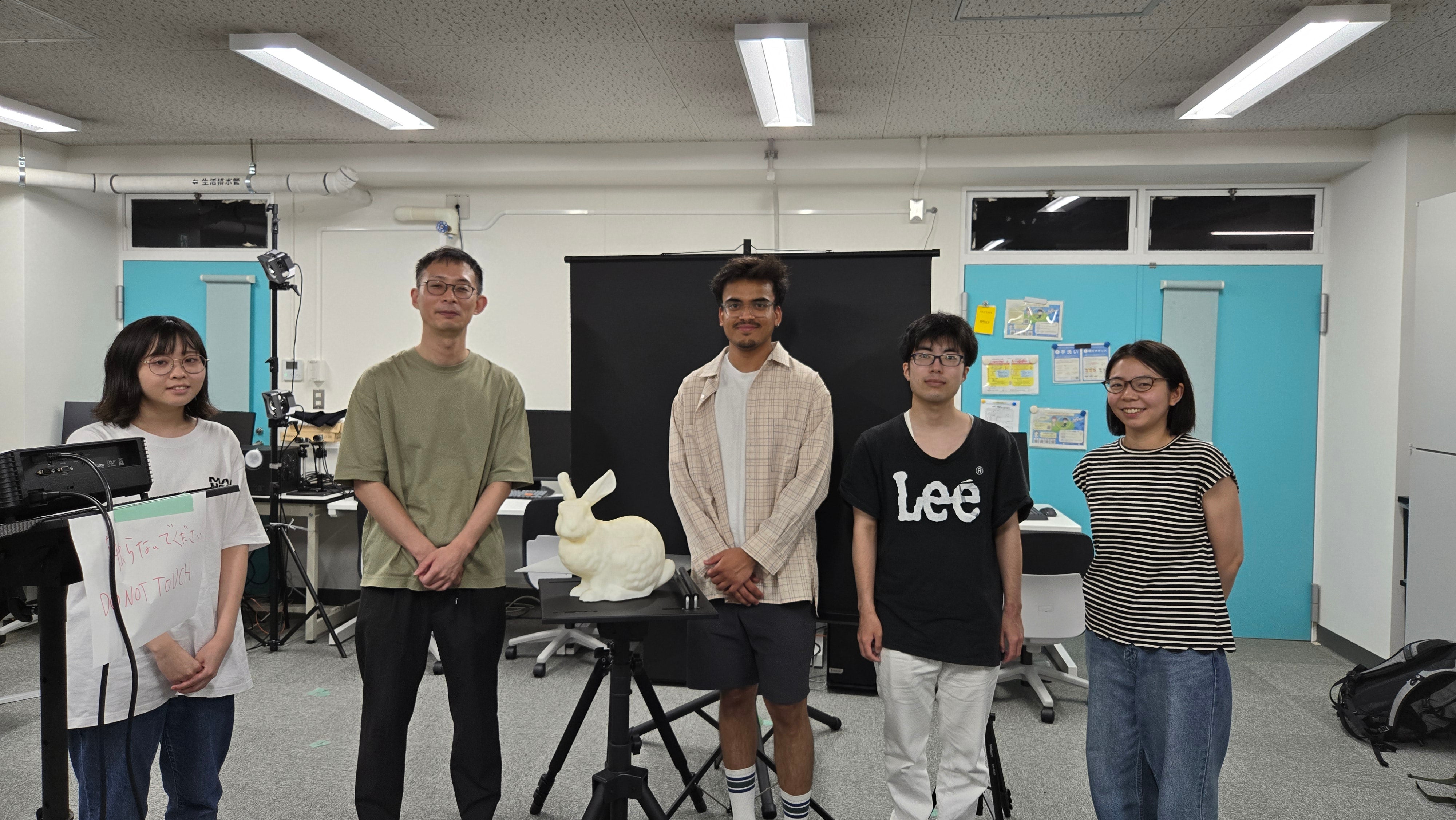
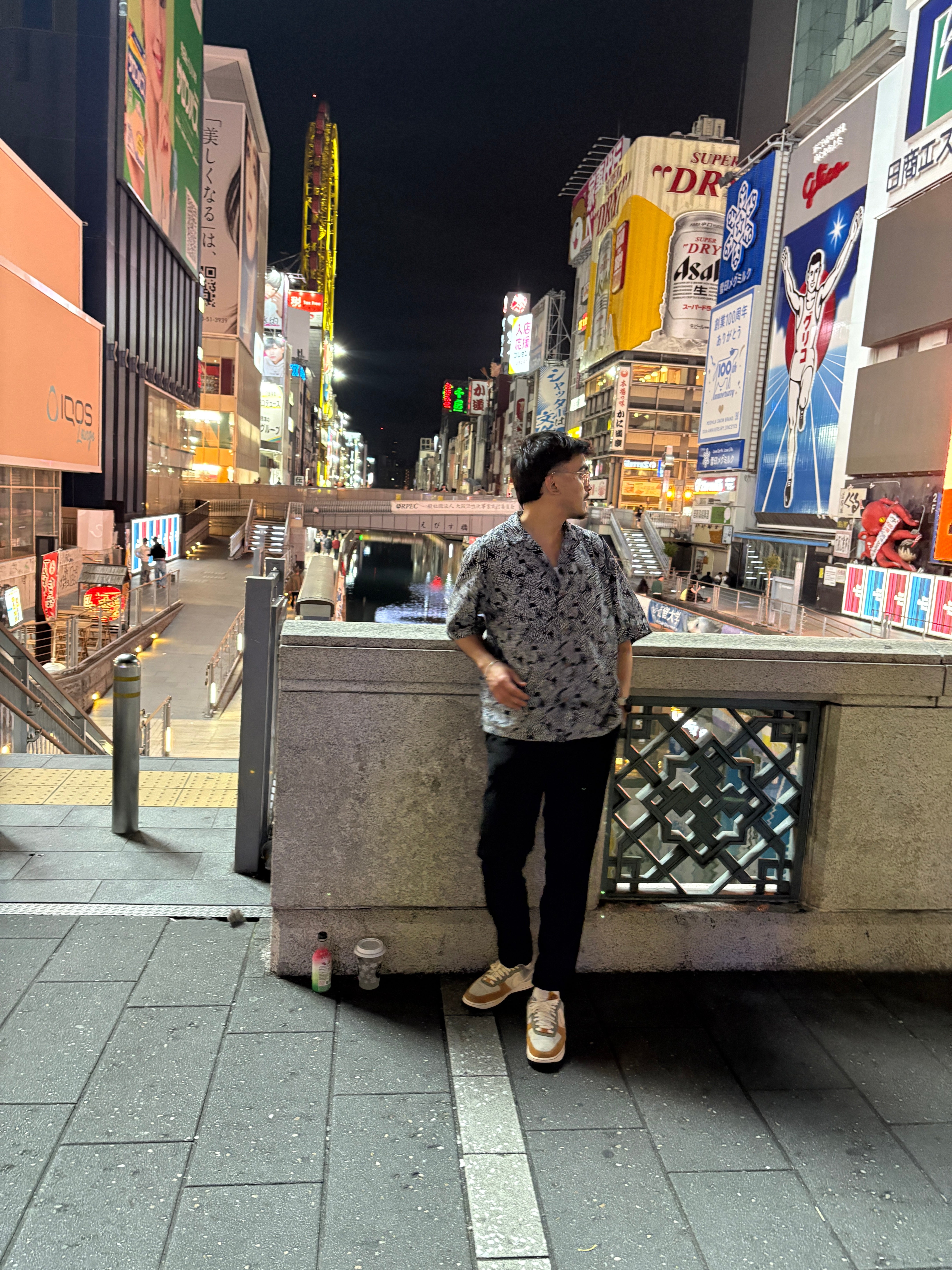
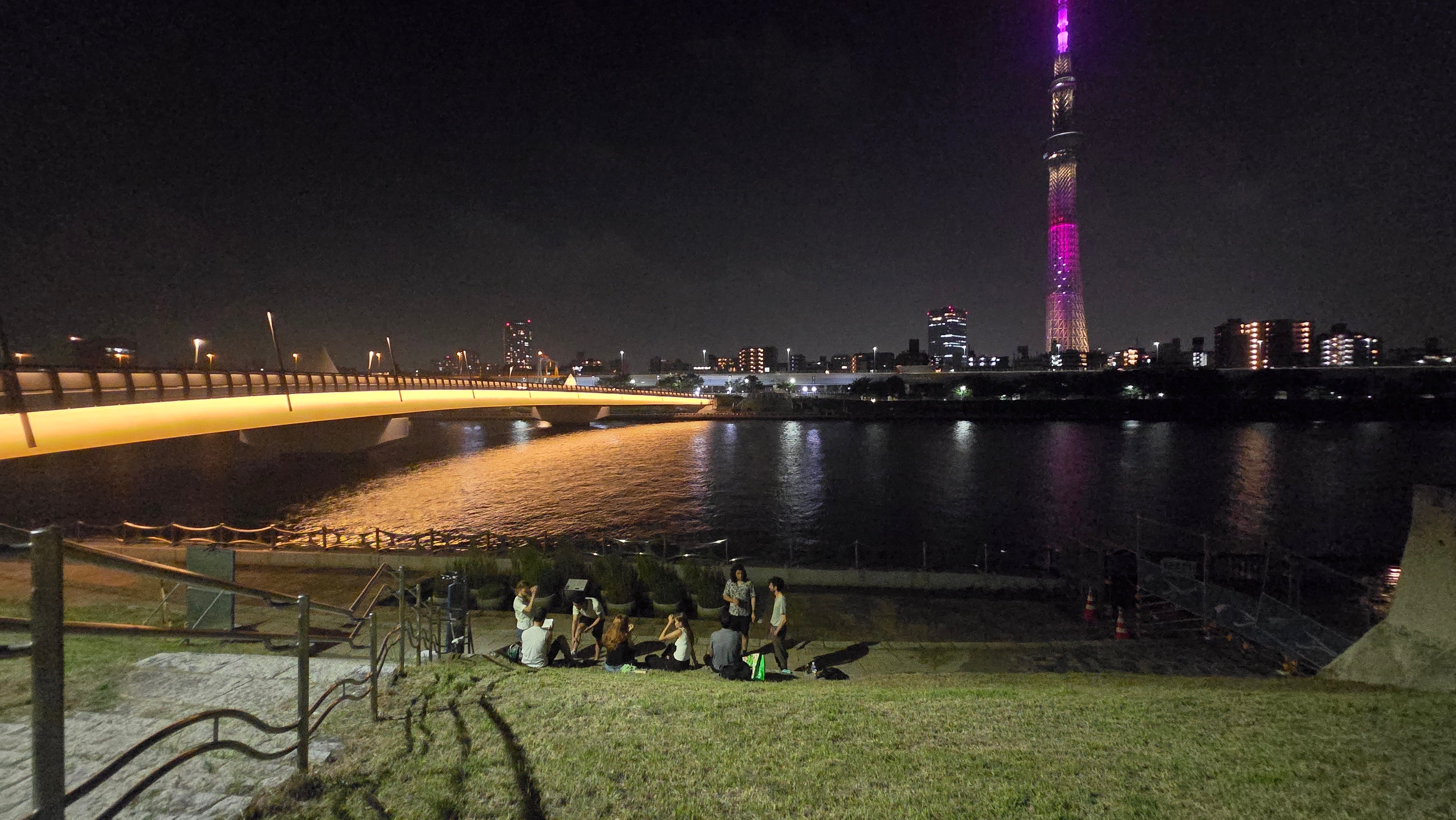
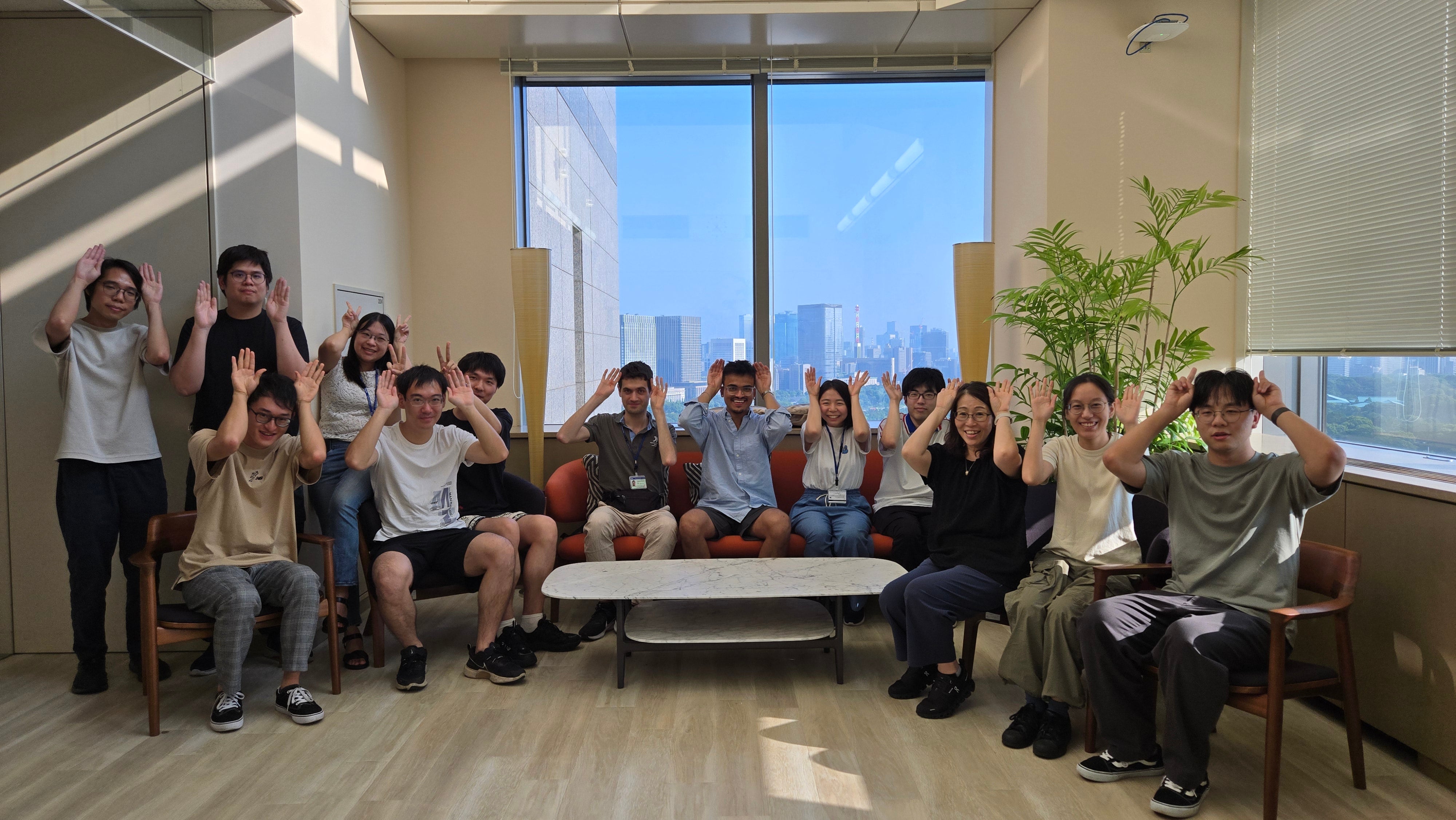
Rishabh Bajaj travelled to Toyko, Japan to do research at the the National Institute of Informatics. Supported by an International Experience Award, Rishabh was able to access world-class resources and collaboration opportunities that aligned with his research in interdisciplinary work in 3D vision and image processing. “Japan provided the perfect backdrop and opportunity for my multidisciplinary research. Having lived in Tokyo for four months, I can confidently say that if there’s any place that has embraced modernity while preserving its rich culture and traditions, much like the goal of my PhD, which combines computer vision technology with traditional civil engineering inspection methods, it’s Japan.”
“Professionally, it was incredible to collaborate with world-renowned professors and scientists. Working in an environment so different, culturally, technologically, and academically, both from both Canada and India (where I’m originally from) helped me, ‘zoom out.’ It’s easy to get stuck in the day-to-day grind, obsessing over minor details, but this experience reminded me to step back and see the bigger picture. On a personal note, it was a major win against my imposter syndrome. Working alongside some of the best minds in the world and realizing, ‘Hey, I can actually keep up’, that was deeply reassuring.”
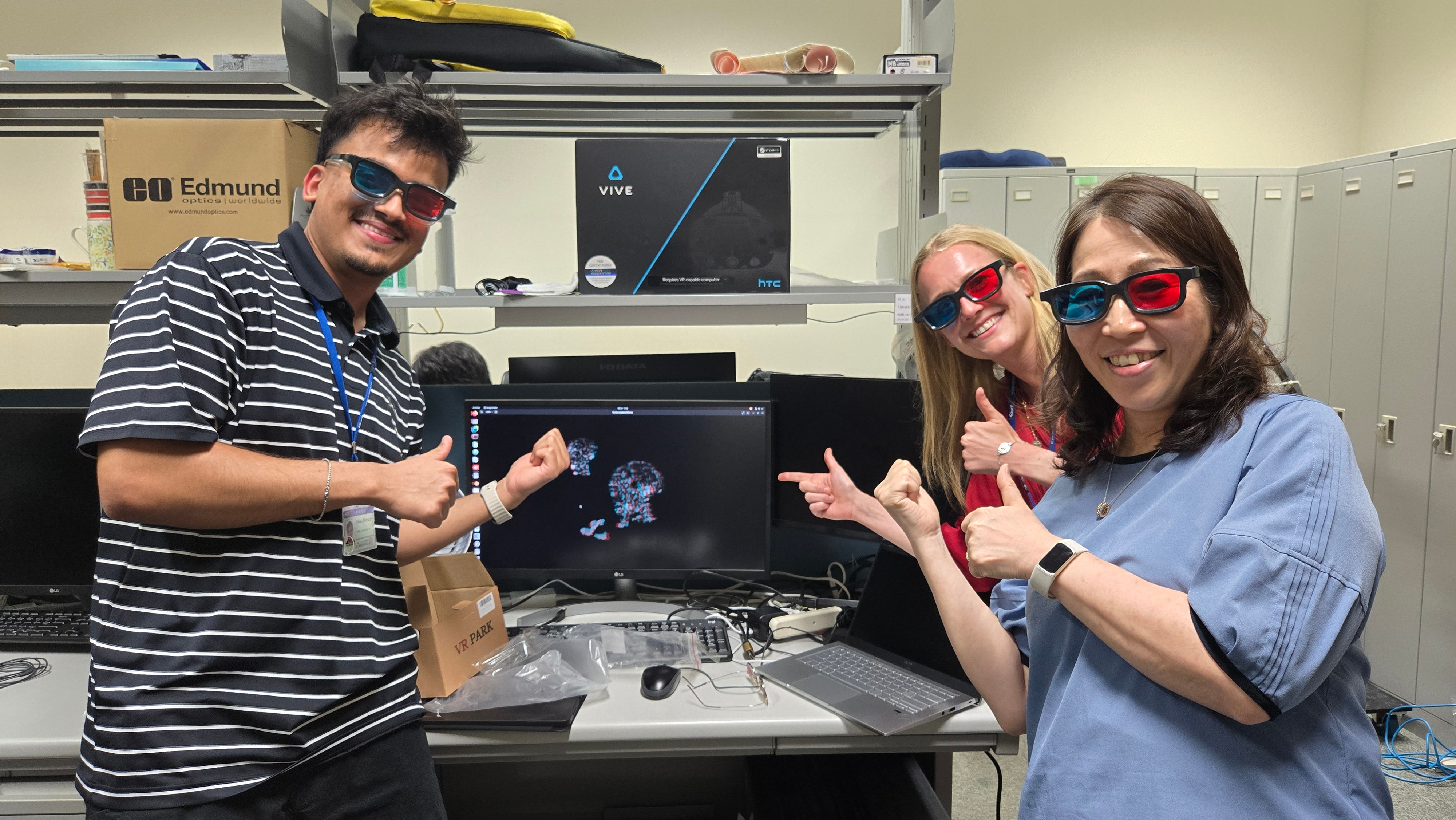
“I worked on using transferable skills I learned during my time at Waterloo to apply the Gaussian Splatting method to use in X-ray imaging, projection mapping, and creating multi-modal digital twins. I delved deep into neural rendering, Gaussian Splatting, computer vision for medical data, and 3D reconstructions. In other words, I used artificial intelligence to produce realistic X-ray 3D images which could be projected onto the subject and visualized using 3D glasses, much like when we watch 3D movies in theaters. This technique can improve depth perception instead of looking at the X-ray image on a computer screen and potentially improve medical diagnosis, proving that the fundamental principles of 3D vision developed for civil engineering have impactful applications across diverse fields like medicine.”
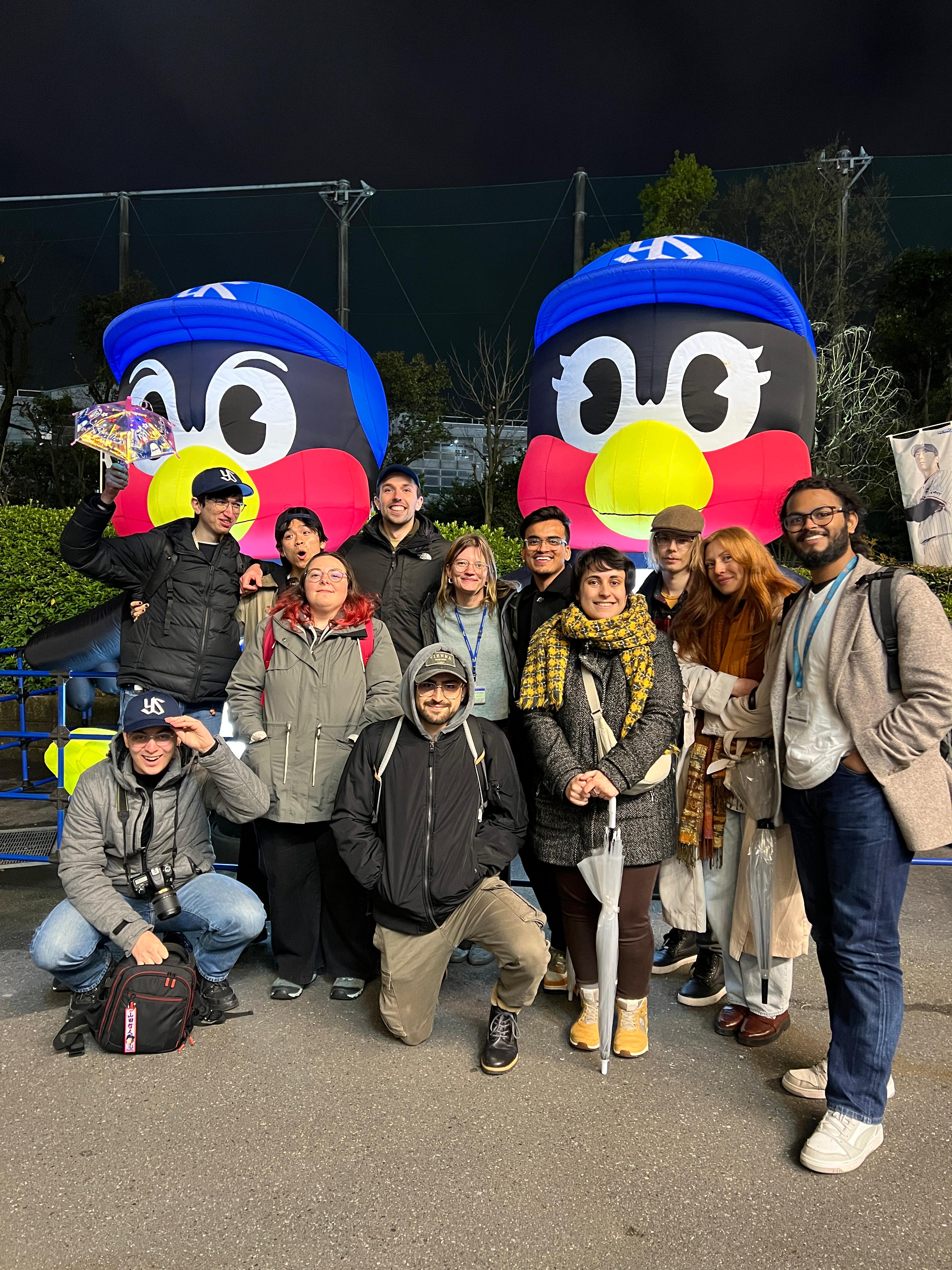
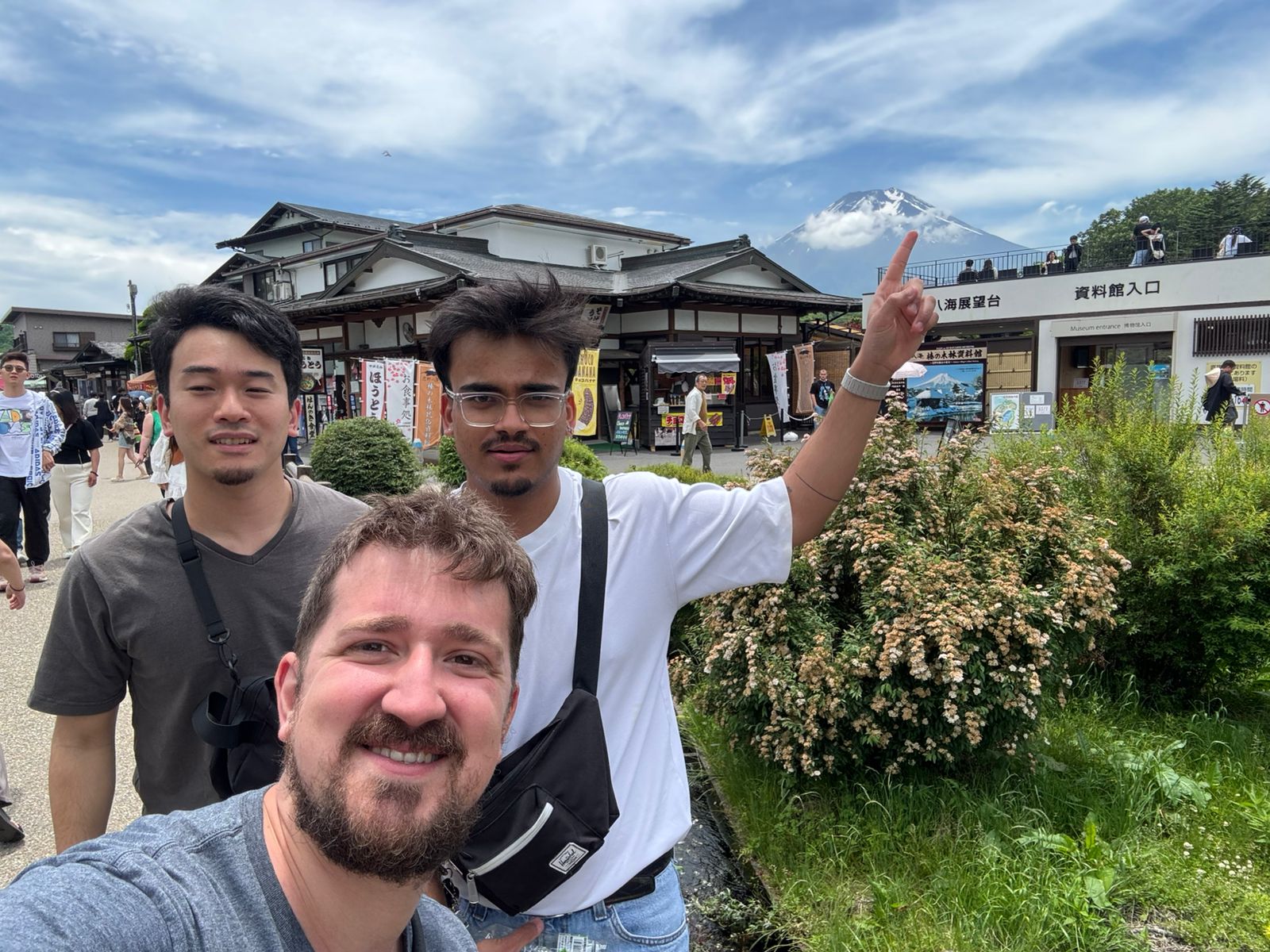
Rishabh’s favourite part of travelling to Japan was making friends with people from all over the globe and experiencing a new culture. “Navigating daily life in the world’s largest metropolis, with language barriers, endless train lines, and the constant temptation of all the sashimi I couldn’t eat because I’m vegetarian, was quite the adventure. Somewhere around the halfway mark, when I finally started feeling a tiny sense of belonging, it all clicked. The cultural immersion, the shared 'lost-in-translation' moments, and the laughter that came with it built friendships I’ll carry long after the research is done.”
Rishabh shares his advice for getting the most out of an international experience: “Go for it and embrace the discomfort. Travelling abroad for research, especially an intensive one like NII’s internship, pushes you to see both your work and yourself in a completely new light. You’ll be forced out of your comfort zone, but that’s exactly where the magic (and the growth) happens.
Here are my top three tips:
1. Be a cultural sponge: Don’t just stay in the lab. Explore, get lost, learn a few phrases in a foreign language (trust me, “sumimasen” can save your life), and take in the blend of tradition and tech.
2. Network beyond your project: Your fellow interns are your future collaborators, co-authors, or even job references. Build real friendships it makes both research and ramen nights better.
3. Use it to fight imposter syndrome: When you realize you can hold your own among some of the world’s best researchers, that nagging voice of doubt starts to fade. Every challenge you overcome abroad is proof that you belong.”



Graduate Student International Experience award funds are available to University of Waterloo graduate students who participate in:
- An academic exchange
- A study term abroad related to research or an academic requirement
- Work or volunteer experience in another country