


Integrating Environmental Water Research Across Multi Scales and Disciplines
Water is our most precious natural resource. All human activities, from agriculture and industrial processes to domestic uses, depend on water of sufficient quantity and quality. This is also true for natural ecosystems. In contrast to highly visible water quantity stressors, such as flash floods and prolonged droughts, changes in water quality are often more gradual and more difficult to detect, and their cumulative impacts more difficult to predict and manage. Water quality deterioration, however, poses more pervasive and chronic risks to the economy, human health and the ecological life-support systems of the planet.
Water quality degradation is a global phenomenon. In Canada, for example, harmful and nuisance algal blooms are a persistent problem for many freshwater bodies, including the iconic Laurentian Great Lakes, while many of our First Nations communities still live under drinking water advisories. Globally, awareness is also growing that climate change adaptation must be an integral part of planning and implementing effective water management policies and practices.
For general inquires about the Ecohydrology Research Group, please email ecohydrology@uwaterloo.ca.
News
Philippe among the 18 inaugural De Chastelain Scholars
The Ireland Canada University Foundation (ICUF) has announced the inaugural De Chastelain Scholars. This program is named in honour of General John de Chastelain in recognition of his pivotal role in the Northern Ireland peace process and supports research that contributes to more peaceful, inclusive and sustainable societies.
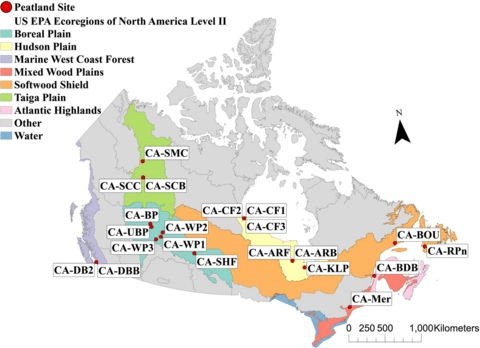
New publication evaluating modeling approaches for estimating net ecosystem exchange in Canadian peatlands
A new paper published in Scientific Reports compiled in-situ carbon dioxide data for 21 peatland sites across Canada, spanning seven ecoregions. With the aim of evaluating the performance of different models in predicting carbon dioxide flux, these measurements were coupled with 32 remotely sensed and gridded hydroclimatic variables.
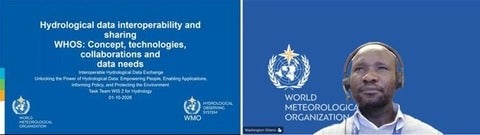
Breaking down barriers to better water data
More than 120 members of the global water community joined an international webinar hosted by the Global Water Futures Observatory (GWFO), the World Meteorological Organization (WMO), and partners to explore hydrological data interoperability and water quality data standards. The event highlighted the importance of collaboration, shared standards, and practical approaches to improving the accessibility and use of water data across organizations and regions.
Events

Urban Water Quality Monitoring Knowledge Exchange Workshop
Join us for a full-day workshop focusing on knowledge exchange and collaboration on urban water quality monitoring.
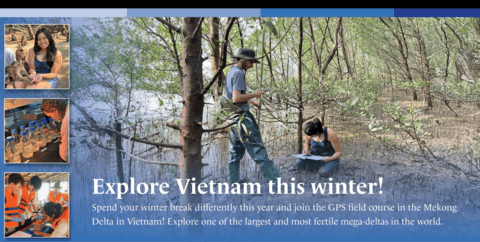
Mekong Delta Field Course: EARTH 490
Spend your winter break differently this year and join the GPS field course in the Mekong Delta in Vietnam! You will learn about the natural processes that created the delta but also how humans have been altering the hydrology, landforms, and ecosystems of the delta.