
From April 27 to May 7, graduate students from the Master of Future Cities (MFC) program stepped away from traditional lectures and landed in Singapore for an intensive international field course. Coordinated by the Future Cities Institute founded by CAIVAN, the trip turned academic theories into a hands-on learning experience, showing students what happens when a city intentionally plans its environment half a century into the future.
If you can do something now, do it now. You might need it in future days.
Because Singapore faces severe geographical constraints, urban planning is a matter of absolute survival. To manage these challenges, the city-state relies on long-term master plans that project 50 years into the future. For our graduate students, it was a masterclass in how cities can stay resilient under pressure.
During the two-week trip, led by FCI Managing Director Eryn Stewart and Dr. Peter Crank, the cohort toured cutting-edge urban environments like the high-tech Punggol Digital District and the city-state’s innovative water management infrastructure. They observed how Singapore avoids building isolated projects, choosing instead to design infrastructure that serves multiple purposes at once. Public transit hubs, vertical green spaces, and public housing blocks are engineered together to combat extreme urban heat, handle flood risks, and keep neighbourhoods connected.
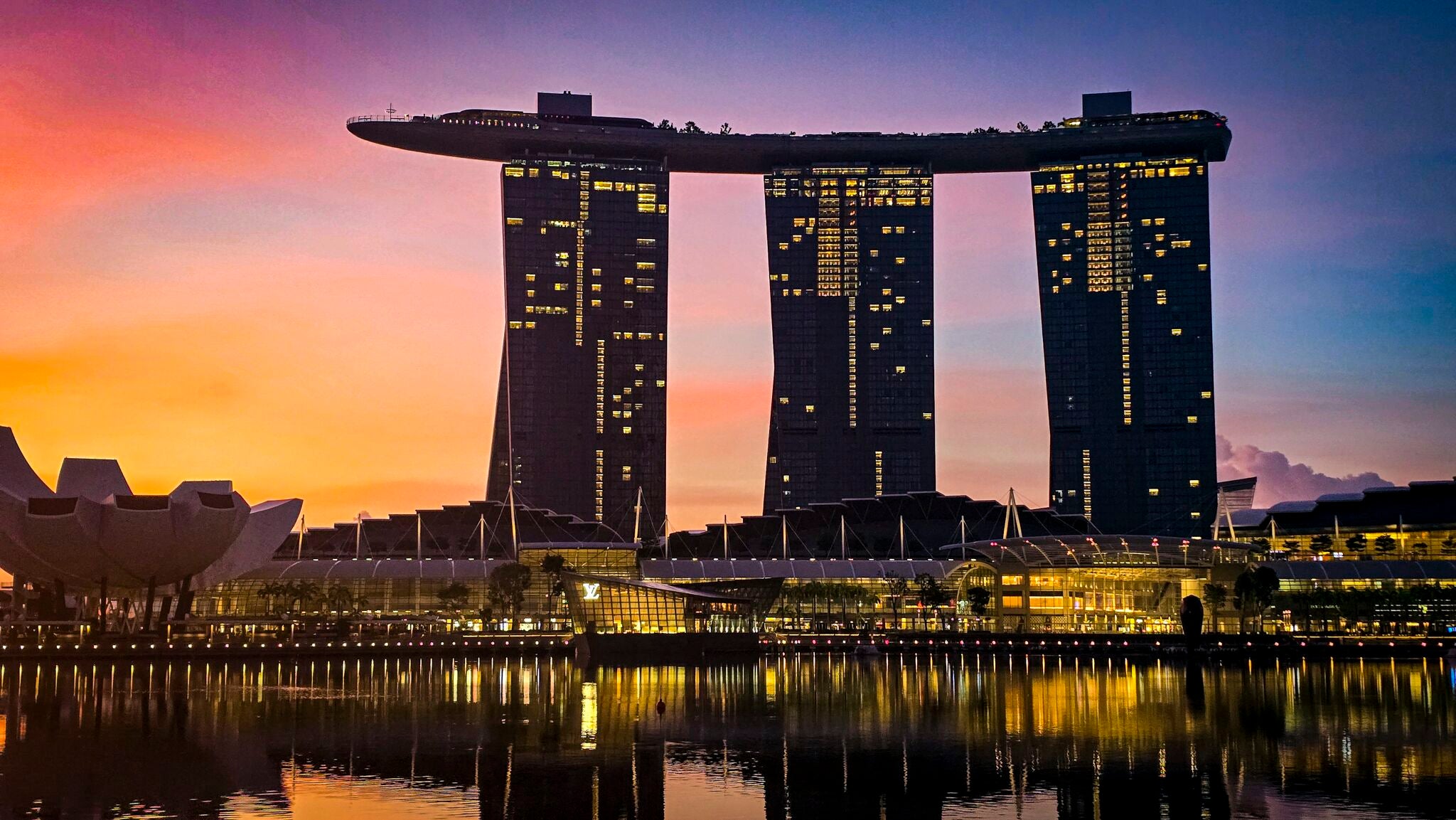
Image Credit: Erick Ortiz via LinkedIn
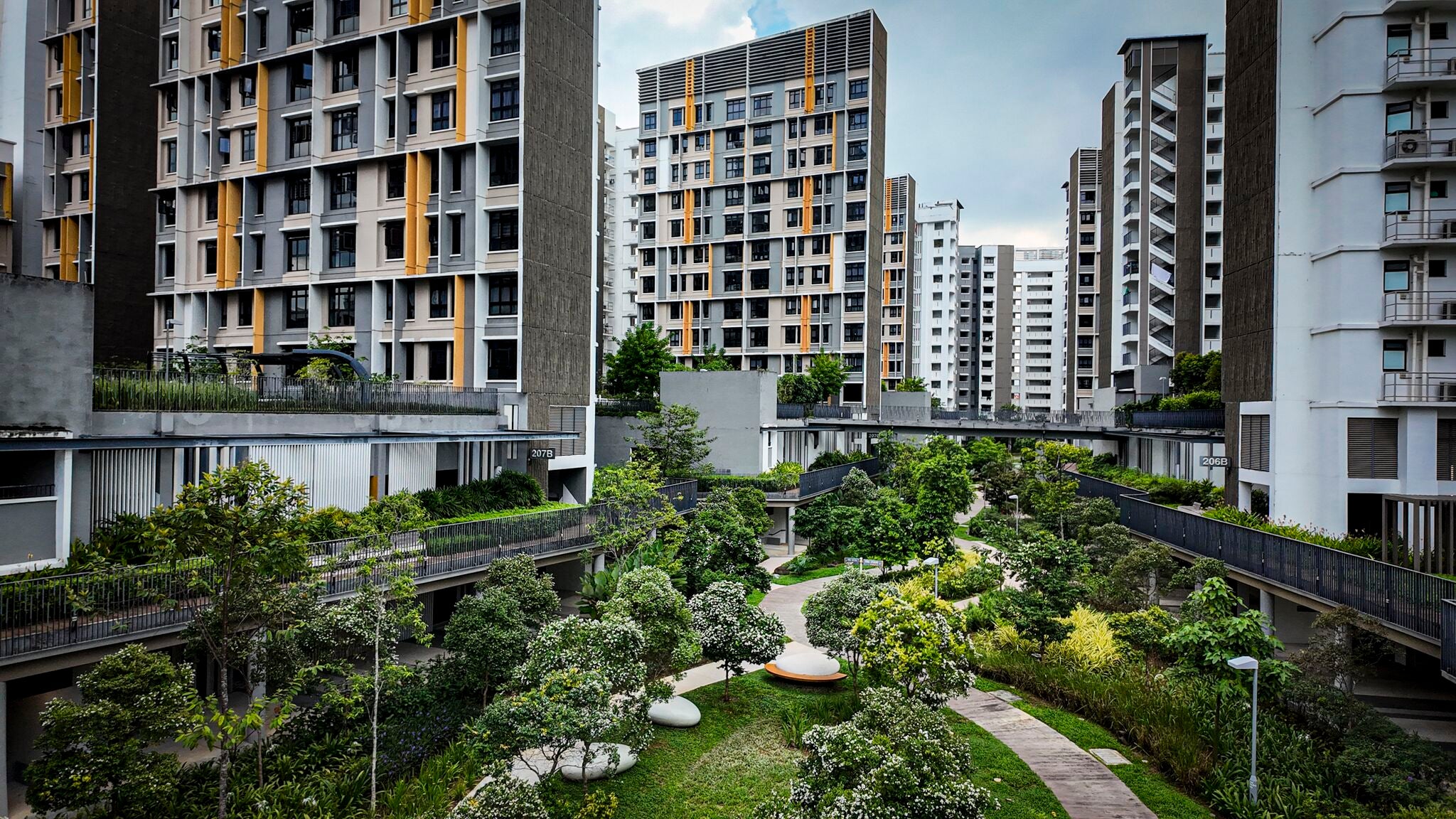
Image Credit: Erick Ortiz via LinkedIn
"The Mass Rapid Transit (MRT) stations, public housing, and parks aren't isolated infrastructure," reflected MFC student Eman Awwad. "They are multi-purpose systems designed to deliver mobility, housing, flood resilience, and climate adaptation all at once... This experience led me to stop asking 'How do we fix this issue?' and start asking 'What future are we trying to achieve?'"
The cohort also explored the interactive digital mapping displays managed by the Urban Redevelopment Authority (URA) of Singapore. These tools give the public the opportunity to digitally model their own neighbourhoods, testing out where to place trees, roads, and transit infrastructure while tracking project costs and community movement patterns.
"The opportunity for individuals to truly understand their city's inner workings was so accessible and engaging," noted student Kendra Fry. "Sitting in the airport, I'm contemplating public spaces and how we create joy, connection, a livable environment, and opportunities for connection for all ages and abilities."
A major highlight for the class was connecting directly with UWaterloo alumnus See-Nin Tan, who serves as the Senior Director of Physical Planning at the URA. Tan met with the students and shared a piece of advice: “Think long term, but be decisive in what you do. If you can do something now, do it now. You might need it in future days.”