Blog

Filter by:

Limit to posts where the title matches:
Limit to posts where the date of the blog post:
Date range
Thursday, August 13, 2015

Churches -- a country tour

Another Ontario heritage anniversary. Forty years ago, in 1975, Marion MacRae and Anthony Adamson published their groundbreaking Hallowed Walls: Church Architecture of Upper Canada.

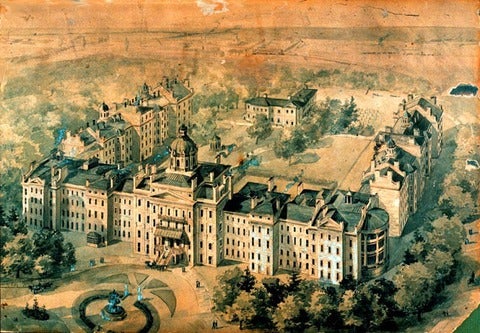
When we looked at the need for policies to protect heritage property owned by the province, we saw that the demolition of the old lunatic asylum in Toronto in 1976 was perhaps a watershed moment (see “Policies for the protection of provincially-owned property (part one)”, from May 31, 2015).

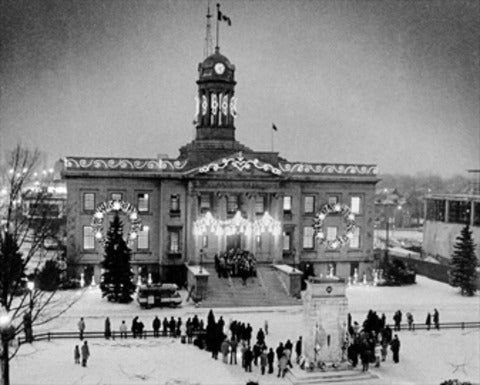
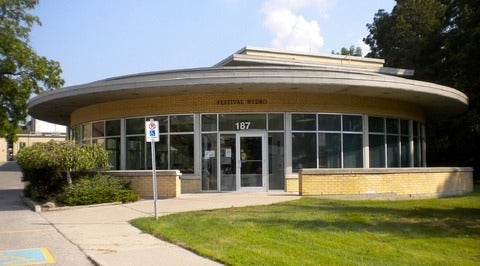
How much of our heritage is in municipal ownership? Think about it — historic city/town halls, libraries, museums, parks, cemeteries (lots!), war memorials. Public Utility Commission (PUC) and like buildings. And most bridges. Don’t forget roads. What else?

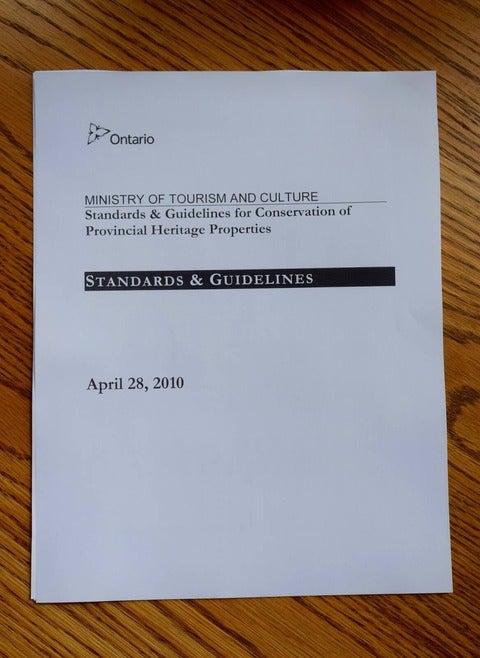
First, before heading on down to the Lake Ontario waterfront, some context. My two previous posts tell the story of how Ontario ended up with a different protection regime for cultural heritage property in the hands of the Crown. Provincial standards and guidelines, developed and made mandatory under Part III.1 of the Ontario Heritage Act, now apply to all provincial ministries, as well as to other “public bodies” prescribed in regulation. To keep things clear, the designation regime under Parts IV and V of the Act does not apply to these public owners.

As we saw last time, the 1975 Ontario Heritage Act made no provision for the protection of provincially owned heritage property. Bilateral agreements had been struck between the culture ministry and a few of the main property-owning ministries and, later, the Crown agency that was created to manage much of the government’s property — the Ontario Realty Corporation. But these arrangements were limited in their scope and certainly in their clout.

Wednesday, May 13, 2015

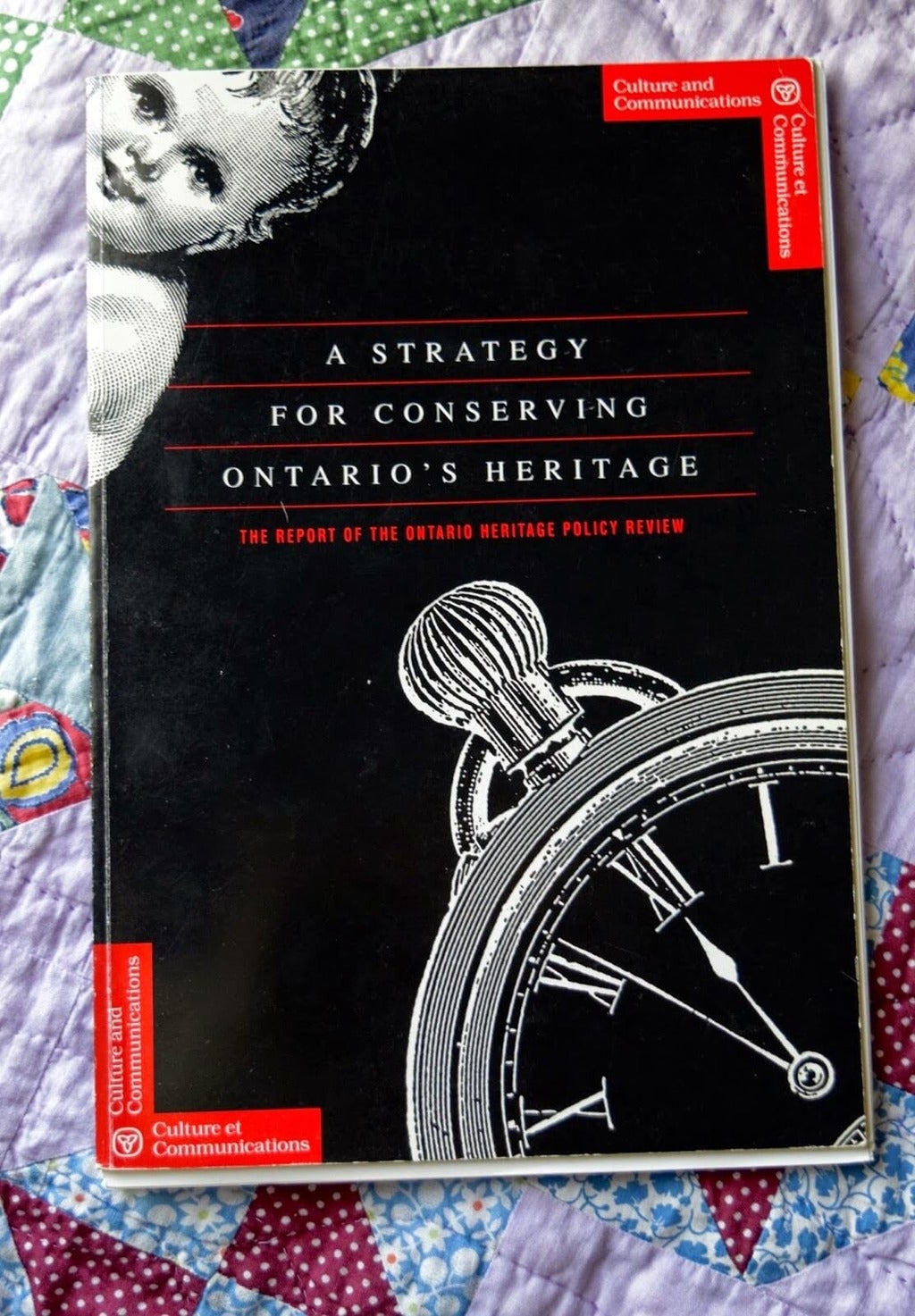
The "black baby book" at 25

The heritage movement in this province has been around long enough now — we should have some good, thoughtful writing about what it is, where it came from and where it’s going. But this seems in short supply. Or maybe it's just hard to find.

Friday, April 24, 2015

PJS, great old sh*t

It's late April and the 2015 Ontario Heritage Conference is coming up fast. This year, it's Niagara-on-the-Lake's turn to host. I was asked to put together an article about it for the local paper, the Niagara Advance.

In writing about Architectural Conservancy Ontario (ACO), as it's now known, which with Community Heritage Ontario first started the Ontario Heritage Conference in 2004, I knew I had to mention Peter John Stokes, who had a very long and close association with both ACO and Niagara-on-the-Lake.