Farmhouse loophole to be closed
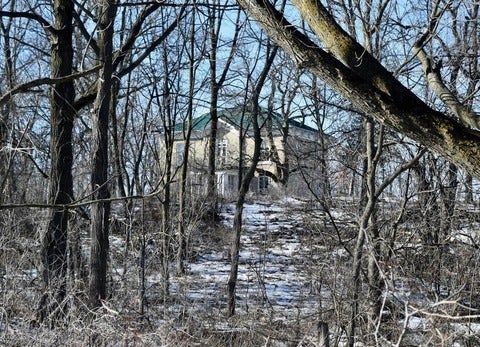
Near St. Mary's, Ontario
A bit of good news for those concerned about our rural heritage.
Near St. Mary's, Ontario
A bit of good news for those concerned about our rural heritage.
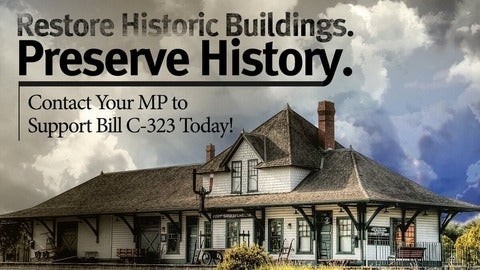
The legislation we’ve been following, private member’s Bill C-323, is headed to committee! But it’s uncertain when that will be. The Environment committee is still busy with a major review of the Canadian Environmental Protection Act. The committee is off the last two weeks of April and only has five weeks in May and early June before rising for summer break.
So it may not happen until fall. In the meantime, we in the heritage community should be thinking hard about what to say to the committee — and who should say it — when they hold public hearings on the bill.
The Speaker:
"I declare the motion carried. Accordingly, the bill stands referred to the Standing Committee on Environment and Sustainable Development."
- Hansard, March 23, 2017
By a vote of 150 to 140, Bill C-323, which would create a tax credit for the rehabilitation of historic properties, passed Second Reading in the House of Commons last Thursday.[1] Wow!
"Most of those who have grown to know and love our country's history have travelled that path guided by heritage buildings that were the gateways to the stories of the past."
- Peter Van Loan, MP (CPC)
The most interesting heritage discussion in Canada right now is going on in Ottawa — in the House of Commons!
The 1867 Eden Mills Hotel, Eden Mills
Hope y’all are having a great Heritage Week! With Canada/Ontario 150 this year, it’s the perfect time to celebrate achievements and take stock.
As is often pointed out, retaining just a historic building’s façade keeps a small part of the structure while trashing the rest.
I won’t wade into the debate about façadism. But it’s interesting to look at how we treat façade retention in our approvals process.
Last time, we looked at an (alas, all-too-common) proposal for redevelopment of a row of designated heritage buildings on Hamilton’s Gore Park. Two of the buildings were to be completely demolished — and the owner submitted an application for demolition.
UPDATE: Hamilton Planning Committee met on January 17th and approved the two heritage permits: to retain the facade of 18-22 King Street East and to demolish the neighbouring buildings at 24 & 28. City council gave final approval on January 25th.
The Friends of the Gore have launched a last-ditch campaign to petition the province to intervene to save this fine heritage row. You can can lend your support here:
In a surprise move legislation has been introduced in Parliament that would provide income tax incentives for restoring heritage buildings in Canada.
Ontario is in the final stages of the latest public review of the 110 year-old Ontario Municipal Board.
We’ve been looking at easements for heritage conservation purposes and how these evolved in Ontario.
Easements and their close cousin covenants — agreements conferring rights over another’s land or property for specific purposes — can be used by anyone for almost any (legal) end. But the only kind that beat the old common law limits and stick over the long haul are statutory easements — that is, agreements where the parties involved and the public policy objectives to be served are set out in statute.