Skip to main Skip to footer
University of Waterloo
  • Admissions
  • About Waterloo
  • Faculties & academics
  • Offices & services
  • Support Waterloo
  • COVID-19
Search
  • Home
  • 1974-75 Waterloo Warriors Mens Basketball season
  • AI Workshop Fall 2024
  • Real Research
  • Rhea Green and the Visiting Aunties Program
  • The Sultans of String musical performance
  • Admissions
  • About Waterloo
  • Faculties & academics
  • Offices & services
  • Support Waterloo
  • COVID-19
Waterloo News Arts Research
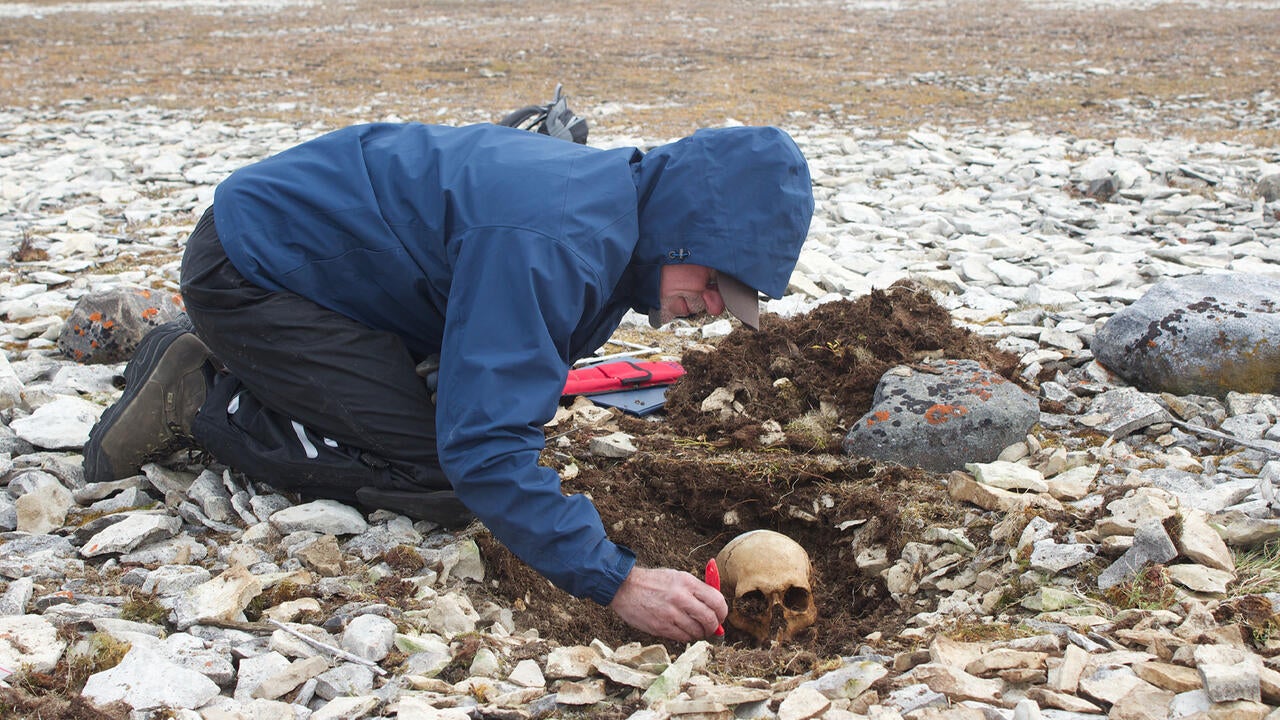
Man excavating a human skull from the ground
May 6, 2026

DNA matches identify four more sailors from Franklin expedition

New research uncovers more details of doomed mission to find the Northwest Passage

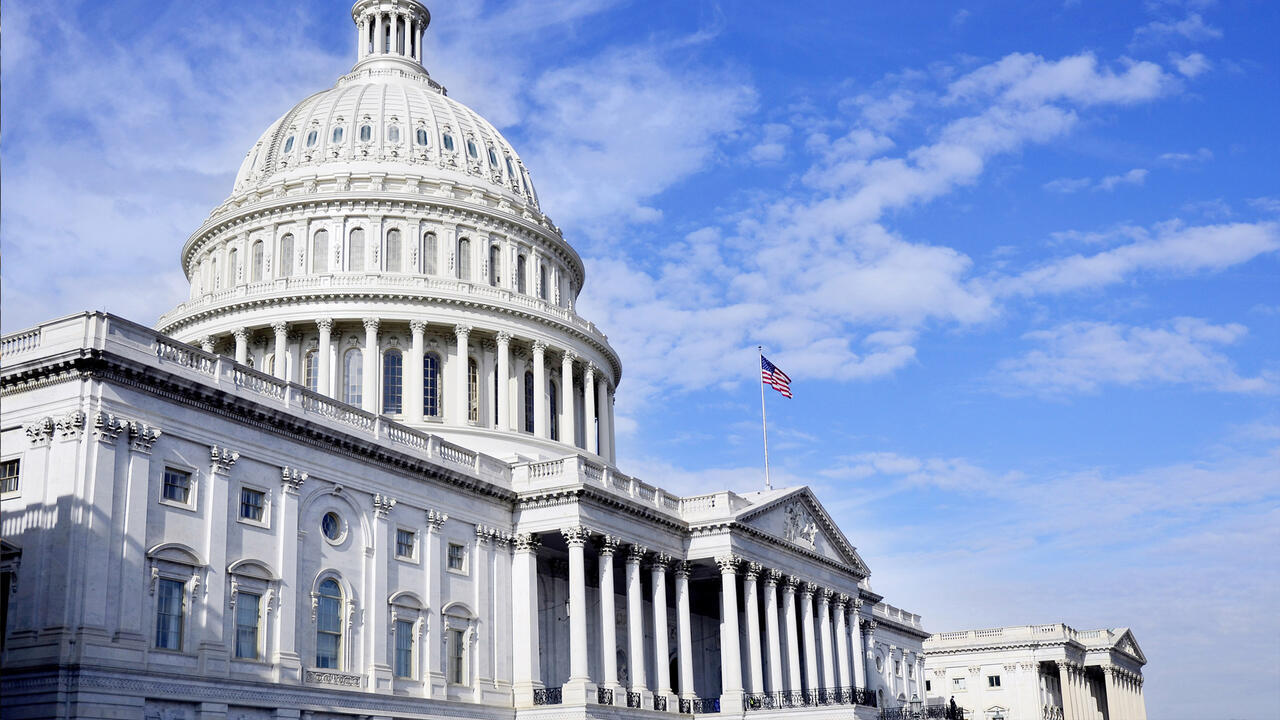
The U.S. Capital Building
May 20, 2026

Politically connected firms face softer penalties for bribery

New research finds that political ties can soften penalties for companies that violate U.S. foreign anti-bribery laws.

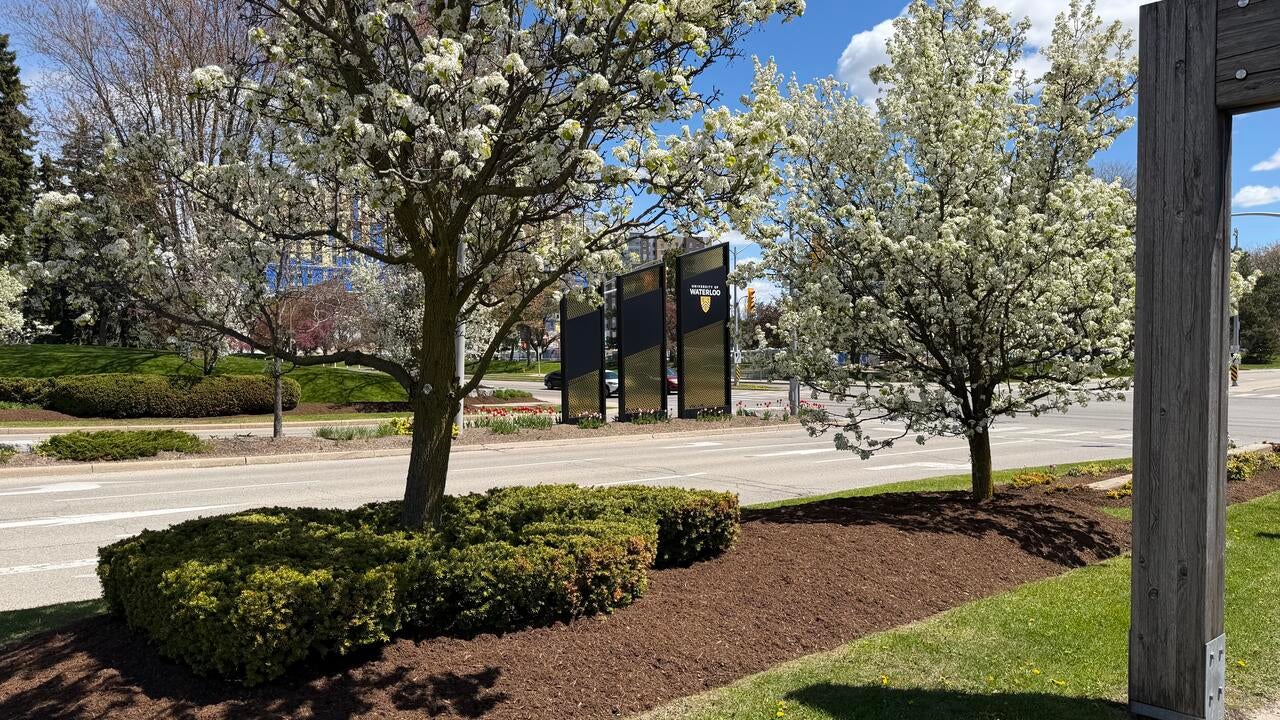
University of Waterloo sign in spring time
May 15, 2026

Six Waterloo researchers awarded $6 million

New and renewed Canada Research Chairs will tackle future-focused problems spanning climate change, mental health and technology 

An AI-generated prototype of a living room including Malzahn's artwork
April 1, 2026

AI, art and impact: MFA student pushes creative boundaries 

James Malzahn explores AI, surveillance and human perception through immersive art to challenge audiences to question truth, authorship and the impact of emerging technologies

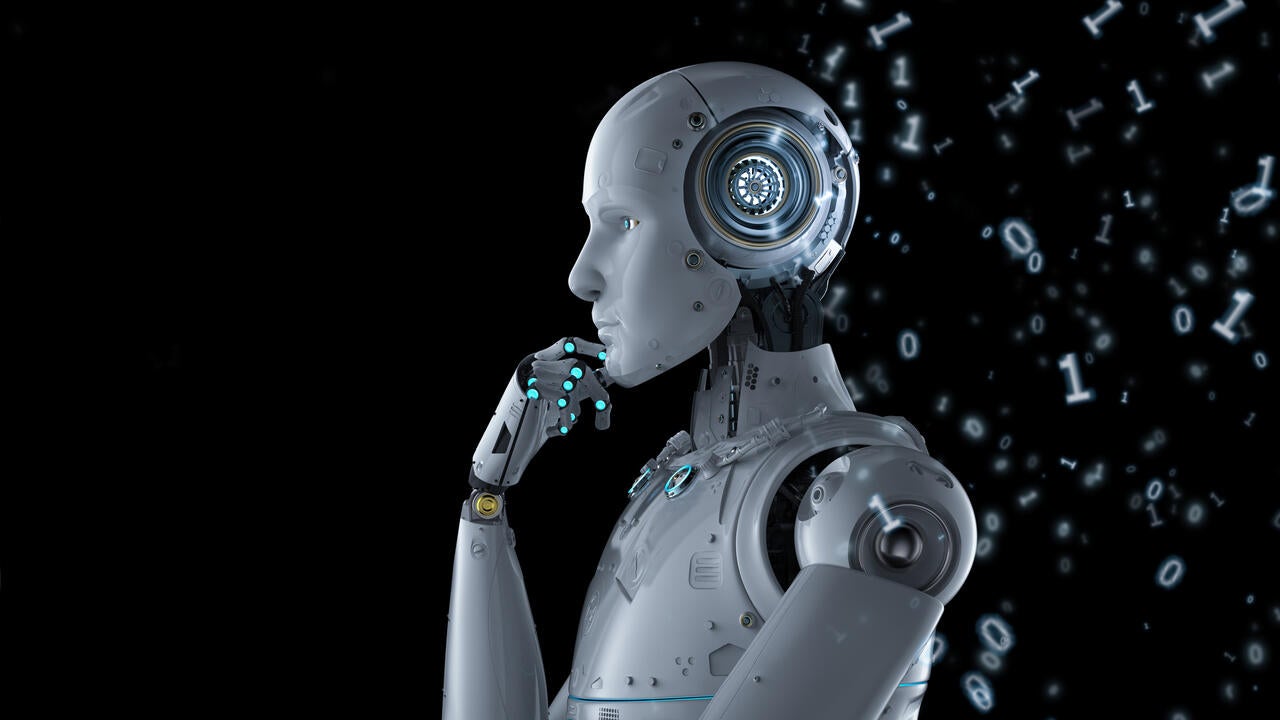
Humanoid robot holds finger to chin
February 26, 2026

How to make wise AI systems

International study suggests ways to train large language models in wise reasoning and measure the wisdom of AI  

January 21, 2021

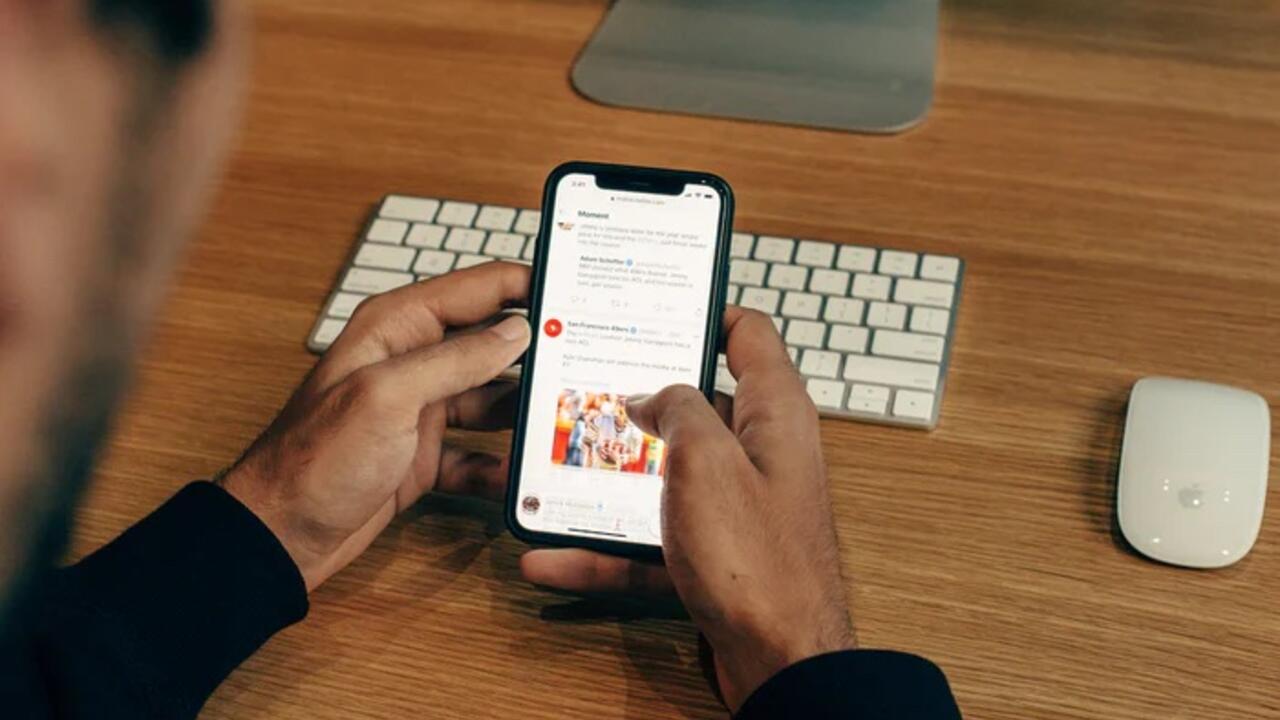
Q and A with the experts: Limiting news intake while staying engaged online

When we can’t be physically close to anyone, social media helps keep us connected. But during these difficult and busy times, social media can also be a mentally exhausting place. Too much news intake can trigger feelings of anxiety and depression.

We asked Professor Shana Macdonald, an expert in social media, to remind us of how to limit our news intake while staying engaged and connected virtually.
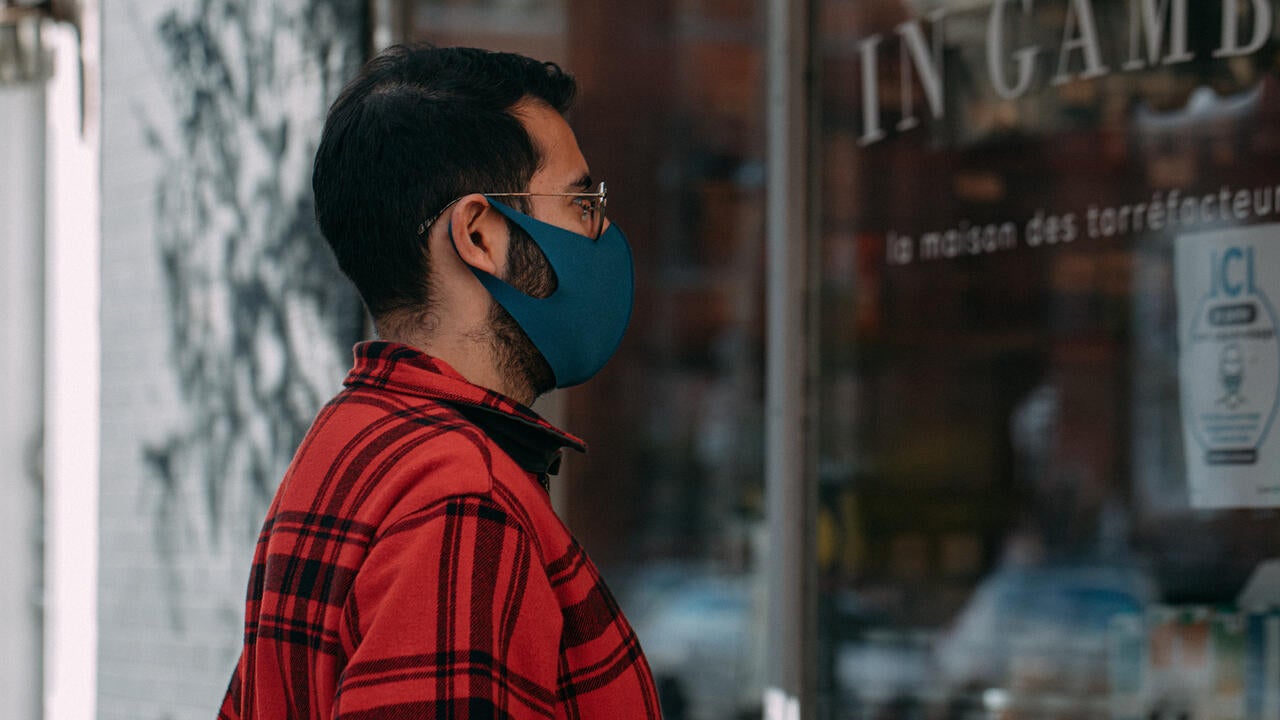
Man in a mask looking into window
January 15, 2021

Forecasting a post-pandemic world

Behavioural, political and social scientists offer predictions and advice for navigating COVID-19

December 1, 2020

Q and A with the experts: how do we get people to listen to expert advice?

The COVID-19 pandemic has shown us with alarming prevalence, the existence of people who simply refuse to listen to expert advice.

When it comes to large groups who refuse to wear masks, or the potential for many people to refuse a vaccine – there are real and often dangerous consequences to grapple with.

How do we combat this phenomenon?

University of Waterloo sign
November 24, 2020

Many environmental protection programs around the world poorly designed, ineffective

Incentive programs to encourage farmers and other landowners to protect the environment are key to conservation, but new research shows issues such as lack of enforcement undermine their effectiveness on a global scale

November 9, 2020

Q and A with the experts: COVID-19 and the insurance industry

Tony Wirjanto, a curator for Insurance and Asset Management for the World Economic Forum and professor at the School of Accounting and Finance, takes us through how COVID-19 has affected the insurance industry, and what can be done about it.

October 21, 2020

Q and A with the experts: Environmental, Social, and Governance scores didn’t help stocks during COVID

Did high ESG scores mean a company's stock was more resilient during the COVID-19 market crash?

October 20, 2020

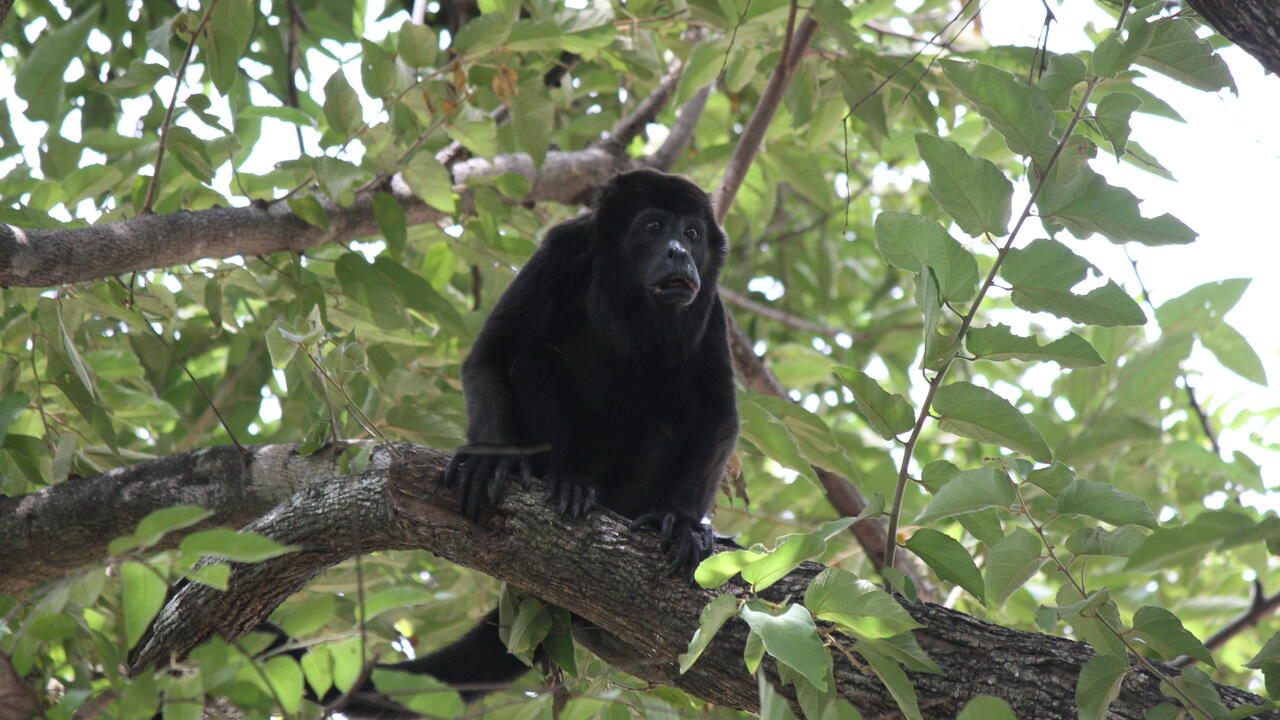
Study sheds light on the solitary life of male primates

A new study on primate behaviour sheds light on a previously little-known life stage of male mantled howler monkeys, adding to our knowledge of lone male behavioural ecology.

Images of recipients
October 14, 2020

Four brilliant researchers join Waterloo on fellowships

AMTD Scholars are the first recipients of a postdoctoral fellowship created by a Waterloo alumnus-led foundation 

October 13, 2020

Q and A with the experts: trusting public figures during COVID-19

Waterloo English professors offer us insights into how leaders can more effectively communicate complex scientific and technical information and help people trust them and the information they are providing.

October 7, 2020

Q and A with the experts: remembering 2020, digitally

When the global pandemic was declared, people immediately began to turn to historians of the Spanish flu of 1918 to understand and learn from those experiences.

How will the world learn about the COVID-19 pandemic?

September 11, 2020

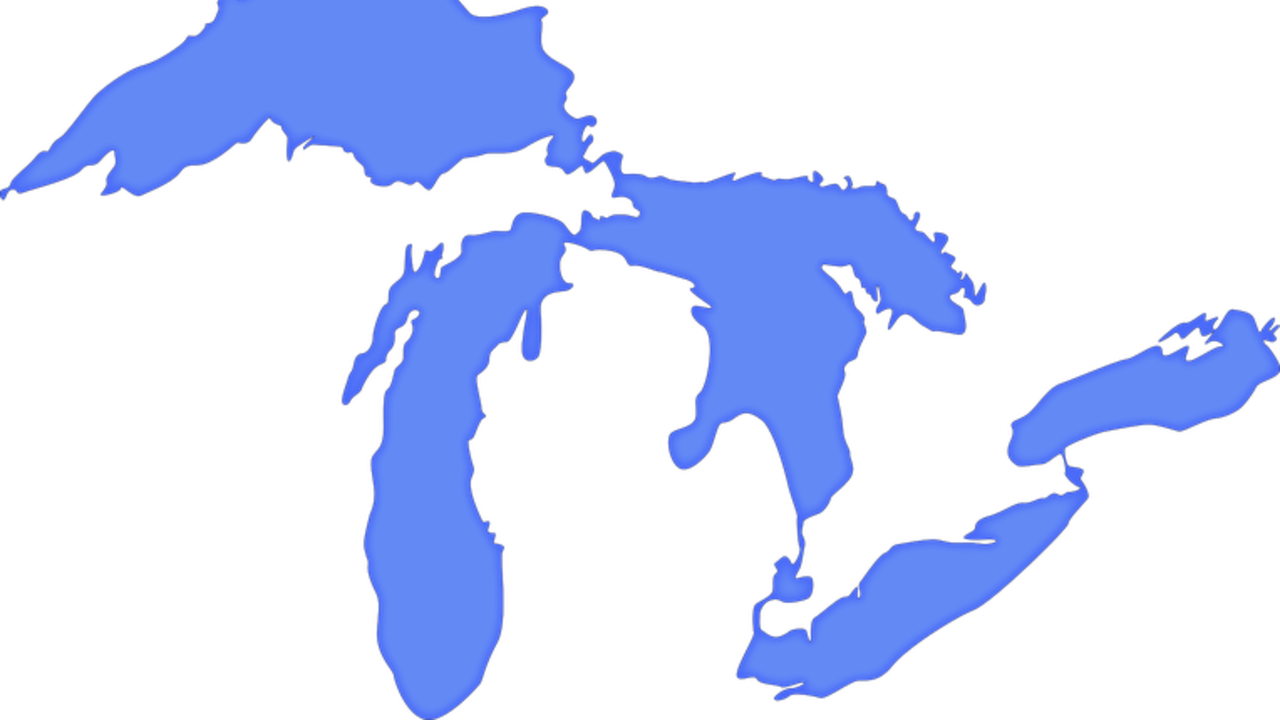
New model assesses the economic damage of climate change on the Great Lakes

The Great Lakes are the largest freshwater system in the world - what happens to our economy when they are damaged by climate change?

September 8, 2020

Q and A with the experts: kids’ mental health and back to school

As many kids go back to school this week amidst uncertainty about social distancing, class schedules, and what their day-to-day life will look like, we spoke with Professor Dillon Browne – an expert in clinical child and family psychology – to hear his thoughts about the effect this will have on their mental health.

  • Load more
  • Share via Facebook
  • Share via Twitter
  • Share via Google+
  • Share via LinkedIn
  • Share via Email
  • TOP
  • Share
Waterloo news

Find an expert

Contact Media Relations


University of Waterloo
43.471468
-80.544205
200 University Avenue West
Waterloo, ON, Canada  N2L 3G1
+1 519 888 4567
  • Contact Waterloo
  • Maps & Directions
  • WatSAFE
  • Accessibility
  • Privacy
  • Copyright
  • Media
  • Careers
  • Feedback
@uwaterloo social directory

The University of Waterloo acknowledges that much of our work takes place on the traditional territory of the Neutral, Anishinaabeg, and Haudenosaunee peoples. Our main campus is situated on the Haldimand Tract, the land granted to the Six Nations that includes six miles on each side of the Grand River. Our active work toward reconciliation takes place across our campuses through research, learning, teaching, and community building, and is co-ordinated within the Office of Indigenous Relations.