Skip to main Skip to footer
University of Waterloo
  • Admissions
  • About Waterloo
  • Faculties & academics
  • Offices & services
  • Support Waterloo
  • COVID-19
Search
  • Home
  • 1974-75 Waterloo Warriors Mens Basketball season
  • AI Workshop Fall 2024
  • Real Research
  • Rhea Green and the Visiting Aunties Program
  • The Sultans of String musical performance
  • Admissions
  • About Waterloo
  • Faculties & academics
  • Offices & services
  • Support Waterloo
  • COVID-19
Waterloo News Arts Research
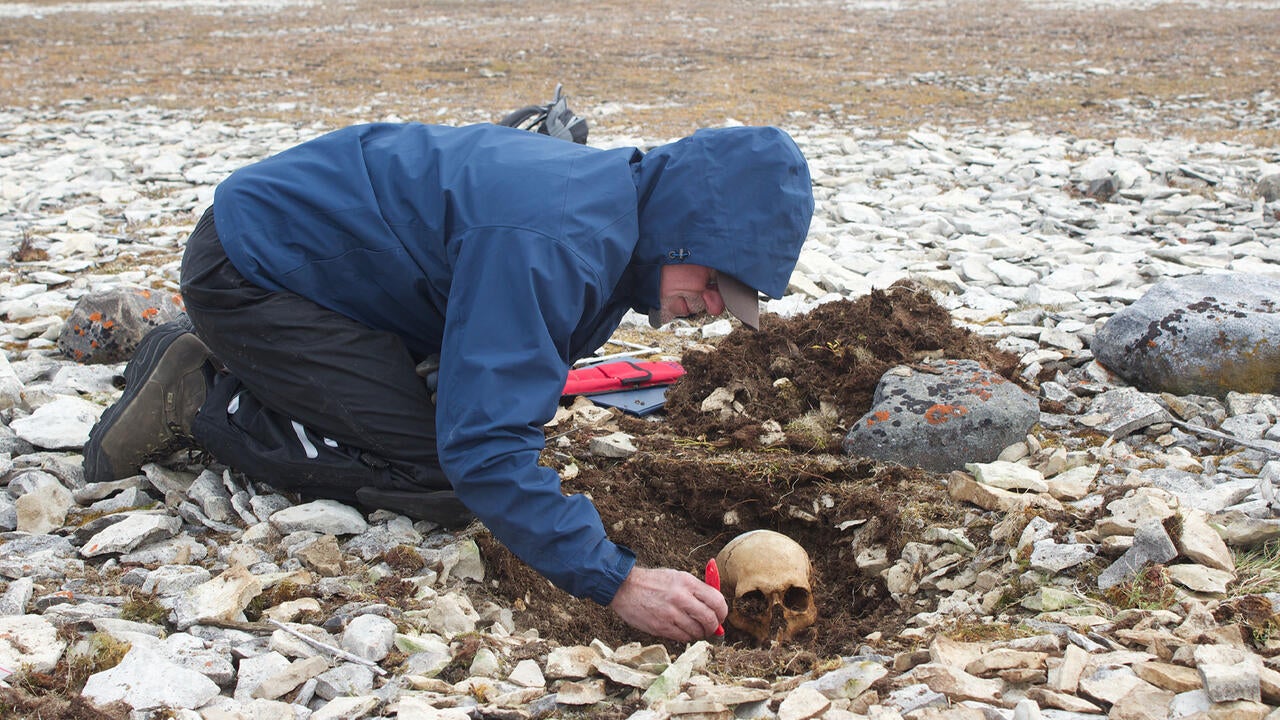
Man excavating a human skull from the ground
May 6, 2026

DNA matches identify four more sailors from Franklin expedition

New research uncovers more details of doomed mission to find the Northwest Passage

The U.S. Capital Building
May 20, 2026

Politically connected firms face softer penalties for bribery

New research finds that political ties can soften penalties for companies that violate U.S. foreign anti-bribery laws.

University of Waterloo sign in spring time
May 15, 2026

Six Waterloo researchers awarded $6 million

New and renewed Canada Research Chairs will tackle future-focused problems spanning climate change, mental health and technology 

An AI-generated prototype of a living room including Malzahn's artwork
April 1, 2026

AI, art and impact: MFA student pushes creative boundaries 

James Malzahn explores AI, surveillance and human perception through immersive art to challenge audiences to question truth, authorship and the impact of emerging technologies

Humanoid robot holds finger to chin
February 26, 2026

How to make wise AI systems

International study suggests ways to train large language models in wise reasoning and measure the wisdom of AI  

Ian Milligan giving lecture
May 19, 2020

Preserving our digital history

As we increasingly live online, researchers use web archives to find our histories within big data

May 14, 2020

New multi-national study looks at social connectedness during COVID-19

A new, multi-national study will examine whether social connectedness and compassion can help people cope better with the emotional stress of the COVID-19 pandemic.

May 8, 2020

Q and A with the experts: unpacking Labour Force Surveys

That many Canadians have lost their jobs as a result of COVID-19 is undeniable – but how many people have been affected, and who are they?

microscope view of COVID-19 cells
May 7, 2020

Protecting our mental health

How to manage stress and anxiety during the COVID-19 pandemic

May 4, 2020

Q and A with the experts: re-starting the economy

What do staged re-openings mean for economic recovery?

April 29, 2020

Q and A with the experts: equity in education during COVID-19

Schools are closed for every student in Canada.  What does this mean for how learning is happening right now?

Oil rig in the sunset
April 21, 2020

The politics of leaving fossil fuels in the ground

As oil prices plunge below zero during the COVID-19 crisis, grassroots movements re-imagine the global response to the climate crisis

April 21, 2020

Q and A with the experts: using Canada’s tax system to help the economy recover

Professor Andrew Bauer of the School of Accounting and Finance explains how economic aid, largely delivered through our tax system, can be used to stimulate economic recovery and if it goes far enough.

University of Waterloo sign
February 18, 2020

Lack of images on cigarette pack warnings and partial smoke-free laws are ineffective in Japan

The tobacco control policies of Japan are not working, according to new studies from researchers at the University of Waterloo

Black and white farmhouse
February 12, 2020

Collaboration brings stories of institutional racism and abuse to light

A team of Waterloo researchers uses virtual reality storytelling as a tool for reconciliation

Waterloo University sign
January 9, 2020

Study finds deforestation is changing animal communication

Deforestation is changing the way monkeys communicate in their natural habitat, according to a new study.

University of Waterloo sign
November 13, 2019

Nationality likely a key factor in life-and-death decisions

People making decisions about life-and-death situations consider individuals’ nationalities when deciding who should be sacrificed to save others, according to a study out of the University of Waterloo

  • Load more
  • Share via Facebook
  • Share via Twitter
  • Share via Google+
  • Share via LinkedIn
  • Share via Email
  • TOP
  • Share
Waterloo news

Find an expert

Contact Media Relations


University of Waterloo
43.471468
-80.544205
200 University Avenue West
Waterloo, ON, Canada  N2L 3G1
+1 519 888 4567
  • Contact Waterloo
  • Maps & Directions
  • WatSAFE
  • Accessibility
  • Privacy
  • Copyright
  • Media
  • Careers
  • Feedback
@uwaterloo social directory

The University of Waterloo acknowledges that much of our work takes place on the traditional territory of the Neutral, Anishinaabeg, and Haudenosaunee peoples. Our main campus is situated on the Haldimand Tract, the land granted to the Six Nations that includes six miles on each side of the Grand River. Our active work toward reconciliation takes place across our campuses through research, learning, teaching, and community building, and is co-ordinated within the Office of Indigenous Relations.