Opioids and other drugs accumulating in freshwater fish
Researchers from the University of Waterloo detect antidepressants and opioids in fish exposed to urban wastewater
Fish living downstream of wastewater treatment plants are accumulating antidepressants, opioids and other drugs of abuse in their bodies, according to a new study.
Using a new analytical method they developed, a team of researchers from the University of Waterloo discovered that several substances that affect the central nervous system, including fentanyl, methadone and venlafaxine, were detected in small fish living in rivers that receive urban wastewater.
Previous research indicated that these substances have the potential to alter fish behaviour, development and reproduction, but this is the first time that scientists documented their distribution in wild fish in Canada. The findings improve our understanding of how this novel group of contaminants can enter and potentially accumulate in freshwater ecosystems, raising concerns about the potential for long-term effects.
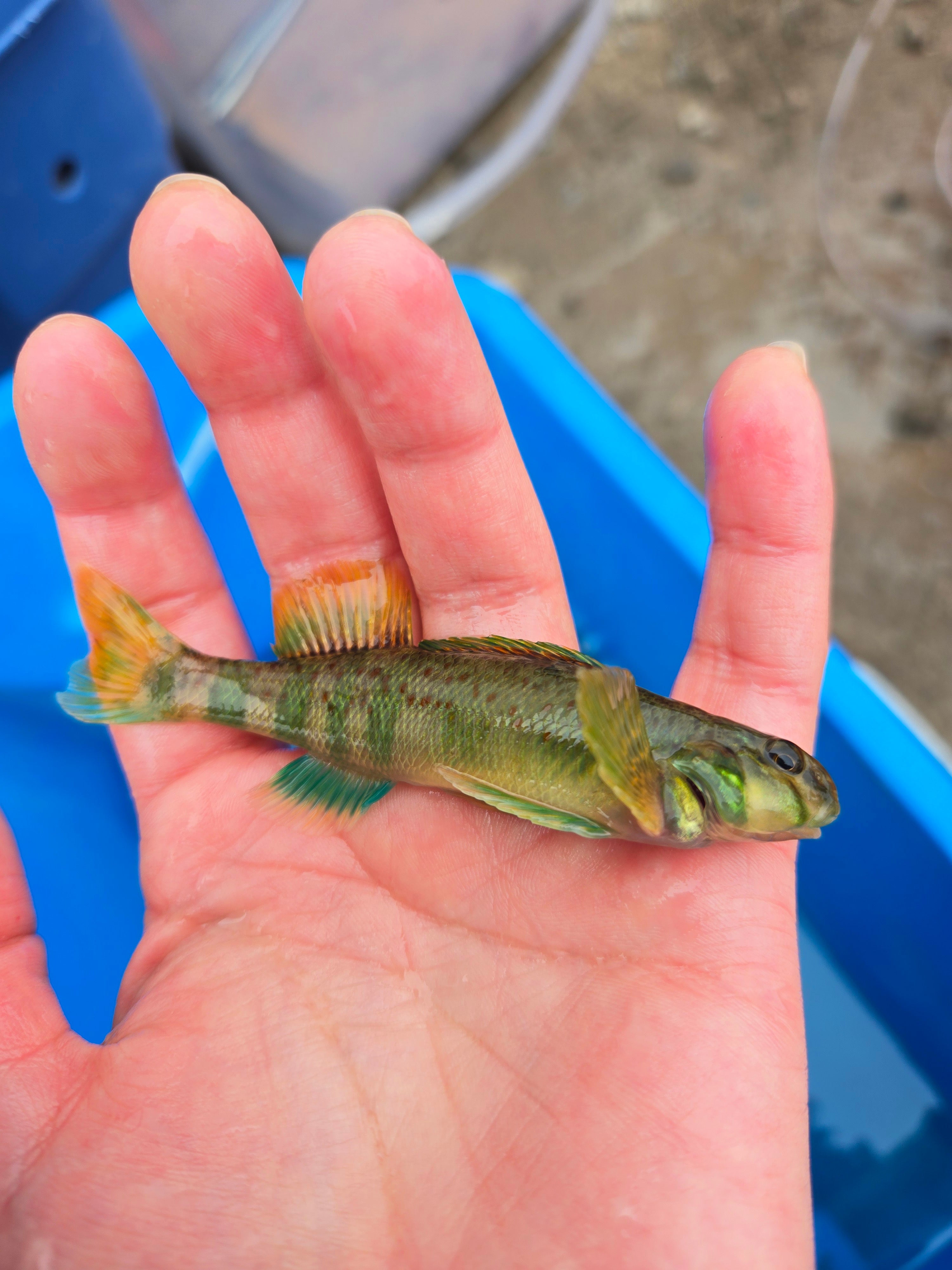
The researchers detected fentanyl, methadone, venlafaxine, and O-desmethylvenlafaxine in all species collected, including the greenside darter (University of Waterloo).
“This research shows that fish are exposed to and can accumulate these novel drugs when exposed to even well-treated wastewater,” said Dr. Mark Servos, a professor in the Department of Biology and a researcher at the Water Institute. “Because wastewater treatment plants are not designed to remove pharmaceuticals, aquatic organisms are likely exposed to these chemicals downstream of most communities where these drugs are prescribed or used illicitly.”
Using their new method, the research team found that male fish accumulated higher concentrations of some substances than females. Biological factors, such as physiology and metabolism, may influence how contaminants accumulate in different organisms.
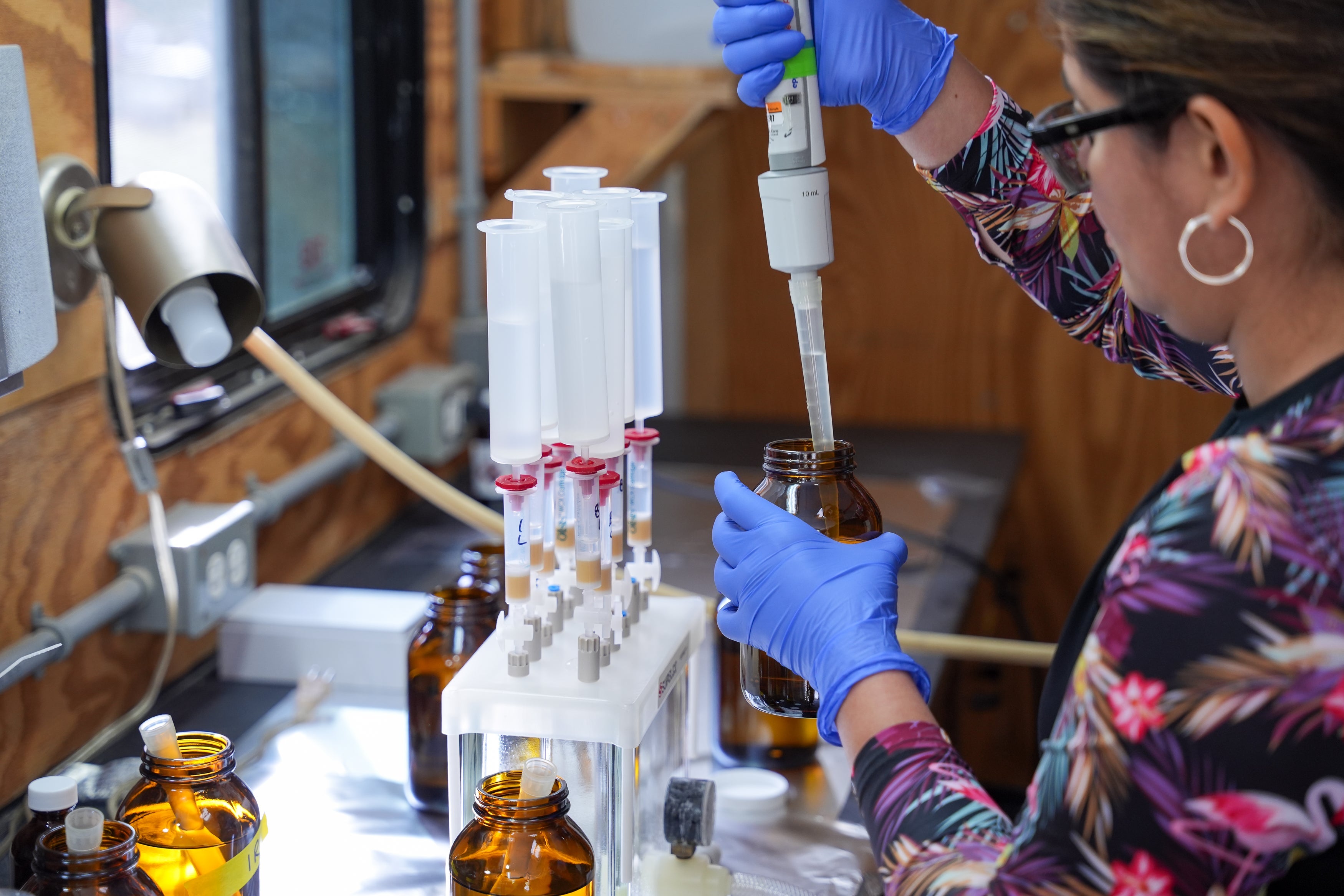
The novel method makes it possible to detect trace amounts of drugs of abuse in small fish (University of Waterloo).
“This research demonstrates the importance of developing sensitive analytical methods for monitoring emerging contaminants and improving our ability to assess their potential for impacts on aquatic ecosystems,” said Dr. Diana Cárdenas-Soracá, a postdoctoral fellow in the Department of Biology at Waterloo. “Hopefully this work will highlight the need to continue to characterize the diversity of new chemicals potentially entering the environment.”
Future work will focus on understanding the factors that influence environmental exposure and what the bioaccumulation of these compounds means for fish health, including impacts on neurophysiology, behaviour, and reproduction.
The study appears in Environmental Pollution.