
December 19, 2025
Our top 12 trending stories of 2025
Here are the people and events behind some of this year’s most compelling Waterloo stories
Here are the people and events behind some of this year’s most compelling Waterloo stories
This year brought countless reasons to celebrate as Waterloo students, alumni and researchers took bold new steps to innovate and create solutions for a complex future.
As we wrap up 2025, we reflect with pride and share just a glimpse of student success, on-campus initiatives and groundbreaking research of our Waterloo community.
 Removing microplastics with engineered bacteria
 The year started with news of an important discovery. Waterloo researchers successfully engineered bacteria commonly found in wastewater treatment plants to break down microplastics before it can persist in the environment. Drs. Marc Aucoin and Brian Ingalls, and Aaron Yip, PhD candidate at Waterloo added DNA to several species of bacteria found in wastewater, allowing them to biodegrade polyethylene terephthalate (PET), a common plastic found in carpet, clothing and containers for food and beverages.
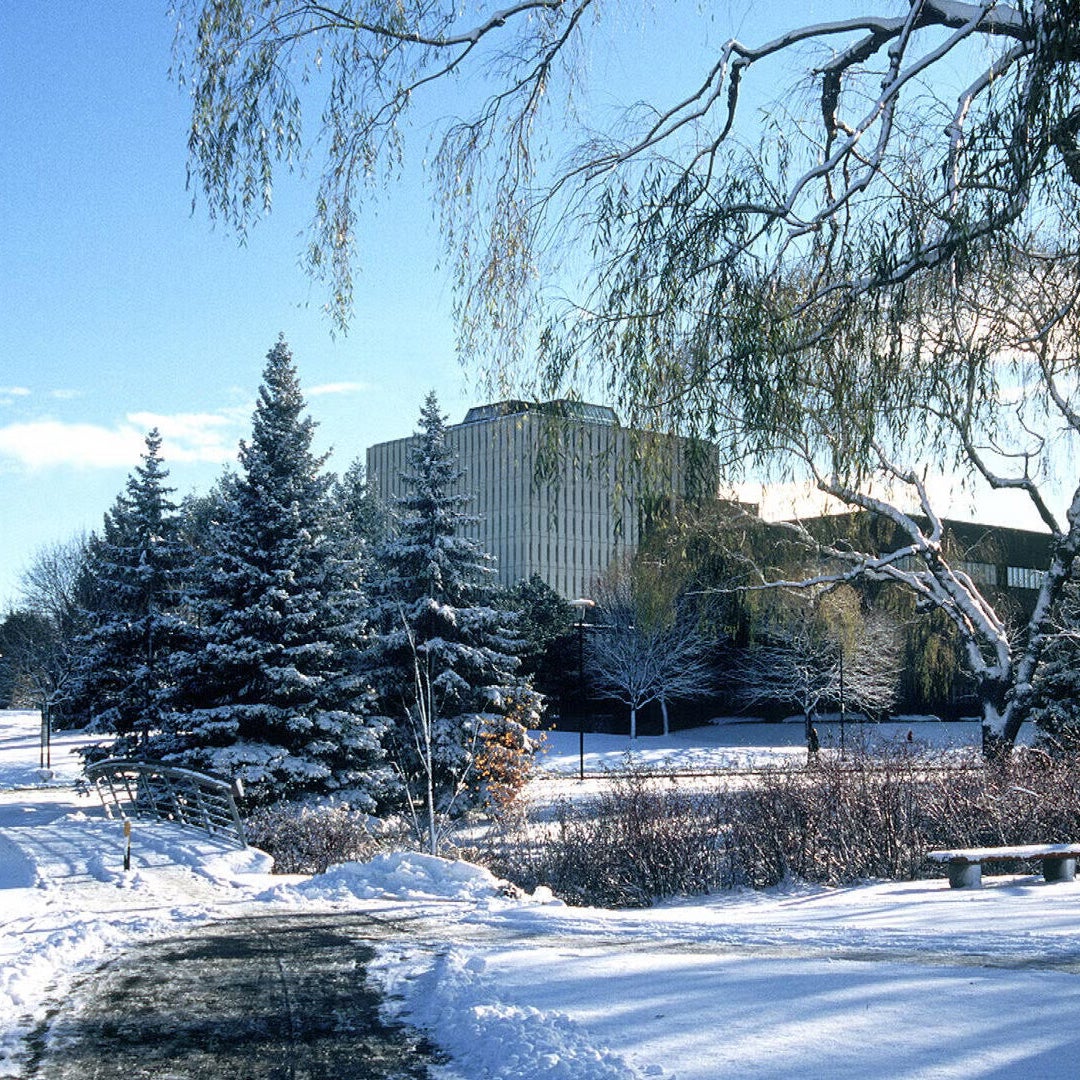 Waterloo’s reputation in the world’s top 100 most prestigious universities
 In February, it was announced that the University of Waterloo's reputation ranked among the world's top 100 by Times Higher Education. The University's multi-disciplinary approach to research, combined with strong industry connections, encourages researchers to identify new opportunities and innovative solutions that will transform societies, economies, technologies, sustainability and health through teaching, research and application of new technologies and practices.
 Builders attract builders
 The winter term also showcased the power of the entrepreneurial ecosystem at Waterloo. Velocity began as small student meetups and is now Waterloo's centre of entrepreneurship. Similarly, in just three years, more than 100 volunteers grew Socratica into one of Canada's (and possibly the world's) fastest-growing student maker collectives. Today, both Velocity and Socratica communities are global leaders, with thousands of members innovating worldwide.
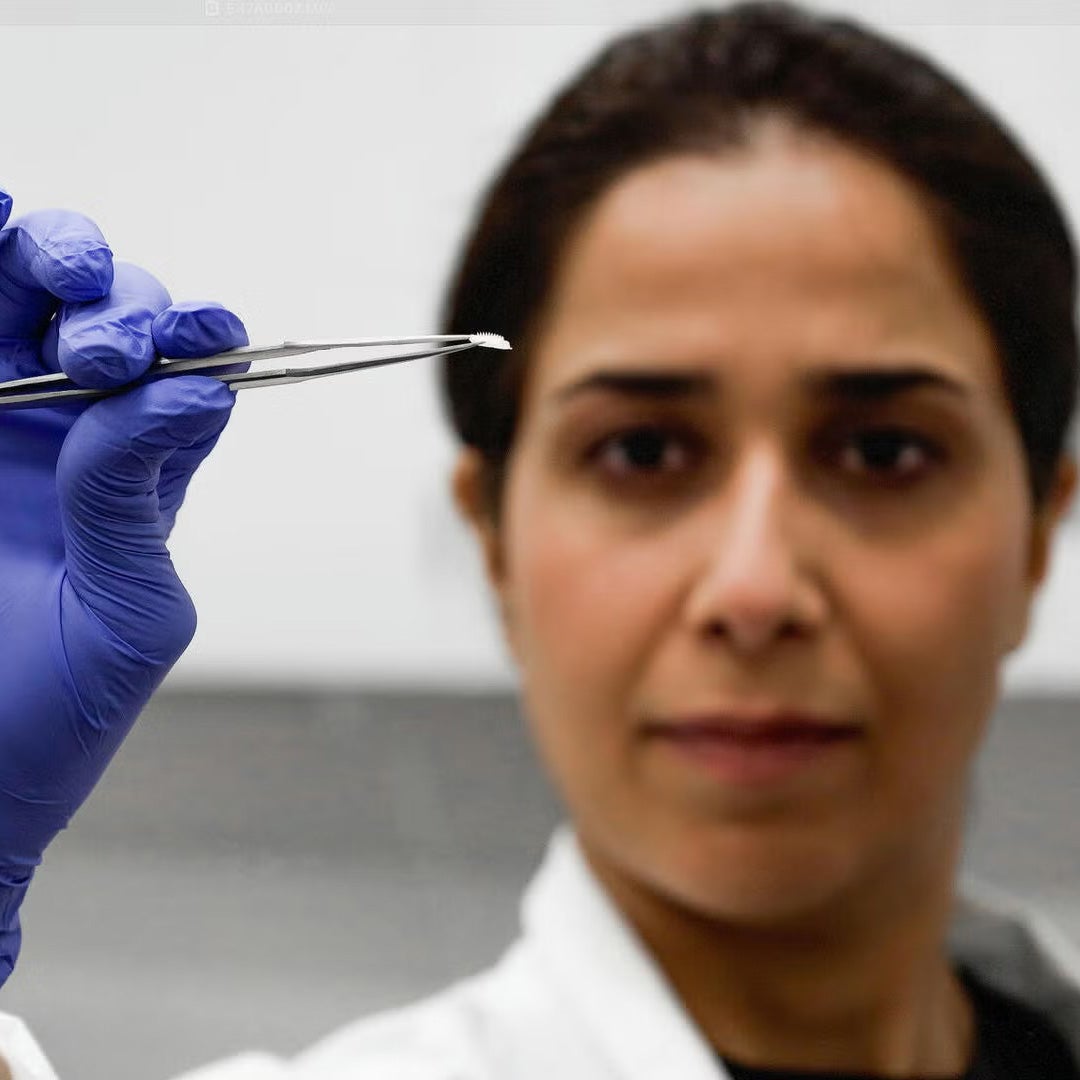 Painless diabetes patch to replace needle pricks
 Waterloo researchers are renowned for innovation and pushing boundaries in health and technology, and in April, Waterloo hosted researchers from around the world for the Times Higher Education Digital Health Summit. Among the speakers was Waterloo’s Dr. Mahla Poudineh who has developed a painless diabetes patch to replace needle pricks. The health care breakthrough for continuous monitoring of blood glucose, ketone, lactate and more is inching closer to commercialization.
 High blood pressure? Eat more bananas
 New Waterloo research captured global media attention with a simple message: eat more bananas. When high blood pressure affects more than 30 per cent of adults globally and is the leading cause of coronary heart disease and stroke, Waterloo research suggests that increasing the ratio of dietary potassium to sodium intake may be more effective for lowering blood pressure than simply reducing sodium intake alone.
 Co-op students make a big impact at Shopify
 During a spring visit to Waterloo, Tobias Lütke, CEO of Shopify, praised the University's co-op talent, noting that more than 40 per cent of Shopify interns come from Waterloo. These students drive impact by improving infrastructure, designing merchant-focused features and building internal tools for data analysis and workflow optimization. Waterloo's world-class co-op program enables students to gain up to two years of valuable work experience at one of more than 8,000 employers connected to the University.
 Female pilots perform better under pressure, study finds
 Aviation research also made headlines. A new study led by Waterloo researchers found that female pilots outperformed their male counterparts in high-pressure flight situations. The findings challenge traditional assumptions in aviation and suggest that women pilots may have unique strengths that could be better recognized in pilot training and evaluation systems.
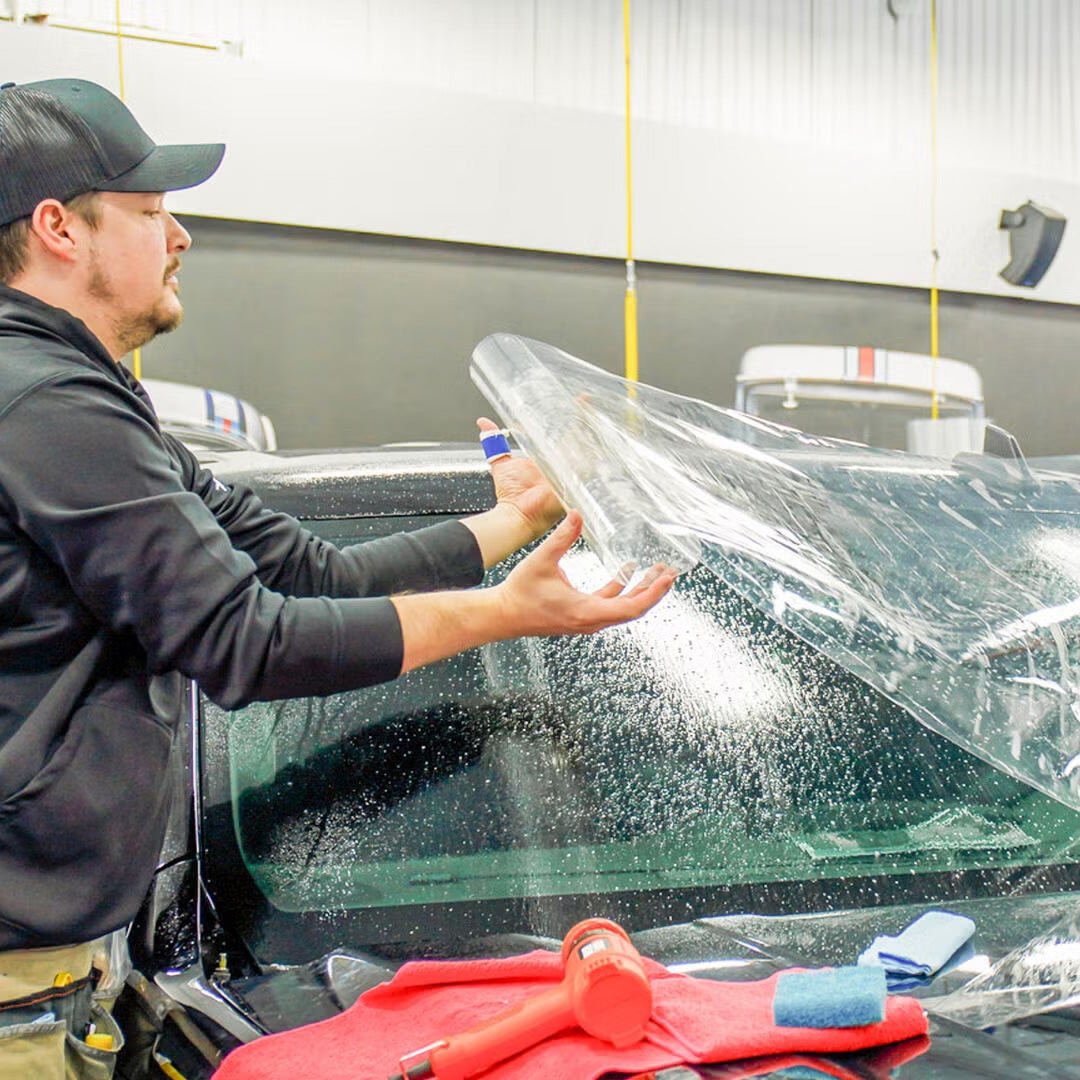 Made by Waterloo: Alchemy transforms nanotechnology for defense solutions
 Innovation comes naturally to Waterloo students, researchers and alumni. What started as a fourth-year Engineering capstone project — a spray designed to prevent frost from forming on windshields — has evolved into Alchemy’s next-generation camouflage coating now used by the Canadian Armed Forces. Beyond this breakthrough, Alchemy has a full product line in market and is pursuing an industry first: delivering high-quality, easy-to-install windshield protection films packaged together for unmatched convenience and performance.
 Waterloo breaks ground on cutting-edge laser facility
 In October, the University of Waterloo broke ground on WaterFEL, an Infrared Free Electron Laser facility scheduled to open in 2028. The new facility will be the only one of its kind in North America and will revolutionize research with its capabilities to address global challenges, from understanding and treating complex health conditions to creating pathways for a healthier environment.
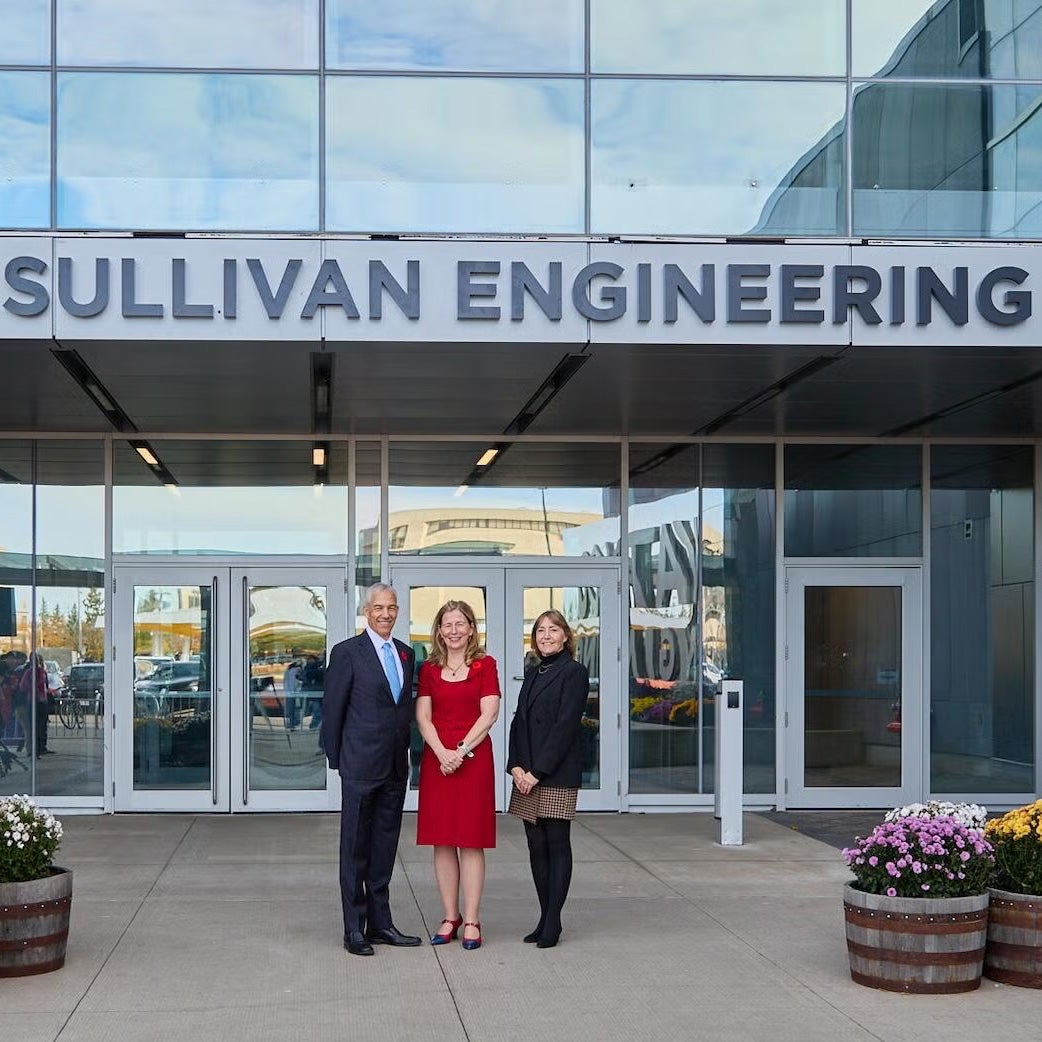 Honouring the legacy of Dr. Pearl Sullivan and the future of education
 On November 4, the University celebrated a transformational philanthropic investment. Alumni Frank Baylis (BASc ’86) and Valerie Baylis (BA ’86) visited campus to announce a gift of $20 million from the Gloria Baylis Foundation to the Faculty of Engineering. The gift honours former Engineering dean, the late Dr. Pearl Sullivan, which saw the renaming of Engineering 7 to the Pearl Sullivan Engineering Building.
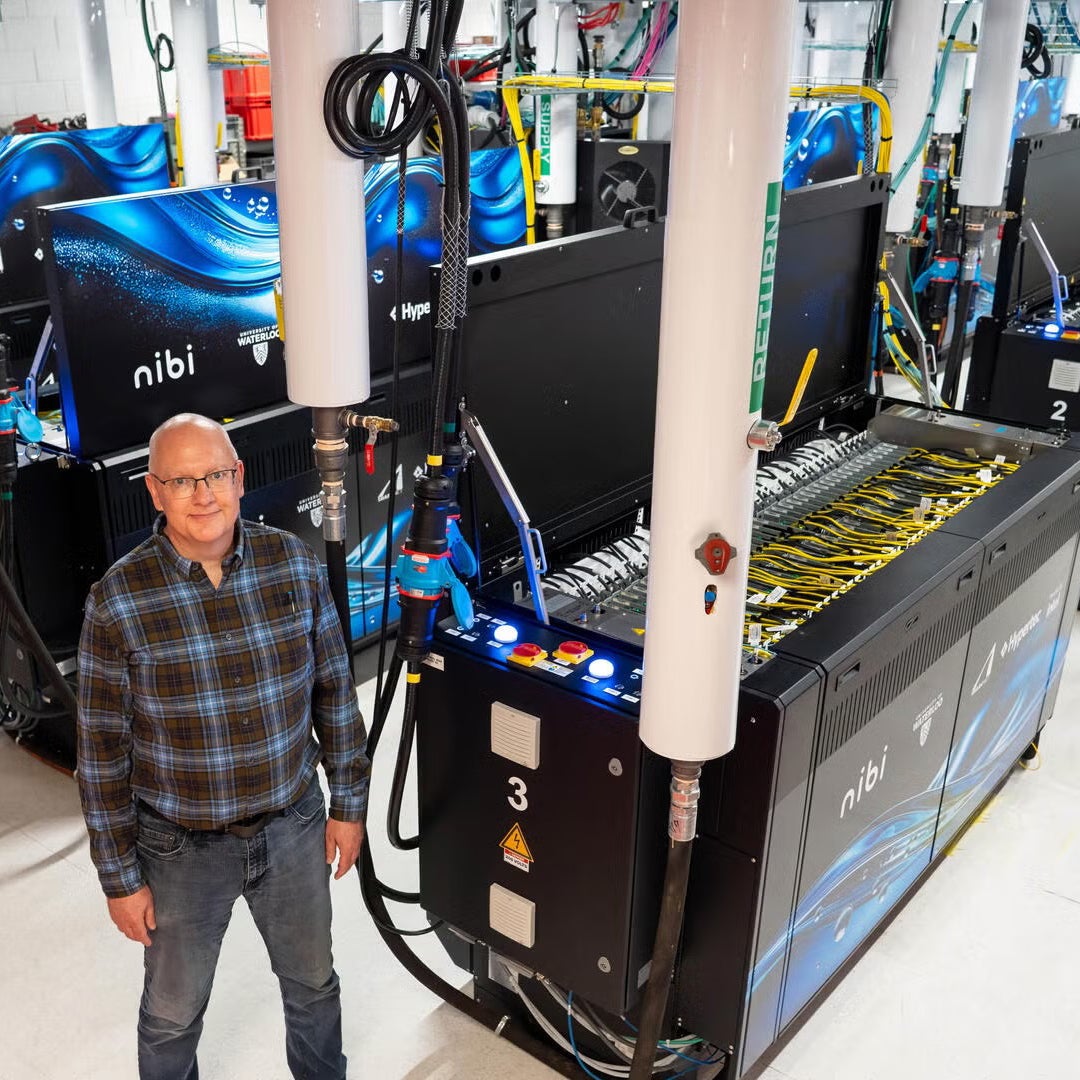 Meet Nibi: Waterloo’s newest supercomputer empowering researchers
Deep within the structure of the Mathematics and Computer building at Waterloo lies one of the most sophisticated and important digital research computing systems in Canada. The newly refreshed system, named Nibi, replaced the Graham supercomputer and has more than 700 nodes and 140,000 CPU cores allowing it to undertake countless simultaneous computational jobs.
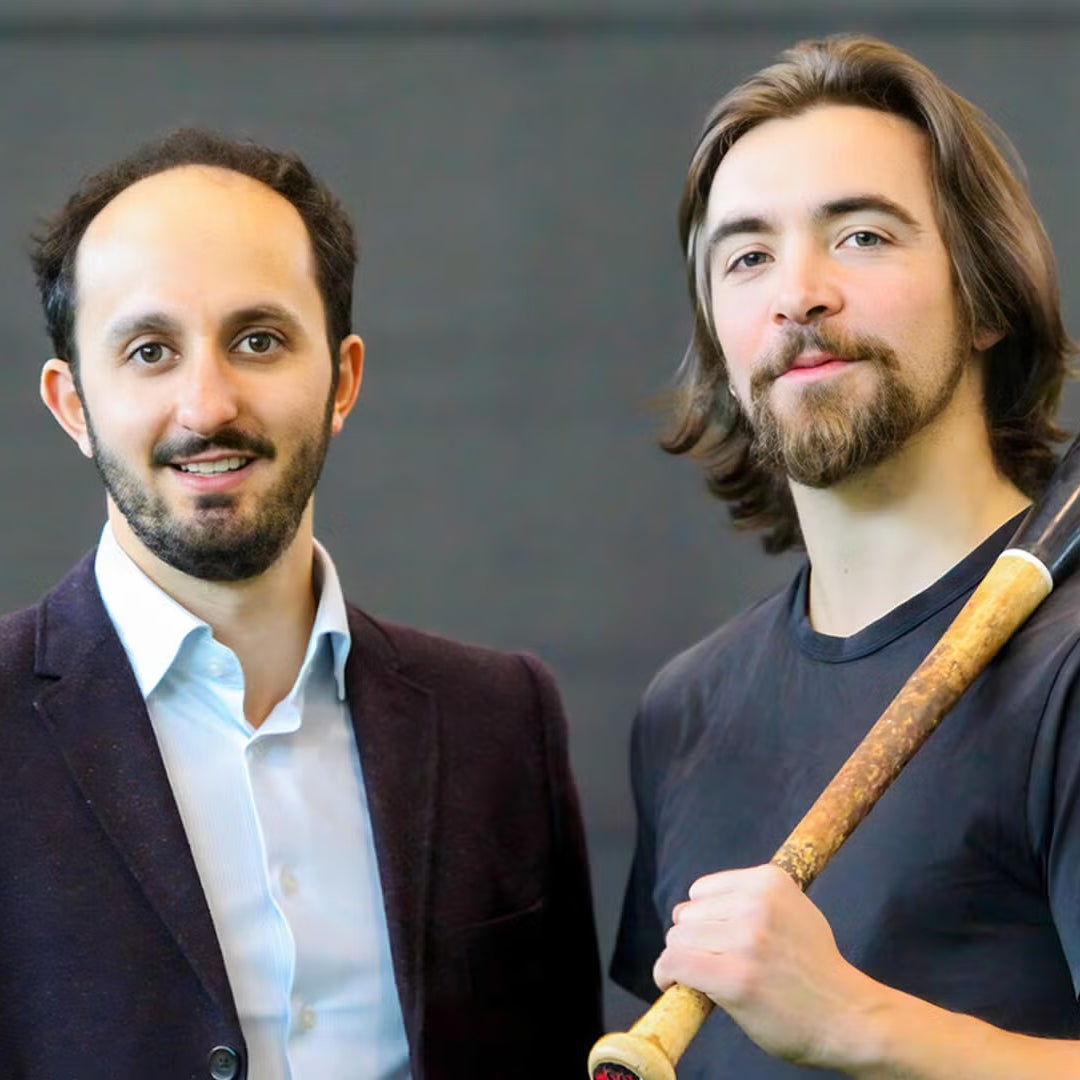 Revolutionizing baseball training with AI-simulated pitchers
 Waterloo innovation even touched major league sports. After 32 years, the Toronto Blue Jays made it to the World Series and Canadian baseball fans were beaming with excitement. Partly behind the team’s success is revolutionary technology developed by Waterloo alumni Joshua Pope (BASc ’19) and Rowan Ferrabee (BASc ’19), co-founders of Trajekt Sports. The company’s AI-driven pitching machine replicates Major League pitches with specific spins, velocity and trajectory and is now used by 30 professional baseball teams.


