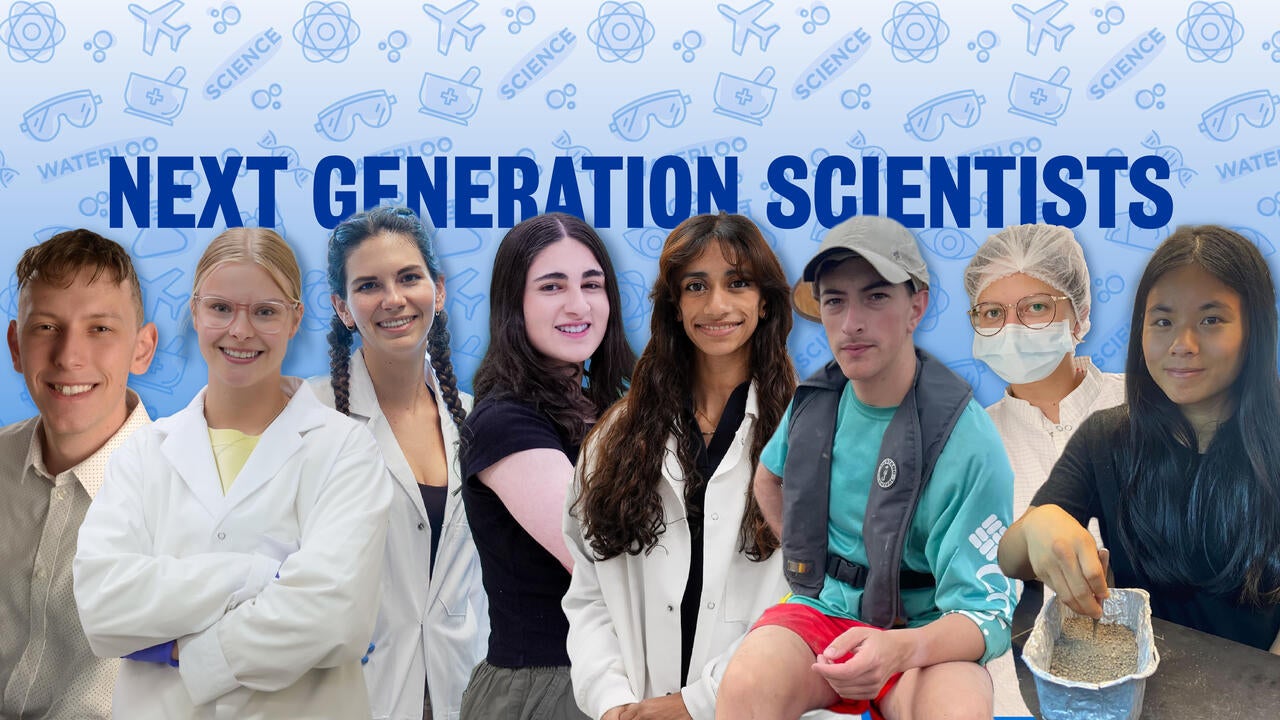
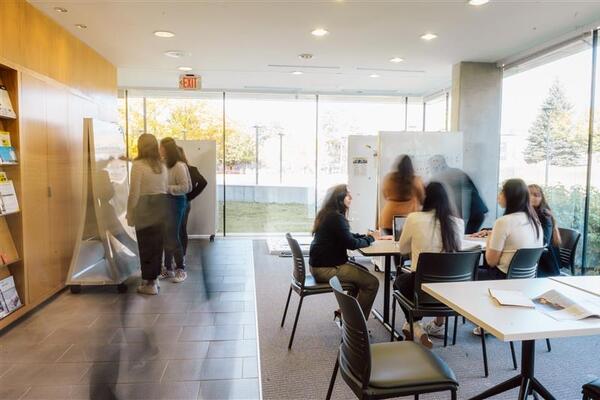
This vision comes to life in the Faculty of Science, where students take their curiosity far beyond the classroom into labs, field sites, research institutes, and community spaces. From tracking methane emissions to authoring inclusive stories, forecasting drought, advancing health research, and exploring planets beyond our solar system, these students are shaping the future of scientific discovery.
Explore eight stories of students pushing science forward.
Allysa Greidanus
Chemistry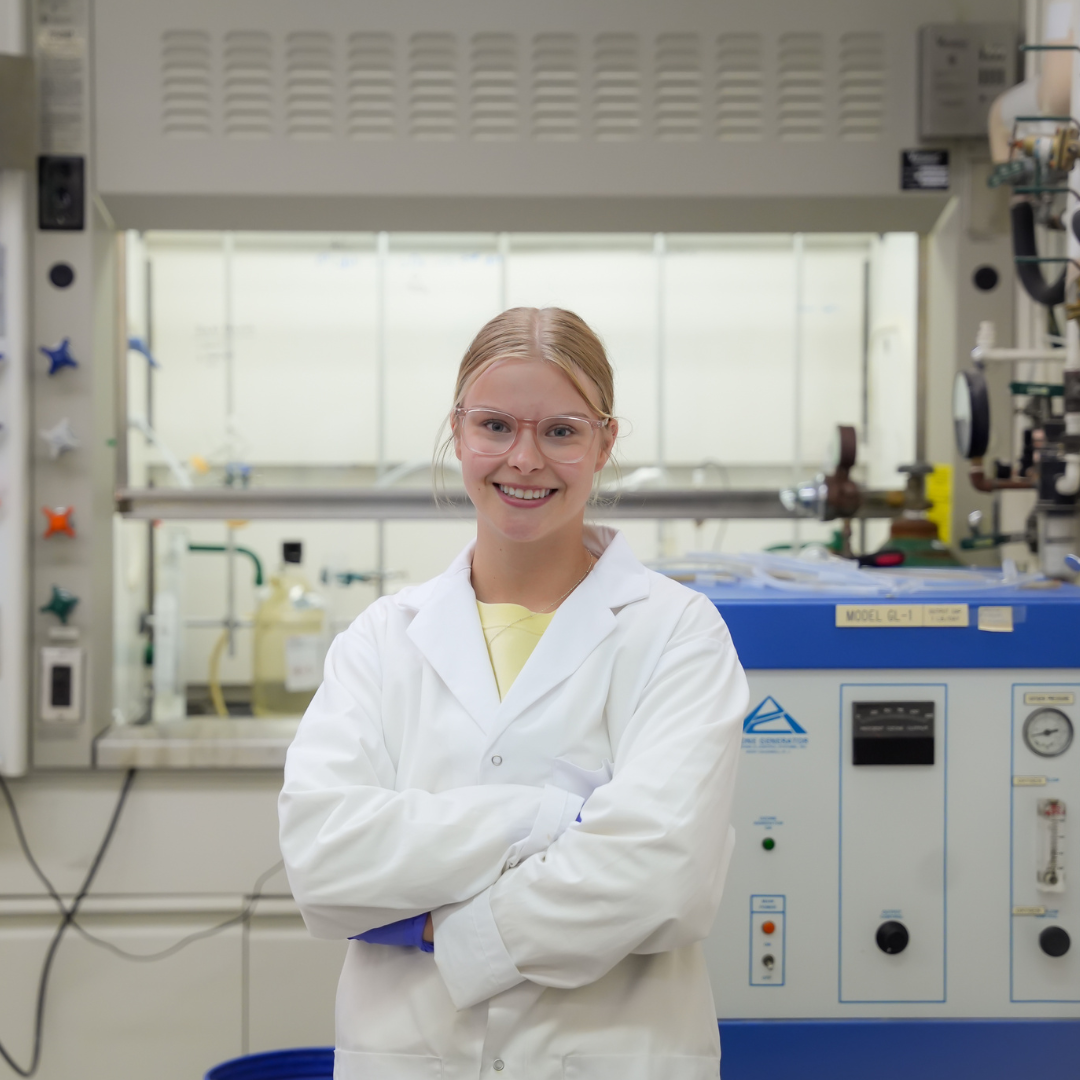
Allysa Greidanus is developing purification methods to recycle wastewater under the guidance of Dr. Graham Murphy. Partnering with deutraMed, a deuterium science and innovation company, she is working to analyze, evaluate and purify deuterium oxide (D₂O) wastewaters for refining and reuse, which is vital to pharmaceutical science and advanced materials like OLEDs. Read more
Talina Papazia
Biomedical Sciences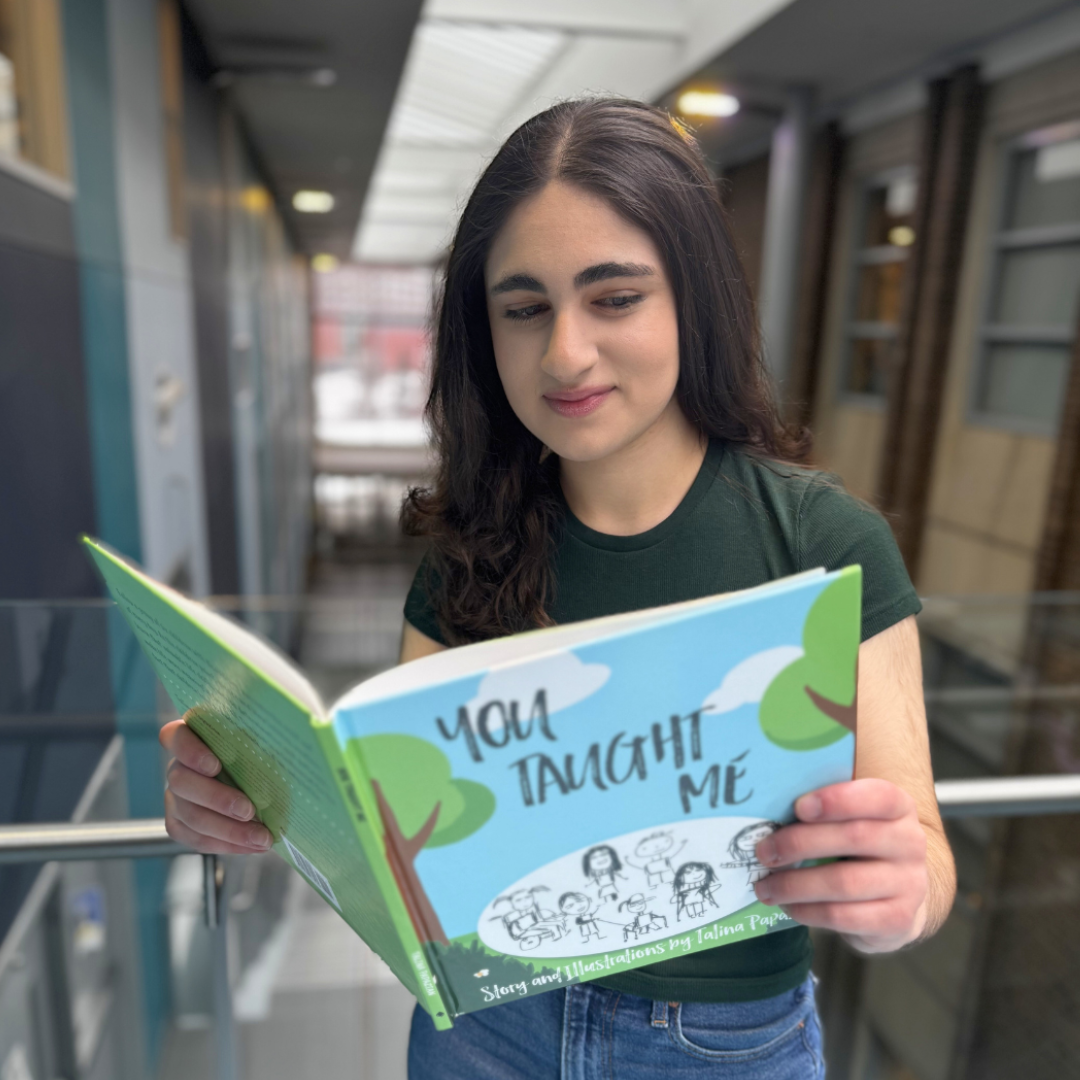
As an ally of the disability community, Talina Papazian wrote and illustrated You Taught Me, a children’s book featuring inclusive characters and narrative to raise funds and awareness for children with disabilities and developmental differences. The book has sold over 800 copies and 100% of the proceeds are donated to the Holland Bloorview Kids Rehabilitation Hospital, where she continues to support their programs as an ongoing volunteer. Read more
Anne Hambly
Biology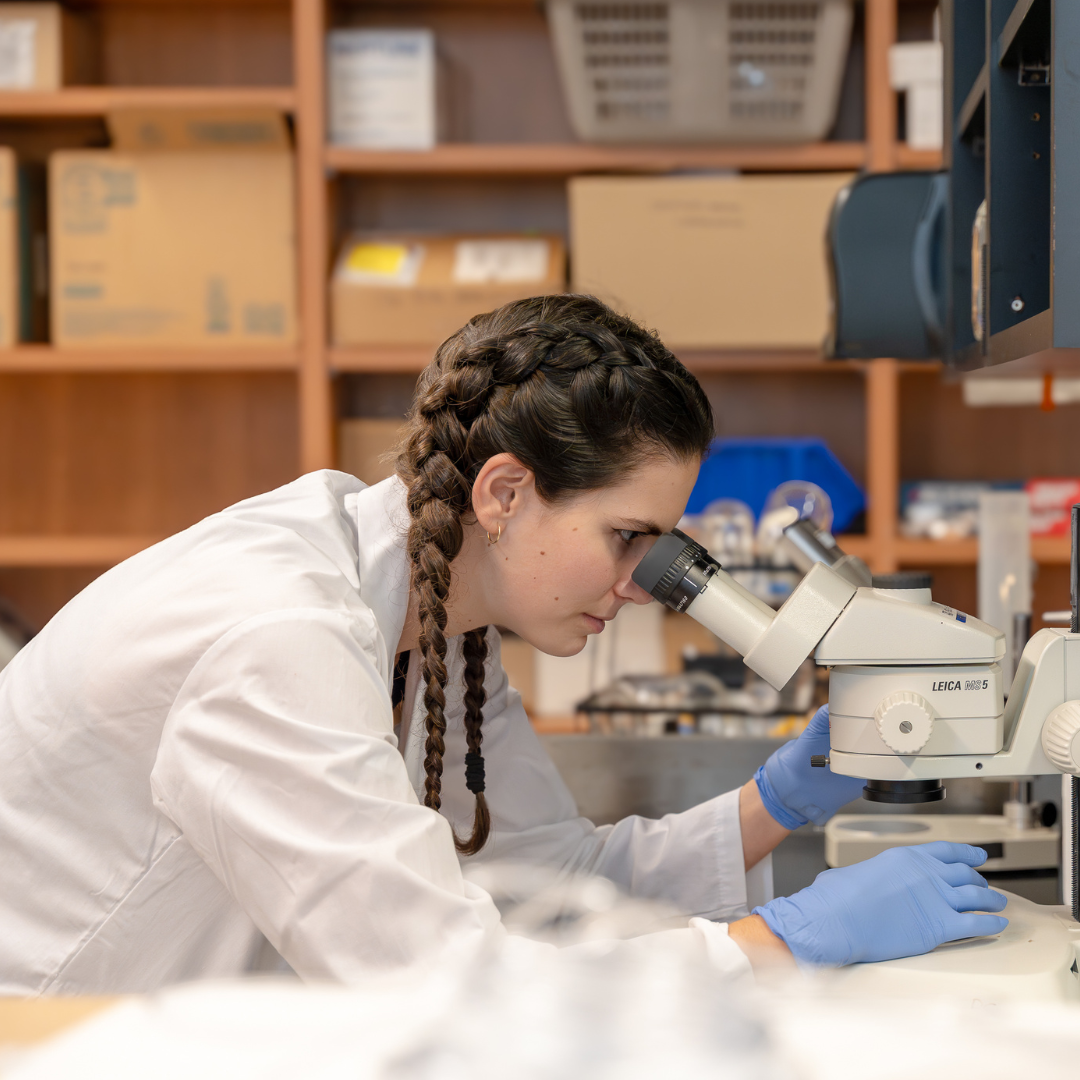
It’s twice as common for females to experience chronic pain as males. Anne Hambly is part of a research team analyzing how male and female hormones influence spinal cord pathways during puberty. In the lab, she compares biological samples treated with different male and female hormones to determine when during puberty these hormones begin to alter spinal cord pathways. As the research group gains more insights into the pathway, it can inform further research to address pain. Read more
Andrew Watford (BSc ’25
Mathematical Physics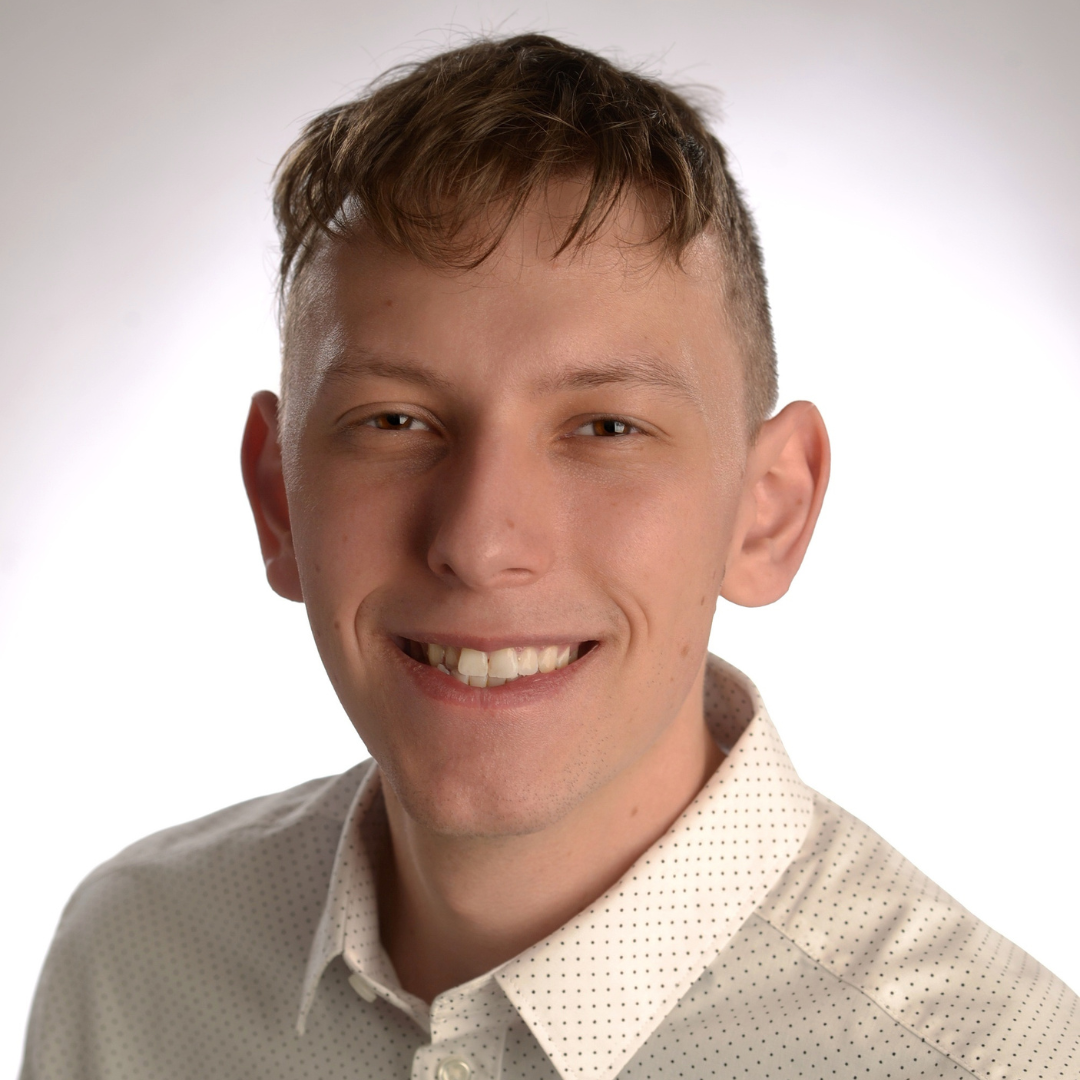
Rising temperatures and intensifying drought continue to worsen with the global climate crisis. Through the power of artificial intelligence, Andrew Watford addressed this challenge by developing more accurate and interpretable tools for forecasting drought, contributing to a peer-reviewed published study on the use of AI to analyze vegetation health and forecast drought patterns in Kenya. Read more
Yusra Kureshi (BSc ’25)
Biochemistry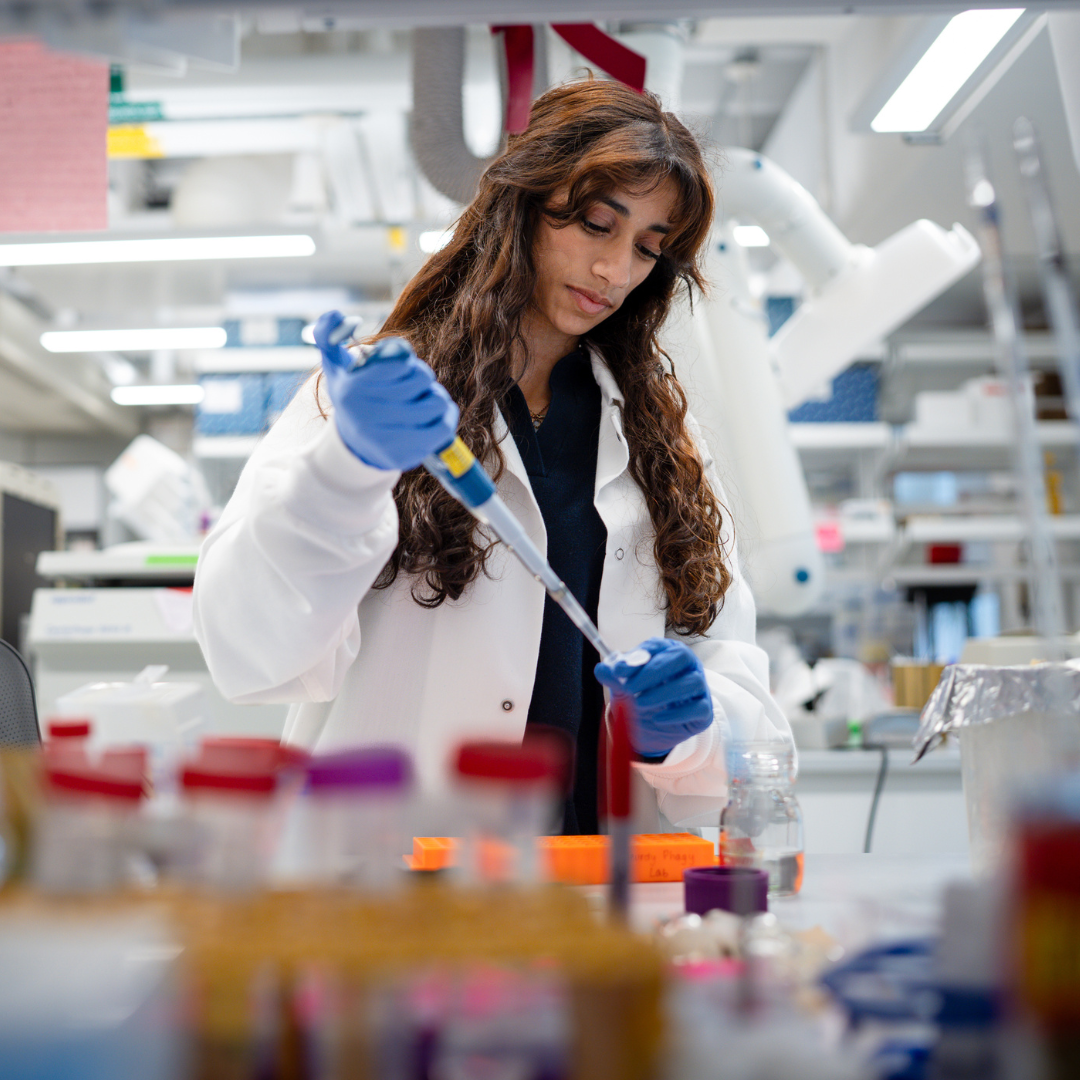
Yusra Kureshi was the recipient of the 2025 Huntington Society of Canada Student Fellowship. Under the guidance of Dr. Dale Martin, Kureshi worked to tackle one of the field’s greatest challenges: developing non-invasive ways to deliver gene therapeutics for treating Huntington disease. In the lab, she worked to refine nanodiscs as a non-invasive solution to deliver gene therapeutics, or small molecules known as antisense oligonucleotides (ASOs), into the brain. Read more
Mia Hepburn
Biochemistry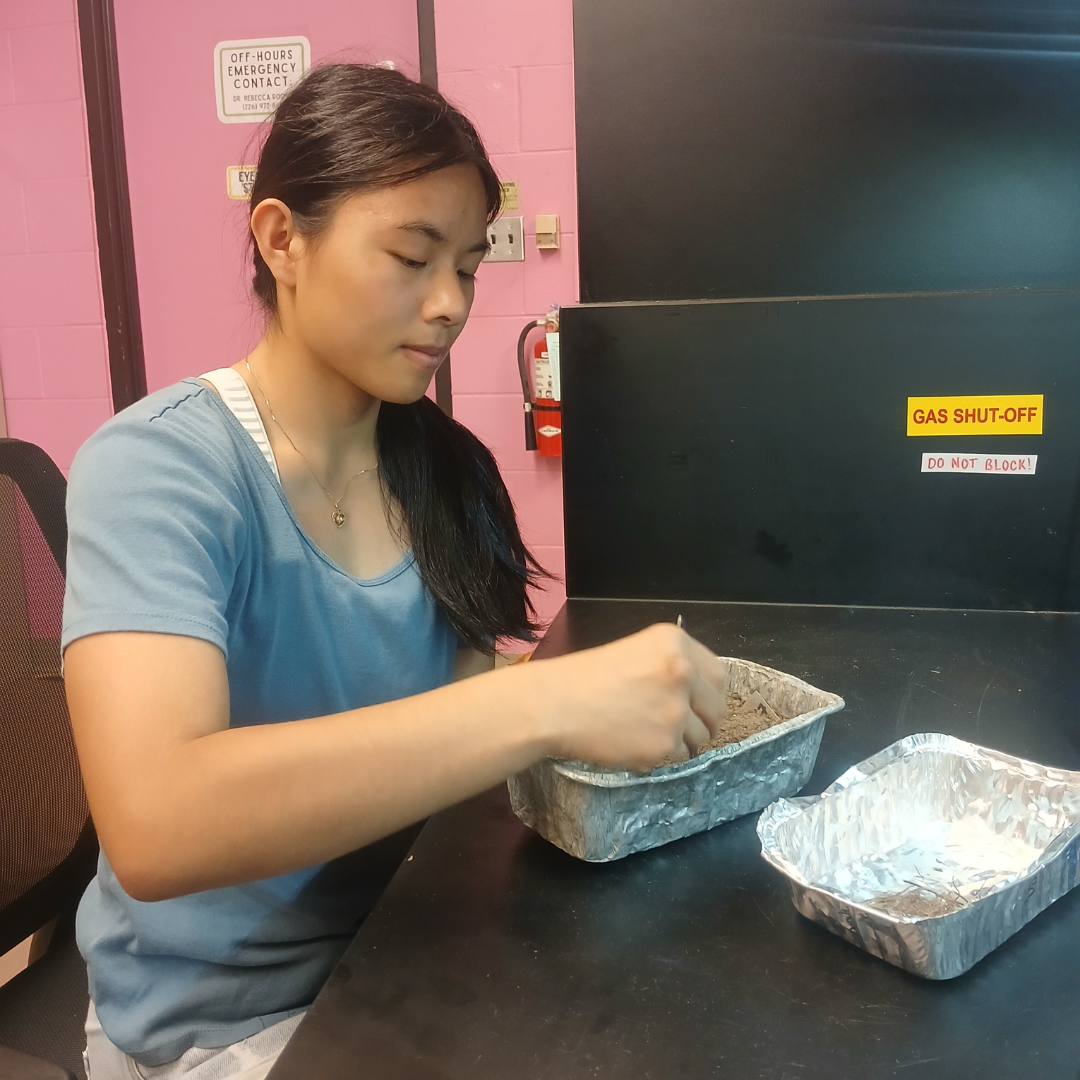
Mia Hepburn spent her summer volunteering with the Waterloo Wetland Lab to transform the Toronto and Region Conservation Authority Meadoway into one of Canada’s largest linear parks in an urban space. Working under the guidance of biology researcher Dr. Rebecca Rooney and master’s student Hayden Epp, Hepburn analyzed soil cores collected along The Meadoway to understand how native plants can help store more carbon in the soil, which could help combat climate change. Read more
Joey Ruck
Earth Sciences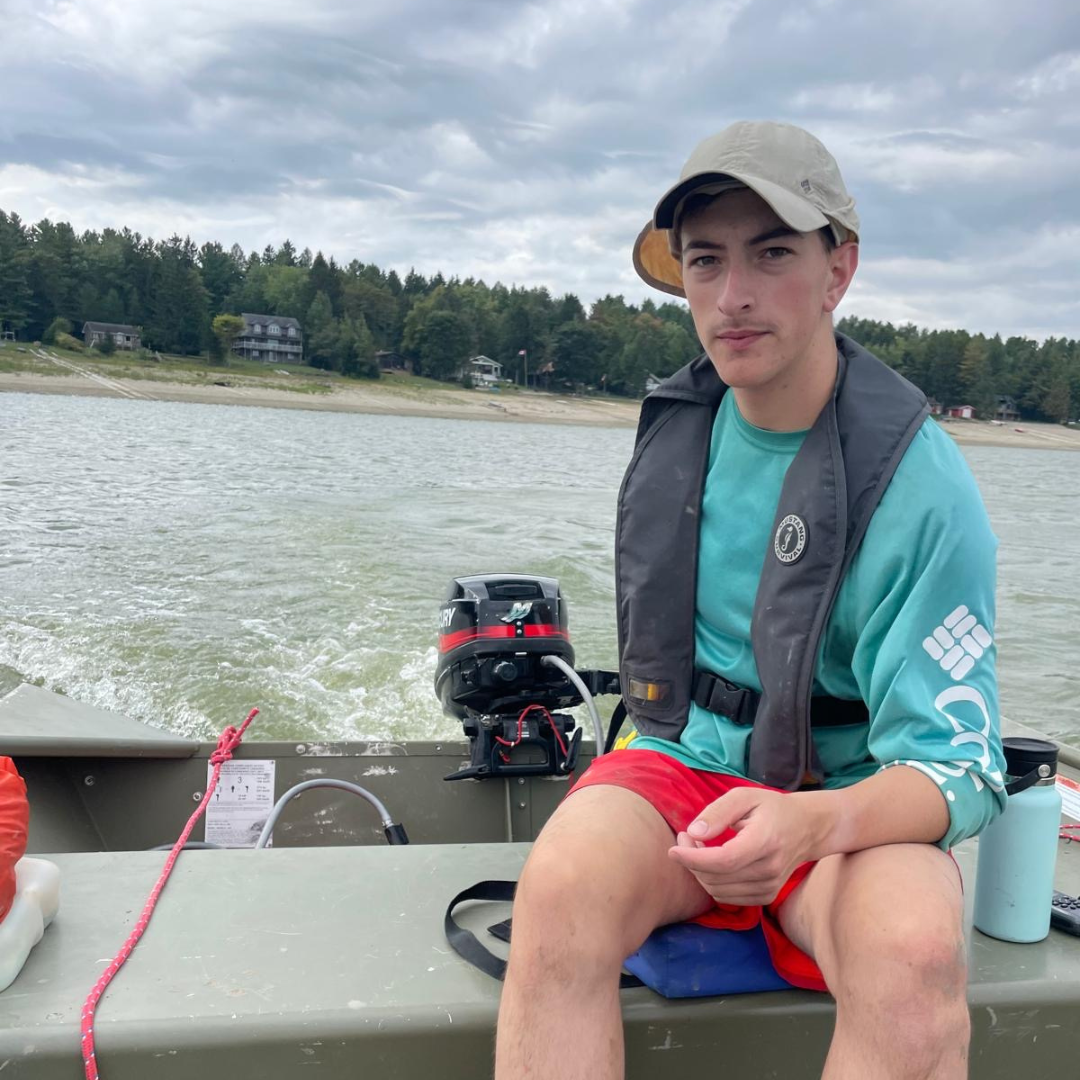
With the ongoing climate crisis and increased nutrient loads in waterways, methane emissions are rising every year. Joey Ruck is tracking emissions in the Belwood Reservoir with Dr. Tonya DelSontro’s Aquatic Greenhouse Gas Dynamics Lab. Using a scientific echosounder, Ruck sends high-frequency acoustic signals into the water that scatter off rising methane bubbles. By analyzing the returning echoes, he can measure the size and concentration of the bubbles and calculate the methane levels being released. Read more
Ariana Pearson
Physics and Astronomy
Ariana Pearson was selected to participate in the prestigious Summer Undergraduate Research Fellowship at the California Institute of Technology (CalTech). At Caltech, Pearson worked at an Exoplanet Technology Lab, gaining hands-on experience with direct imaging instrumentation, including coronagraphs, which are essential tools for detecting planets beyond our solar system. Read more