
At the University of Waterloo, students don’t wait until medical school to gain hands-on experience; they start in their undergraduate degree. Third-year Honours Biology student Anne Hambly is already training in fundamental procedural skills that may lead to surgical training while studying the development of chronic pain.
Hambly’s motivation to pursue medicine stems from a desire to help others the way her surgeon helped her. In high school, she underwent a life-changing double jaw surgery to reposition her upper and lower jaws to create more space in her airway and correct breathing issues. While in recovery, she chose Biology at the University of Waterloo specifically for its hands-on approach to learning to achieve her goal of attending medical school and becoming an ENT surgeon to help others like her.
At Waterloo, Hambly joined Dr. Annemarie Dedek’s lab as a volunteer, and now, as a co-op student, she assists with research on how chronic pain develops differently in males and females. Previous literature shows a link between female hormones and pain associated in the spinal cord; this research is specifically focused on understanding the role of sex on nociception (the neural process that precedes pain).


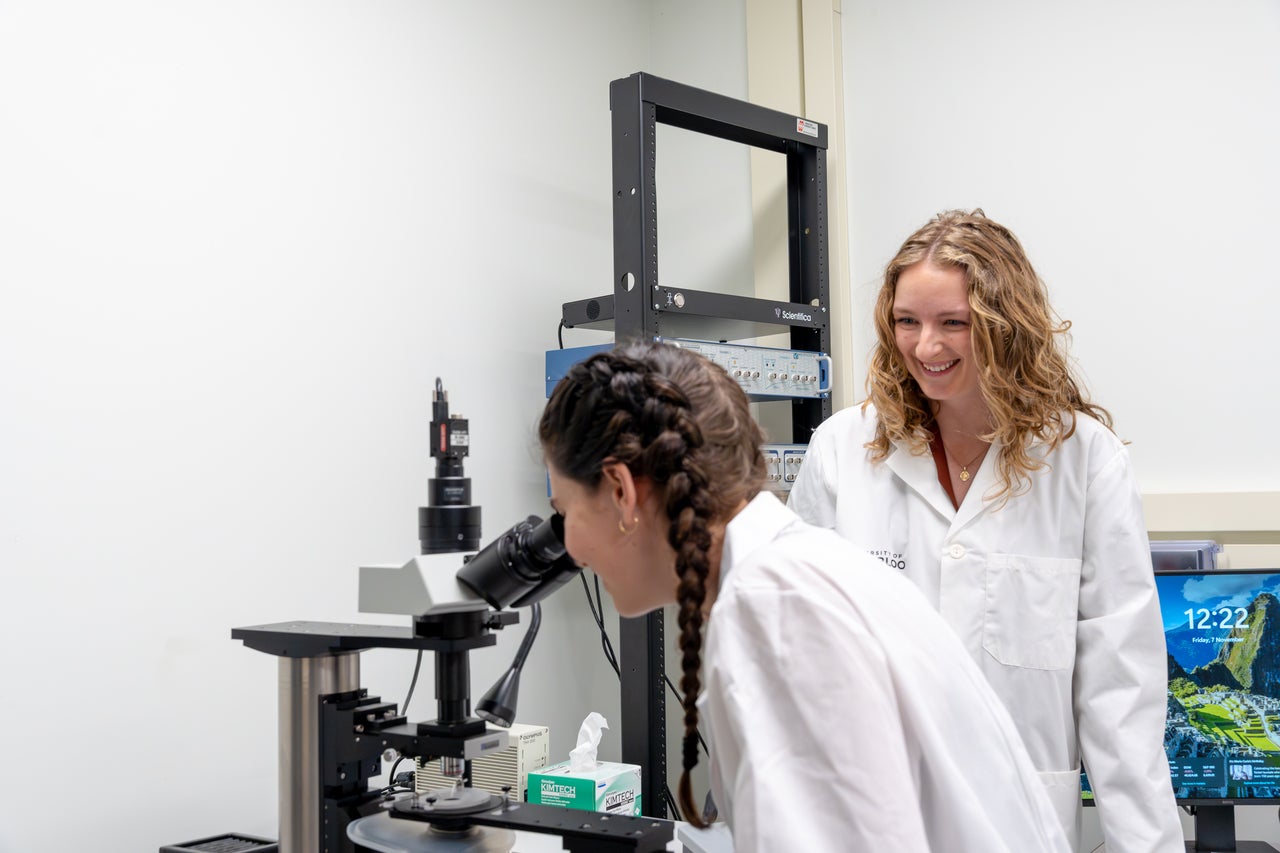
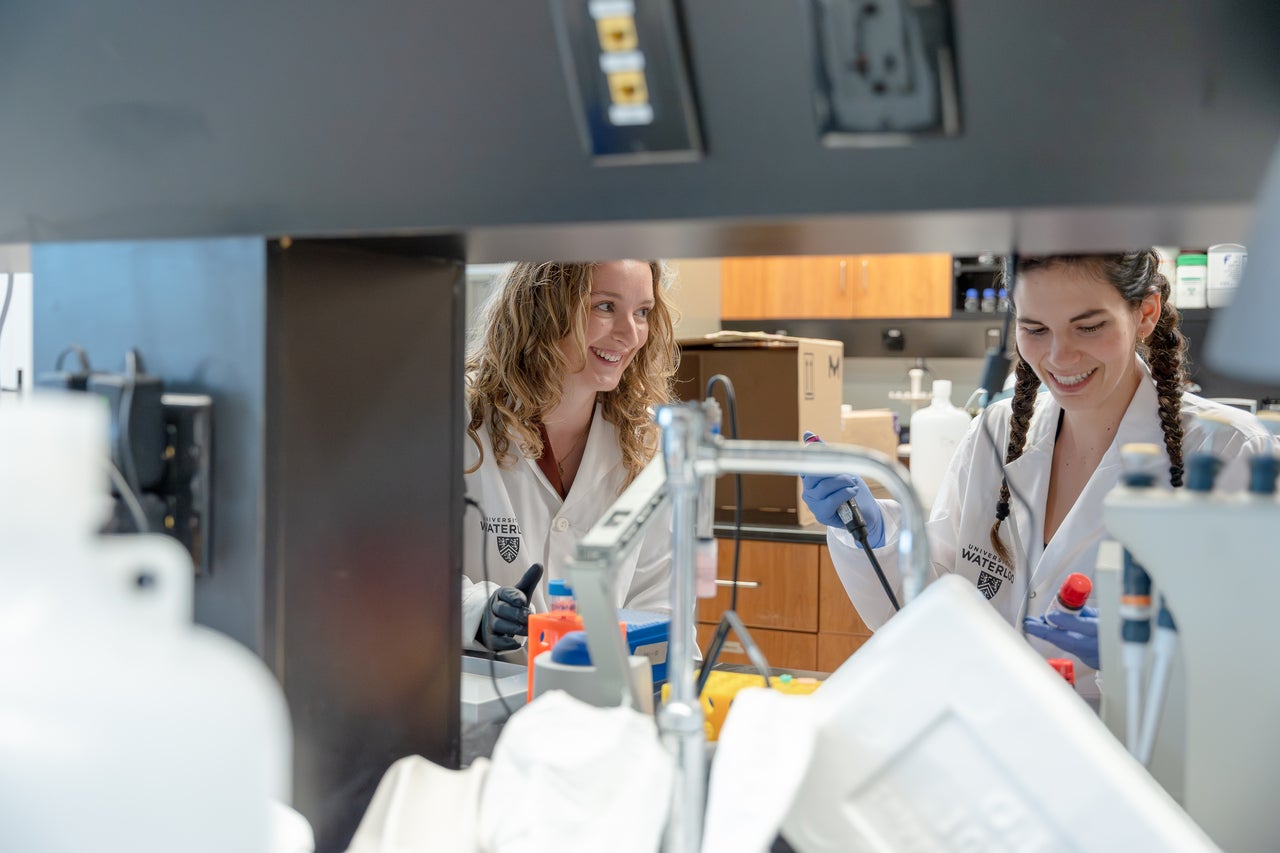
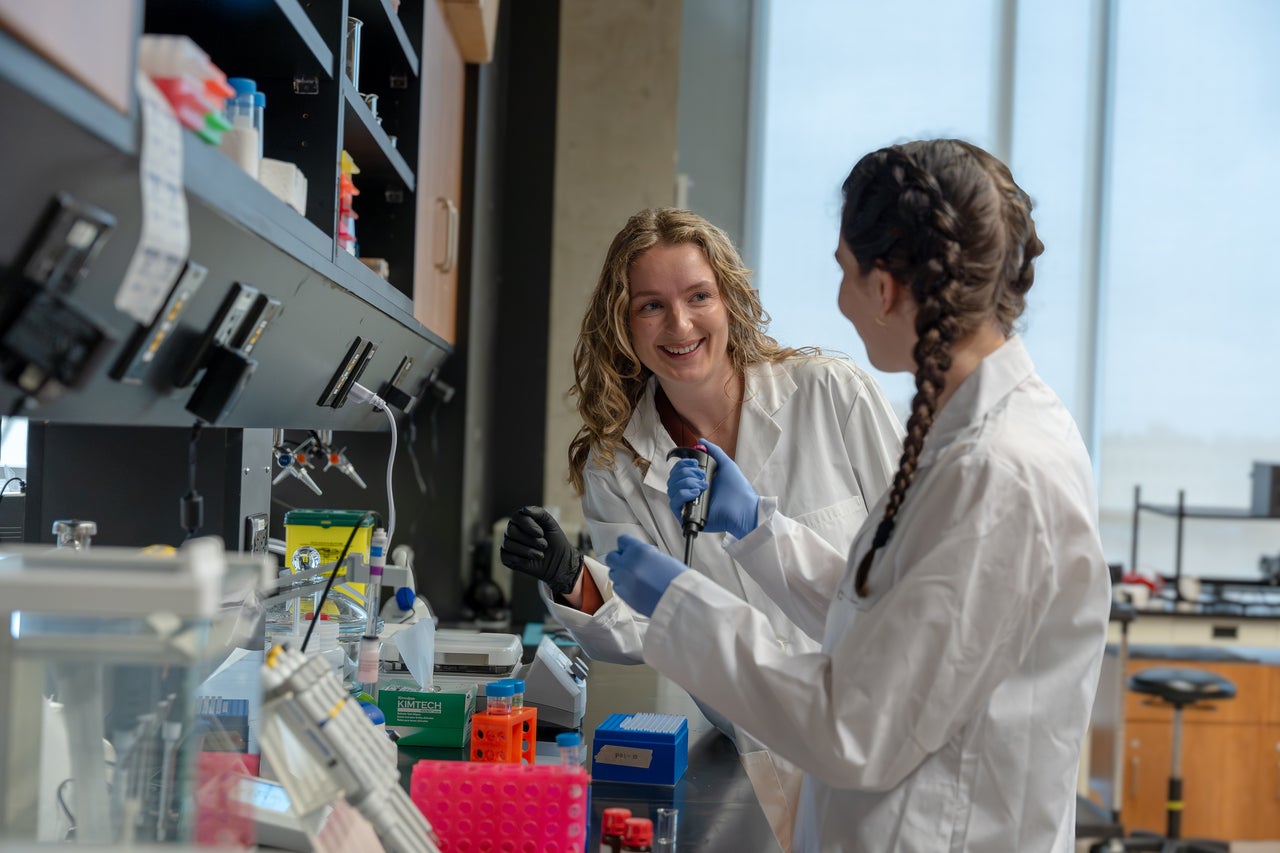
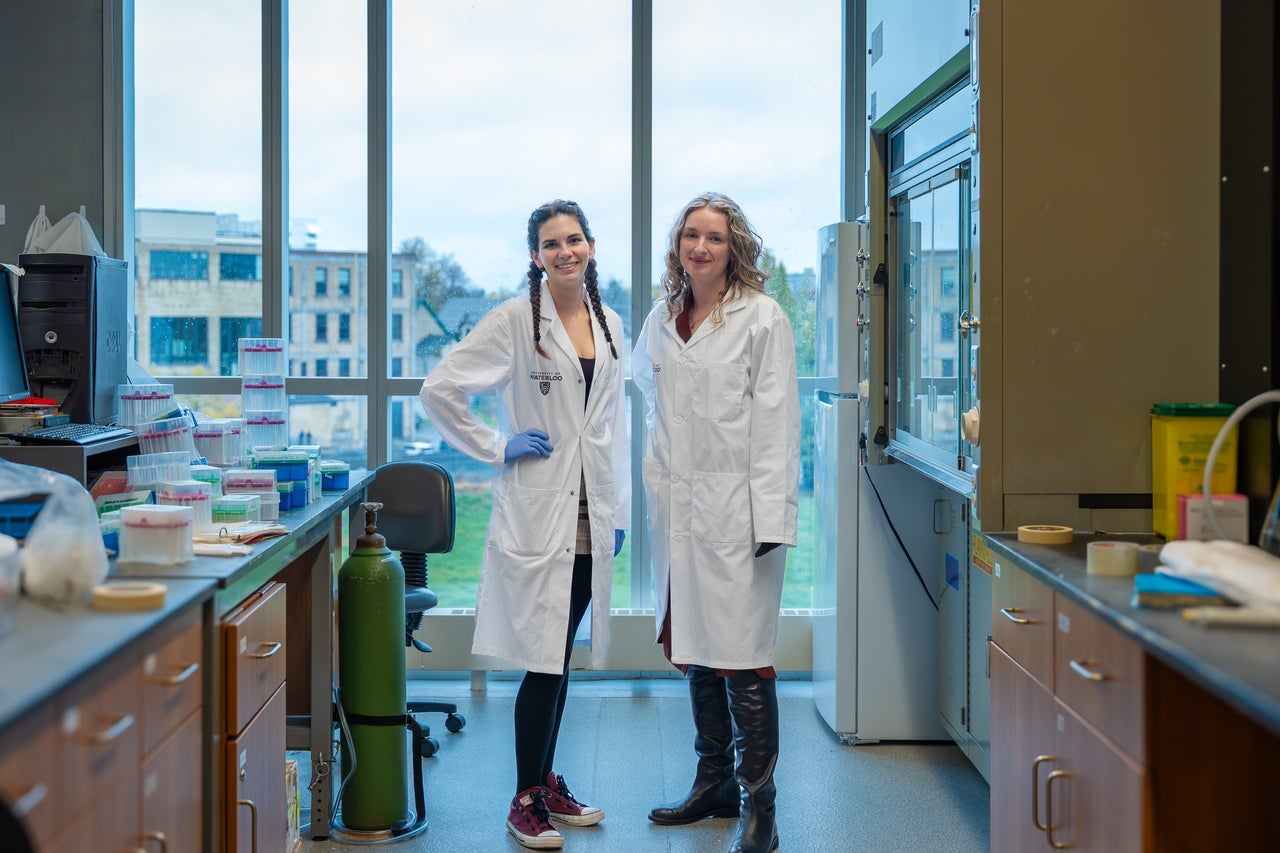
“It’s twice as common for females to have chronic pain as males,” says Hambly. “We are conducting these experiments to understand how pain is processed in females and males so we can address chronic pain.”
In the lab, she compares biological samples treated with different male and female hormones to determine when during puberty these hormones begin to alter spinal cord pathways. As the research group gains more insights into the pathway, it can inform further research to address pain.
“Gaining hands-on experience working directly with these biological samples in the lab has been an amazing experience,” says Hambly. “I’m grateful to be gaining these skills early. It’s preparing me for medical school in a way that sitting in a lecture never could.”
Training undergraduate students for medical school is a top priority in the Faculty of Science at Waterloo. As Hambly continues to build her skills in the lab, she will graduate with the knowledge and experience that will make her application stand out.
“With my lived experience with the medical system, it is exciting to be able to lead some medical research - I am loving the hands-on experience,” says Hambly.
One day, she hopes to work with patients experiencing the same health challenges she once faced by providing the same care that changed her life. For her, her time in the lab at Waterloo is bringing her one step closer to her goal of being a future ENT.