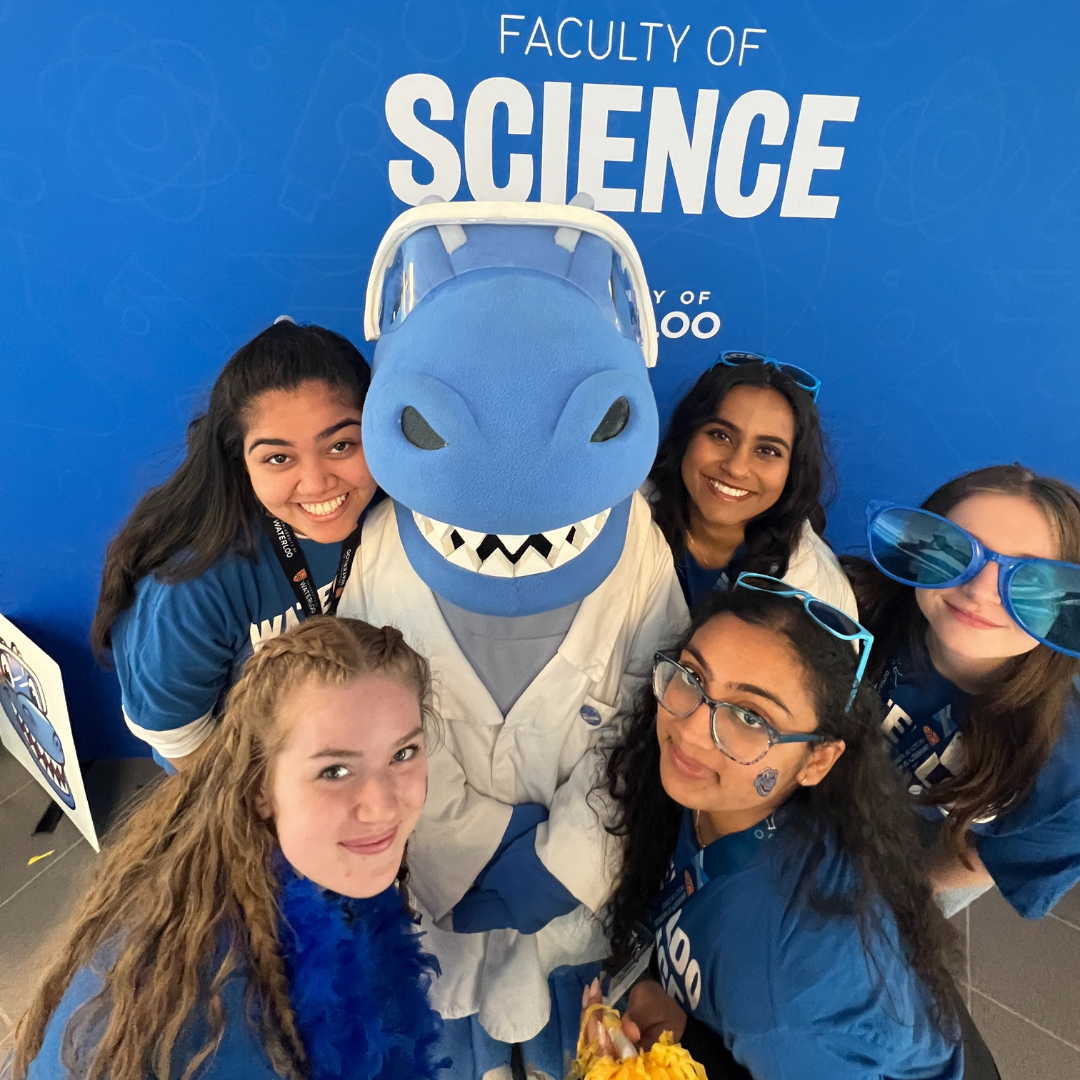
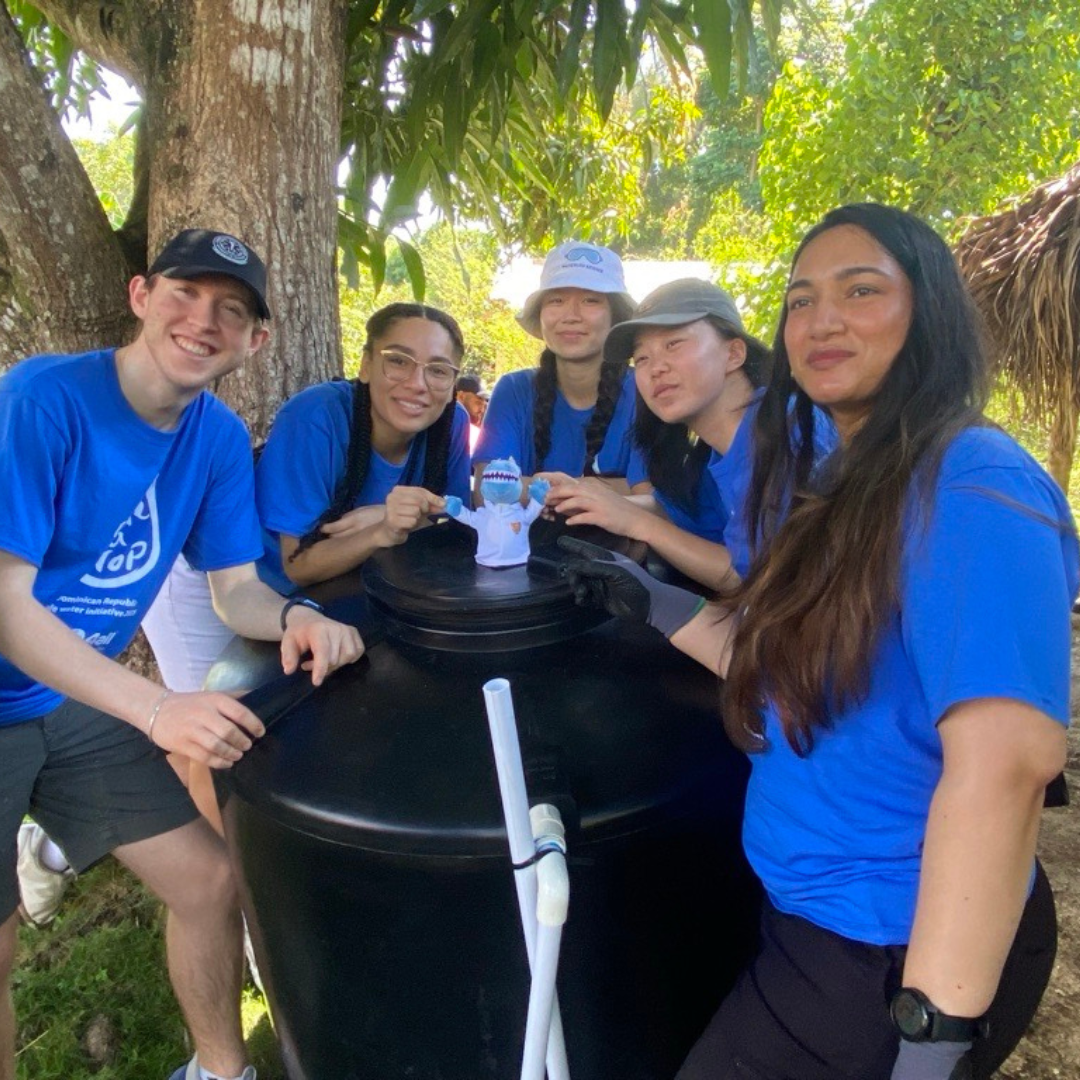
Science students wearing blue shirts at Science orientation

Be a part of the next generation of scientists

Find your fit in Science

The Faculty of Science offers a diverse range of programs and majors in three categories: Life Sciences, Physical Sciences, and Interdisciplinary Programs. Whether you’re interested in biology, chemistry, physics, earth and environmental sciences, aviation, or business, you can choose from 18 programs and nearly a hundred ways to tailor your degree to fit your interests.

We want to see you on campus next term!

With the Faculty of Science’s admission averages typically in the low to high 80s, a wide range of science enthusiasts have the chance to join a world-class institution. As a science student, you can customize your experience through paid co-op work experience, hands-on lab and field experiences, study abroad programs, and undergraduate research opportunities.

Science's recruitment Coordinator Alisia who has a puzzling look on her face and the graphic "Ask Alisia" next to her.

Ask Alisia!

Meet Alisia, your Science Recruitment Coordinator and go-to guide for becoming a Science student! 
 
Whether you’re just starting to explore your program options, in the middle of your application, or celebrating an offer, Alisia is here to support you every step of the way. Our "Ask Alisia” videos are packed with tips, insights and insider advice on becoming a Science student at Waterloo!

Your questions, answered!

Expand Collapse

How do I apply to Science?

How do Science programs work at Waterloo?

  • Choose from 18 majors and take courses in your chosen field, beginning from day one of your first year.
  • You're not required to take a general first year, but if you'd prefer to sample different types of sciences in your first year, Honours Science could be the program for you.
  • Most majors are flexible enough that you can still switch before your second year if you change your mind. Talk to the Science Recruitment Team if you have questions about the flexibility of your chosen major.

What do the Life Sciences and Physical Sciences entry-level programs mean? How do these work?

  • At Waterloo, we offer 12 majors under the entry-level programs Life Sciences and Physical Sciences.
  • It's important to note that Life Sciences and Physical Sciences are entry programs. We do not offer a general first year labelled Life Sciences or Physical Sciences. Rather, you start in the major that you choose on OUAC when you apply. For instance, if you wish to apply into the Life Sciences entry program, and you select Biochemistry as your subject of major interest (SMI), you'll be starting in the Biochemistry major in the fall of your first year.
  • You'll receive an offer into Life or Physical Sciences, but the subject of major interest that you select on OUAC is your major and is what will appear on your degree. For instance, if you select Physical Sciences as your program, and Chemistry as your subject of major interest, you'll receive an offer to Physical Sciences. However, when you start at Waterloo, you'll be starting in Chemistry (all of your courses will be aligned to that major) and your degree will state Bachelor of Science in Chemistry.
  • For example: If you want to be in the Biomedical Sciences program, you need to choose Life Sciences as the entry-level program and then Biomedical Sciences as your SMI. You will begin courses related to Biomedical Sciences in your first year and you will graduate with a Bachelor of Science degree in Biomedical Sciences.

How can I customize my degree?

  • You can choose to customize your degree by adding a specialization, option, or minor(s).

  • Specializations: These add additional focus to your major through specific courses and modifications. Specializations are offered in Biochemistry, Chemistry, Earth Sciences, Environmental Sciences, Science and Financial Management and Science and Business. For Environmental Science and Earth Sciences, you must specialize, and we'll connect with you to confirm your specialization in June, before starting in your first year. For all other majors that offer specializations, they're optional, and you can remain unspecialized if you wish. All declared specializations will appear on your degree when you graduate.
  • Minors: A minor is a set of 8–10 courses that offer additional concentration to your degree. Not all majors or programs have the room/flexibility for minors, so talk with your academic advisor if you wish to add one. See the full list of Waterloo minors.
  • Options: An option is like a minor, but it's typically offered only to students within a specific Faculty.

How many hours of class will I have per week and what is the workload like?

  • It depends on your major, but you will have around 15 hours of class per week and around 3-8 hours of labs and/or tutorials.
  • Check our undergraduate programs page to learn more about each major.

Where can I live?

  • The University of Waterloo offers guaranteed residence for all first-year students - you'll have no problem finding a spot! Learn more about campus residence and housing.

How much is tuition? What are the other fees I should expect?

Can I visit campus?

  • Yes! Visiting Waterloo is one of the best ways to discover our campus and experience life as a Warrior. Check out our tours and events page to see all the different ways you can experience Waterloo.