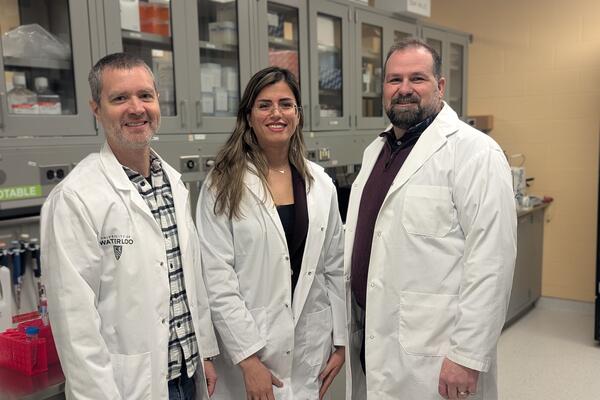
A new study from the University of Waterloo uses mathematical modelling to examine how Vitamin C affects chemical reactions in the digestive system that are linked to cancer development.
Over the last several decades, North American diets have seen a steady increase in exposure to nitrates and nitrites: compounds found in cured meats as well as fruits and vegetables grown using polluted soil and water. While nitrates and nitrites play important roles in neurological and heart health, in the stomach, they can undergo a chemical reaction known as “nitrosation” and form chemicals that many scientists suspect increase cancer risk.
“Since at least the 90s, researchers have been studying the link between cancer and these compounds, with conflicting results,” said Dr. Gordon McNicol, a post-doctoral researcher in applied mathematics and the first author of the study. “Our work suggests that the presence of dietary Vitamin C may help explain these inconsistencies.”
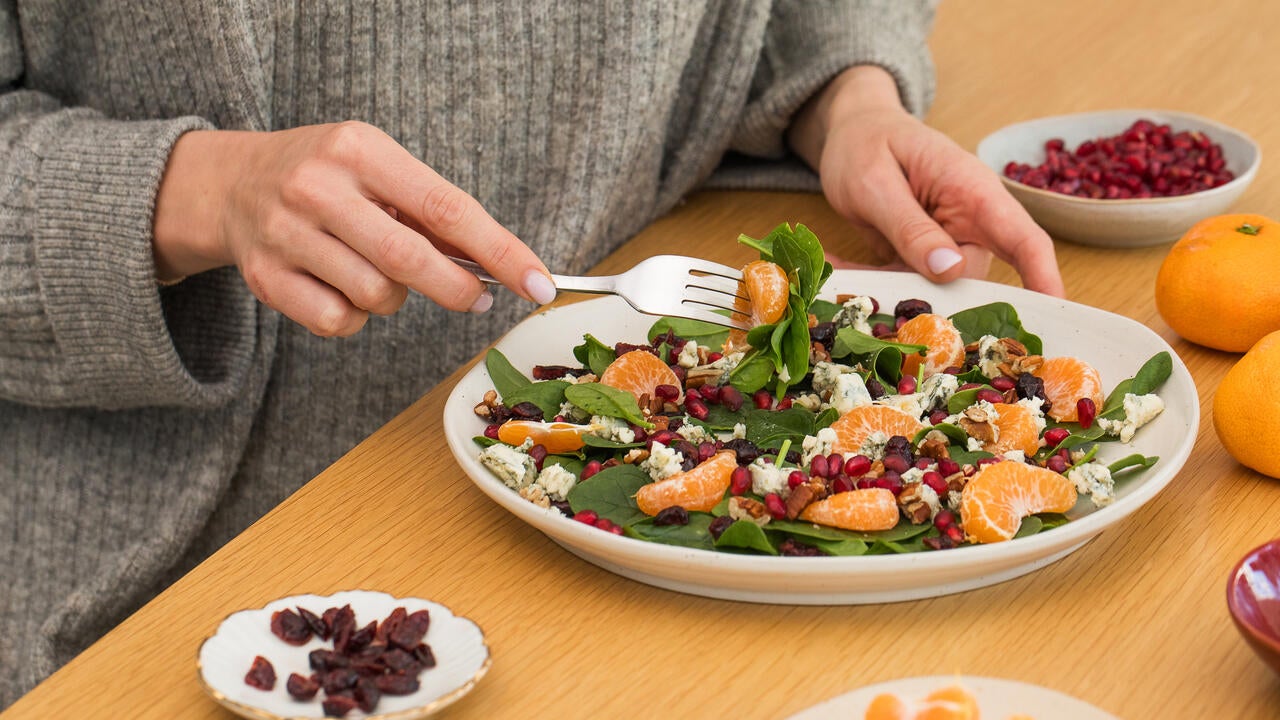
The team built a mathematical model of the salivary glands, stomach, small intestine and plasma, and simulated how nitrites and nitrates move through the body and change over time. Their model demonstrated that when Vitamin C is also present in food, such as leafy greens like spinach, which contain both Vitamin C and nitrate, it could decrease cancer risk.
The study also suggested that taking Vitamin C supplements after each meal could have a moderate positive effect in reducing the formation of nitrosation products associated with cancer risk from dietary nitrites and nitrates, such as those found in foods like bacon and salami.
The researchers hope these findings will support future nutrition research.
“This work provides a mechanistic roadmap for future clinical and laboratory studies by identifying the key interacting drivers of these potentially harmful chemical reactions, including nitrite exposure, antioxidant intake, meal timing, gastric conditions and oral microbiome activity,” said Dr. Anita Layton, professor of applied mathematics and Canada 150 researcher chair. “This model can help researchers design more targeted experiments and interventions, focusing on when and in whom nitrosation is most likely to occur.”
The research, “Vitamin C as a nitrosation inhibitor: A modelling study across dietary patterns and water quality,” appears in the Journal of Theoretical Biology.