Hiding inside the University of Waterloo’s Special Collections & Archives, you can find a plethora of materials that document LGBTQ+ lives, creativity and community across generations. Guided by archivists like Danielle Robichaud and Nicole Marcogliese, these collections help preserve stories that ensure marginalized voices are documented with care, context and intention.
“These collections really speak to the importance of preserving diversified voices in the archives and making sure there's better representation,” Marcogliese explains. “It’s something our department is really mindful of moving forward: How can we present a more holistic look at past stories and experiences?”
Read on to see some of the LGBTQ+ collections that help students, researchers, alumni and community members explore history from diverse, real-world perspectives.
Lesbian pulp fiction collection
At first glance, pulp fiction might seem disposable — cheaply produced paperbacks with sultry covers and sensational titles. But they also brought tremendous opportunities for unknown authors who wanted to share unconventional stories.
“It was an obvious and immediately available entry point for systematically marginalized authors to get their voices out and to disseminate stories that fell outside of the mainstream publishing model,” Robichaud says.
On their surface, the books tell fictional stories about same-sex relationships, but many readers found much more. Each story reveals how people imagined identity, desire and possibility in periods when open discussion was rare.
Printed on pulp paper, which is highly acidic and falls apart over time, Special Collections & Archives stores and handles each book with care. Preserving these fragile texts allows researchers to examine both their cultural content and their material history — from cover art to publishing practices — and prevent them from literally falling apart.
Zines: Contemporary voices and community care
Zines represent a contemporary continuation of grassroots publishing. Often photocopied, self-published and distributed through small presses or mail subscriptions, zines prioritize accessibility over polish.
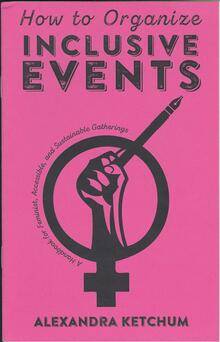
Much of the zine collection includes instructional and community-building content. Individual zines offer guidance on topics like being a good ally, supporting a transitioning friend or hosting inclusive events. As Robichaud explains, zines “tend to invite people to have a conversation,” encouraging readers to reflect on how they engage with the world around them.
By collecting contemporary zines, archivists can ethically support marginalized creators by purchasing their work directly while capturing contemporary voices in print, which isn’t easily edited or deleted like online publications. Preserving the zines ensures that future researchers will have access to today’s conversations, along with the current context.
“When I receive documents that are decades old, I have to build the puzzle back together,” Marcogliese explains. “But if we’re proactive and collect current items, you potentially still have access to the people who are involved who can maybe offer context. And that serves the researcher who will come looking for it.”
The John Herbert fonds
The papers of Canadian playwright, director and author John Herbert offer another perspective on LGBTQ+ history in Toronto’s theatre scene during the 1960s and 1970s. The collection includes scripts, correspondence, handmade posters, event tickets and other materials that document both his artistic career and the broader gay and lesbian theatre community of the time.
“The collection documents the lived experiences of people who were having to navigate being openly gay and out at a time when it wouldn't have been widely accepted,” Robichaud says. “It's also documenting items from theatre productions, activities and events within the Toronto gay and lesbian community that, again, would have been ephemeral — like tickets that John drew and did the calligraphy for and then photocopied to sell.”
What makes this collection especially valuable are Herbert’s notes. He annotated documents extensively, leaving behind bold, handwritten explanations of why items mattered and how they fit into his life and work. They allow researchers to explore Herbert not just as a subject, but as a guide that tells them why each piece was kept and valuable.
With new additions to the fonds currently being processed, the collection continues to grow, offering fresh opportunities for research and teaching.

 At first glance, pulp fiction might seem disposable — cheaply produced paperbacks with sultry covers and sensational titles. But they also brought tremendous opportunities for unknown authors who wanted to share unconventional stories.
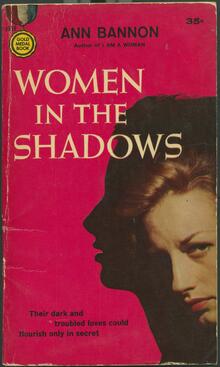 Printed on pulp paper, which is highly acidic and falls apart over time, Special Collections & Archives stores and handles each book with care. Preserving these fragile texts allows researchers to examine both their cultural content and their material history — from cover art to publishing practices — and prevent them from literally falling apart.
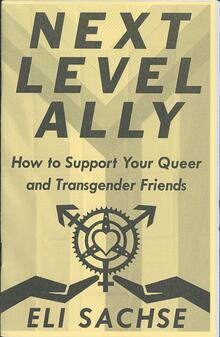 Zines represent a contemporary continuation of grassroots publishing. Often photocopied, self-published and distributed through small presses or mail subscriptions, zines prioritize accessibility over polish.
 “When I receive documents that are decades old, I have to build the puzzle back together,” Marcogliese explains. “But if we’re proactive and collect current items, you potentially still have access to the people who are involved who can maybe offer context. And that serves the researcher who will come looking for it.”
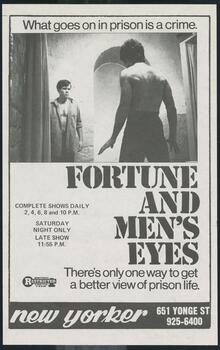 The papers of Canadian playwright, director and author John Herbert offer another perspective on LGBTQ+ history in Toronto’s theatre scene during the 1960s and 1970s. The collection includes scripts, correspondence, handmade posters, event tickets and other materials that document both his artistic career and the broader gay and lesbian theatre community of the time.