One Step Closer to Smarter Electronic Devices, Using Voltage-Driven Ionic Control
Researchers at the University of Waterloo demonstrate an innovative way to manipulate spin properties.
Researchers establish a novel way to strengthen electron correlations by controlling flat band electronic structures in Transition Metal Dichalcogenide.
Dynamic nuclear polarization and nanometer-scale magnetic resonance imaging creates unprecedented opportunities to study biological structures
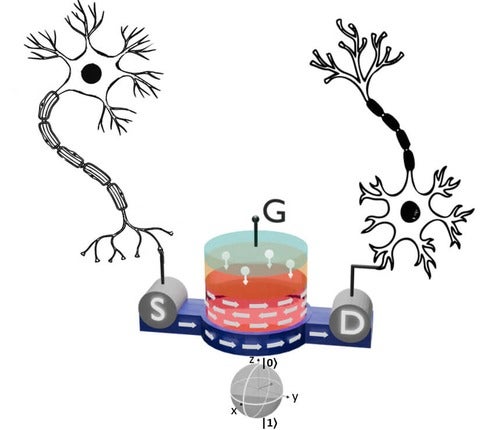
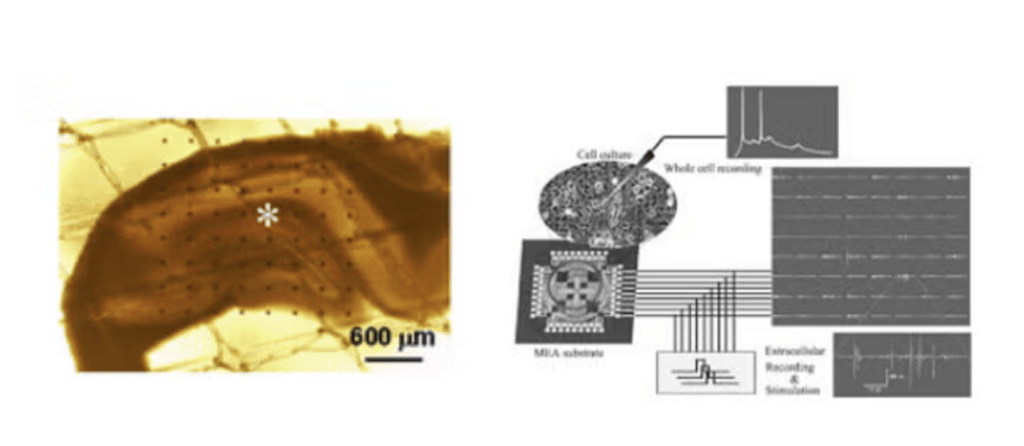
Researchers supported by Transformative Quantum Technologies (TQT) have demonstrated an iontronic platform that is configurable to mimic neuromorphic functions on a hardware level.
Quantum methods can lead to more efficient and precise solutions to environmental issues over conventional methods, accelerating the path to sustainability. Already, TQT-supported researchers have used quantumbased techniques to address environmental needs such as heavy metal detection, energy-efficient electronics, sustainable computing, and atmospheric monitoring.
Two-dimensional electron gases in quantum wells are a powerful resource for several quantum technology applications, including quantum sensing, metrology, and topological quantum computing.
The eighth round of the Quantum Quest Seed Fund (QQSF) was targeted at the Faculty of Arts and intended to encourage ideas and uncover opportunities from diverse fields outside of the scope of researchers working day-to-day with quantum devices. This resulted in project awards to Dr. Lai-Tze Fan, a Professor in the Department of Sociology & Legal Studies cross-appointed in the Department of English Language and Literature, and Dr. Igor Grossmann, a Professor in the Psychology Department, who both want to improve the accessibility and understanding of quantum.
TQT-supported graduate student furthers neutron-based quantum material research with visit to Australia.