Co-Editor-in-Chief Susan Elliott releases first volume of new journal "Wellbeing, Space and Society"
The first volume of a new, open-access journal, Wellbeing, Space & Society, is now available online!
Researchers at the University of Waterloo are working with engineers at the Region of Waterloo to better understand the concentrations of microplastics in our local water supply.
Microplastics are tiny particles of plastic — smaller than five millimetres — that come from a variety of sources, including plastic litter that breaks up into smaller pieces as it degrades, the tiny beads used in exfoliants and facial scrubs, and even tiny plastic fibres sloughed from synthetic clothing in the laundry.
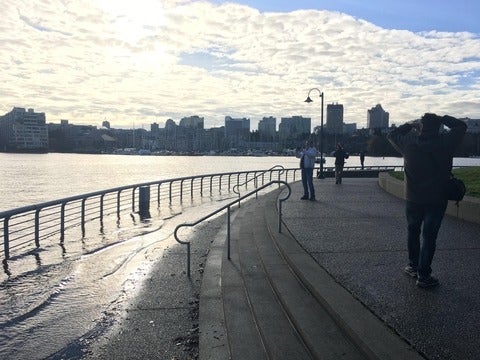
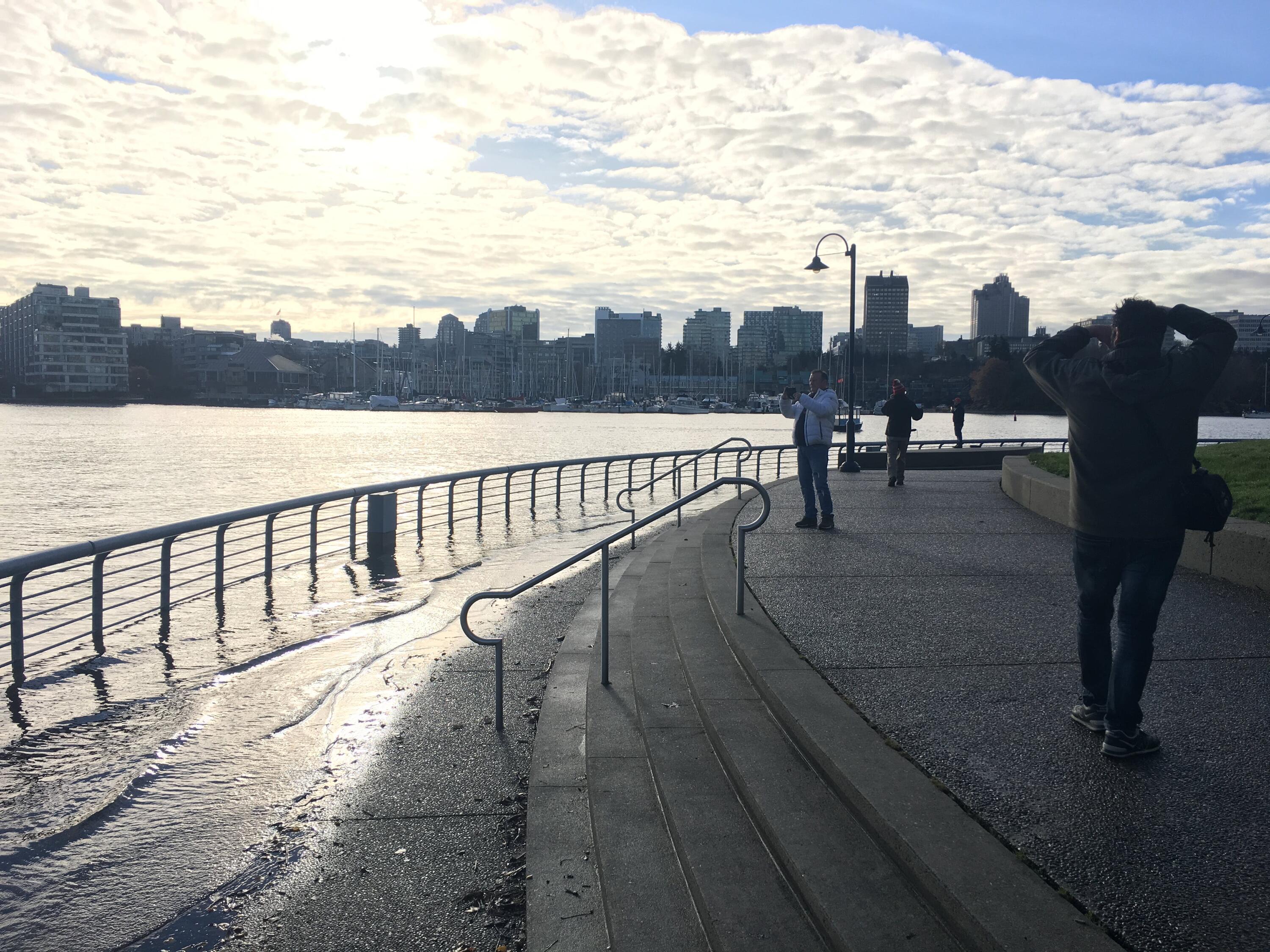
University of Waterloo joins major research project to help communities on British Columbia’s South Coast prepare and adapt for sea level rise and flooding.

This article was written by Waterloo PhD candidate and graduate of the Collaborative Water Program, Elaine Ho.

Gender equality and Science are vital for the achievement of the United Nations’ Sustainable Development Goals. Over the past 15 years, the global community has made a significant effort in inspiring and engaging women and girls in science. Unfortunately, women and girls continue to be excluded from participating fully in science.
Wetlands provide valuable ecosystem services, such as reducing flood peaks during wet periods, augmenting baseflows during dry periods and water purification, and they enhance biodiversity. There is increasing interest in using wetlands as ‘nature‐based solutions’ for flood mitigation and soil and water conservation. However, over time, there can be water-quality tradeoffs and wetlands can become sources of nutrients to downstream water bodies.
Water Institute member and Director of Waterloo's Collaborative Water Program, Nandita Basu, has been selected as a 2021 Earth Leadership Fellow.

Two Water Institute members and leading experts in wetlands ecology will study ways to control invasive species and restore the health of Southampton’s beloved Fairy Lake under a new research project launched by the Nuclear Innovation Institute (NII) and the Town of Saugeen Shores.