Sediment records to provide a missing link: Distinguishing roles of climate change and river regulation on lake drying in the Peace-Athabasca delta

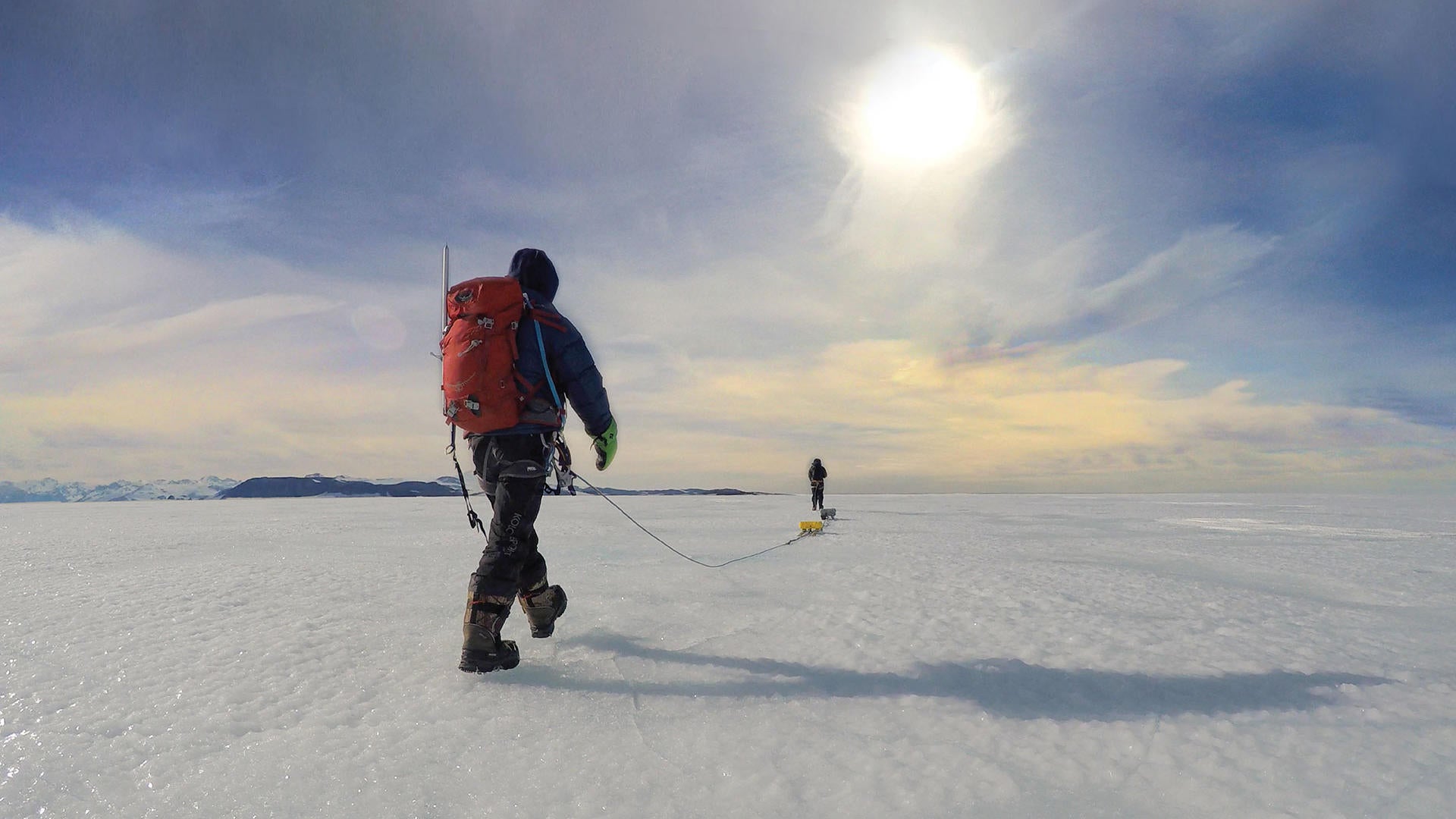
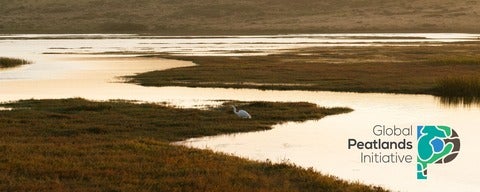
A drying lake. Photo by Robert Magee, Aurora Helicopters

A drying lake. Photo by Robert Magee, Aurora Helicopters

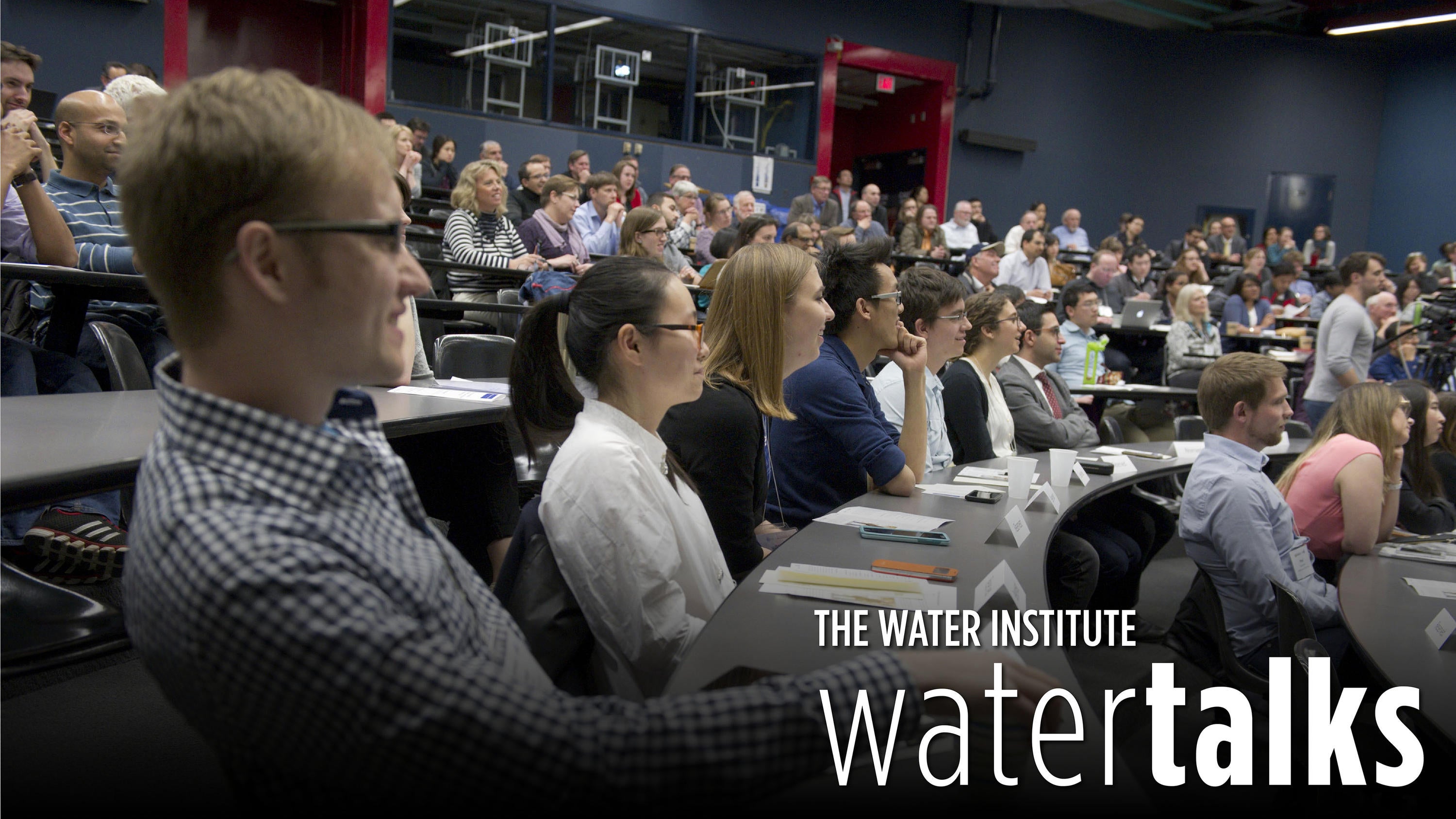
The Water Institute is pleased to announce several Fall 2019 WaterTalks. Please stay tuned as more talks will be announced in the near future! Mark your calendars!
On Wednesday a group of more than 50 agriculture industry experts, government officials, crop consultants and farmers attended the Ontario phosphorus research for today’s farming agricultural farm tour hosted by Water Institute member and Professor in the Department of Geography and Environmental Management Merrin Macrae and th

Water Institute members from the Department of Biology, Professors Michael Power and Heidi Swanson received important financial support for their study that examines mercury contamination in Arctic char in Frobisher Bay. The funding was announced last week when Jonathan Wilkinson, Canada’s minister for fisheries and oceans and Prime Minister Justin Trudeau visited Nunavut.
Hohai University, China’s foremost university in water and the environment, recently hosted the 8th International Conference on Water Resources and Environment Research (ICWRER 2019). From June 14th to 18th, over 300 delegates, including over 70 international attendees from 13 countries, visited Hohai University in Nanjing, China, to participate in the conference.
Climate change is a deciding factor in record high water levels in the Great Lakes being higher than ever before, as Water Institute member and head of the Intact Centre on Climate Adaptation, Blair Feltmate discussed with Ben Mulroney, co-hostof CTV’s Your Morning yesterday.