
In this two-part event series in October and November 2021, 20 students from the Indian Institute of Technology Delhi and the University of Waterloo worked together to solve real-world energy access case studies in both India and Canada. Students participated in an 'Innovation Lab' style workshop where they worked together to solve a sustainable energy challenge for remote communities in Canada and India. Professors from both institutions attended as advisors and judges. This event was conducted in partnership between Waterloo International and the Waterloo Institute for Sustainable Energy.
Participants from the University of Waterloo and the Indian Institute of Technology, Delhi were selected for an event around a sustainability topic based on the Waterloo Institute for Sustainable Energy’s ‘Innovation Lab’ framework. During the pandemic, the goal of the event was to build connections between students and institutions, and to challenge students to work together to use their skills and address a sustainability issue that impacts both their countries.
Event Details
Ten students from each institution were presented with two real-world case studies highlighting the challenges in access to affordable and clean energy faced by Canadian and Indian communities in the first part of the Sustainability Challenge held on 30th October 2021. The second part, Innovation Lab, took place on 27th November 2021, wherein all students met again and discussed their proposed solutions with the respective teams.
The event commenced with a warm exchange between Prof. Ian Rowlands, Associate Vice-President International at the University of Waterloo, and Prof. Naveen Garg, Dean of International Programmes, IIT Delhi. It was followed by a series of student presentations; stories about themselves, their universities, and the history and culture shared by India and Canada. The students also expressed their motivation behind their participation and engaged in deep conversations to understand each other's opinions, ideas, and approaches towards solving the critical sustainability issues.
Four cross-university teams were made of five students each. Each group was assigned one aspect of the sustainable energy solution to work on – technology, economy, society, or environment, and was given 15 minutes to discuss their proposed answers. Teams then met together so that each group could debate and discuss each of their proposed solutions. Special thanks to Ms. Ambika, Manager of Global Programs and Initiatives at the Waterloo Institute for Sustainable Energy for facilitating the conduct of the event.
Several professors from both universities, working in the sustainability domain, were also present to judge the proposed solutions and offer feedback, which enhanced the dialogue further.
The students presented thoughtful and innovative solutions for the two energy challenges that showcased their passion for the world's sustainability challenges and teamwork between the students of the two universities. Towards the end, a concluding ceremony celebrated the immense amount of collaborative hard work the students had put in. Each student was also given a book as a symbol of cultural exchange.

Theme
Both India and Canada face issues regarding Sustainable Development Goal number 7 – access to affordable and clean energy. In particular, remote and off-grid communities in both countries have reduced or costly electricity services, and in some cases do not have access to clean-burning cooking fuels.
Students created projects that are cost-effective, provided meaningful services to community members, placed community voices and opinions at the forefront of decision making, and are planned for self-sufficiency within three years. The innovation lab brought together students to design sustainable energy solutions for both communities, given information on technology and costs.
Outcome
Students were split into groups of three - five, with a mix of students from each university, and assigned a sub-topic: technology, economy, society, or environment. After individual discussions with their group members, and three sets of twenty-minute meetings for groups to discuss with other groups, the four groups developed a single cohesive solution for each community, combining technology, economy, society, and environmental aspects. Students briefly presented their solution, and then participated in a guided discussion and debrief to the Innovation Lab.
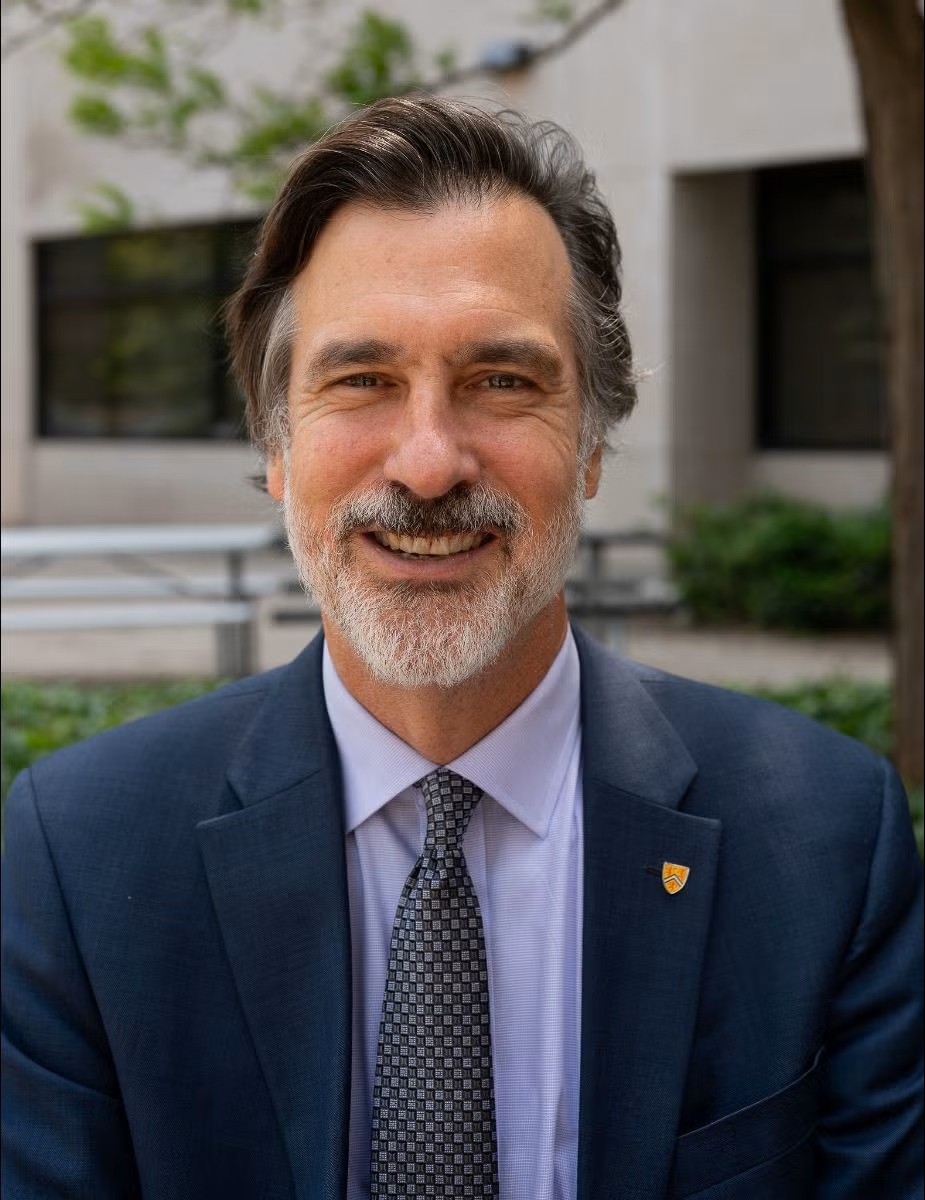 |
Professor Ian Rowlands, Associate Vice-President International at the University of Waterloo |
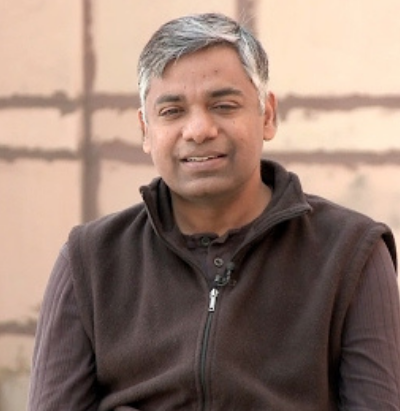 |
Professor Naveen Garg, Dean of International Programs at IITD |
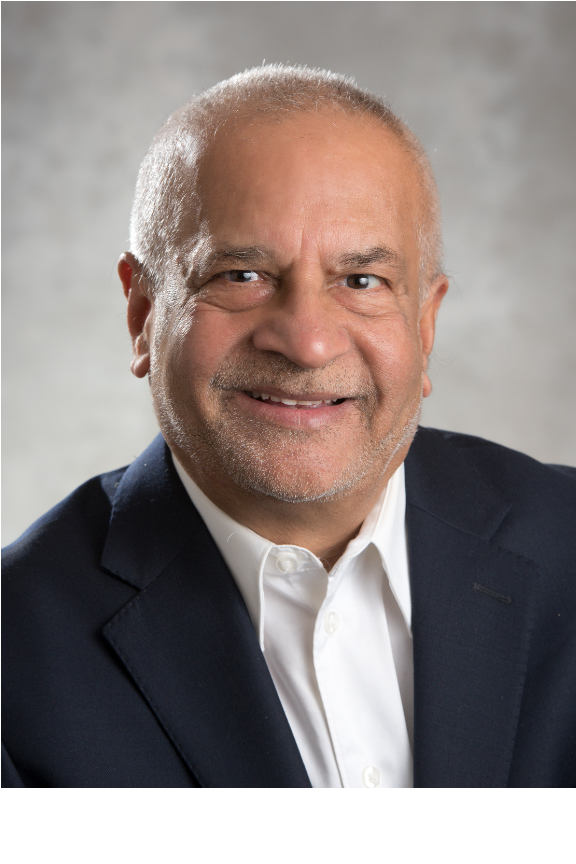 |
Professor Jatin Nathwani, Faculty of Environment and Engineering, University of Waterloo |
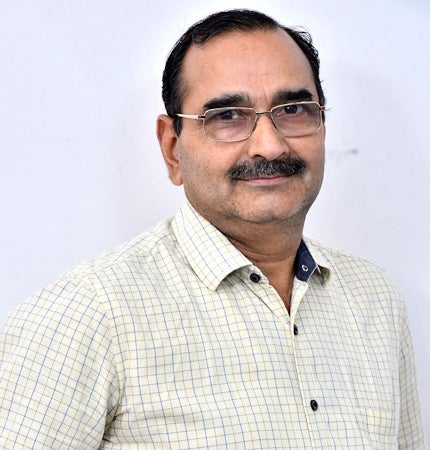 |
Professor SK Tyagi, Department of Energy Science and Engineering at IITD |
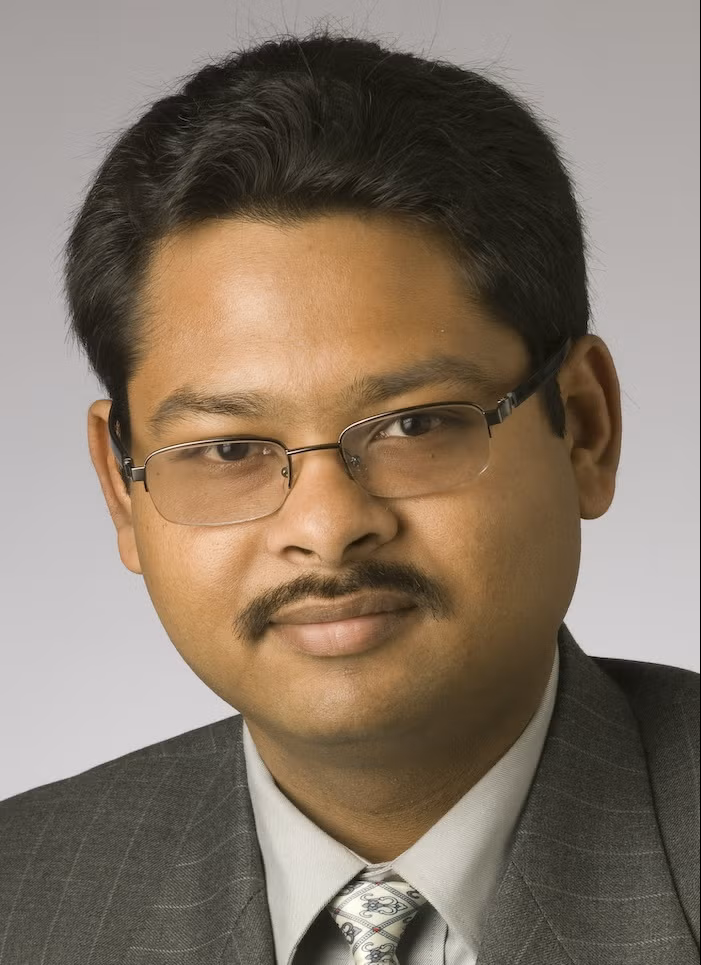 |
Professor Dipanjan Basu, Faculty of Engineering, University of Waterloo |
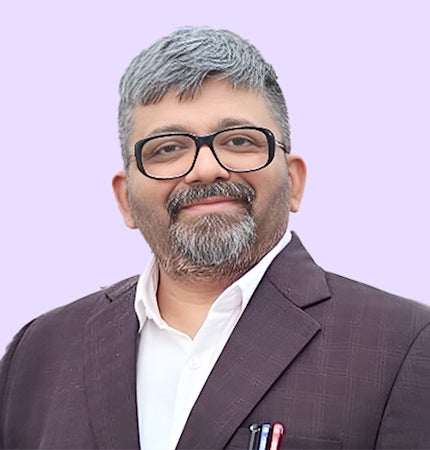 |
Professor Dibakar Rakshit, Department of Energy Science and Engineering at IITD |
 |
Dr. Abdelsalam Eajal, Faculty of Engineering, University of Waterloo |
Agenda
| 8:30am-8:40am EST /7:00pm-7:10pm IST: | Introductions and opening remarks from Professor Rowlands and Professor Garg. |
| 8:40am-9:00am /7:10pm-7:30pm: | Individual group discussions — each of the four groups go into individual breakout rooms to touch base. Professors may join breakout rooms to observe and provide feedback if desired, or leave and return for the presentations. |
| 9:00am-9:15am /7:30pm-7:45pm: | Technology & economy, social & environmental teams discuss. Professors welcomed to join breakout rooms. |
| 9:15am-9:30am /7:45pm-8:00pm: | Social & economy, technology & environmental teams discuss. Professors welcomed to join breakout rooms. |
| 9:30am-9:45am /8:00pm-8:15pm: | Technology & social, economy & environmental teams discuss. Professors welcomed to join breakout rooms. |
| 9:45am-9:55am /8:15pm-8:25pm: | Final discussion and presentation preparation in individual group breakout rooms. |
| 9:55am-10:30am /8:25pm-9:00pm: | Group presentations (15 minutes), feedback and questions from professors (10 minutes), closing discussion (10 minutes) |
| 10:30am-11:00am /9:00pm-9:30pm: | Feedback to the organizers, social discussion among students. |