Douglas Pretsell. Urning. Queer Identity in the German Nineteenth Century (University of Toronto Press)
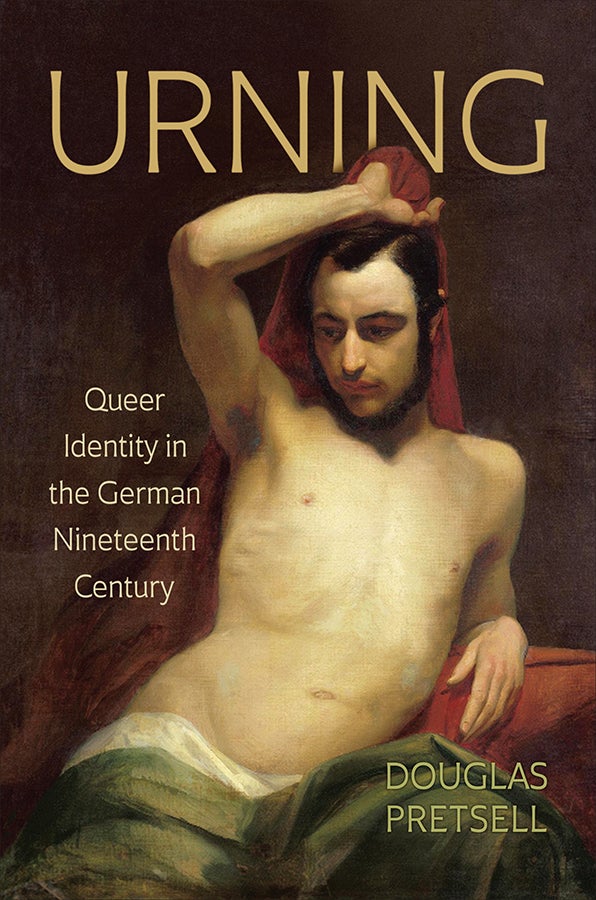
In 1864, the German jurist Karl Heinrich Ulrichs coined the term "urning" as a word for same-sex attracted men. Over the next few years, first anonymously and then publicly, he campaigned against the public persecution of these men. "Urnings" engaged with Ulrichs to negotiate the finer points of their new identities and then set about trying to change the world around them.
In Urning, Douglas Pretsell writes of same-sex attracted men in German-speaking Europe who used the neologism "urning" as a personal identity in the late nineteenth century. This was in the period before other terms such as "homosexual" gained currency. Drawing on letters, memoirs, and psychiatric case studies, the book uses first-hand autobiographic accounts to map out the contours of urning society. Urning explores the activist attempts of individuals seeking to transform society, even though they had no formal organization and, after Ulrichs left the scene, no spokesperson. As the century drew to a close, the efforts of Ulrichs and his followers paved the way for the launch of the world’s first queer rights organization. Urning argues that these men were self-identified, self-constructed agents of their own destinies. (Description from University of Toronto Press)
Douglas Pretsell is a research fellow at Keele University.
Some comments from the jury
“Urning” was a term coined by Karl Heinrich Ulrichs in 1864 to describe same-sex attracted individuals. Pretsell’s volume reconstructs urning communities by centring queer men’s self-understandings and activism in dialogue with medical, legal, and cultural discourses. This moving study relies on letters, memoirs, and case studies to reshape narratives of early LGBTQ activism in German-speaking Europe and beyond, and its clarity and accessibility will allow it to influence future LGBTQ histories.