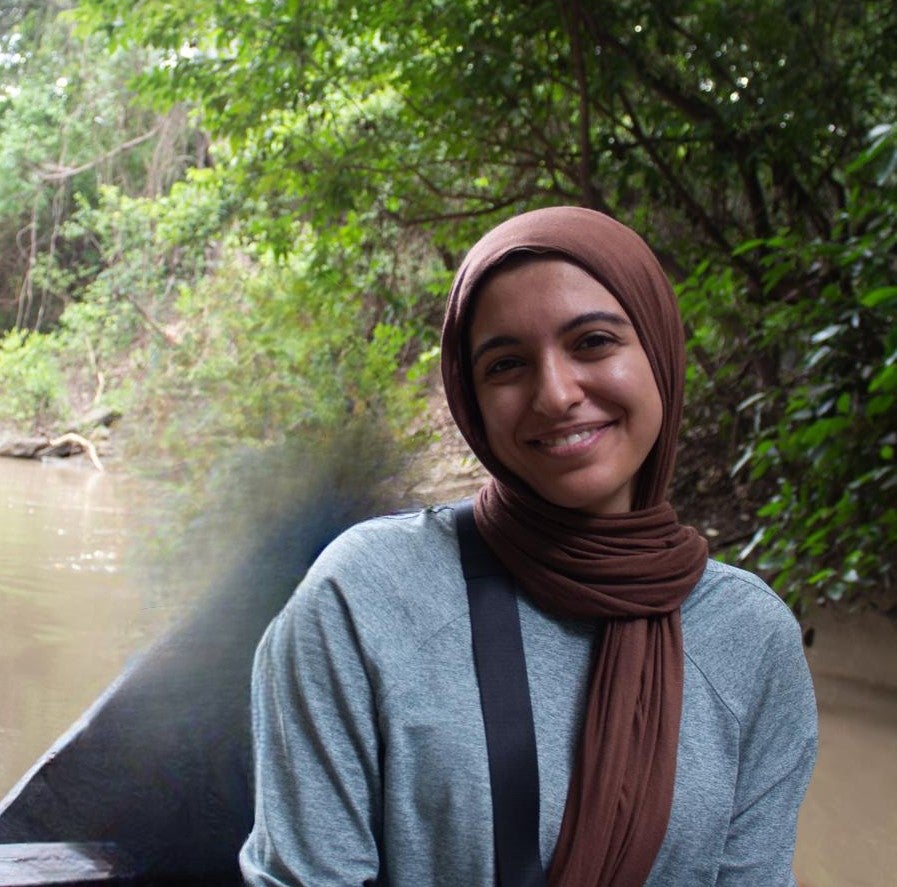
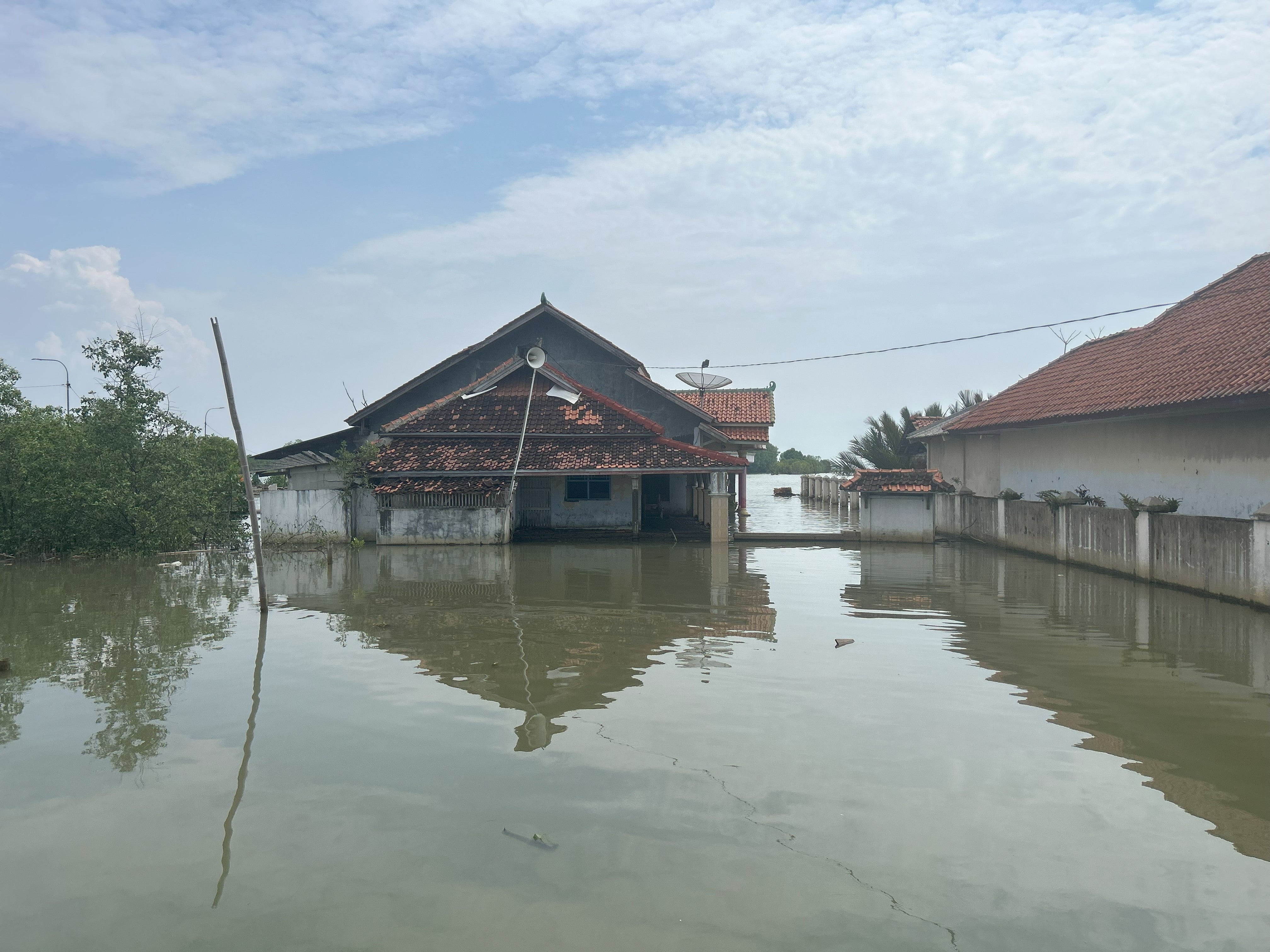
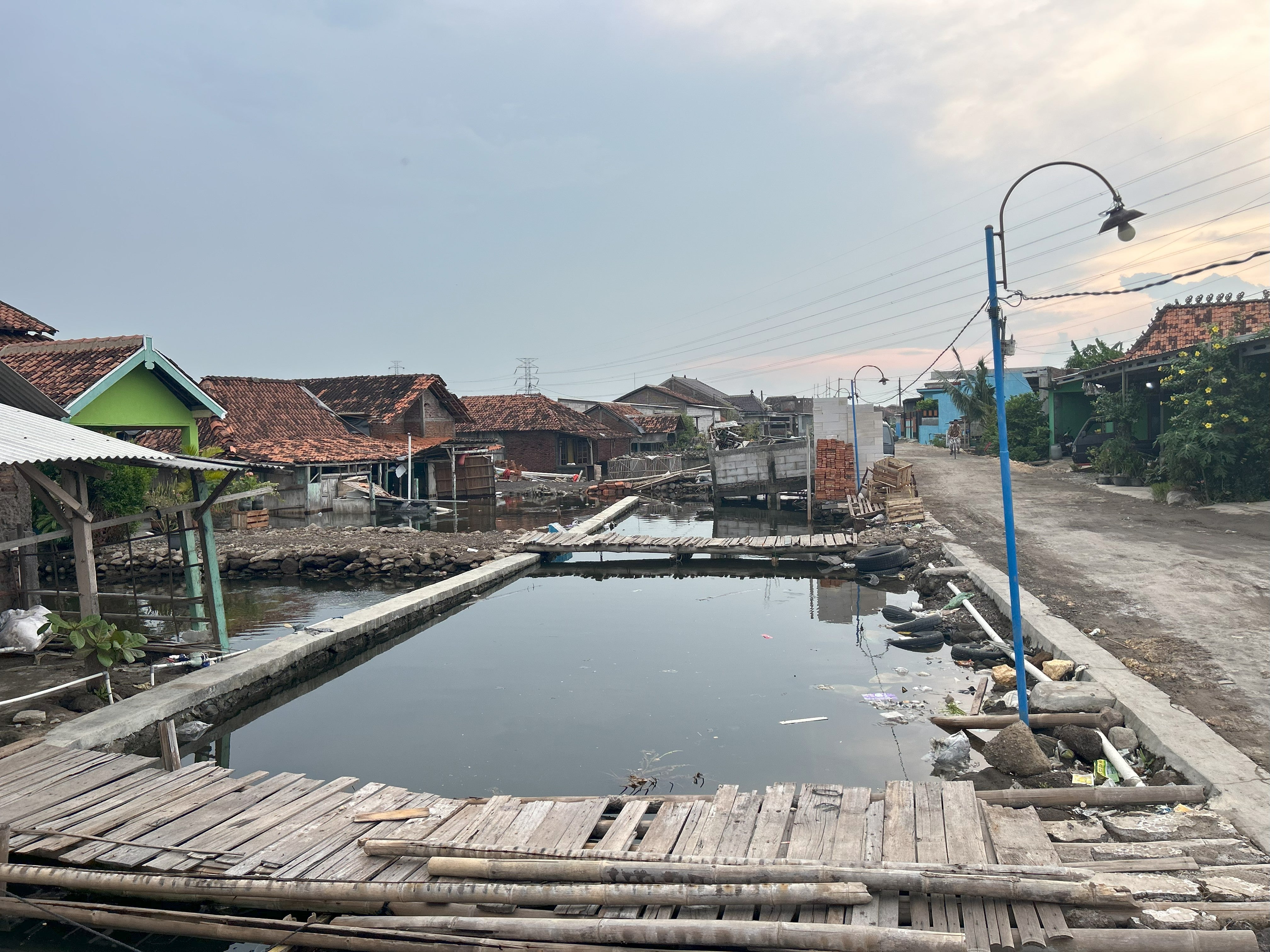
When Farah El-Shayeb, a Master of Environmental Studies student in Geography and Environmental Management, travelled to Java, Indonesia, her research sought to address the urgent realities of climate change in one of the world’s most flood-vulnerable nations. Supported through a collaboration with Gadjah Mada University and an International Experience Award, Farah examined managed retreat as a proactive adaptation strategy for low-lying coastal communities already experiencing the impacts of sea-level rise, storm surges, and displacement.
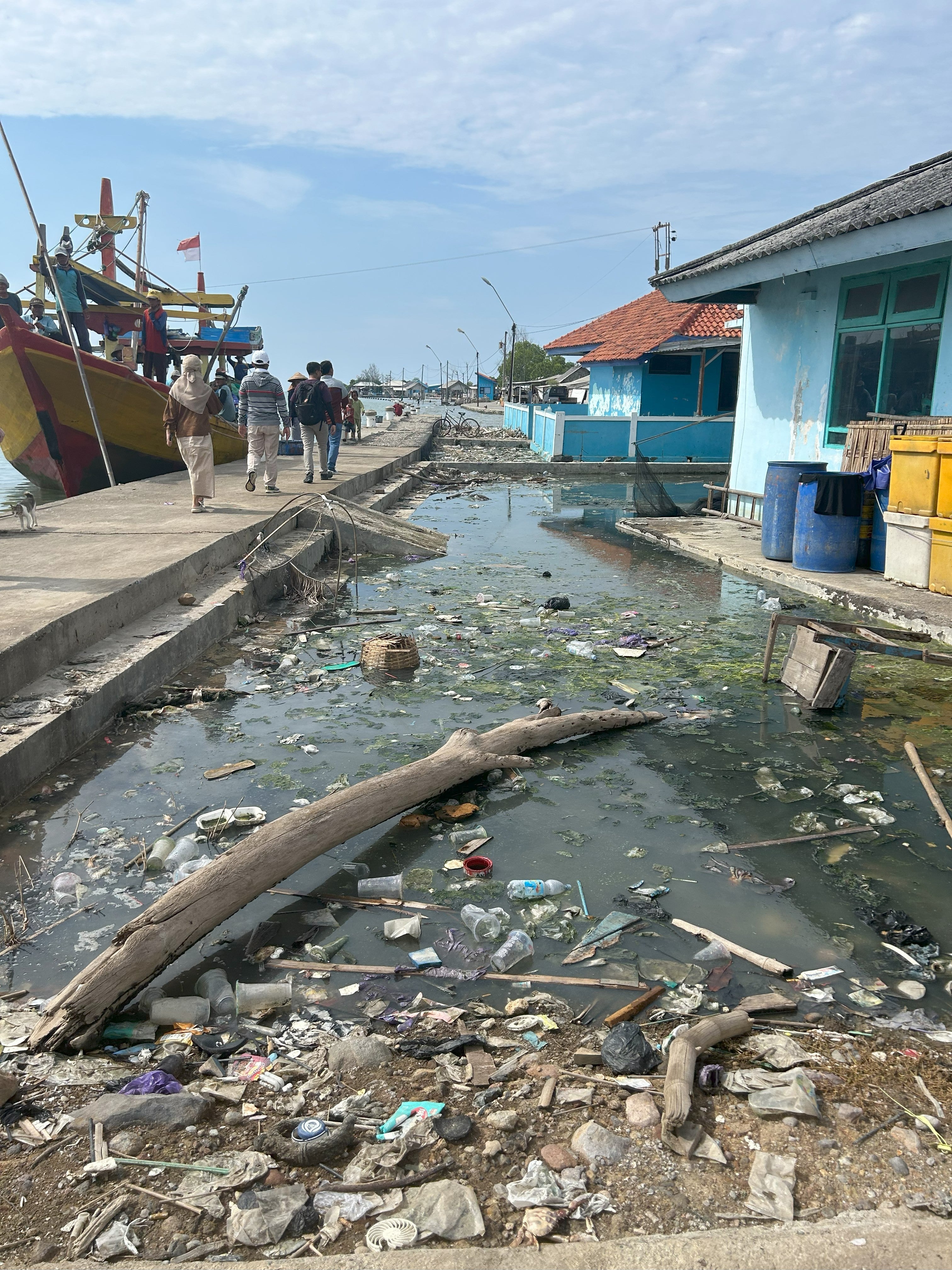
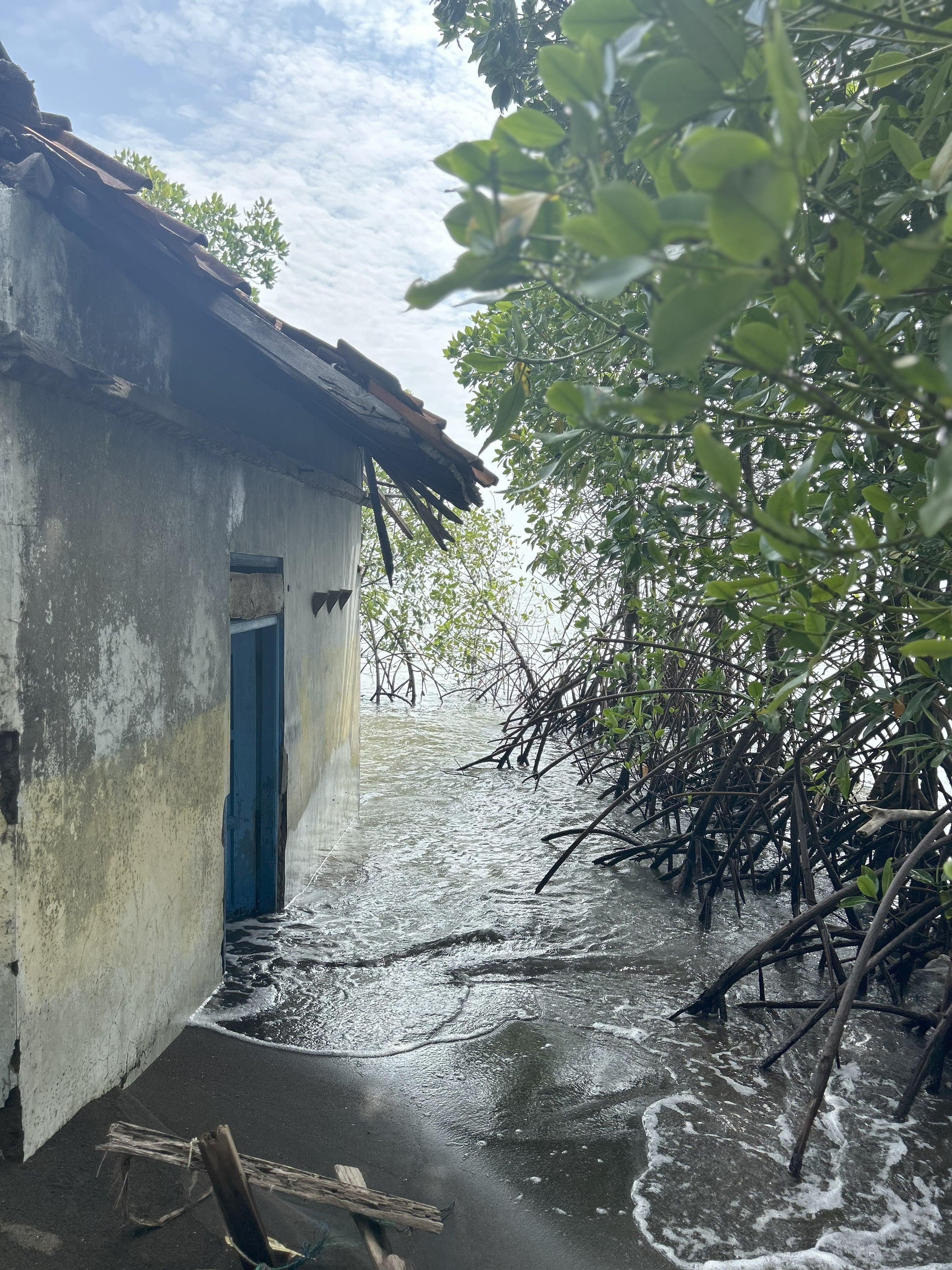
“I chose Indonesia because it is one of the most flood-vulnerable countries in the world, with many low-lying coastal communities already facing the impacts of sea-level rise, storm surges, and climate-driven displacement. This work is part of the Retreating from Risk project, a $2.5 million NFRF-I funded initiative focused on advancing equitable, community-engaged approaches to managed retreat (MR) in flood-prone regions. My research examines MR as a proactive adaptation strategy, and Indonesia offers both urgent real-world challenges and unique opportunities to integrate local and Indigenous knowledge into long-term adaptation planning. Collaboration with Gadjah Mada University provided a valuable platform for building in-country partnerships and scoping potential field sites for future research.”
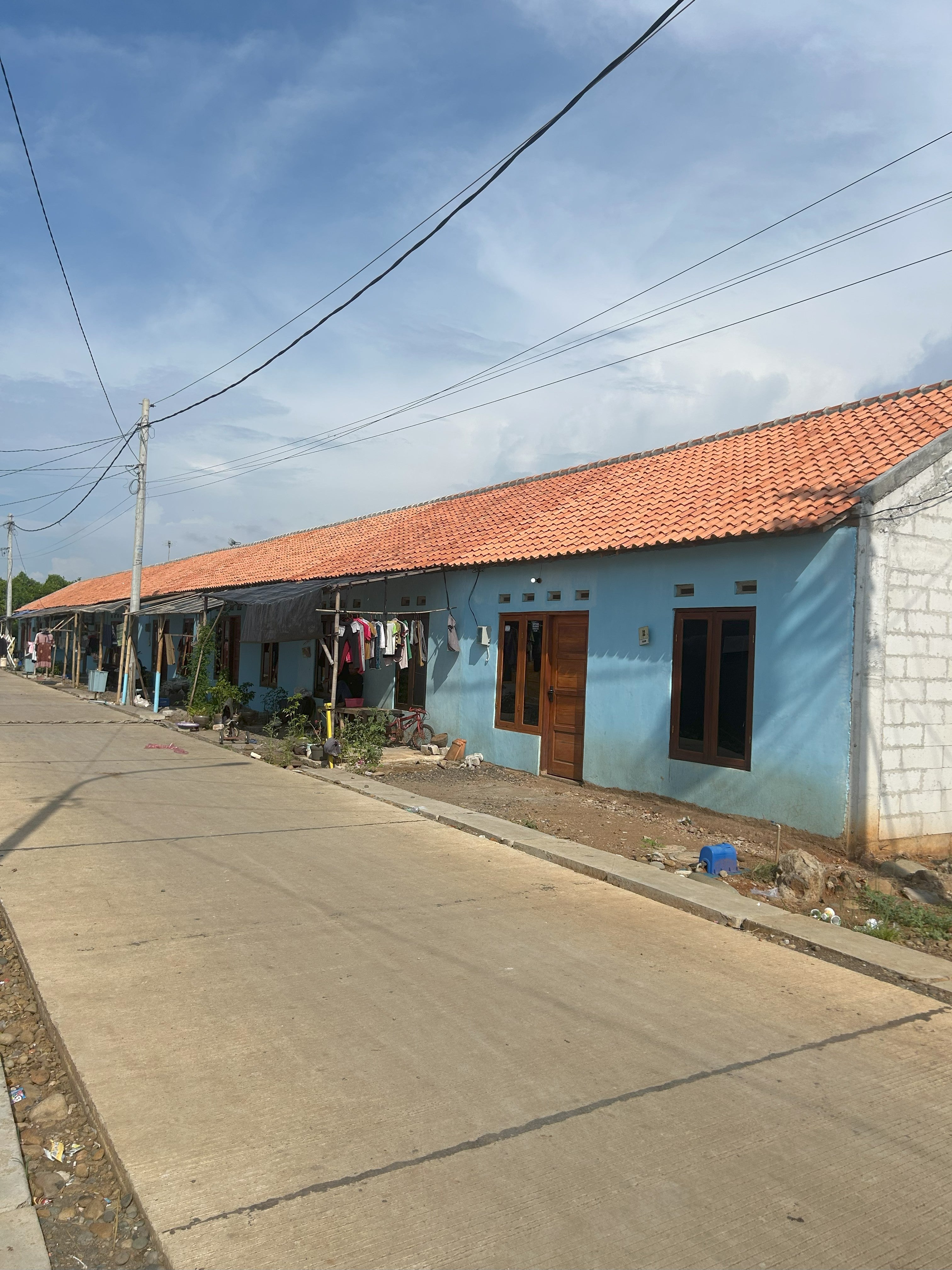
While in Java, Farah set her sights to multiple sectors to broaden her understanding of the culture and environmental factors relevant to her research.“I visited five sites at different stages of managed retreat — from pre-implementation to in-progress and post-relocation — which provided valuable insight into the distinct phases of this adaptation strategy.I gained insights into the structures, socio-economic contexts, and cultural dynamics shaping adaptation in flood-prone Indonesian communities.”
The time spent listening and learning from the communities she was studying is the thing Farah will remember most fondly.
“My favourite part was engaging directly with local communities and researchers, hearing their lived experiences, and seeing firsthand how adaptation strategies are grounded in cultural values and place-based knowledge. Being on the ground offered a depth of understanding that no book or article could match — witnessing the realities, challenges, and resilience of these communities made the research come alive and reinforced why this work matters.”
Farah tells future international researchers that open mindedness and communication are the most important elements to a successful expedition.
“Go in with a research or learning objective, but remain flexible and open to unexpected opportunities. Take time to build genuine relationships — often the most valuable insights come from informal conversations.”


Graduate Student International Experience award funds are available to University of Waterloo graduate students who participate in:
- An academic exchange
- A study term abroad related to research or an academic requirement
- Work or volunteer experience in another country