New ‘hydrogel’ makes personal hygiene products greener
Plant-based material developed by Waterloo researchers absorbs like commercial plastics used in products like disposable diapers - but breaks down in months, not centuries
A natural, superabsorbent material developed at the University of Waterloo could dramatically reduce the environmental impact of personal hygiene products like diapers, menstrual pads and tampons.
Unlike synthetic absorbent materials in commercial hygiene products, which are expected to take centuries to break down, the new hydrogel degrades harmlessly in soil within three months.
“Our goal was a scalable, economical process for producing eco-friendly materials to replace the non-degradable components currently used in personal hygiene products,” said Dr. Tizazu Mekonnen, a chemical engineering professor at Waterloo.
“Our work demonstrates that we can design high-performance alternatives that work extremely well without leaving hundreds of years of waste behind for future generations.”
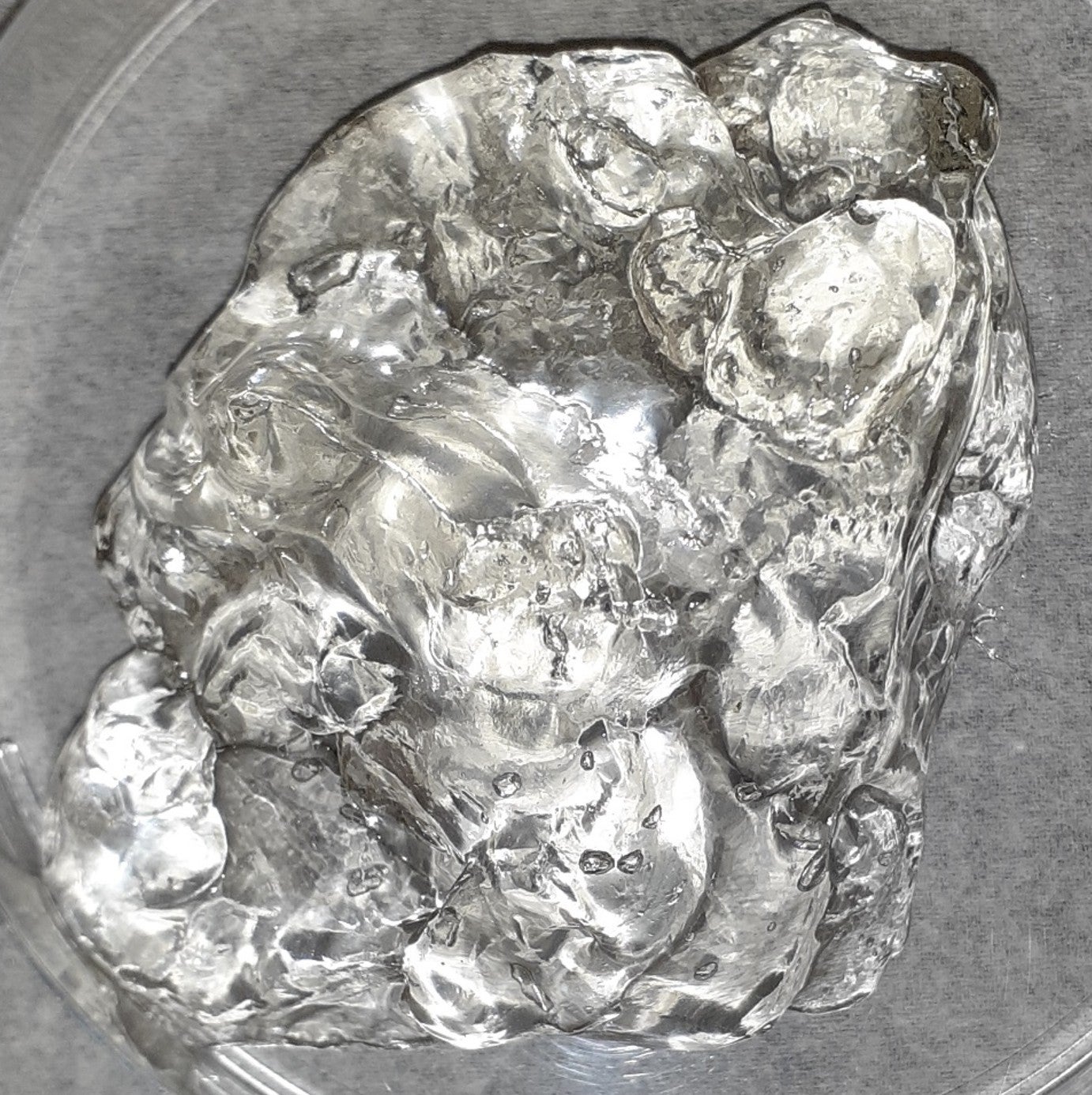
Researchers at the University of Waterloo developed this natural, superabsorbent hydrogel to replace synthetic, non-biodegradable materials now used in personal hygiene products. (University of Waterloo)
The United Nations Environment Programme (UNEP) says about 250 million disposable diapers are discarded globally every day.
Mountains of single-use menstrual pads and tampons thrown away by 1.8 billion women worldwide also end up in landfills. UNEP estimates those products, made mostly of plastic, will take up to 500 years to break down.
Personal hygiene products rely on materials known as hydrogels – soft, flexible polymers capable of absorbing and retaining hundreds of times their own weight in liquids — to collect and trap bodily fluids.
The hydrogels now in disposable diapers and tampons are manufactured using petroleum-based materials that greatly contribute to the waste problem because they aren’t biodegradable.
To help solve that problem, Mekonnen and his research team developed a hydrogel made from two kinds of cellulose – an abundant, organic polymer found in plants — bound together and strengthened with citric acid.
Their natural alternative to the all-important absorbent material in personal hygiene products delivers equal or better performance while also being biodegradable.
With diapers in mind, researchers created synthetic urine – made by adding protein enzymes and sodium chloride to water heated to 37 degrees Celsius — to vigorously test their new material.
“We tested absorption capability and release under practical applications,” said Mekonnen, a Canada Research Chair in Sustainable Multiphase Polymers. “We wanted to make sure it wouldn’t leak in real-life situations, such as a baby sitting and crawling in a wet diaper.”
Dr. Evelyn Yim, also a chemical engineering professor at Waterloo, grew mouse cells on the hydrogel material to ensure it would not harm users.
Additional tests showed that as it degrades in soil, the natural hydrogel doesn’t release any toxic by-products, making it environmentally safe from start to finish.
The research aligns with the University of Waterloo’s Global Futures initiative, which supports interdisciplinary work aimed at building a more sustainable, resilient future by addressing global challenges such as environmental waste and climate impact.
A patent has been filed and Mekonnen is working with an industrial partner, CTK Bio Canada of Vancouver, on plans to commercialize the new technology.
“The potential benefits are threefold,” Mekonnen said. “Switching to biodegradable polymers would reduce long-term waste and microplastics, strengthen environmental sustainability and support compliance with emerging regulatory expectations.”
The study, “Citric acid-crosslinked Cellulose Derivatives Superabsorbent Hydrogels (SAH) as Sustainable Alternatives for Personal Hygiene Applications", was recently published in Chemical Engineering Journal.
Feature image: Waterloo researcher Dr. Tizazu Mekonnen stands next to a rheometer, which is used to test the flow properties of hydrogels. (University of Waterloo)