Meet the VIP Research Group: Canada’s best-kept secret in AI innovation
A research powerhouse quietly shaping global AI, advancing health, climate and smart cities through cutting‑edge innovation and real-world impact
The Vision and Image Processing (VIP) Research Group at the University of Waterloo remains one of Canada’s hidden gems. As Waterloo continues to lead Canada’s innovation economy, VIP stands as a compelling example of how world-class research, entrepreneurial spirit and collaborative culture can quietly fuel national and international impact.
For more than a decade, VIP’s directors — Drs. David Clausi, John Zelek, Paul Fieguth and Alexander Wong, all professors in the Department of Systems Design Engineering — have shaped the landscape of computer vision and machine learning research. Their collective output is staggering: more than $12 million in research funding, more than 10 successful spin-offs and hundreds of trained graduate students, post-doctoral scholars, and undergraduate research associates who are now shaping transformation across various industries.
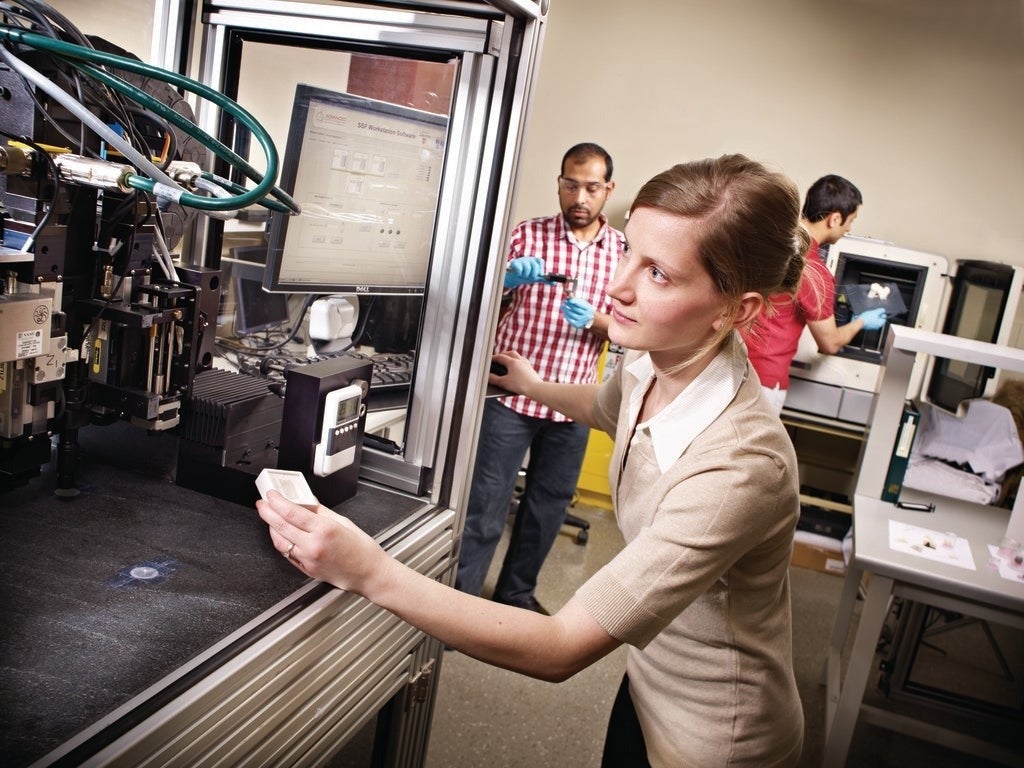
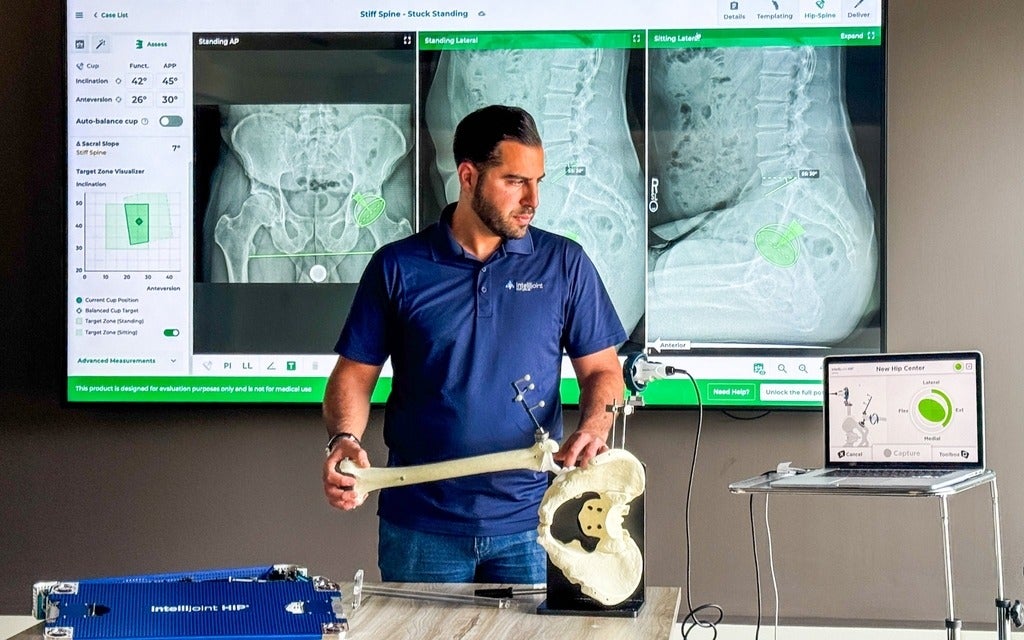
Yet VIP is more than its numbers. What makes the group remarkable is their distinctive research culture where innovation routinely travels from foundational theory to real-world breakthroughs in health, climate, manufacturing, robotics and smart cities.
A launchpad for some of Canada’s most successful AI spin-offs
VIP's influence extends far beyond the University. Waterloo-grown ventures like DarwinAI, Vital Biosciences, Elucid Labs and Miovision have transformed industries from health diagnostics to traffic management. Additional startups like CREZ Basketball Systems, Sweep3D, Eye for Infrastructure and Tactile Sight show VIP's range, contributing pioneering solutions in sports, analytics, robotics, infrastructure inspection and accessibility technologies.
These commercial successes reflect a deliberate approach to research that embraces entrepreneurship, interdisciplinary thinking and industry collaboration. VIP researchers maintain active partnerships with companies such as Agfa HealthCare, Boeing, Microsoft, Intel, Apple, Nutrien, ATS Automation and Christie Digital. Government and public sector organizations include Defence Research and Development Canada and the Canadian Space Agency.
Together, these collaborations ensure that VIP innovations don’t just live in academic journals, they directly influence health-care workflows, inform environmental decision-making, support autonomous systems, advance sports analytics and improve mobility in cities globally.
A training ground for future leaders
Students describe VIP an environment that is both energizing and transformative. PhD student Javier Noa Turnes, who researches remote sensing and Arctic sea ice monitoring, says the community is what makes the group truly special.
He points to the mix of senior researchers, shared reading groups and even board game nights as core to the group’s collaborative culture. “I also appreciate the strong connections the group maintains with government, startups and industry partners as these relationships create natural pathways for graduates to envision and prepare for their future careers,” Turnes says. “One example is the regularly organized seminars, which provide insight into how research is applied in practice and offer opportunities to engage directly with entrepreneurs.”
“My research goes beyond scientific production with a clear goal of transitioning research contributions into operational environments.”
His work with the Canadian Ice Service aims to provide reliable, AI-powered mapping tools to help analysts monitor sea ice and open water from satellite imagery.
Scaling AI responsibly and creatively

From estimating nutrition using mobile phones and reconstructing food in 3D, to interpreting human interaction with objects through video, Chen's team is pushing the boundaries of how AI understands the physical world. Some of this work, conducted with the National Research Council Canada and Waterloo experts in nutrition, has already garnered international media attention.
Chen is equally excited about projects capturing long-term construction progress through Canadian winter conditions and developing algorithms that allow low-cost robots to navigate, remember and operate in real environments. Whether in kitchens, construction sites or office hallways, the group's vision-based systems are designed to be robust, interpretable and ready for the real world.
As global demand for trustworthy, high-performance AI accelerates, VIP is poised to remain one of Canada’s most influential innovation engines.