Day 1 - April 8, 2025
Welcome & Opening Keynote - Nikki Sanchez - The Wisdom of the Orcas: Indigenous Relational Intelligence as a Blueprint for Climate Adaptation

Inspired by her bestselling anthology Spirits of the Coast: Orcas in Science, Art and History and her collaborations with biologists, historians, Indigenous knowledge keepers, poets, artists, and communities across generations, Nikki shares a powerful insight: orcas offer a blueprint for reimagining our relationship with the planet.
As a wilderness guide for over a decade, living and working alongside orcas, she gained clarity on how decolonization and climate solutions are inextricably linked. Drawing on their relational intelligence, she reveals how biodiversity, Indigenous knowledge systems, and regenerative approaches can help humanity not only adapt to environmental change, but transform the way we live, lead, and belong on Earth.
Creating better surveys at UWaterloo
The Statistical Consulting and Survey Research Unit can be used as a service for staff and faculty to elevate their work, inform strategic planning, and tell their stories via survey data. This workshop will review the SCSRU’s services, how non-academic surveys are conducted at UWaterloo, policy 55, and related procedures. The SCSRU aims to support the effective collection and use of high-quality data and to ensure that everyone on campus understands survey design best practices. We’ll review common issues in survey questions and discuss strategies for improving them. This workshop will also discuss best strategies for detecting, preventing, and cleaning fraudulent data and bot attacks. Finally, this workshop will introduce opportunities for staff to participate in ongoing SCSRU projects and partnerships (i.e., the SES, LITE grants, etc.). Participants will take part in an interactive survey-writing activity, crafting questions and discussing them together as a group.
From “What’s the Strategy” to “What Are We Choosing”
Strategy is not a vision statement or project list. It is a set of deliberate choices that guide what we prioritize, what we stop, and how we execute.
This session builds a shared, practical definition of strategy, then translates it into everyday decision-making. We draw on Roger Martin's Play to Win (connected choices, capabilities, management systems), Michael Porter (tradeoffs, focus, what NOT to do), and a brief Blue Ocean lens for value innovation.
Angela Pause shows how these ideas appear in Advancement, including why choosing what we fundraise for is strategic and how "Why Waterloo?" creates alignment. Leilei Li presents the Engineering Advancement MarComm lens: how strategy becomes message discipline, channel choices, sequencing, and consistent storytelling that keeps teams aligned.
How can we improve the efficiency of equity training?
Equity, diversity, inclusion and anti-racism training has become an essential part of professional development initiatives across industries. However, post-training feedback often reports medium or lower levels of efficiency and knowledge transfer associated with equity training programs. By revisiting cases of providing equity training, this workshop will identify and explain the challenges associated with delivering and receiving such initiatives. The session will compare the employees' expectations of equity training with the requirements of professional development programs. During the session discussions, we will examine the gaps and provide practical suggestions on how to enhance EDI-related training within individual departments.
Mindful Movement and Meditation
Join Nadine Quehl and Ishari Waduwara-Jayabahu for a gentle movement and mindfulness meditation practice. We will begin with movement and stretches to release tension and bring more awareness of the body. We will also lead some guided meditations and offer some tips on enhancing mindfulness throughout your day, and activating your parasympathetic nervous system (the 'rest and digest' state). We will provide a handout with tips and suggestions for home practice. Beginners and those with an existing yoga and meditation practice are welcome
Shaping Waterloo’s digital future: storytelling, design, and collaboration
This employee-led session uses the digitization of the University of Waterloo’s Global Futures publication as a lens to explore how storytelling, design, and collaboration shape our digital future. Developed by the President’s Office, Creative Studio, and UR Communications, this transformation shows how Waterloo navigates change through creative teamwork and strategic, user-centered design. The session highlights how thoughtful digital storytelling, supported by accessible design, data-informed choices, and new tools, can strengthen connections to Waterloo’s mission, vision, and values. Through this example, attendees will see how inspiring narratives and intentional digital design can broaden reach by elevating diverse voices and creating meaningful experiences across our community and beyond.
The Consensus Process: Better Decisions Through Healthy Disagreement
Learn the ins and outs of consensus-building, a collaborative process that welcomes healthy disagreement while trying to create stronger, more inclusive decisions. This workshop breaks down how consensus works, the conditions that help it succeed, and the common pitfalls. Through presentation, group discussion, and a demonstration, you’ll walk away with some techniques to consider for facilitating complex decisions among colleagues, friends, or collaborators.
The Secrets for Healthy Aging
The workshop will include an overview of some of the common challenges with aging, and strategies to promote healthy aging. This workshop is recommended for anyone interested in improving their health and wellbeing now to future proof them against aging. Participants will be given a simple exercise routine they can do immediately and practical tips as takeaways to start their journey towards better physical health. At the end of the workshop, participants will be energized and encouraged to adopt healthy lifestyle today to prepare them to be in better physical shape for tomorrow.
Waterloo Brand Masterclass: What Makes Us Distinct
Discover what makes the University of Waterloo brand truly distinctive and how it can be activated with purpose and consistency across your work. In this interactive, in-person session, we’ll explore the origins and evolution of our brand, unpack the key pillars that define Waterloo’s identity, and compare our positioning with peers in Canada and abroad. Participants will leave with practical insights and flexible approaches for applying the Waterloo brand in marketing, communications, and everyday engagement - strengthening our collective voice and impact.
Afternoon Keynote - Taylor Lindsay-Noel - Redefining Possible: Lessons for Taking on the World
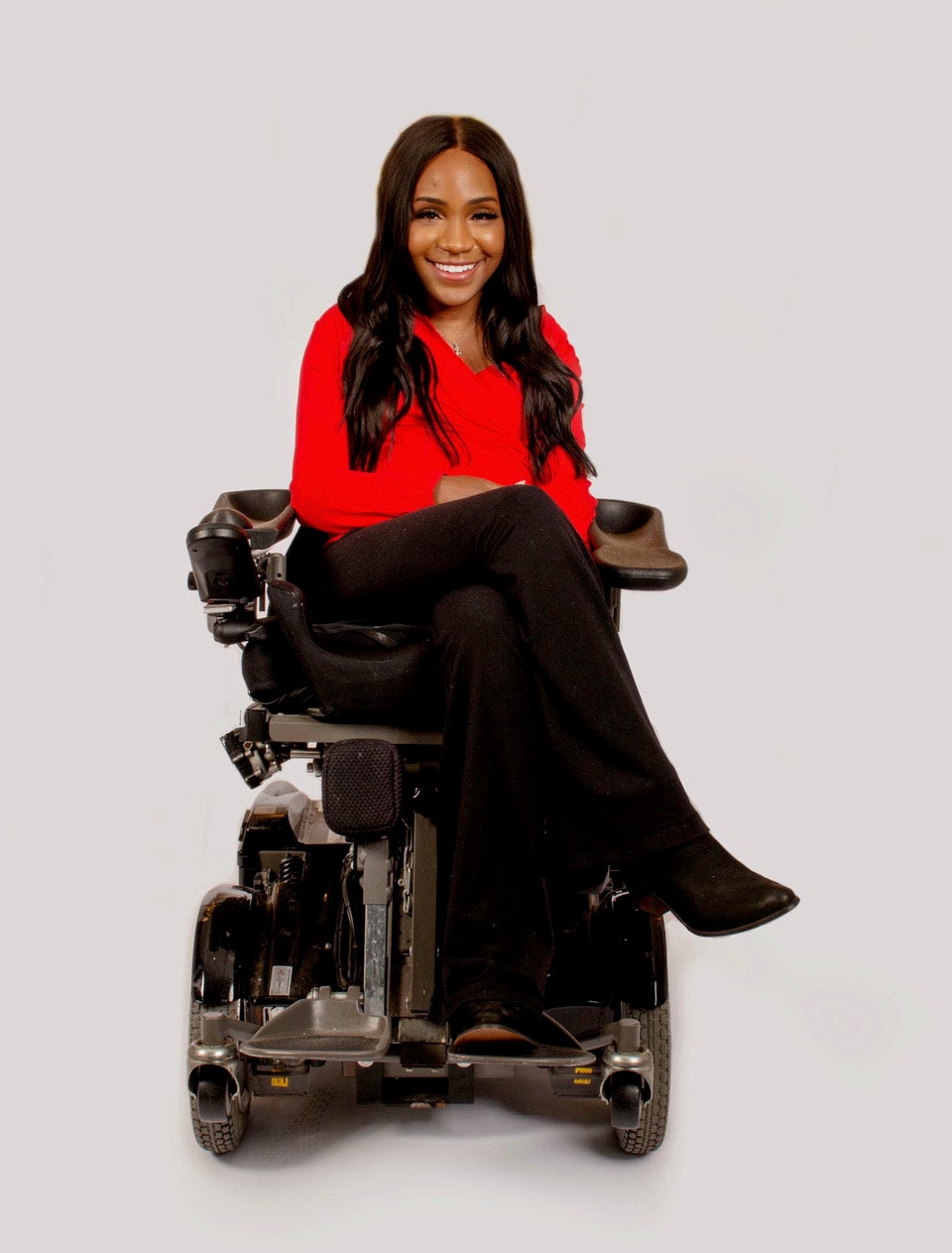
At the age of 14, Taylor Lindsay-Noel was a nationally recognized Canadian gymnast, on track to compete in the 2012 London Olympics. Everything changed in an instant when, following a tragic accident, she found herself paralyzed from the neck down. After more than a decade of growth and healing, Taylor has channeled the passion that drove her as a gymnast into her endeavors as a thriving entrepreneur, podcaster, speaker, and motivational figure.
As a renowned entrepreneur, Taylor highlights the business strategy she used to build her thriving loose-leaf tea company, Cup of Té and details her extraordinary journey as, after a life-altering incident, she overcame extreme adversity to create a successful business from the ashes.
AI and Tech-facilitated Abuse
AI and deepfake technologies are rapidly evolving tools with significant potential for positive impact. However, they are increasingly being misused to create harmful and exploitative content. Join us for a workshop exploring how sexual violence intersects with technology. We’ll examine how this emerging technology is having extreme real-world impacts on often unknowing victims.
Centering the Human Experience in Academic Settings
Artificial Intelligence (AI) is rapidly reshaping teaching, learning, and assessment in higher education. While AI offers new opportunities for innovation and efficiency, it is also introducing complex challenges related to student well-being, accessibility, academic integrity, and meaningful human connections. Grounded in universal design, trauma-informed practices, and student-centered approaches, this session emphasizes actionable strategies that center on empathy, maintain professional boundaries, and foster inclusive pedagogy in our technology-rich learning environments.
Exploring Systemic Change: An Introduction
Why do some changes stick while others fade away? This interactive workshop introduces participants to systemic change—shifts that go beyond isolated projects to transform policies, practices, and culture. Using Rosabeth Moss Kanter’s Change Wheel as a guiding framework, we’ll explore how systemic change applies to equity, diversity, and inclusion (EDI) and other organizational priorities. Participants will engage in reflection activities, learn practical strategies for applying the model in day-to-day work, and discover how small, coordinated actions can lead to lasting impact.
Menopause and Body Changes: Evidence-Based, Compassionate Solutions
This session will provide a solutions-focused, evidence-based, and compassionate approach to understanding menopause and its impact on body shape and size, muscle health, and bone strength. Participants will gain practical strategies to navigate these changes with confidence and clarity, supported by the latest research and actionable tools for everyday life.
Stories That Serve Us: Charting Your Career Journey at Waterloo
Many of us find ourselves wondering: Where do I fit? What’s my next step? How do I show up in a meaningful way when so much around me is shifting? In a time of evolving structures, shifting priorities, and ongoing change across campus and beyond, these questions can feel both important and overwhelming. This workshop offers space to explore how our personal career stories intersect with Waterloo’s evolving institutional story, and to begin orienting and finding our way by identifying the stories that truly serve us.
Grounded in Waterloo’s long‑term vision and informed by real sentiments shared by staff from across campus, this session invites you to examine which stories are currently serving you, which may no longer fit, and how you might reimagine or adapt your narrative as you move forward. Through movement-based activities* and brief conversations with colleagues, you’ll be introduced to practical strategies and tools to support you in wayfinding your career at Waterloo.
Ultimately, this session is about empowerment, clarity and connection – inviting you to claim authorship over your own career, at your pace, aligned with your capacity, and with curiosity. Together, we’ll recognize where you are now and begin exploring where you might choose to go next.
Wasting food? Not in this economy!
Food costs and average global temperatures are rising, but there still is hope. In this workshop hosted by Food Services and the Sustainability Office, you will learn how to reduce your food carbon footprint and food waste, while saving money. Participants will also have the opportunity to sample a curried lentil soup and make and take a soup kit to cook at home.
What Staff Wish They Knew Sooner: Branded Merch and Planning Events at UWaterloo
Panel of three experts from supporting units on campus (Catering and Event Services, W Print, W Store Custom Orders) answer questions about how to run events smoother. Planning events at UWaterloo can be complex. Timelines shift, resources are limited and budgets don’t always stretch as far as planned. This session is designed to help staff plan with confidence by combining a high-level overview of key campus services with real, practical examples of how those services support successful events.
Data as a Common Language: Building Community Across Campus
Discover how a grassroots community of practice centered around data has reshaped how staff connect, collaborate, and engage with University resources. The Data Analyst Forum was formed after the pandemic with two simple goals: build a sense of belonging among staff and share knowledge to improve our work. Through real “data stories” participants will learn how data literacy grows through knowledge sharing and how collective learning can spark cultural change. The stories will also showcase examples of connecting data from different sources, practical ways to keep data safe, and how to find and use institutional data and resources more effectively. You don’t need to be a data expert—this is about how data becomes a shared language that brings people, units, and ideas together. Join us to see how knowledge sharing can reduce duplication, improve quality, and create meaningful connections across the University.
Digital Discernment: Responsible Use of AI
Artificial intelligence is rapidly becoming part of everyday work and life, and learning to use it responsibly is essential. This workshop offers a practical approach to help University of Waterloo staff build confidence with AI tools while protecting privacy, data, and personal well‑being. Participants will explore a 5‑step framework—rooted in the University’s AI Principles—for responsible AI use, with guidance on understanding purpose, navigating privacy requirements, and keeping people in control when working with university data. A short optional hands‑on activity will give participants a chance to try a simple AI prompt and practice applying key concepts, with alternate resources available for those without a laptop or who prefer not to participate interactively. The session will also touch on emerging AI‑related risks that can affect personal digital wellness, and will direct staff to appropriate mental‑health and cybersecurity support resources.
Making the Most of the Youth of Old Age
One's sixth decade, or 50s, can be an important time of tremendous change and loss, but also opportunity! As in our teens and 20s, we have time to take stock, set goals, and go after our dreams. However, this time around we've got the advantages of wisdom and experience to apply, we are better resourced, and we know time is precious! Through sharing her own story of moving from evading exercise to teaching yoga, fearing risk to seeking mountain adventures, and grieving losses to finding her way back into love, fun, and purpose, Cynthia wants to inspire you to look at the later stages of life in a new and hopeful way.
Privacy & Data Fundamentals: Legal and Ethical Responsibilities
This session focuses on how university staff handle data in their everyday work and why privacy matters beyond rules and compliance, especially when using digital and AI enabled tools. It looks at who staff are protecting trust for, including students, faculty members, research, colleagues, partners, and the public, and how routine data decisions can create risk if not handled responsibly and carefully. Using practical university examples, the session shows how data reflects responsibility and values, and where legal and ethical concerns often arise when information is shared, reused, or processed manually or through technology. Participants will learn to recognize common privacy risks, understand the difference between legal obligations and ethical responsibility, and leave with practical guidance for using data and emerging technologies responsibly in their day-to-day work despite their roles.
Shift:Mobility: Building a Better Campus Through Sustainable Transportation Options
As more employees return to in-person work and commuting patterns continue to evolve, this session invites you to discover the many travel options, supports, and benefits available to make your commute to campus healthier, more affordable, and more sustainable. Whether you’re curious about transit discounts, cycling routes and bike parking, or how to mix and match different modes of travel, you’ll find practical tools and services designed to support your daily journey. You will hear from Region of Waterloo / Grand River Transit staff and City of Waterloo active transportation staff about community services, infrastructure, and employee-specific benefits that shape the daily travel experience for campus members. You’ll also get an introduction to Shift:Mobility, the University of Waterloo’s first Sustainable Transportation Plan, presented by Sustainable Transportation and the Sustainability Office. The plan outlines a coordinated vision for supporting all modes of travel across our campuses, including key outcomes and targets guiding future mobility decisions.
So, You’re Thinking About Leadership?
Leadership isn’t just about titles—it’s about how you show up every day. This interactive session will explore what leadership really means , whether formal or informal, and how you can intentionally develop your skills to lead from any role. We’ll challenge traditional notions of leadership, discuss pathways beyond the “obvious” ones, and share practical strategies for building your leadership brand, protecting your well-being, and aligning your values with your work. Whether you aspire to a formal leadership position or simply want to lead by example, this session will help you reflect on your ambitions, identify your strengths, and take actionable steps toward becoming the kind of leader you want to be.
“When it’s not accessible, everything is so much harder”: Everyday workplace accessibility tips
This session will introduce fundamental tips to advance accessibility and disability inclusion in our workplaces and communities. Drawing on lived experience voices of disability and neurodivergence, the presentation will describe the impact of accessibility barriers in the workplace as experienced by members of our University of Waterloo community. The presentation will highlight real-world examples of workplace accessibility barriers and provide guidance on easy practices to advance both accessibility and a culture of disability inclusion. Participants will leave with practical strategies for creating environments that go beyond compliance to eliminate common barriers and promote inclusive and equitable experiences.
Morning Keynote - Yan Markson- The Power of Perception: Own Your Story

When you’re operating in a flow state, it isn’t luck or coincidence. It’s a self-fulfilling prophecy.
Yan Markson offers a fresh, engaging take on how a growth mindset and self-reinvention can help you spot opportunities, innovate, and thrive in a fast-paced world. Discover how changing your state of mind fundamentally changes your “zone of possibilities.”
Data-Informed, Student-Centered: Turning Student Stories into Action
This interactive workshop will explore how UWaterloo staff can use student stories to inform various levels of decision making. The intended audience of this session is anyone looking to elevate their work by ensuring their decisions are data-informed, regardless of budget, capacity and resources. Using real examples from the Waterloo Undergraduate Student Association (WUSA) the facilitators will demonstrate the different layers of student consultation from low-effort, low budget methods such as boothing and intercepts, to high-effort, high budget methods such as our Representative Survey Platform. Participants will learn how to choose consultation methods based on project goals, timelines, capacity and organizational priorities. By the end of the session, participants will have a stronger understanding of the data needed to support student-centered decisions and how to apply it in practice.
Find Your People: Building Communities of Care Across Our Campuses
How do we build communities that are connected, caring, and supportive? As we work towards One Waterloo approaches and strive to collaborate across institutional silos, meaningful community-building is essential to honouring our shared humanity and authentic selves. This panel discussion will bring together different affinity groups and community networks across our campuses to explore practical strategies for fostering connection, sharing knowledge, learning from others, and supporting each other. With a focus on building safer spaces for equity-denied communities, the conversation will explore mechanisms for building safer spaces, promoting accessible engagement, and designing inclusive environments – both in-person and virtual.
From Support to Partnership: Rethinking How We Work with Communities
Institutions often aim to “support” communities, yet well-intentioned efforts can unintentionally reinforce power imbalances by assuming that institutions know what communities need best. This session invites participants to rethink that approach. Grounded in equity-informed and community-engaged practice, this workshop explores how empowering communities can strengthen trust, improve impact, and reduce institutional blind spots. Participants will examine common assumptions embedded in institutional systems, reflect on how stories about expertise and legitimacy are constructed, and consider practical ways to shift from a service-delivery mindset toward one rooted in shared power and community self-determination. Drawing on real-world examples from campus and community-based work, the session offers concrete strategies for working with communities rather than for them, while still meeting institutional responsibilities around accountability and stewardship. This session is designed to be reflective, accessible, and practical. It does not require prior expertise in equity or community engagement and is relevant to staff across roles and units. The focus is not on prescribing one right model, but on inviting critical reflection and offering adaptable principles that participants can apply within their own areas of influence.
Learning AI Together: A Practical Workshop on Scenarios and Frameworks
Join us to learn about scenarios and sample prompts for common tasks, including an overview of common prompt engineering frameworks to try. Examples include summarizing long e-mails or reports, creating meeting summaries, drafting executive summaries, and even letting AI help you learn about AI! This session is a brief presentation followed by time and space to try things out with assistance from the three workshop coordinators.
Let's Talk About Death and Dying
It’s time to have a conversation about one of life’s few inevitabilities. Come hear from three panelists who work in the death industry. A funeral director from a local funeral home will speak about the importance of pre-planning and the role that a funeral director can play when a family is grieving. Karry Sawatsky, a registered Death Doula, will explain the kinds of services you could expect from someone with her skills. Tamara Maciel from the University of Waterloo will share some information about the School of Anatomy and the whole-body bequeathal program. Eric Celentano will provide some myth-busting facts about organ donation in Ontario. Each panelist will provide a brief introduction and overview of their areas of expertise, and then we will allow for an open question period.
Plot Twist! Your Book Might Be Written by AI: Insights and strategies for AI-Generated resources
Electronic and print resources are becoming overpopulated with an abundance of AI created or partially created by AI ebooks. These books could be the resources you are using for research or the newest romcom book you just downloaded, bought or borrowed. Knowing the difference between human authors and AI authors is becoming. Additionally, disclosure of AI generation being used is not always up front. While it is not necessarily a bad thing to interact with AI generated resources, users should be aware of how their resources were created and what to be cautious of in the process.
Professional and Academic Growth in a Time of Uncertainty: Considerations for Pursuing a Graduate Degree While Working
Individuals working in higher education across Canada are facing a period of uncertainty and ambiguity. In response many are investigating new opportunities for personal and professional development. For those considering a return to the classroom, questions of accessibility, preparedness and the challenges of managing competing priorities are paramount. Through a panel discussion, we will explore the major considerations relevant to balancing work, school, and life’s diverse responsibilities while navigating graduate studies. This panel will include current graduate students who are full-time UWaterloo staff, an expert in graduate student success, and a faculty member with experience supporting students who work full-time. Panelists will share findings from recent research in addition to sharing candidly about their personal experiences. This discussion will be of interest to those who are thinking about pursuing a graduate degree while working, those who are currently balancing work and school, and those who support these students (such as faculty and staff).
Closing Keynote - Françoise Mathieu - The Edge of Compassion: Key tools to stay grounded
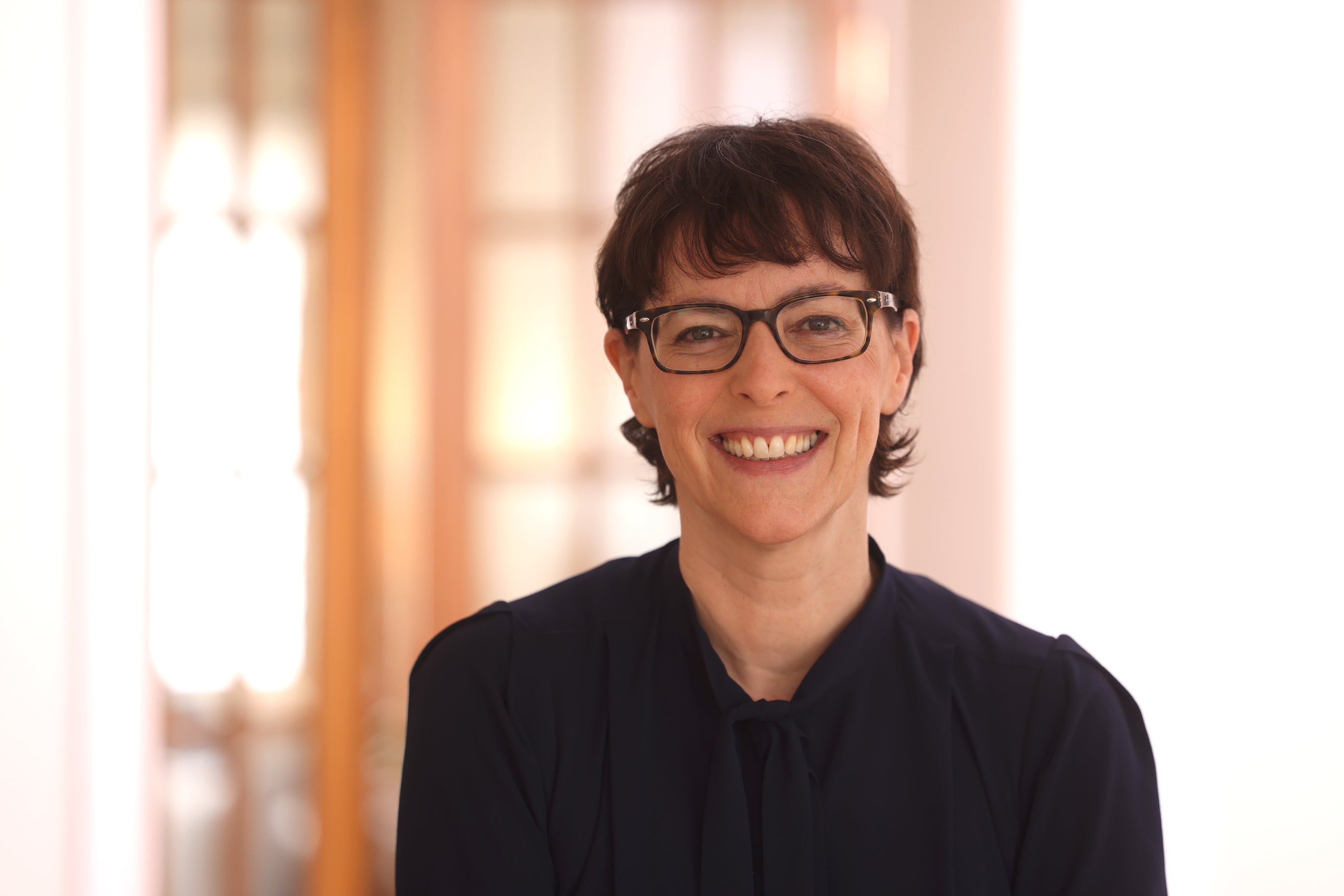
Why do some people thrive under pressure while others struggle? Are these skills learnable?
The landscape of our work has shifted, and many of us are navigating increasingly complex systems while showing up for a community with diverse and evolving needs. But how do we continue to offer our best to others while staying centered ourselves?
New research offers promising insights into maintaining psychological health and sustaining our well-being over the long term. This presentation will explore practical ways to recalibrate when the work feels particularly heavy and how to build a professional life that is both impactful and sustainable.