Waterloo Architecture students share research with Cambridge Today
From affordable rural housing to inclusive wayfinding, Waterloo Architecture students share research shaping real-world impact.
Students at the University of Waterloo School of Architecture are documenting and sharing their research with Cambridge Today, highlighting how design can respond to community needs locally and globally. Recent student-led projects include developing a hyper-local construction model to revitalize rural housing in Germany and creating 3D-printed clay wayfinding systems to improve accessibility for people with visual impairments. Through these stories, students demonstrate how architecture education extends beyond the classroom—combining research, technology, and collaboration to address pressing social and environmental challenges.
Revitalizing rural housing through local supply chains (Lärz, Germany)
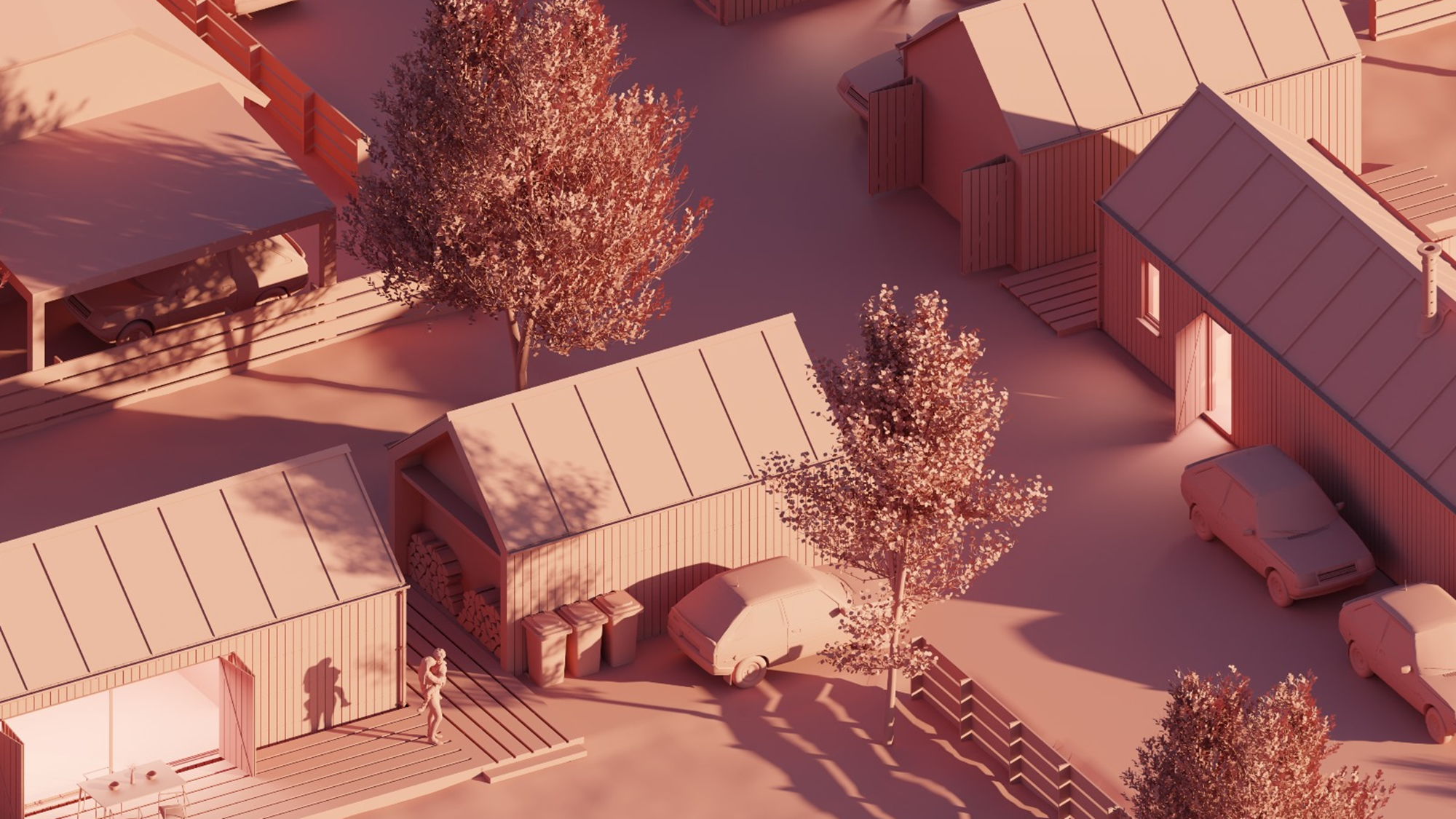
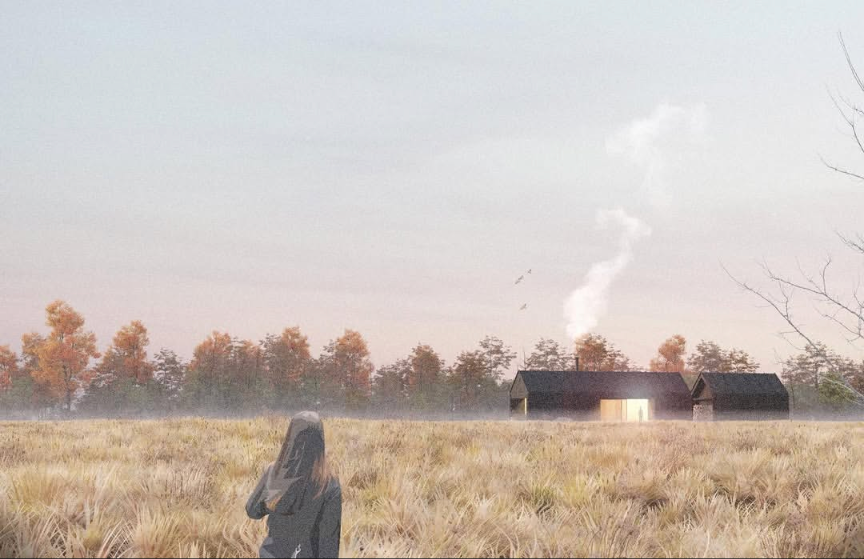
Graduate students Ian Bryane, Jake Farquharson and Jan Hendrikse are developing a construction model aimed at strengthening rural communities while delivering low‑cost, high‑quality housing. Partnering with Forsthof Krümmel, a sustainable forest management and lumber supplier, the project leverages a hyper‑local supply chain to build two 60 m² prototype homes in the village of Lärz, about an hour and a half northwest of Berlin. The approach prioritizes local materials, labour, and expertise: timber sourced from nearby forests, milled at a local sawmill, and assembled with community trades using local funds.
Design decisions minimize reliance on external materials and preserve environmental performance. The team is digitally fabricating custom wooden windows and cabinetry, reducing the need for specialized equipment, and using ground screw foundations to avoid concrete while enabling timber‑rich floor assemblies. Construction is slated to begin in May, providing hands‑on opportunities to test the model from forest management and milling through structural assembly and finishes. The ultimate goal is a practical guide that helps rural leaders identify and mobilize existing resources, knowledge, and capital.


3D‑printed clay wayfinding for the visually impaired (Cambridge, Ontario)
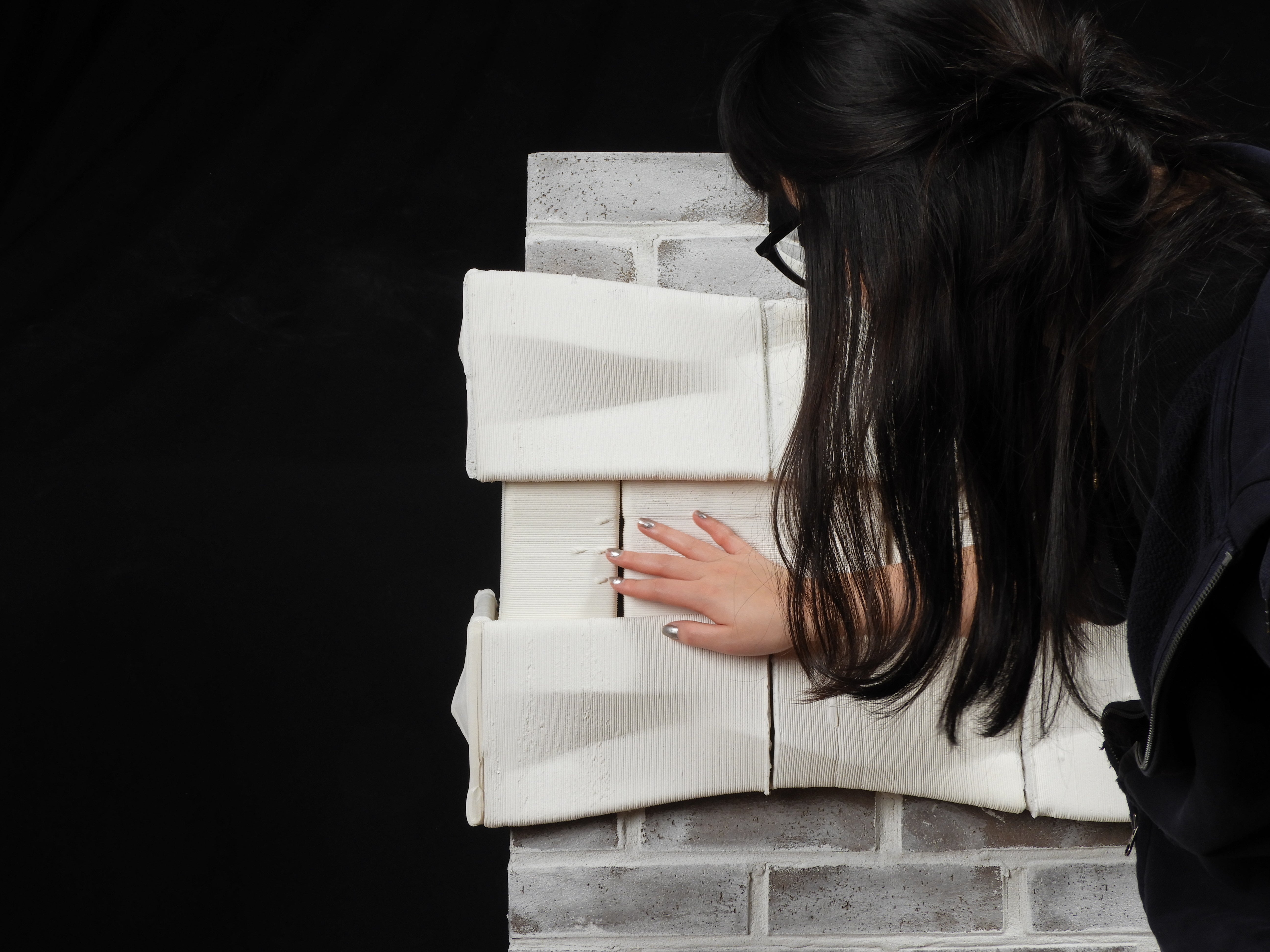
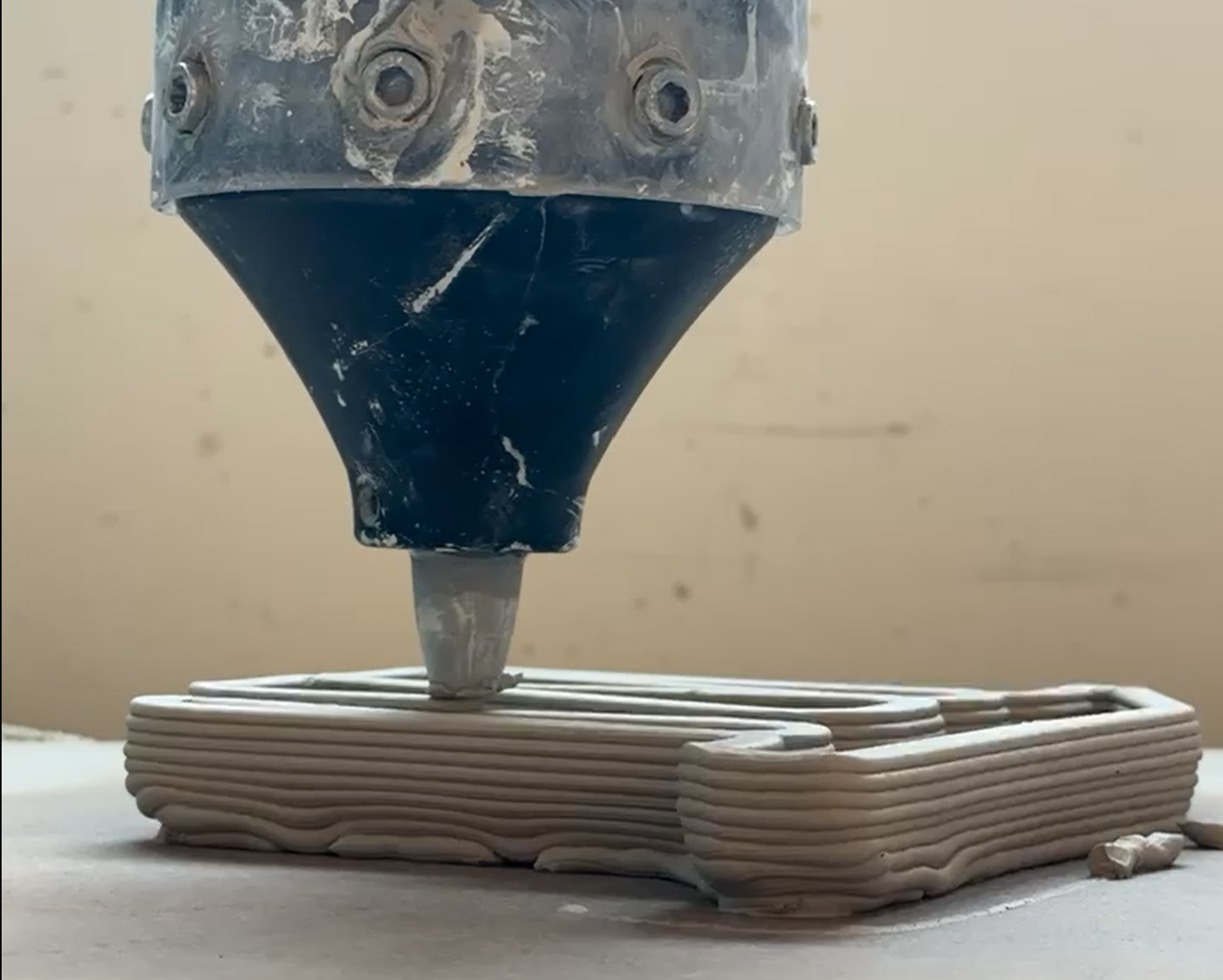
In Waterloo’s Material Syntax course, taught by Associate Professor David Correa, students harness one of Canada’s largest university ceramics 3D‑printing labs to integrate printed clay elements into brick masonry. Over the fall term, student teams designed and fabricated 1 m × 1 m wall prototypes reviewed by industry partners, including theMasonry Council of Ontario, Horizon 3D Printing, and ceramic design experts. The work is on view at the Canadian Clay and Glass Gallery from January 16 to March 27, 2026.
Student group Brienna Tran, Mikayla Brennan, and Ian Bryane developed a tactile wayfinding concept that uses the inherent texture of 3D‑printed clay to assist people with visual impairments. Drawing on “tactile environments” principles and precedents in braille printing, they created two continuous ribbons of textured clay that frame an “invisible” line of printed braille. A custom lapping system allows the clay components to overhang brick courses, eliminating messy horizontal joints and discreetly housing LED strip lighting to improve contrast for low vision users. While the prototype represents a fraction of a wall, the team envisions application.