Whether building in the heart of the city or at the edge of the wilderness, Great Lake Studio is primarily concerned with exploring the ritual, sensual, and poetic potential in orienting individuals with their surrounding environment.
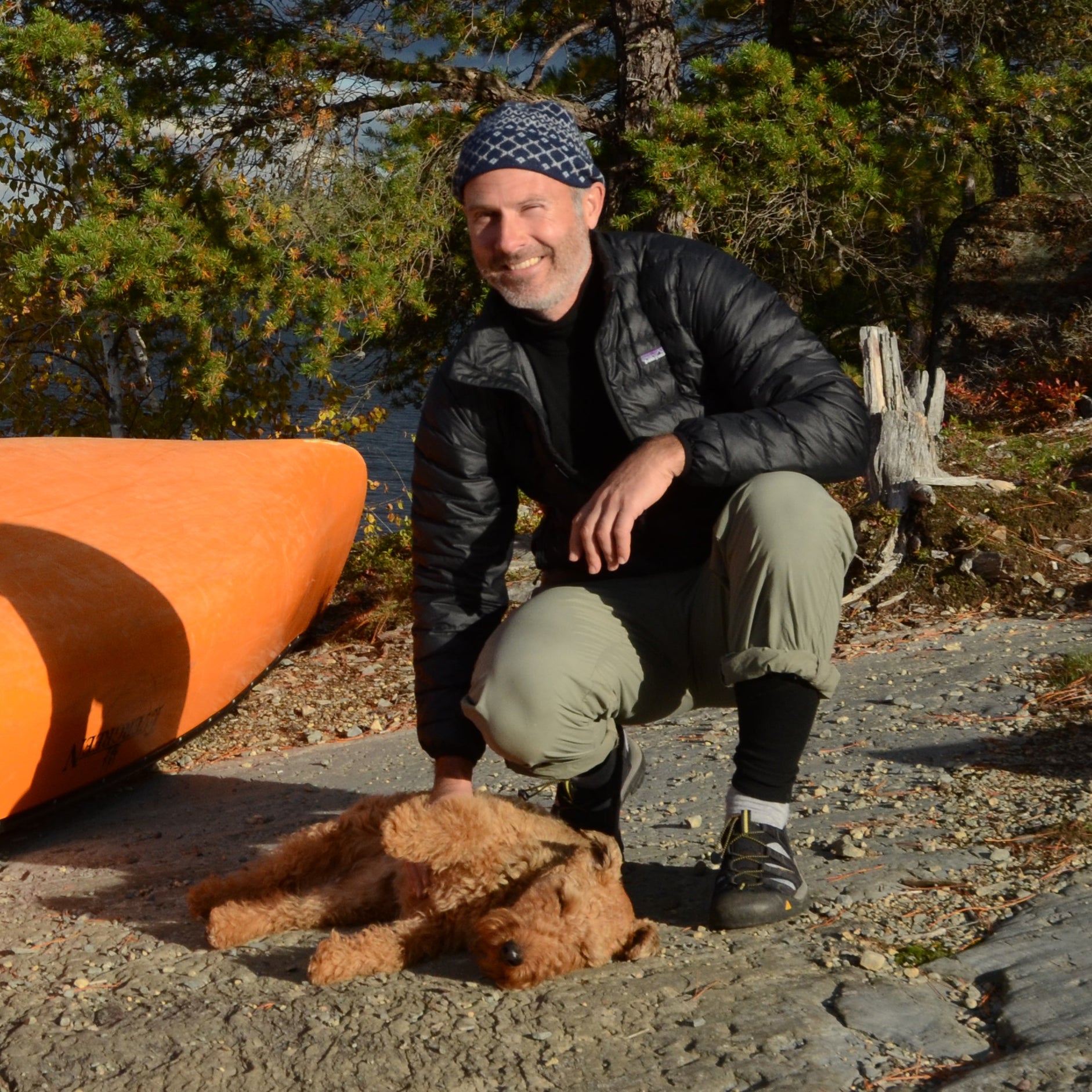
Rick has a lifelong affinity for the natural world which strongly influences his design work. Between 1998 and 2005, Rick spent 4 years exploring remote landscapes of the world on a bicycle, living out of a tent and sleeping under the stars. More recently, he and his young family spend their free time exploring the Great Lakes region by canoe.
Bellwoods Lodge
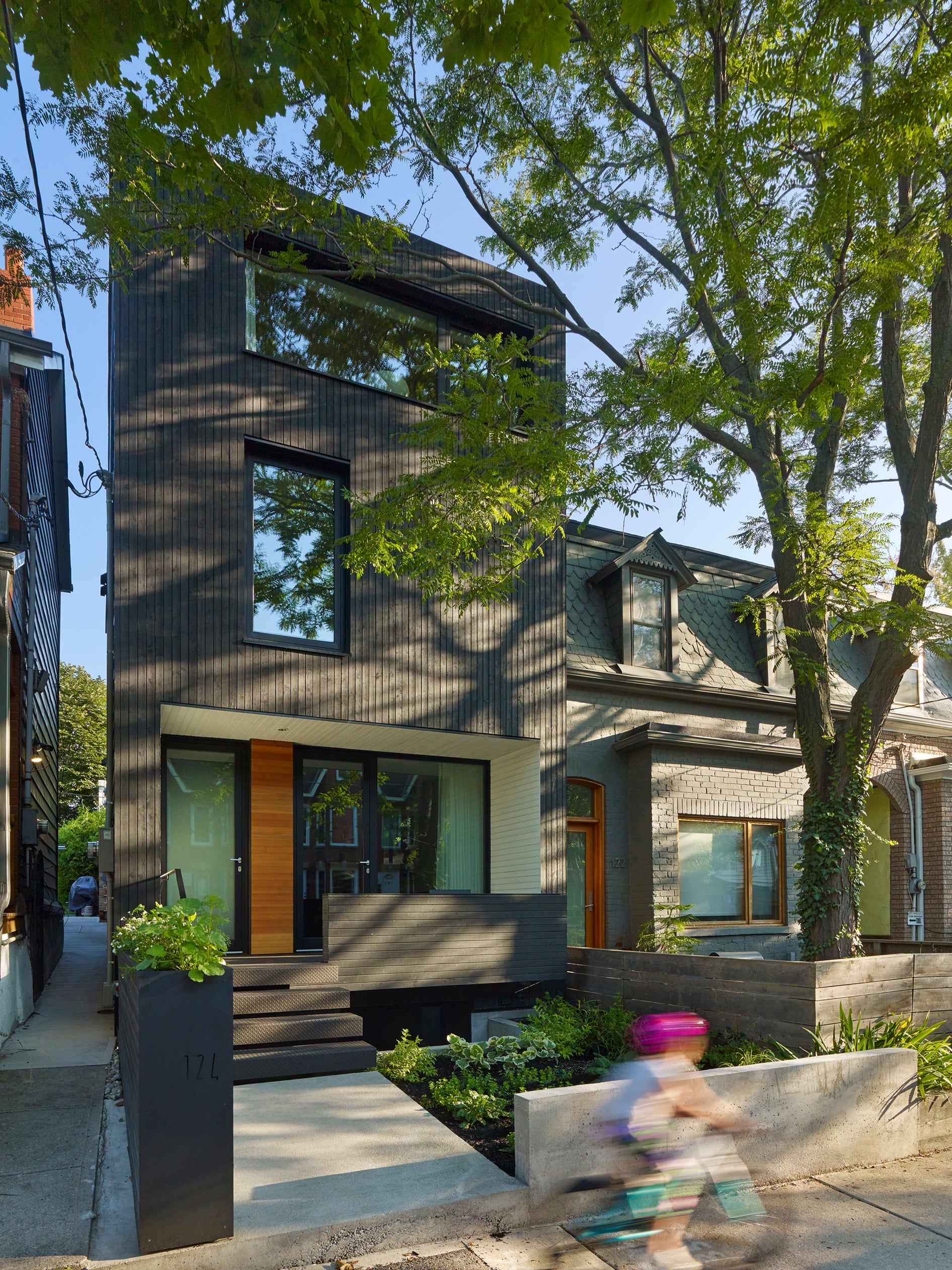
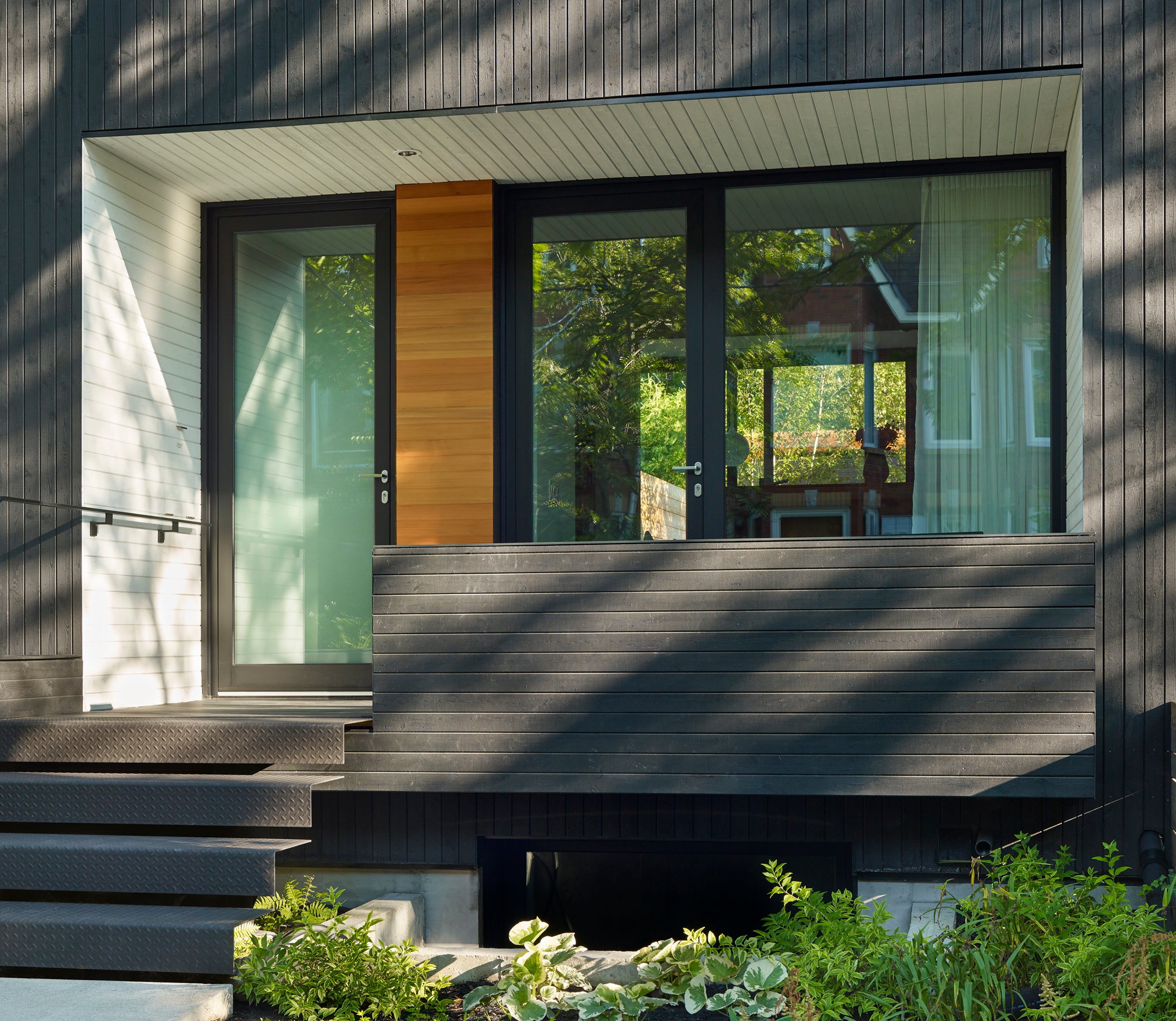
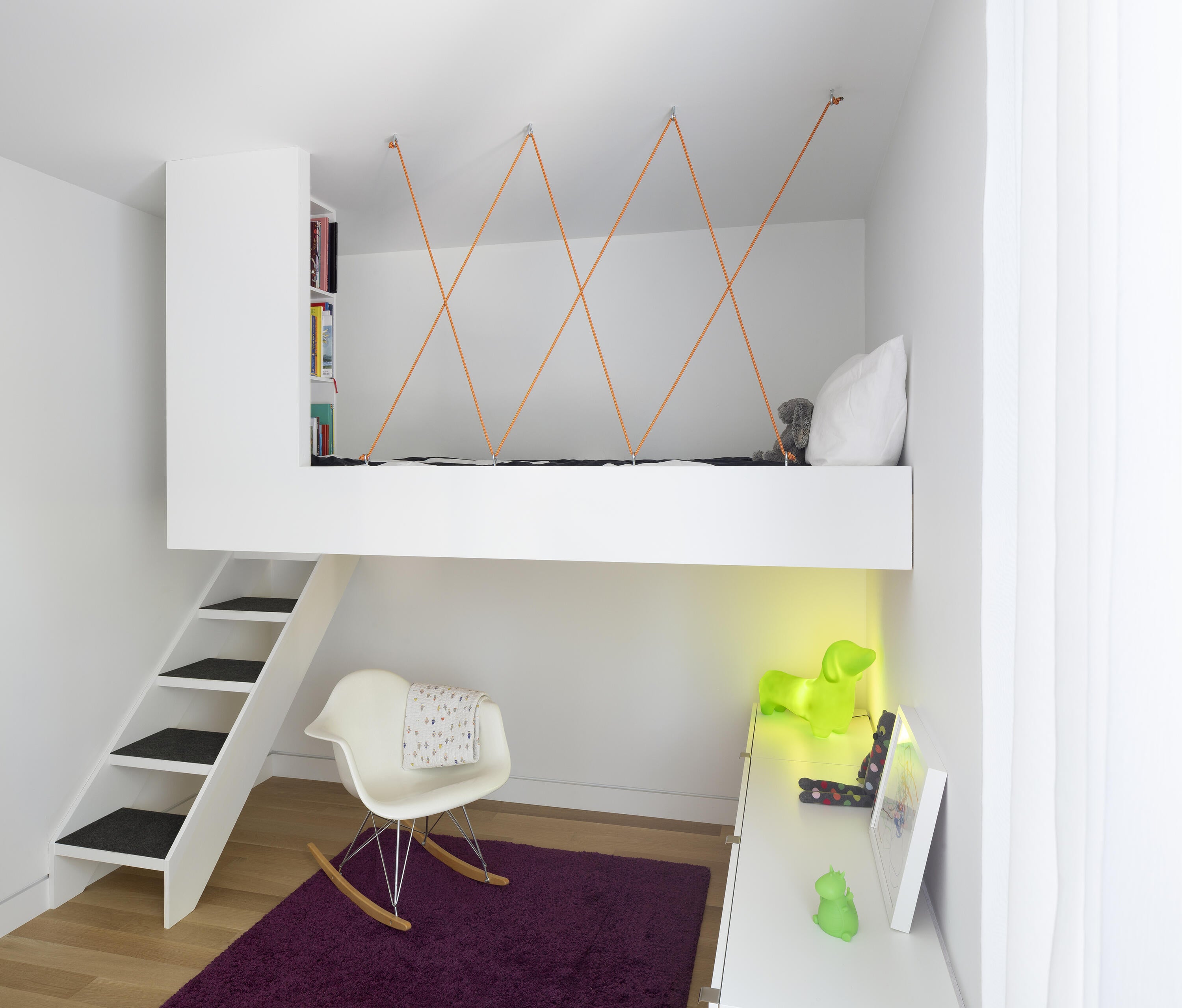
Located on a small lot in Downtown Toronto, the owners of this three storey residence desired a peaceful urban retreat, purposefully tailored to nurture and enhance a close communal family life and their enjoyment of the outdoors. The response is a highly personalized expression of one small family’s particular lifestyle.
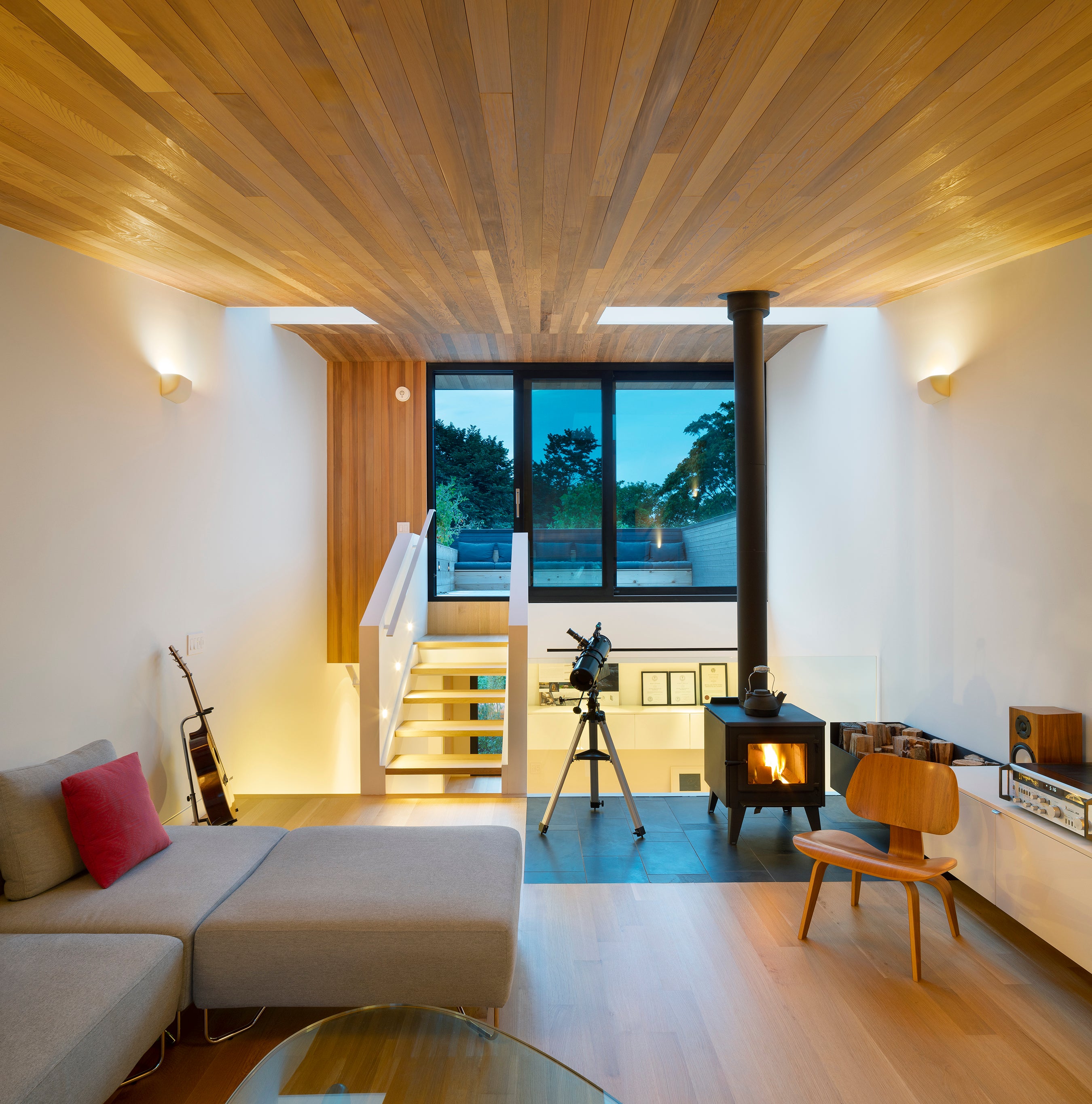
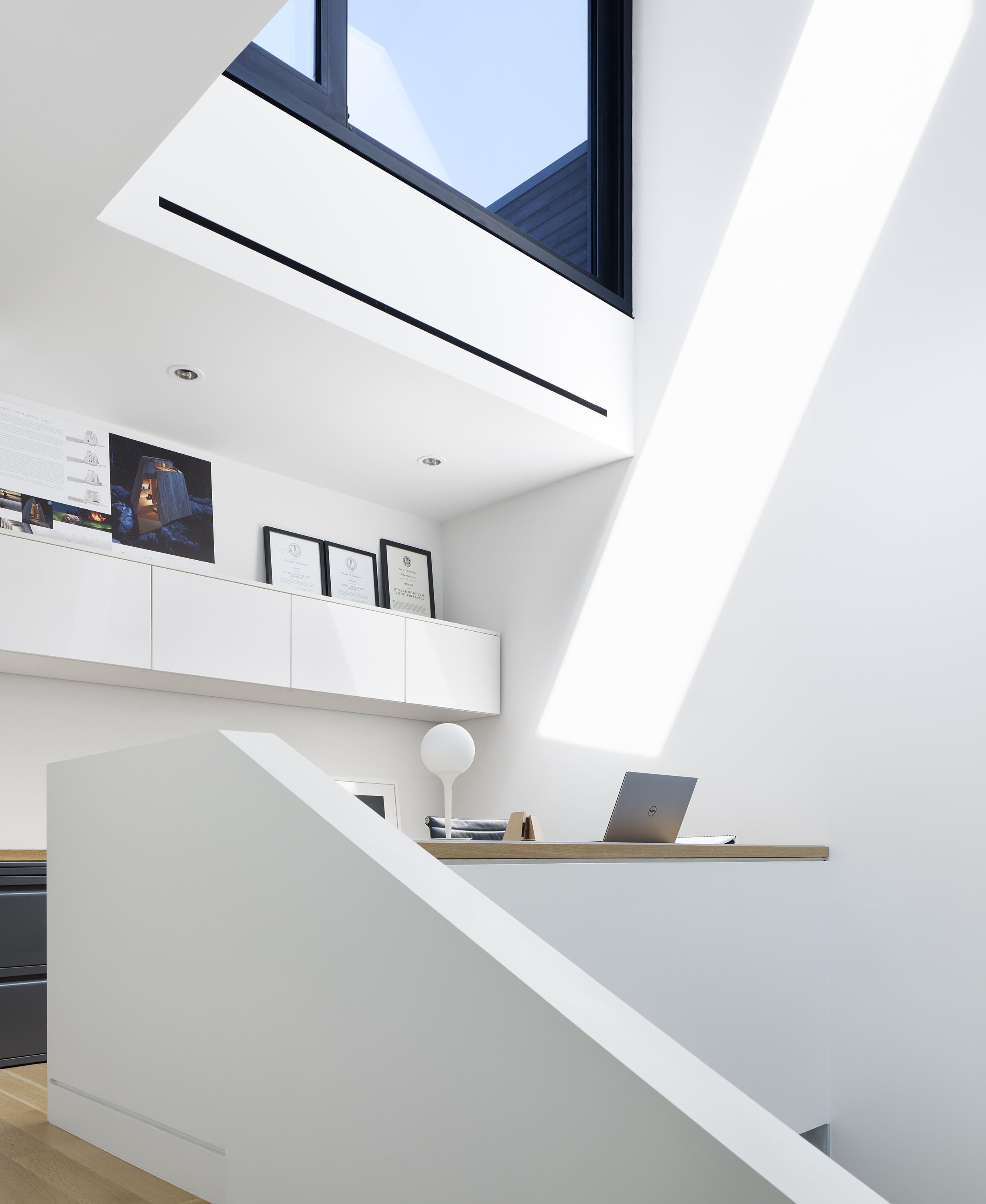
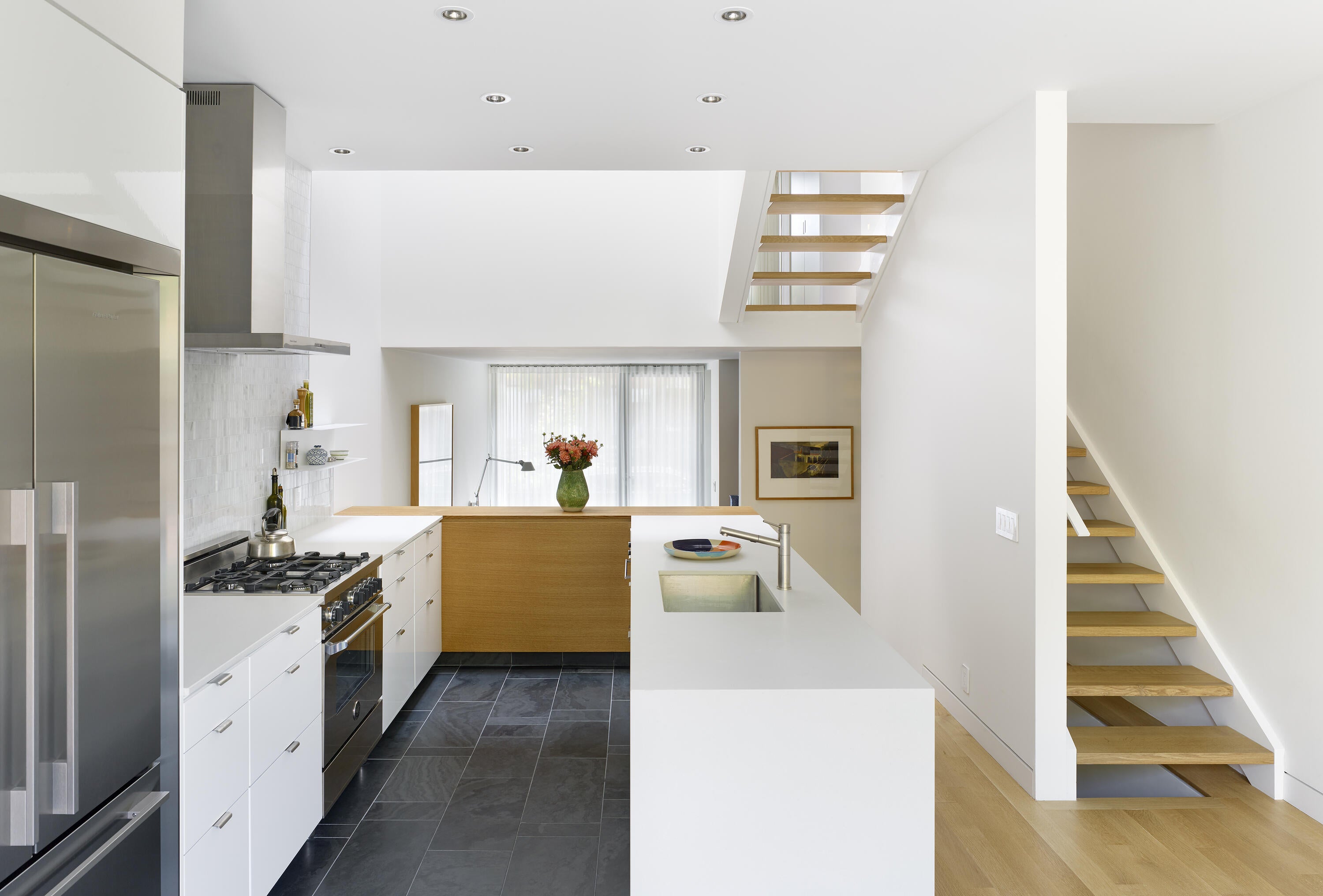
At ground level, a back-split condition responds to the natural slope of the site. An adventurous sectional arrangement continues vertically upward, with additional split levels arranged around a 3-storey light well, drawing sunlight (and moonlight) deep into the house.
All levels of the house are closely interconnected across this interior light well, creating an interesting balance between separation and intimacy: While the family may be individually occupied with remote activities (cooking, lounging, working, playing), they are always quickly and easily engaged with one another.
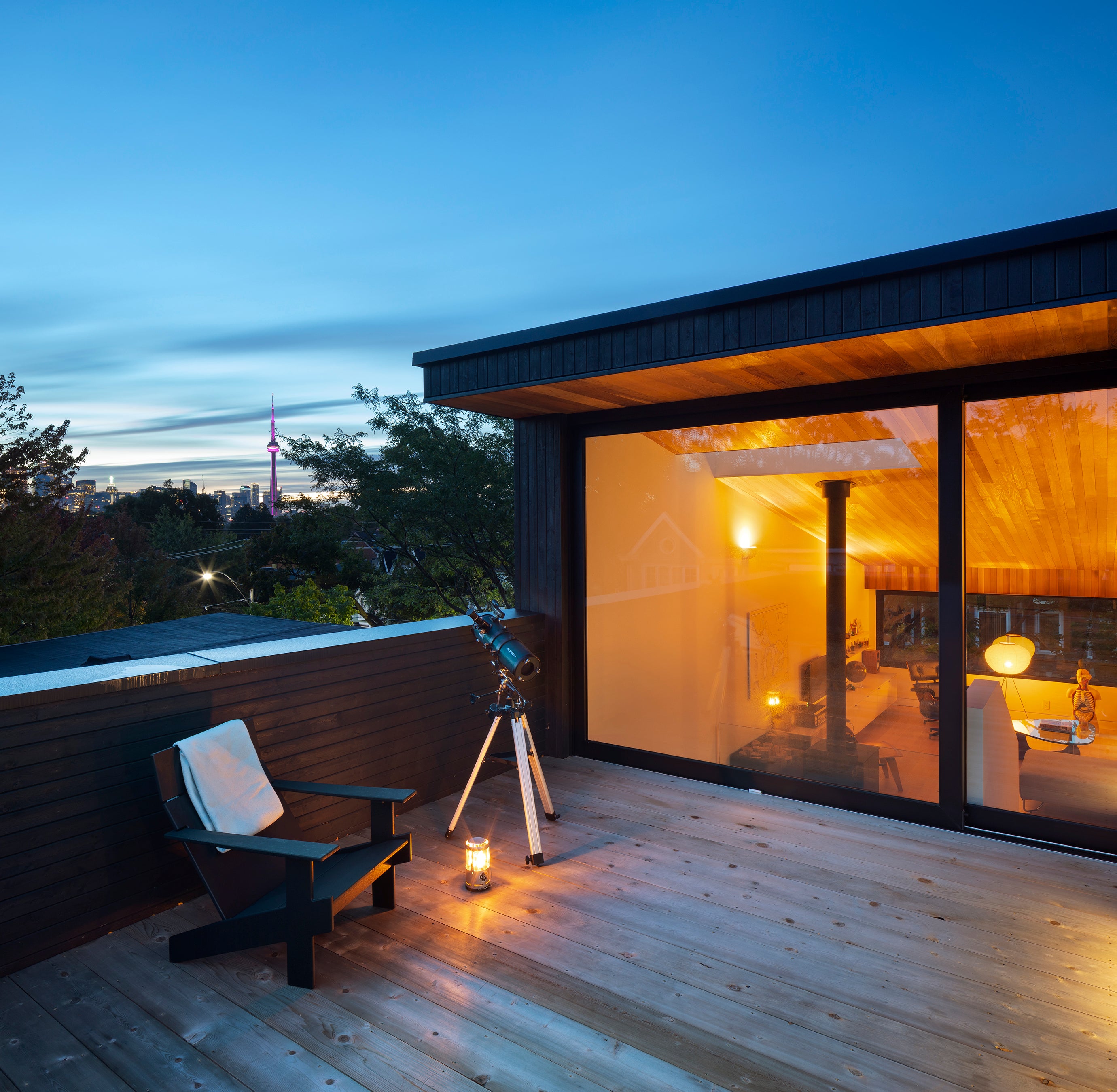
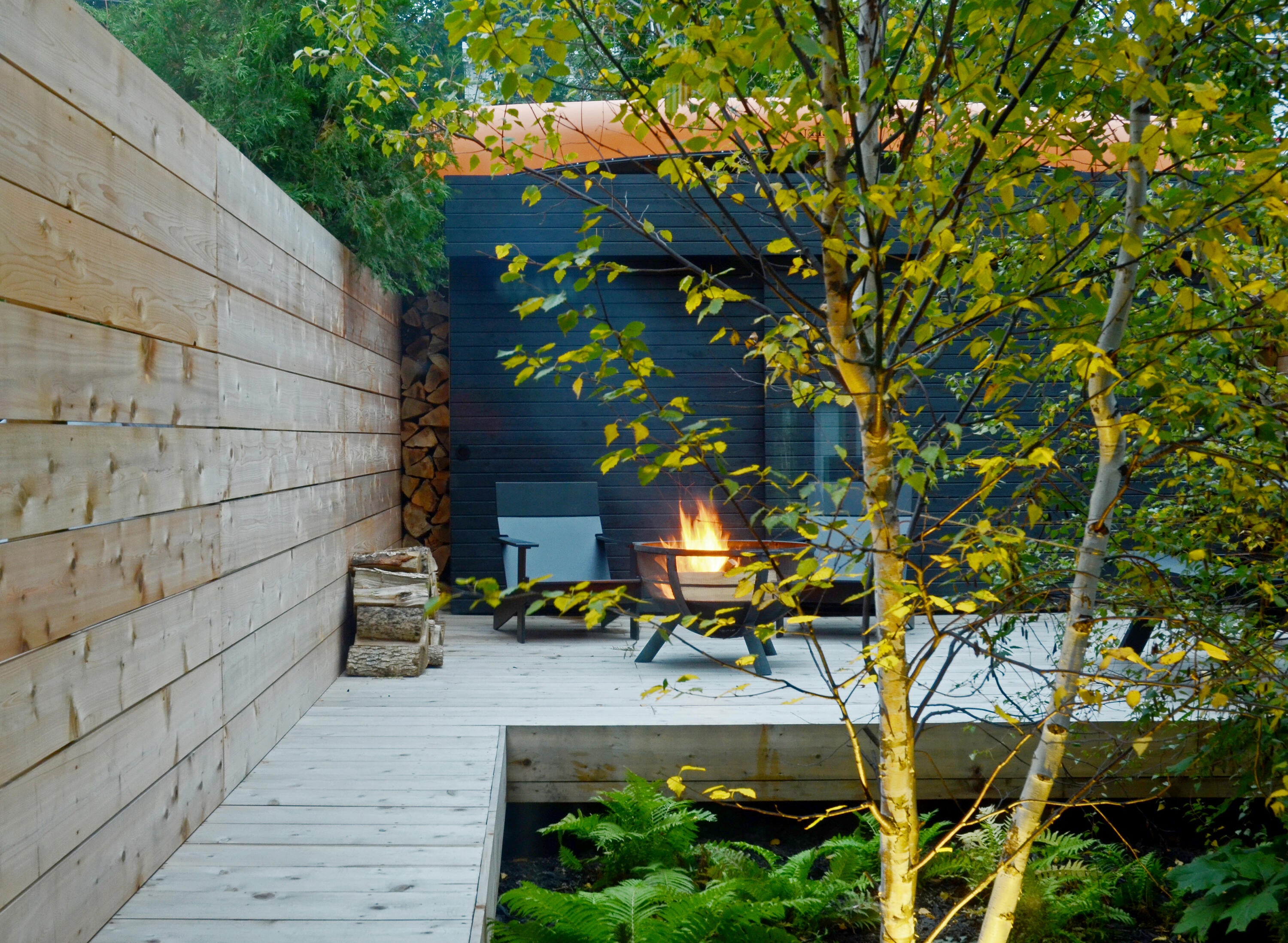
The three principal living spaces (Living room, Kitchen/ Dining area, Library) also expand outwards, into separate exterior areas, each with its own unique and complementary character.


Temagami Wilderness Camp
To visit the wilderness is to participate in some of the most long-standing and primitive of human traditions. Warming ourselves by fires; marveling at the night sky; exploring the silent depths of a forest, immersed in an expansive mystery. In the Wilderness we come into contact with essential aspects of our humanity: sensuality, spirituality, mystery and myth.
Temagami Wilderness Camp is located on a rugged slope of granite shield, deep in the Boreal forest of Northern Ontario. The site is remote: accessible only by boat, without electricity, running water, or other amenities. The clients desire a seasonal ‘base camp’ suitable for extended visits, where they may paint, write, and launch expeditions into the surrounding wilderness on foot and by canoe. Programmatic requirements are rustic and modest: a place to gather, dine, and sleep for groups of up to eight people, a water pump, and a fireplace.
In contrast, expectations for a close engagement with the wilderness are more complex and ambitious. Traditional shelters as disparate as yurts, igloos, tents and native long houses provide inspiration through the common experience offered by all: a fragile and at times tentative existence amid the sublime beauty and potential terror of elemental forces. Paradoxically, this vulnerability also confers the most exciting and sensual experience of nature. The notion of managed vulnerability – balancing shelter and security against exposure to the elements – is a defining characteristic of the project.
The project mandate, then, is twofold: First, to embrace and ultimately celebrate the modest lifestyle outlined above. Second, to gather together the rain, wind, sun and stars and welcome them into the occupant’s lives as guests, as much as they themselves are guests of the wilderness.
************
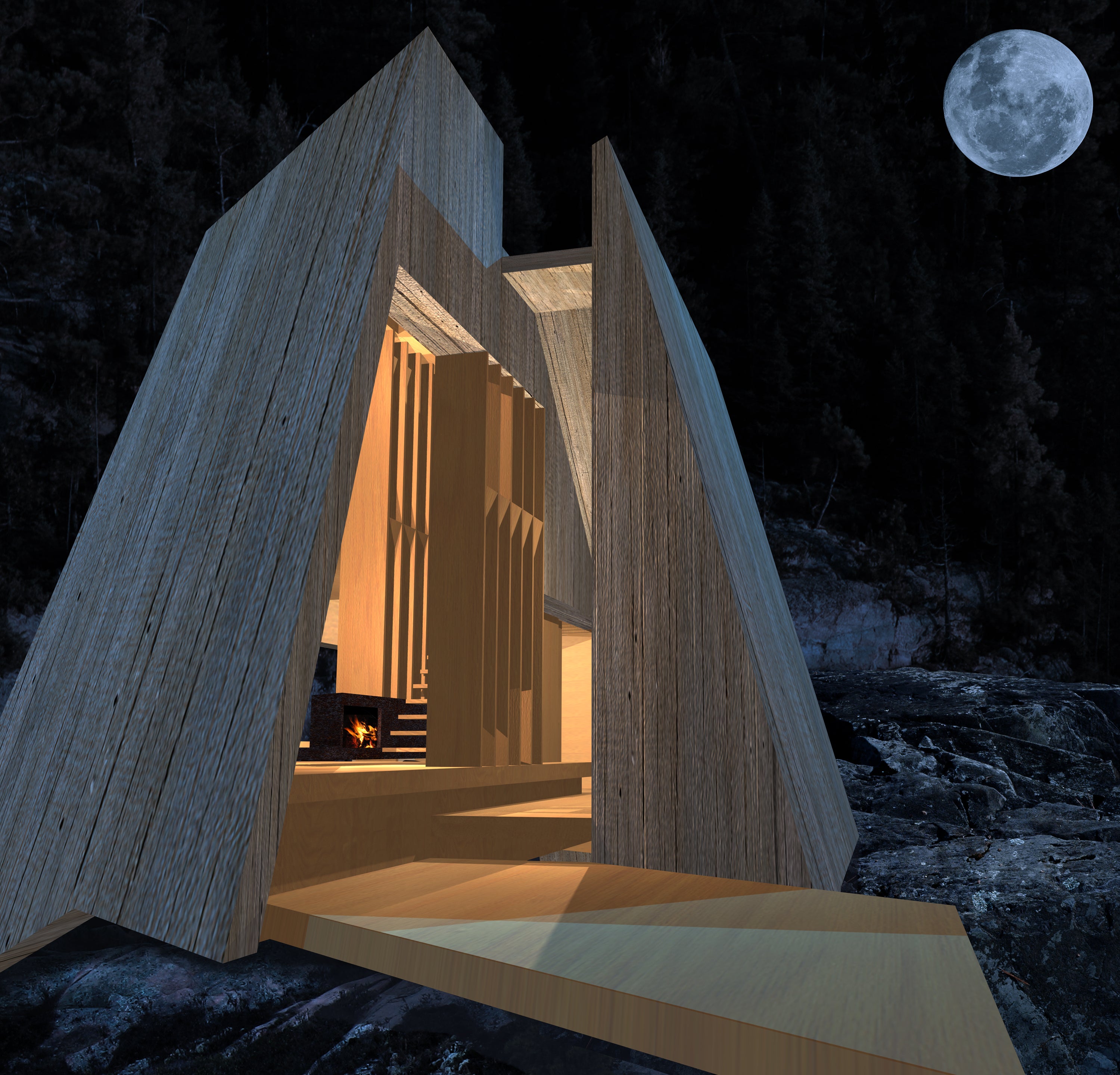
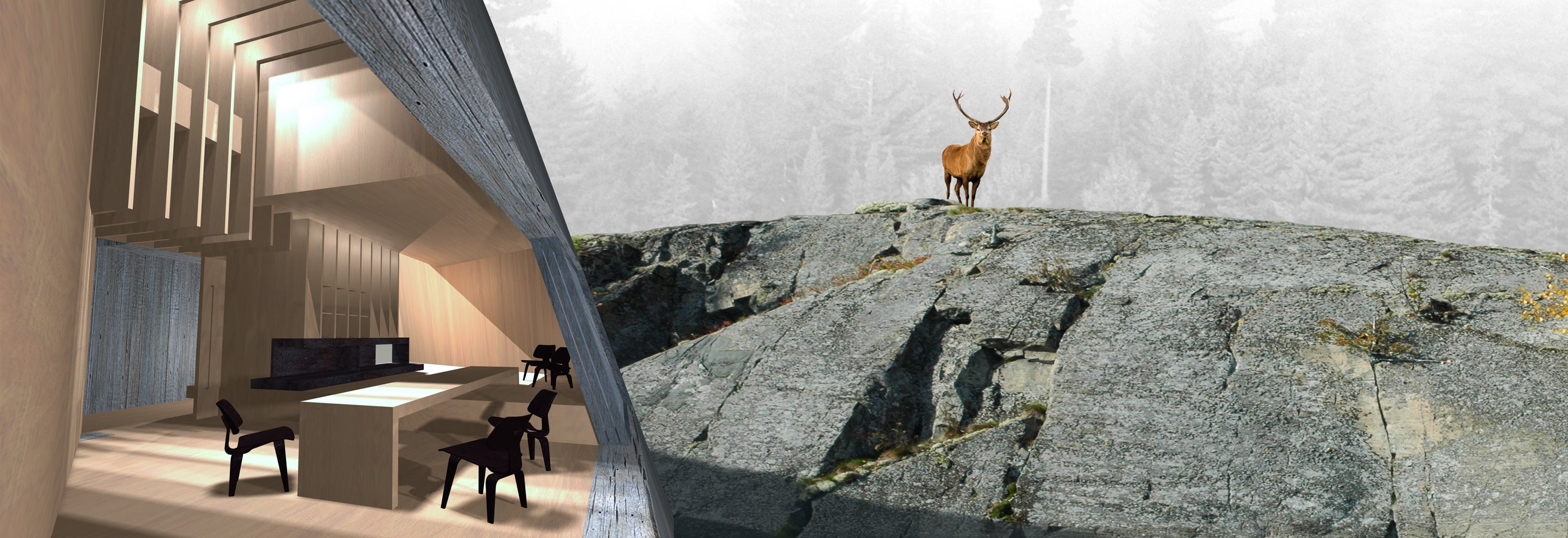
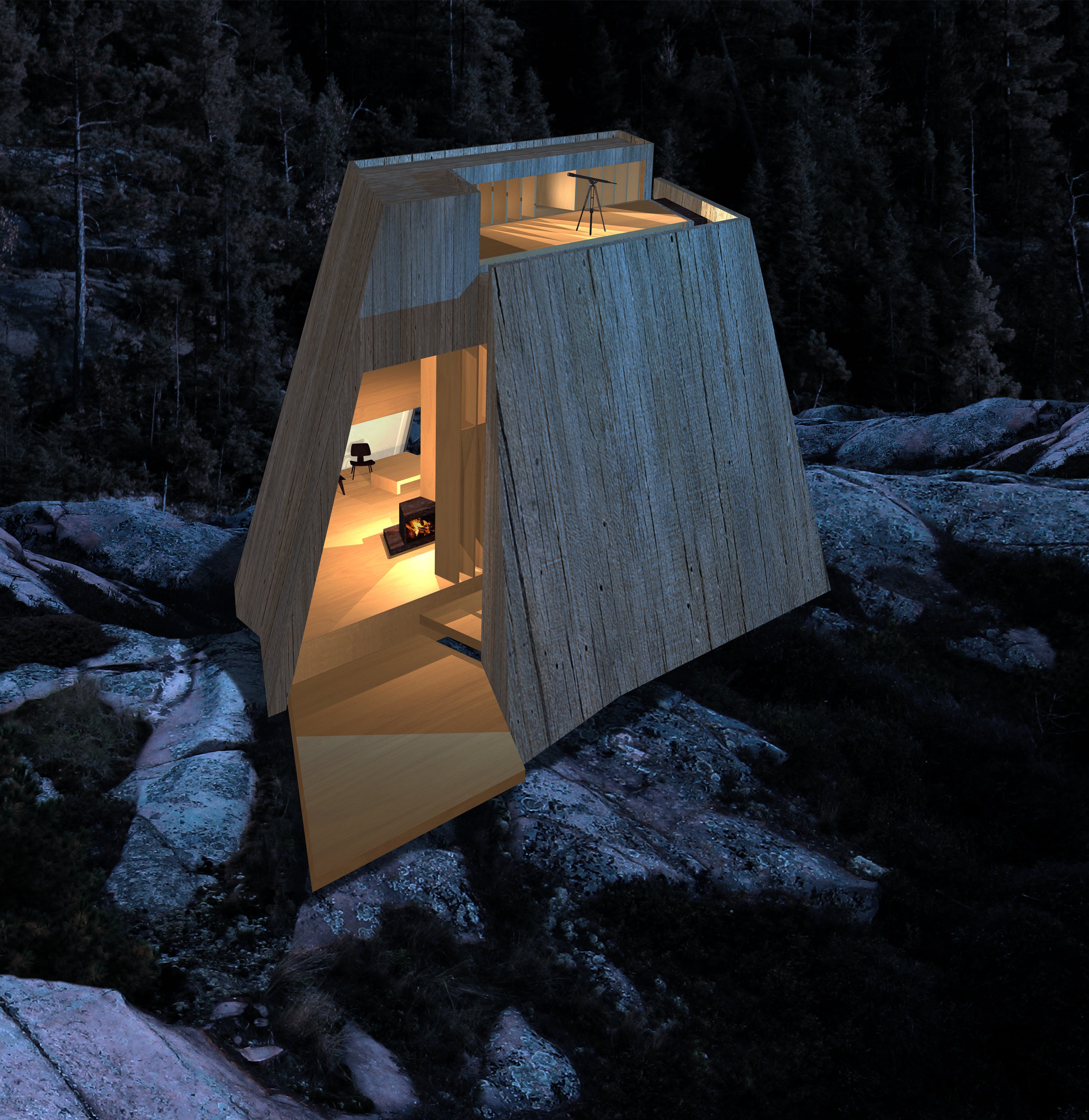
A pair of tapered, overlapping shells establish an enclosure in the forest; their embrace loosely following a natural crevasse in the rock. Between these shells, a sheltered ‘veranda’ acts as welcome mat and entrance, drawing visitors into the enclosure. The Veranda both separates and adjoins a ‘Bunk House’ enclosure and a ‘Bath House’ enclosure, while simultaneously dissolving distinctions between sheltered space and the outdoors. The veranda terminates at a semi-private bathing area – sheltered, but open, to a view of the forest beyond. Within the bunk house, a series of sliding partitions allow further management of the indoor-outdoor relationship. At one extreme, the lower level may be transformed into an outdoor room, its two long sides fully opened to the forest. A mild rain shower may require closing one small portion, or it may be necessary to batten down entirely in truly ferocious weather. Tucked into the shell’s rafters, the sleeping loft provides a suitably uncompromised experience of shelter, while a roof-top observatory offers exactly the opposite - a thrilling venue for surveying the landscape, stargazing, or experiencing a storm.
Binding all of these conditions together, a system of vertical louvered filters act as diffusers of light. Capturing the sun’s traverse from above, and the movement of lanterns from within, elemental and celestial light flows and ripples mysteriously throughout. By such means, Temagami Wilderness Camp allows the elements constant expression, while maintaining its integrity as a place of shelter.