Current students

CBB's NSERC CREATE Training in Global Biomedical Technology Research and Innovation is hosting its Annual 2023 Summer School and Design Challenge this Spring term. Our trainees will be working in groups as they participate in the design challenge. Our theme this year is Designing Technologies for Improving Access to Healthcare.

There will be several working sessions, lectures, and workshops throughout the term to support trainees as they complete the design challenge. Trainee groups will pitch their solutions on July 28, 2023 for the chance to win a cash prize!
Monday, February 3, 2025

Meet Our New Members

CBB is always welcoming new, innovative members who contribute to the incredible research happening at the University of Waterloo. The Centre is proud to have over 180 researchers from all six faculties engaged in interdisciplinary efforts to tackle challenges in human health.  

It can be hard to keep up with our growing membership, so we decided to summarize the research of our most recent additions and share where they find value in the CBB community. Each section has a call to action.

Friday, February 28, 2025 12:00 pm - 1:00 pm EST (GMT -05:00)

Leveraging Generative AI Chatbots in Public Health Communication

This lecture will be delivered by UWaterloo Adjunct Professor and VP of the Simcoe Muskoka District Health Unit, Dr. Steven Rebellato. This session will explore how Generative AI chatbots, like the one developed for the Simcoe Muskoka District Health Unit in collaboration with the University of Waterloo, are revolutionizing public health by improving accessibility, efficiency, and service delivery. The lecture will delve into an advanced evaluation framework assessing chatbot performance, consistency, and user experience, while addressing challenges like misinformation, adaptability, privacy and data integrity. Join us to gain valuable insights into the integration of cutting-edge AI technologies in public health and their implications for equity and service improvement.

Effective knowledge mobilization is essential for turning research into real-world solutions, and university centers and institutes play a pivotal role in making this happen. By fostering co-creation with end-users, nurturing long-term relationships with key stakeholders, and translating complex ideas into accessible formats, these hubs bridge the gap between academia and application. From informing policy to driving innovation, they ensure that research is not only shared but also applied, amplifying its impact on pressing global challenges.

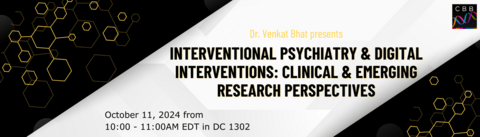
The Interventional Neuropsychiatry Program at the University of Toronto has three pillars with a focus on novel and emerging treatments in the realms of: A) Pharmacology (e.g., IV ketamine, nitrous oxide, psychedelics); B) Brain stimulation (e.g., rTMS, TI, FES); C) Digital Interventions/Therapeutics. The research program aims to understand mechanisms behind treatment response with an emphasis on digital data capture accompanied by application of AI/analytics. This talk will provide an overview of research paradigms in this emerging domain with a particular emphasis on activities within the Digital Pillar which houses the Digital Interventions & Intelligence Group (DiiG)

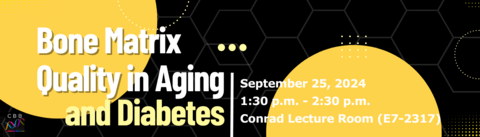
Uncovering the mechanisms of biomaterial-bone attachment is complicated by the complex and three-dimensional hierarchical structure of human bone. Our work explores the structure and formation of bone and its attachment to biomaterials with advanced microscopy approaches. This talk will introduce a range of correlative, 3D, and real-time high-resolution approaches to probe both biomineralization and osseointegration including electron tomography, focused ion beam microscopy, in situ liquid phase TEM, and atom probe tomography. These correlative microscopies provide a foundation for understanding the structure and chemical nature of inorganic and organic biomaterials, including shedding light on the titanium-bone interface, collagen-mineral arrangement, new approaches for visualizing osteocyte networks, and mineralization events in liquids. These platforms for characterization have broad applications across the field of biomedical engineering.

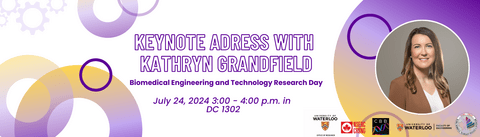
Wednesday, July 24, 2024 12:00 pm - 4:30 pm EDT (GMT -04:00)

Biomedical Engineering and Technology Research Day

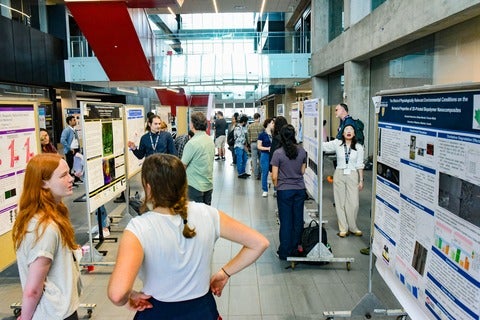
The day will include a poster symposium, keynotes speaker, provided lunch and prizes for our top contestants. The Biomedical Engineering and Technology Research Day is an excellent opportunity for students, faculty, and industry professionals to engage in insightful discussions, share knowledge, and explore cutting-edge developments in biomedical engineering.

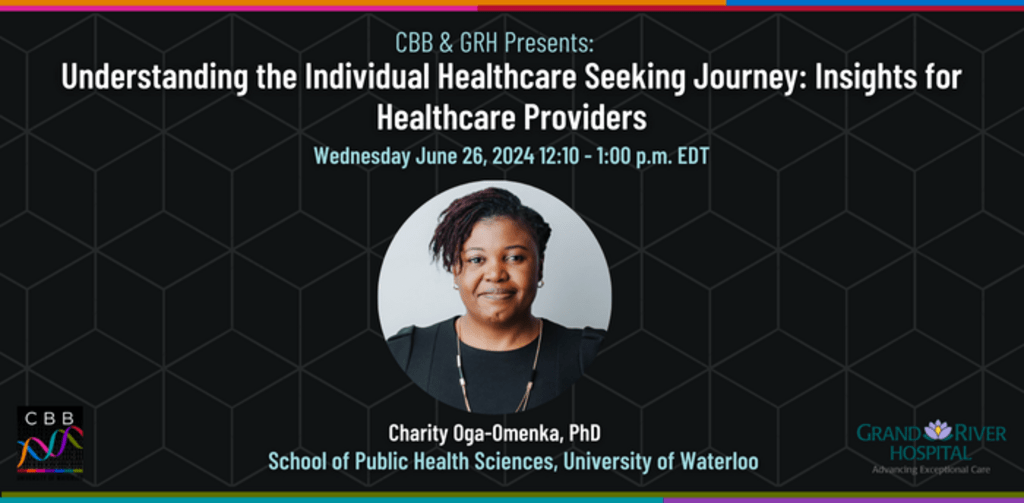
In this talk, the speaker will share insights garnered from research conducted in TB-high burden countries, shedding light on the individual healthcare seeking journey and its implications for healthcare providers across diverse settings. Through a nuanced examination of healthcare seeking behaviours, she will elucidate the universal challenges and opportunities inherent in patient care. Spanning from resource-rich to resource-constrained environments, this talk will delve into the hurdles faced by individuals and opportunities for impactful support.