Luther Year 2017: Luther & Henry VIII
CANCELLED DUE TO ILLNESS
8:45 – 9:00 Welcome
Chair: Elizabeth Milne
9:00 – 9:30 Gesprächsbeendigung in medizinischen Beratungsgesprächen im Radio am Beispiel der Sendung Das Gesundheitsgespräch - Rachel Roudyani
9:30 – 10:00 Indexing priority of position: The response particle eben in German discourse - Emma Betz & Arnulf Deppermann
10:00-10:30 Wenn der Internist zum Psychotherapeuten wird: Eine Einzelfallstudie in Betrachtung der Sprachhandlungen aus der Psychotherapie - Judith Hallwachs
Ron Broglio will trace back to the 18th-century sensibility movement contemporary post-humanist ideas of animals having a voice. In his talk, he will pursue what animal studies can push against in terms of the animal “rights” movement.
His publications include:
The German Studies Forum aims to
„ich war neun, lebte im besten land der welt und hatte keine ahnung von revolution.“
In welchem Land wir geboren werden, wir aufwachsen, können wir uns nicht aussuchen.
Timothy Snyder, author of the widely successful book Black Earth, believes we have misunderstood the Holocaust and the essential lessons it should have taught us. If the Holocaust was indeed, as Snyder’s carefully constructed argument will demonstrate, a result of ecological panic and state destruction, then our misunderstanding of it has endangered our own future. The world of the early twenty-first century resembles the world of the early twentieth more than we realize—and some of our own sensibilities are closer to those of Europeans of the 1930s than we might like to think.
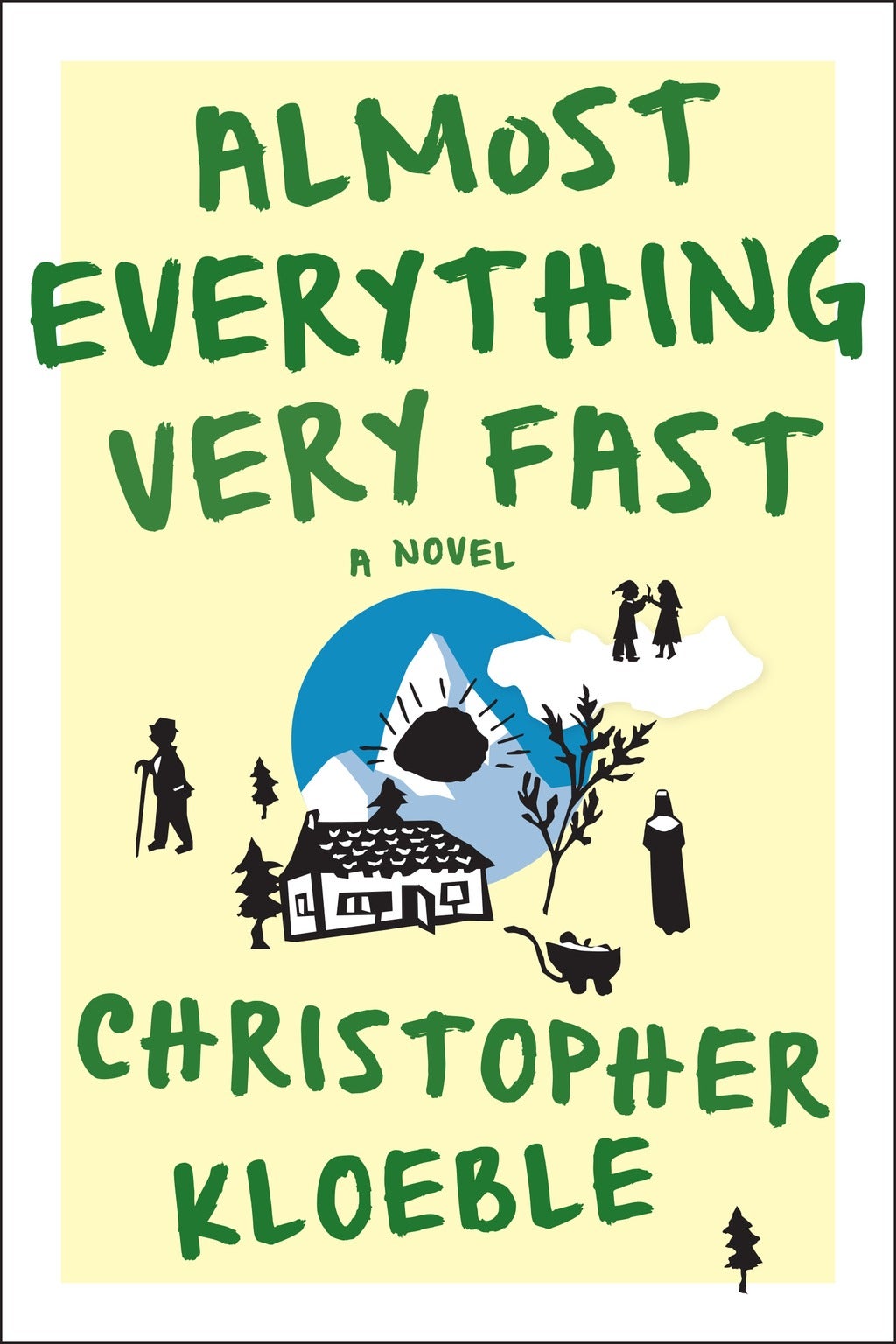
Join us for a reading group and then meet the author afterwards! Almost Everything Very Fast is German award-winning author Christopher Kloeble's 3rd book and his North American debut. (His 4th book, Die Unsterbliche Familie Salz, just came out in August.)
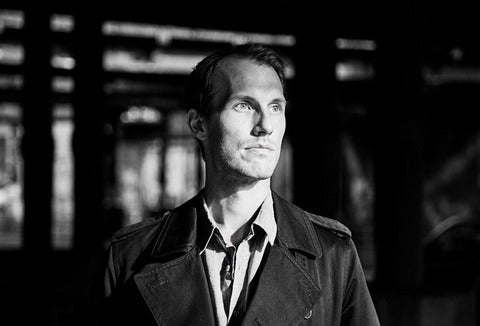
Christopher Kloeble is a German novelist, playwright, and scriptwriter.
Election battles were fought ferociously in pre-World War One Germany, when most middle-class Germans still opposed formal democracy. Anti-democrats deployed many exclusionary strategies that flew in the face of electoral fairness.
Berlin’s name change to Kitchener was not just a simple vote. Tumultuous times divided the otherwise peaceful city into two groups, reflecting the Great War that had erupted in Europe two years prior and, in the end, made the name change in 1916 Berlin/Kitchener anything but simple.