
Thursday, March 19, 2020 7:00 pm
-
7:00 pm
EDT (GMT -04:00)
The Waterloo Centre for German Studies is now accepting applications for the Stork Awards in German Studies, Marga I. Weigel German Study Abroad Award, and Piller Graduate Award.
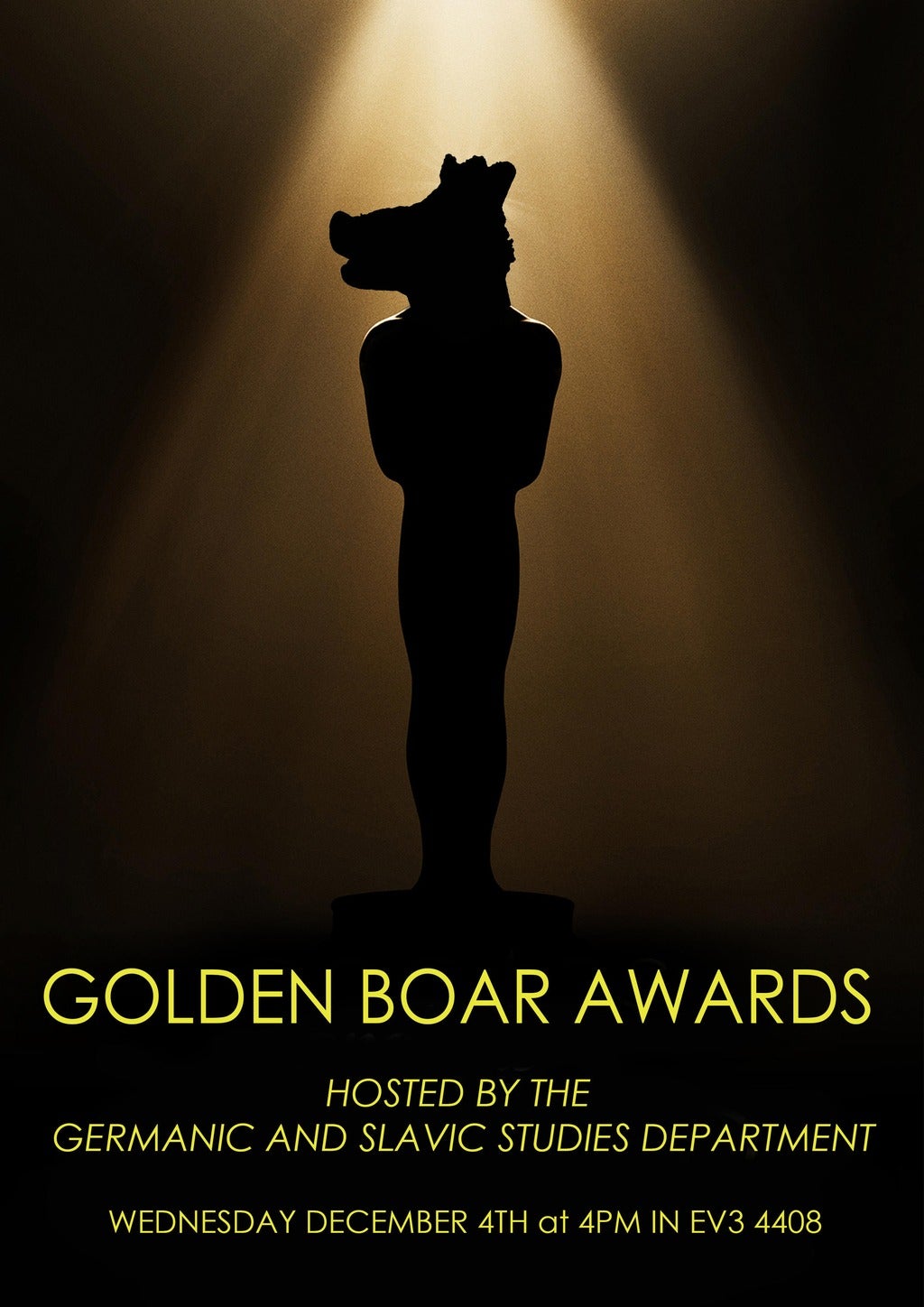
The Department of Germanic and Slavic Studies proudly presents the annual Golden Boar Awards!
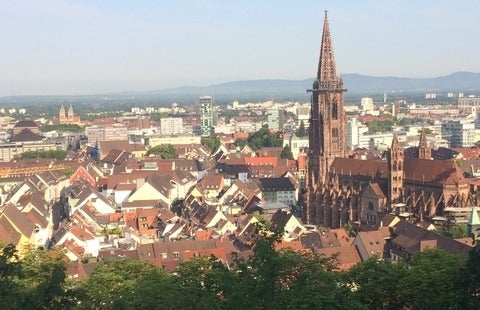
For over three decades,the Canadian Year in Freiburg exchange program has offered students the opportunity to study at one of Germany’s top academic universities, to immerse themselves in German culture and society and to explore Europe.
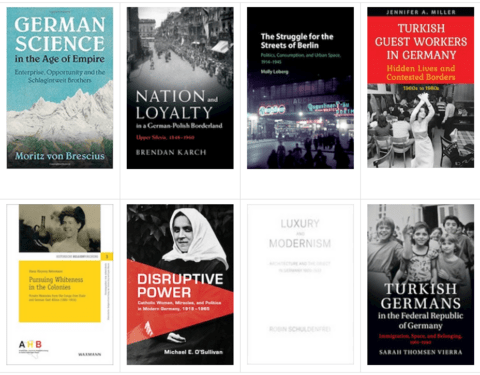
The Waterloo Centre for German Studies (WCGS) is pleased to announce the eight finalists for the WCGS Book Prize. The prize, valued at CAD $2000, is for books in any area of German studies published by first-time authors in 2018.
The shortlist demonstrates the rich and diverse nature of German studies scholarship today. The Waterloo Centre for German Studies congratulates the authors on their fine achievement. Check out the finalists here.

WCGS and GSS invite one and all to browse the halls of the Modern Languages building for an exclusive look at a poster exhibition of Reinhard Kleist's graphic novel Berliner Mythen.
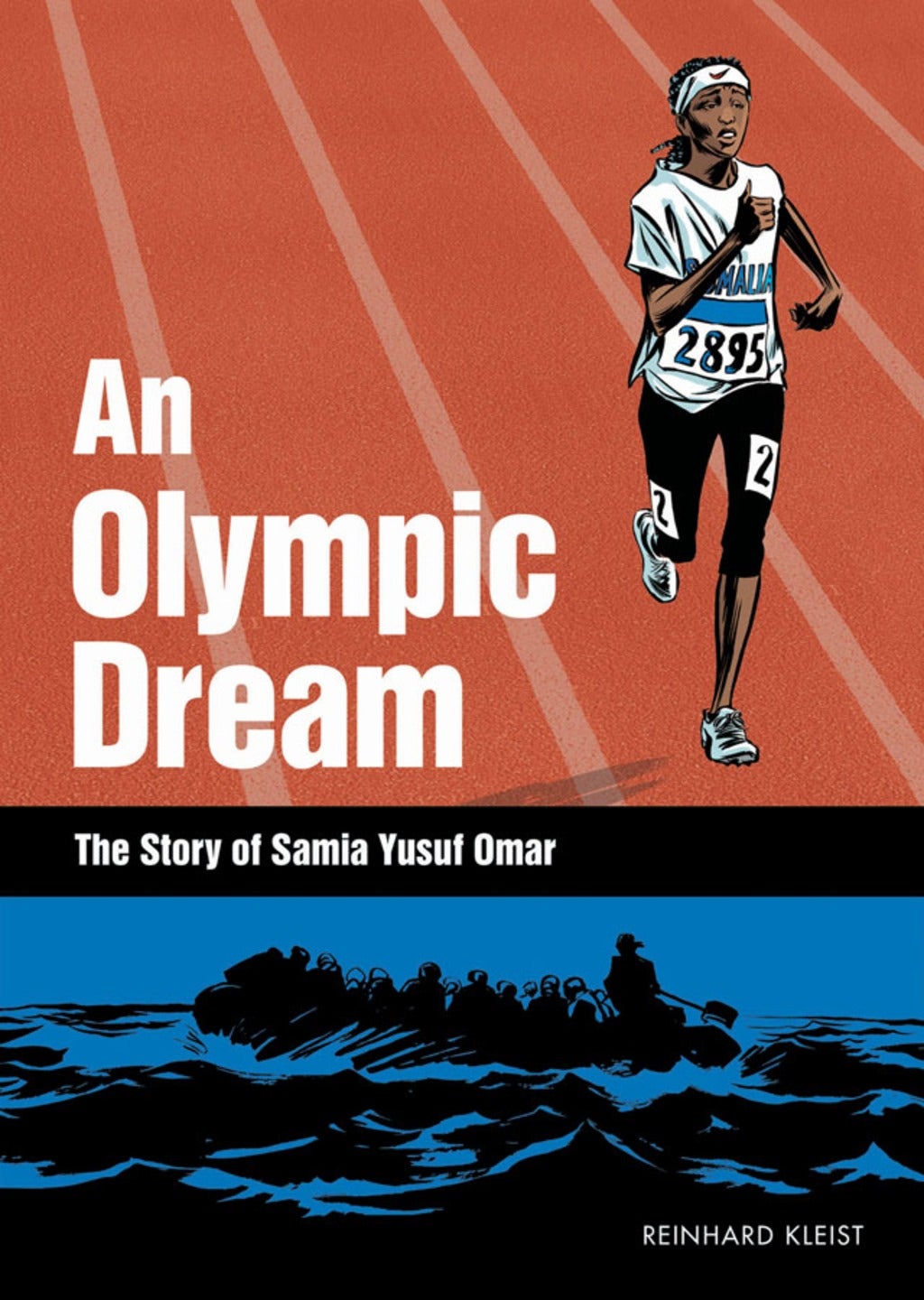
The Social Media Aesthetics of Mobility: Reinhard Kleist’s The Olympic Dream and Comics on Refugee Experience
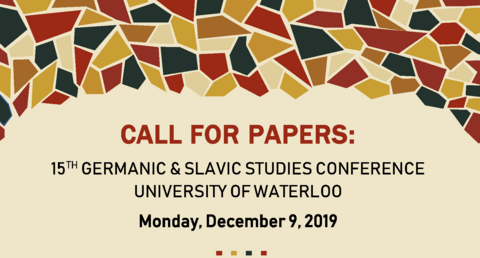
CALL FOR PAPERS: 15TH GERMANIC & SLAVIC STUDIES CONFERENCE UNIVERSITY OF WATERLOO
Keynote address by Dr. Sabine Hake (The University of Texas at Austin)
1n 1996, Marc Silberman asked, “What is German in the German cinema?” In challenging the easy definition of national cinemas based on linguistic or geo-political borders, he illustrated the difficulty of pinpointing exactly what is “German” cinema, especially when taking into account the often multi- and transnational aspects of its history. His conclusion that “the form of the question tends to determine the way it is answered” suggested that the way German cinema was understood largely owed to the limitations scholars put on it in the framing of their own scholarship. The categories of German cinema, then, are self-defined and, thus, self-limiting. Similarly, both Anton Kaes and Sabine Hake have wrestled with how to define German cinema, both issuing calls to action to develop case studies (Sabine Hake) and “new cinema history” (Anton Kaes) to explore new ways of approaching and defining the what and who that comprise German cinema.
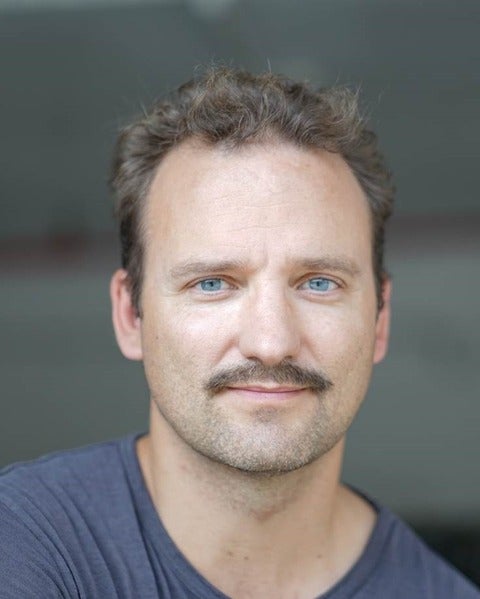
November 18-22 is International Education Week at the University of Waterloo, the high point of which will be a visit to campus by renowned filmmaker and storyteller Alexandre Trudeau. The Waterloo Centre for German Studies is happy to be a leading sponsor of this event. Mr. Trudeau will be giving a keynote address to high school and university students (as well as anyone else who wishes to attend) about how his ability to speak multiple languages has enriched his life, both personally and professionally, and why he believes all students should have diverse opportunities for language learning and study abroad. The keynote will be followed by a panel discussion featuring industry professionals, alumni and more, all part of the Goethe-Institut’s Career Booster – Global Experience Day.