Building Relational Futures: The Indigenous Futures Circle Gathering at the University of Waterloo
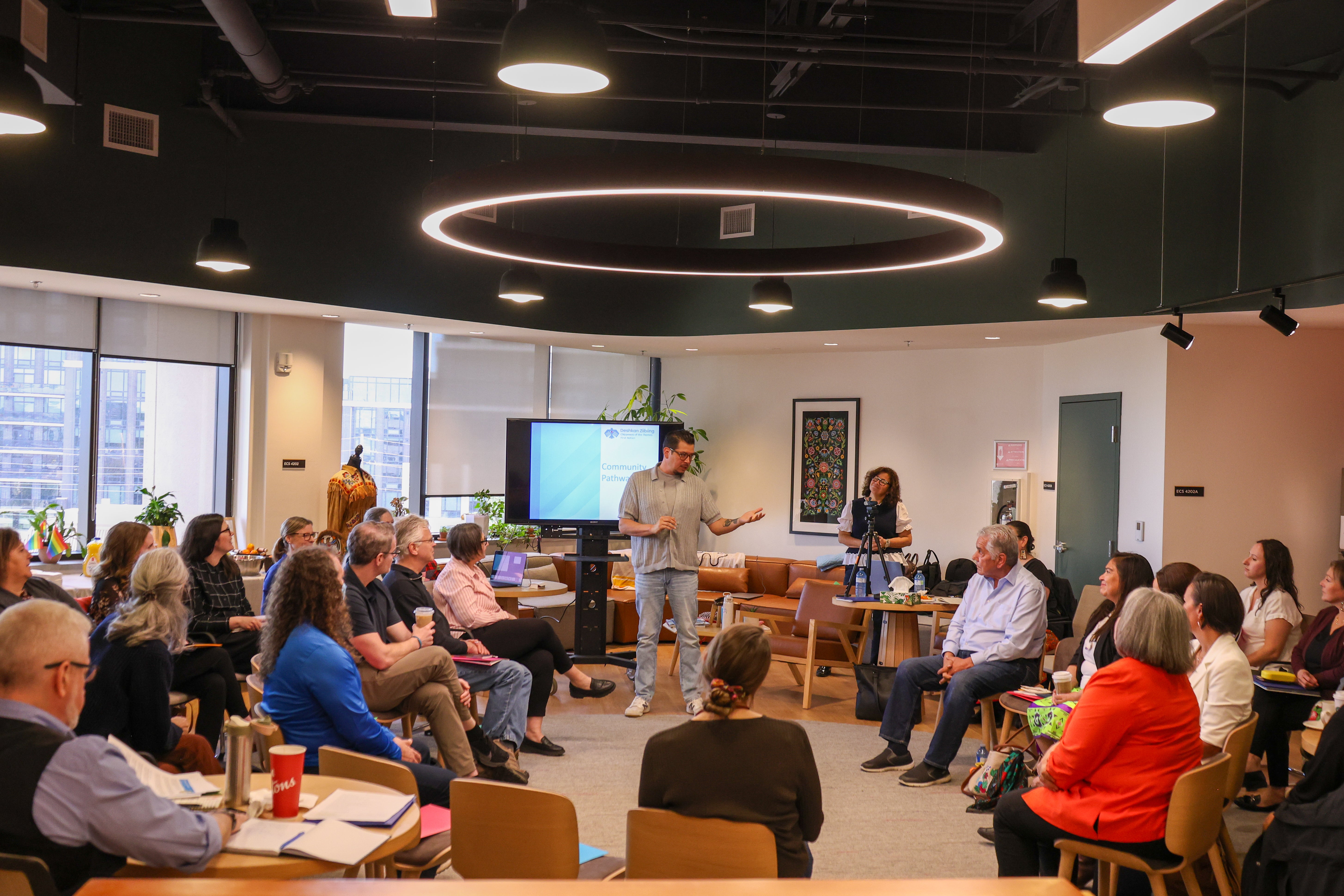
On May 20 and 21, 2026, the University of Waterloo’s Office of Indigenous Relations hosted a two-day gathering rooted in relationship-building, reciprocity, and community leadership. Organized through the Indigenous Futures Circle, the event brought together representatives from Deshkan Ziibiing Anishnaabeg (Chippewas of the Thames First Nation) alongside researchers committed to rethinking how research partnerships are formed and sustained.
The gathering created a dedicated space for Chippewas of the Thames First Nation to share community-identified priorities and needs. Rather than following conventional academic approaches where research agendas are often externally driven, this event centered Indigenous voices and perspectives from the outset. The aim was to hold meaningful dialogue with researchers through an inward approach that prioritizes listening, reflection, and respect for community knowledge systems.
“The Indigenous Futures Circle reflects an important shift in how we understand research relationships at the University of Waterloo. This gathering with Deshkan Ziibiing Anishnaabeg centered community priorities, relational accountability, and the importance of creating space for listening before action. By bringing together community leaders and researchers in a respectful and reciprocal way, The Office of Indigenous Relations (OIR) is helping build partnerships grounded not in extraction, but in trust, responsibility, and long-term relationship.”
— John Lewis
At its core, the Indigenous Futures Circle represents a broader commitment to transforming research culture at the University of Waterloo. It seeks to enable a decolonial shift in how relationships between researchers and Indigenous communities are initiated, governed, and maintained. This includes challenging long-standing practices that have often been extractive, transactional, and short-lived.
Instead, the Circle emphasizes reciprocity and long-term engagement. By creating intentional spaces like this gathering, it encourages partnerships grounded in trust, accountability, and mutual benefit. The focus is not simply on producing research outcomes, but on cultivating relationships that endure and evolve over time.
This gathering with the Chippewas of the Thames First Nation stands as a meaningful example of this approach in action. By centering community leadership and respectful connections with researchers, the Indigenous Futures Circle continues to support a future where research is collaborative, ethical, and deeply rooted in place and relationship.