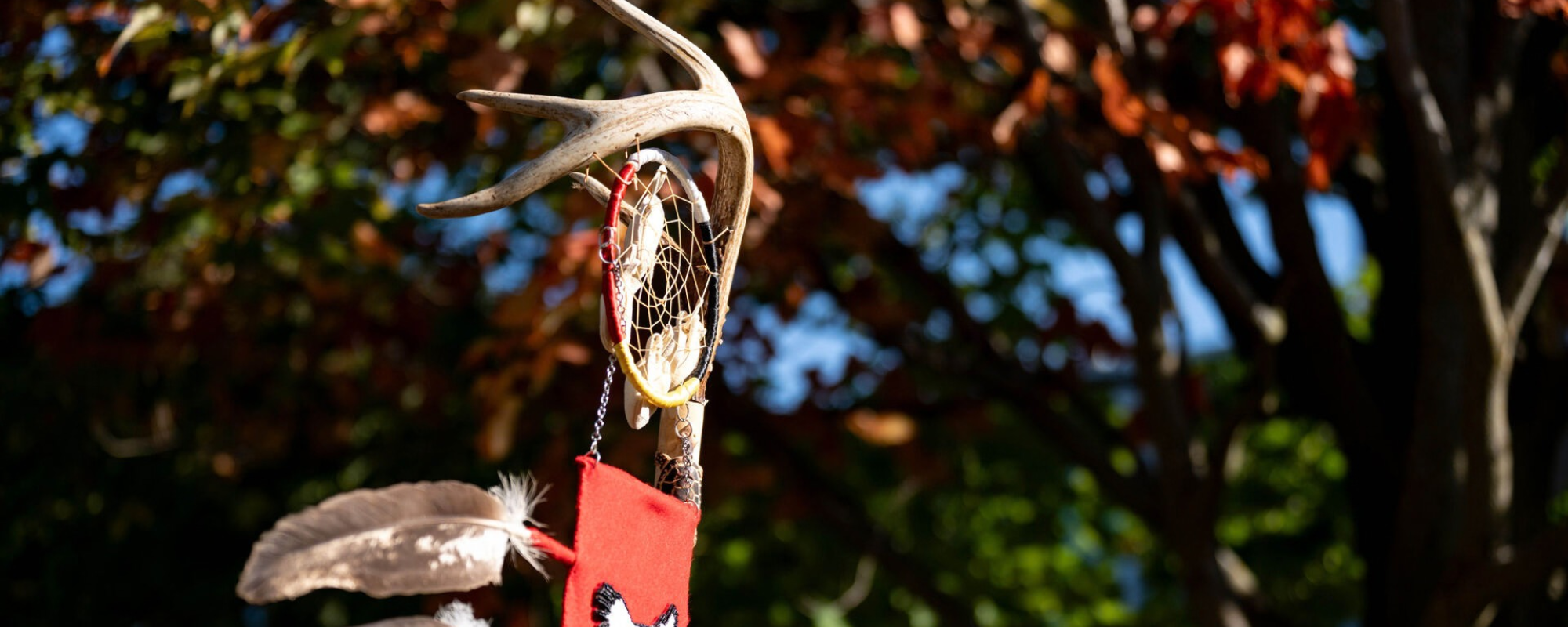
Welcome to the Fall 2026 Edition of Indigenous Connections
Fall is a beautiful season of transition. The leaves begin to change, and our animal kin prepare for the colder months ahead. As the trees release their leaves, we too can take this time to let go of what may no longer serve us.
As we prepare for winter, let us also turn inward and reflect on where we may need to restore balance within ourselves, our relationships, our communities and the natural world. May this season remind us to slow down, listen and make space for what we need in the months ahead.
In this Issue:
News

New Indigenous mural finds a permanent home at the School of Accounting and Finance
The School of Accounting and Finance (SAF) has unveiled a new three-panel Indigenous mural by Cayuga Woodland artist Kyle Joedicke in the Don Craig Atrium. Depicting the Haudenosaunee Sky Woman creation story, the mural traces Sky Woman’s descent, the growth of sacred plant life on Turtle Island, and the harmony of the natural world. The work brings themes of origin, care for the land and community into one of Hagey Hall’s busiest gathering spaces. Read more here.

Land of Knowledge
The University of Waterloo recently launched the first Certificate of Indigenous Health, Wellness and Land-Based Healing for staff, faculty and students at Kiinomaage-Aki (Land of Knowledge). Led by Elder Myeengun Henry, the program brought participants together through land-based teachings, ceremony and community. Additional offerings are planned for the winter and spring terms, expanding opportunities to learn through Indigenous knowledge and land-based practices. Read more in the Daily Bulletin here.
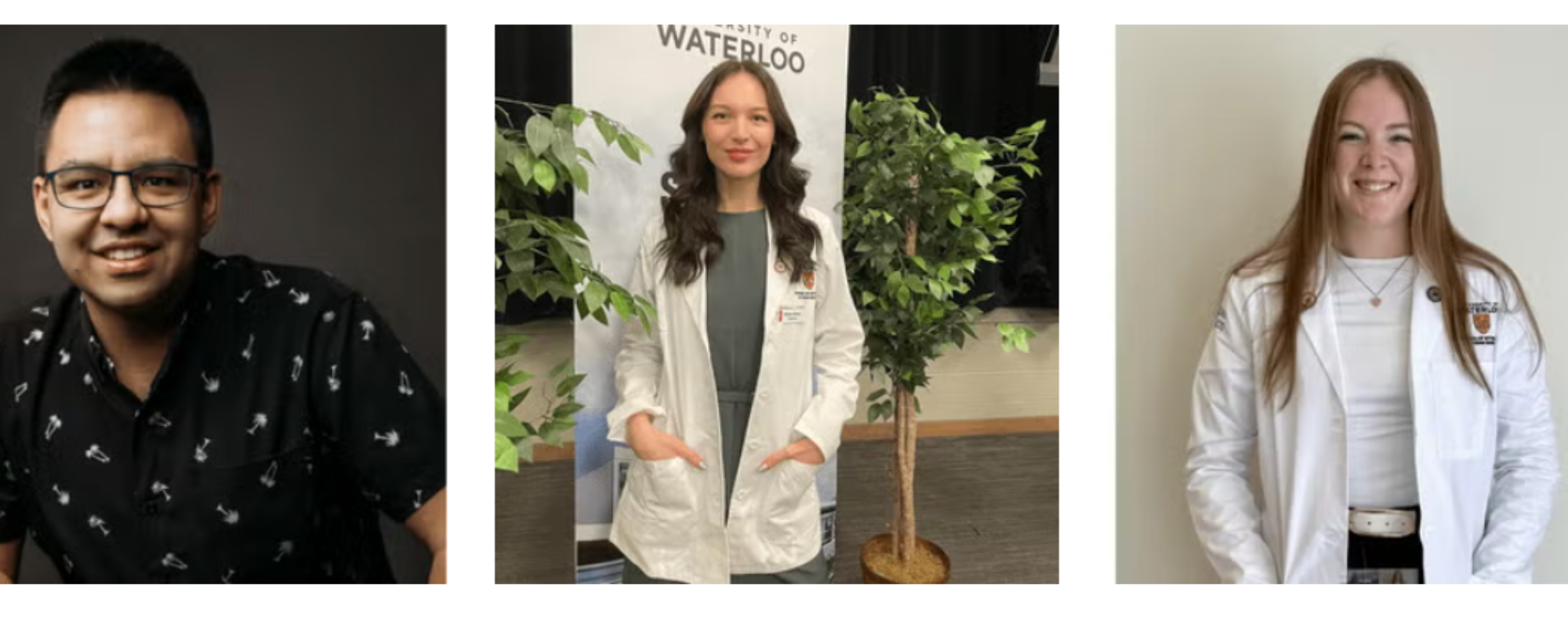
Advocates for Indigenous Eyecare by Students (AIES): Strengthening partnerships and eye health education
Advocates for Indigenous Eyecare by Students (AIES) is a student-led group at the University of Waterloo School of Optometry & Vision Science working to advance sustainable and accessible Indigenous eye care in Canada. Through workshops, cultural learning opportunities, research and outreach, AIES is helping future optometrists build the knowledge and awareness needed to provide respectful, culturally informed care. The group’s long-term vision includes strengthening relationships with Indigenous communities, supporting Indigenous students entering optometry and embedding Indigenous health education more deeply within the School. Read more here.
Upcoming Events

OIR Indigenous Arts Market
The Office of Indigenous Relations invites the Waterloo community to its first-ever Indigenous Holiday Arts Market on December 1, 2026, in the Student Life Centre Multi-Purpose Room. Browse unique gifts from Indigenous artists, artisans and entrepreneurs, enjoy complimentary hot chocolate, and support Indigenous-owned businesses while celebrating Indigenous creativity and culture this holiday season.
Full event details here.
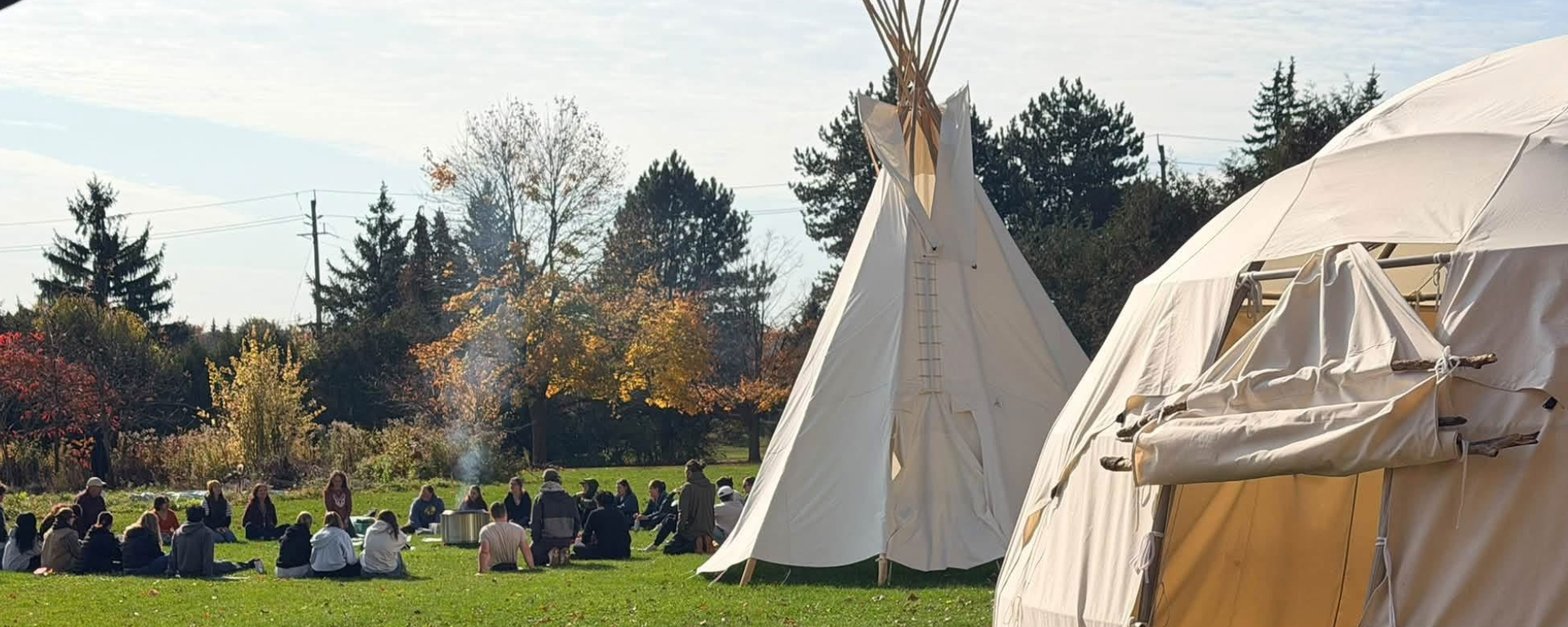
Help Shape Kiinomaage-Aki
Indigenous students, faculty and staff are invited to a collaborative design workshop on December 4 to help shape the future of Kiinomaage-Aki, the University of Waterloo’s Indigenous land-based teaching and learning space. Participants will have an opportunity to share feedback on gardens, gathering spaces, outdoor learning areas and other planned features. Light refreshments will be provided. RSVP to indigenousrelations@uwaterloo.ca.
Event Recaps
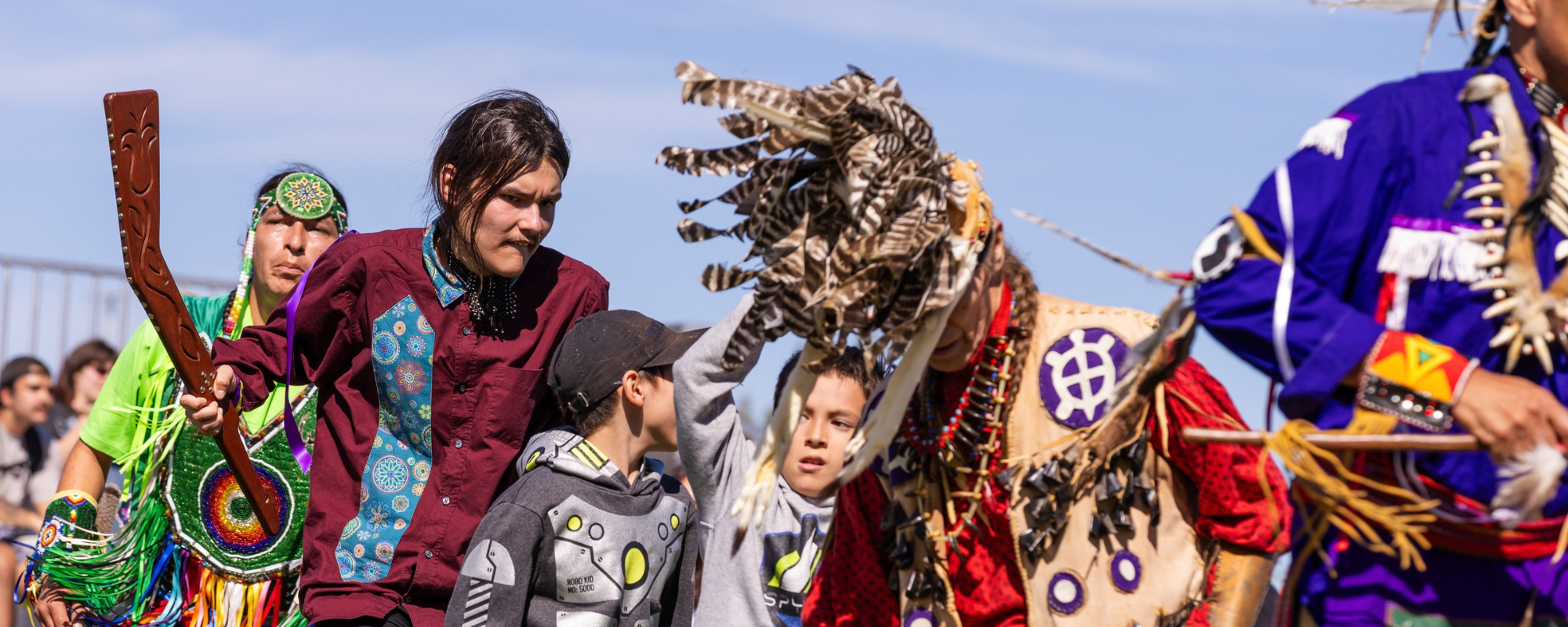
23rd annual Gidinawendamin/Ska’nikú•lát Pow Wow. Kinship and Community: Weaving the Generations.
Our 23rd annual Gidinawendamin/Ska’nikú•lát Pow Wow brought our campus and wider community together for a vibrant celebration of Indigenous cultures, traditions and joy. Through song, dance, food, art and gathering, the day created space to reconnect, share culture and celebrate the beauty and resilience of Indigenous Peoples. We are thankful to everyone who made this year's Pow Wow a success. If you’d like to read more about the day, check out this CBC article.
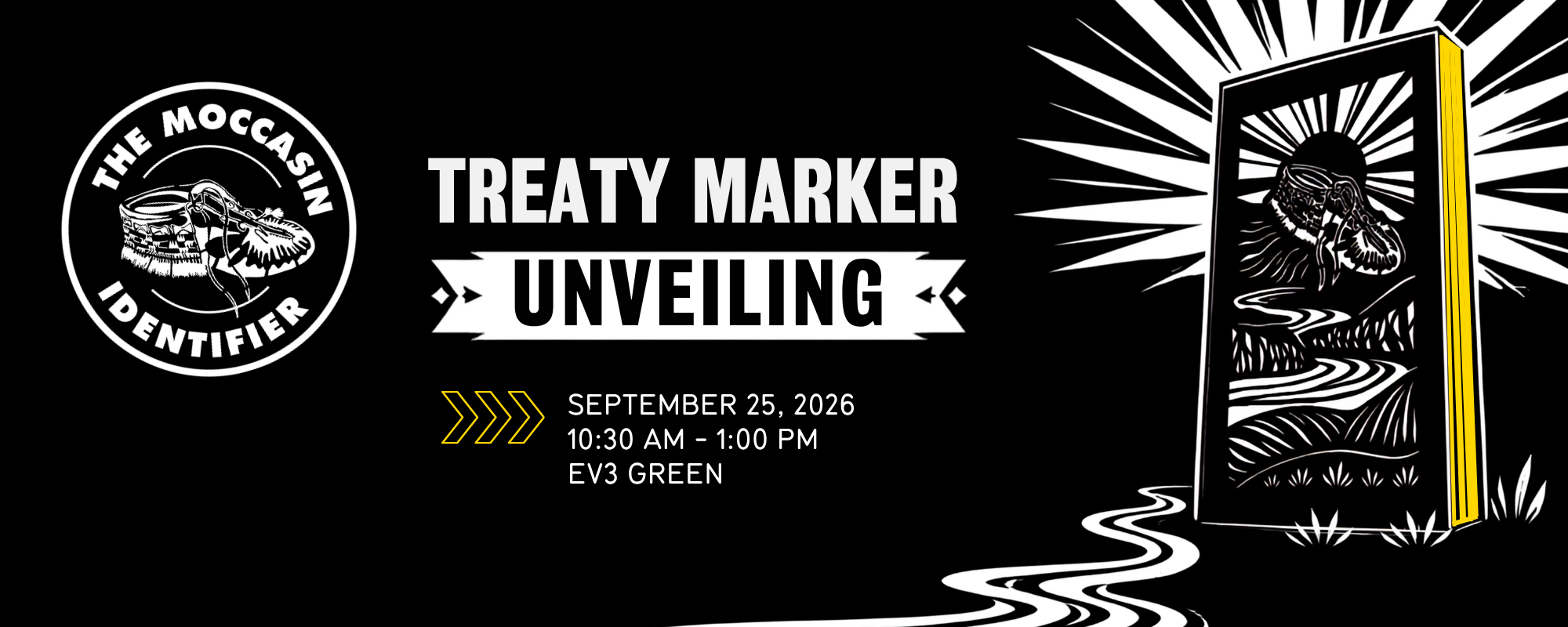
Treaty Marking Unveiling
The Faculty of Environment and The Moccasin Identifier have unveiled a permanent Moccasin Identifier Treaty Marker on campus. Located across from Environment 3, the installation recognizes Indigenous histories and the ongoing presence of First Nations, Métis and Inuit Peoples, while creating a lasting space for treaty awareness and reflection.
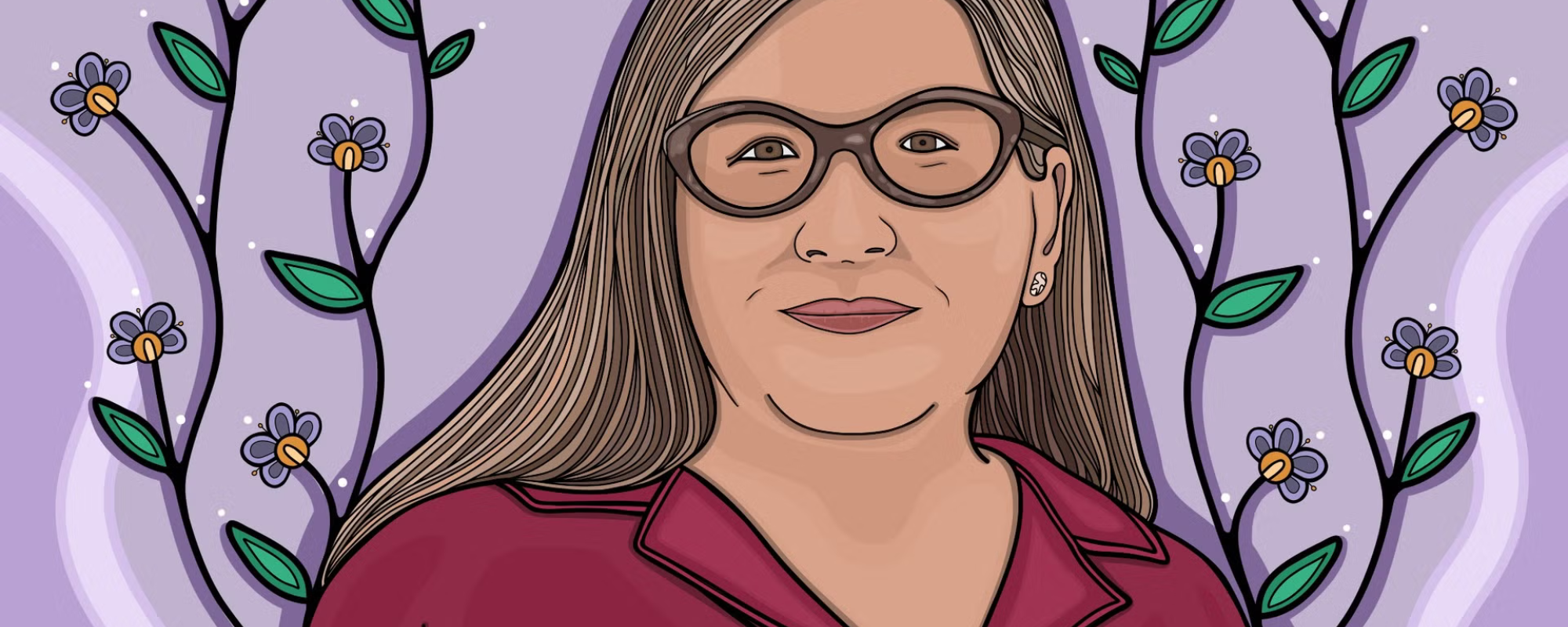
Indigenous Speakers Series: Sarah Deer
The Faculty of Arts and the Office of Indigenous Relations welcomed Sarah Deer, an acclaimed legal scholar, advocate, and citizen of the Muscogee (Creek) Nation, as part of the Indigenous Speakers Series. During her talk, Sovereignty of the Soul, Deer explored efforts to address gender-based violence in Tribal communities and the role of Indigenous sovereignty, legal reform, and advocacy in advancing justice for Indigenous Peoples. The presentation was followed by a moderated Q&A and community reception
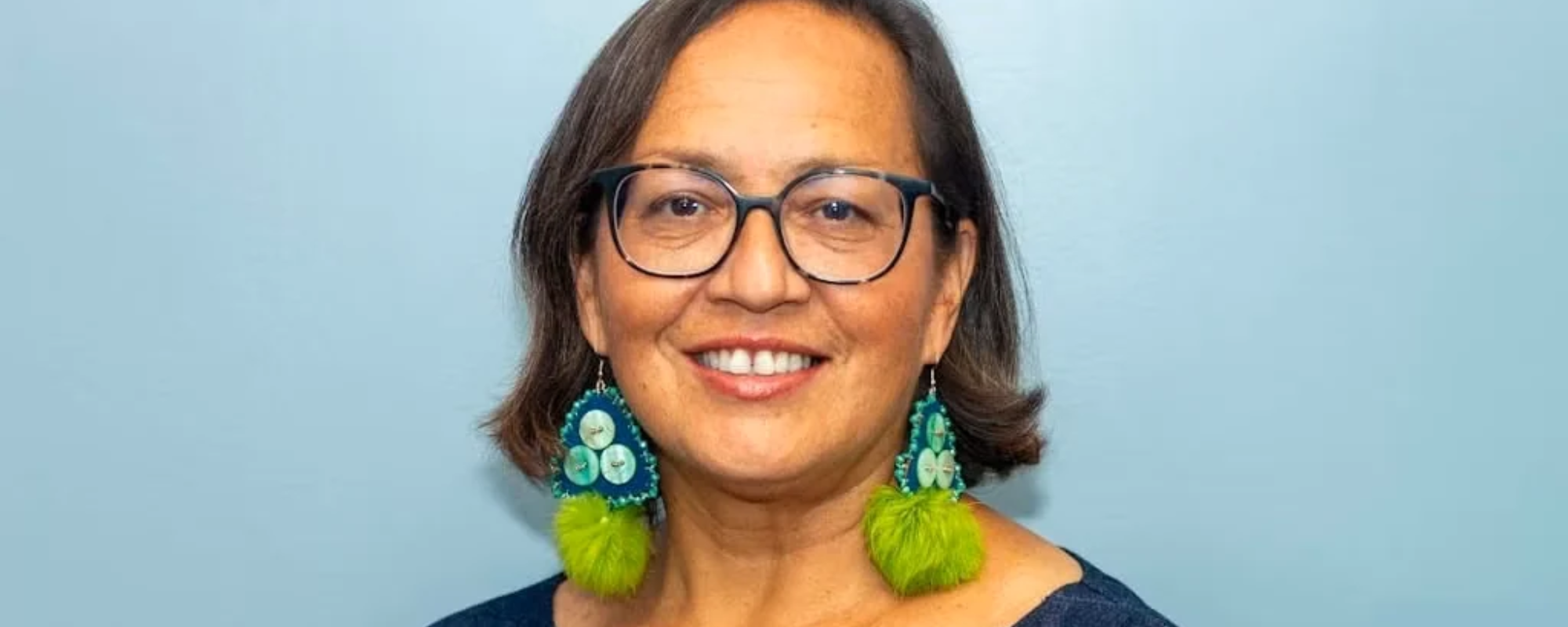
Indigenous Health Leadership Lecture: Dr. Cornelia (Nel) Wieman
The University welcomed Dr. Cornelia (Nel) Wieman, Chief Medical Officer of the First Nations Health Authority and Canada’s first female Indigenous psychiatrist, for a discussion on Indigenous health, leadership, and anti-racism. Drawing on more than 30 years of experience, Dr. Wieman shared insights on advancing culturally safe health care and improving health outcomes for First Nations, Inuit, and Métis communities.
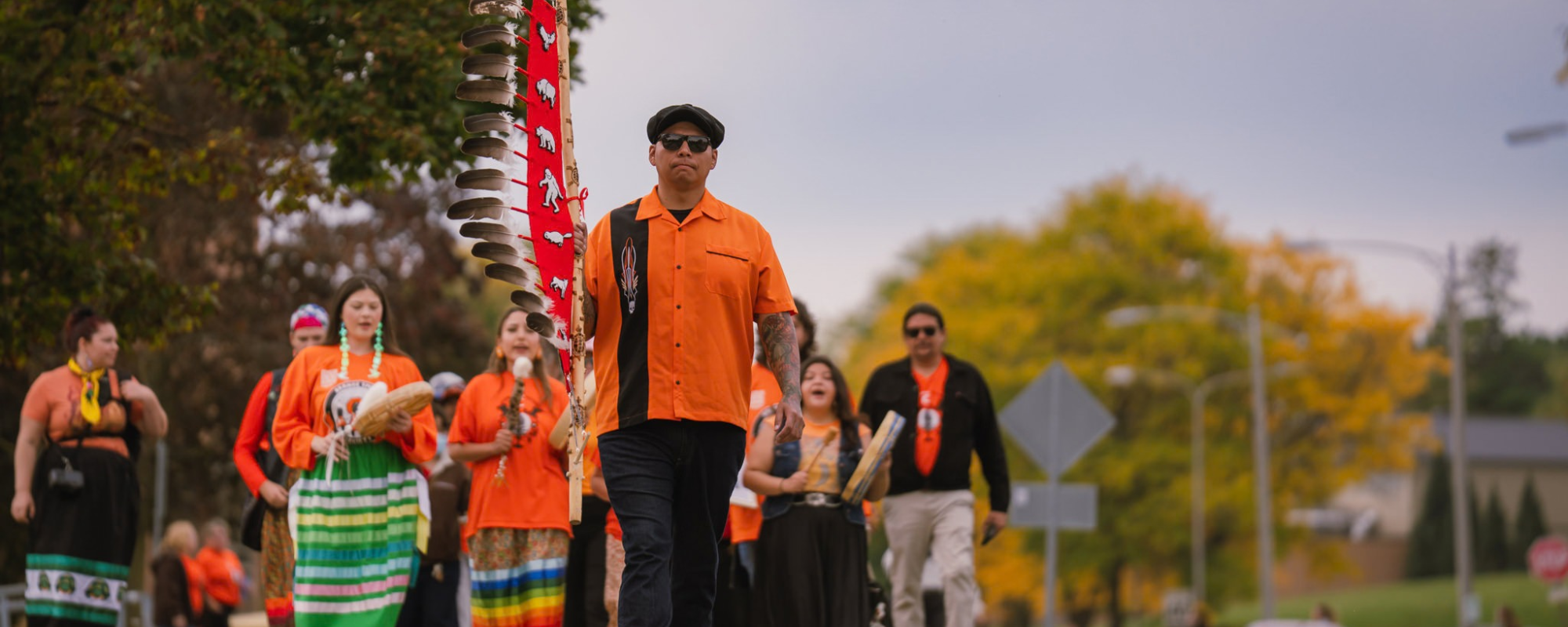
National Day for Truth and Reconciliation
Students, staff, and faculty gathered on Sept. 30 to mark the National Day for Truth and Reconciliation through a day of ceremony, reflection, and community. Organized by the Office of Indigenous Relations, the program included a sunrise ceremony led by Elder Myeengun Henry, a reaffirmation of commitments to reconciliation by University president, Bill Rosehart, a solidarity walk around Ring Road, and a traditional round dance. The events honoured the children who never returned home from residential schools, as well as Survivors, their families, and communities. Read more about the day here.
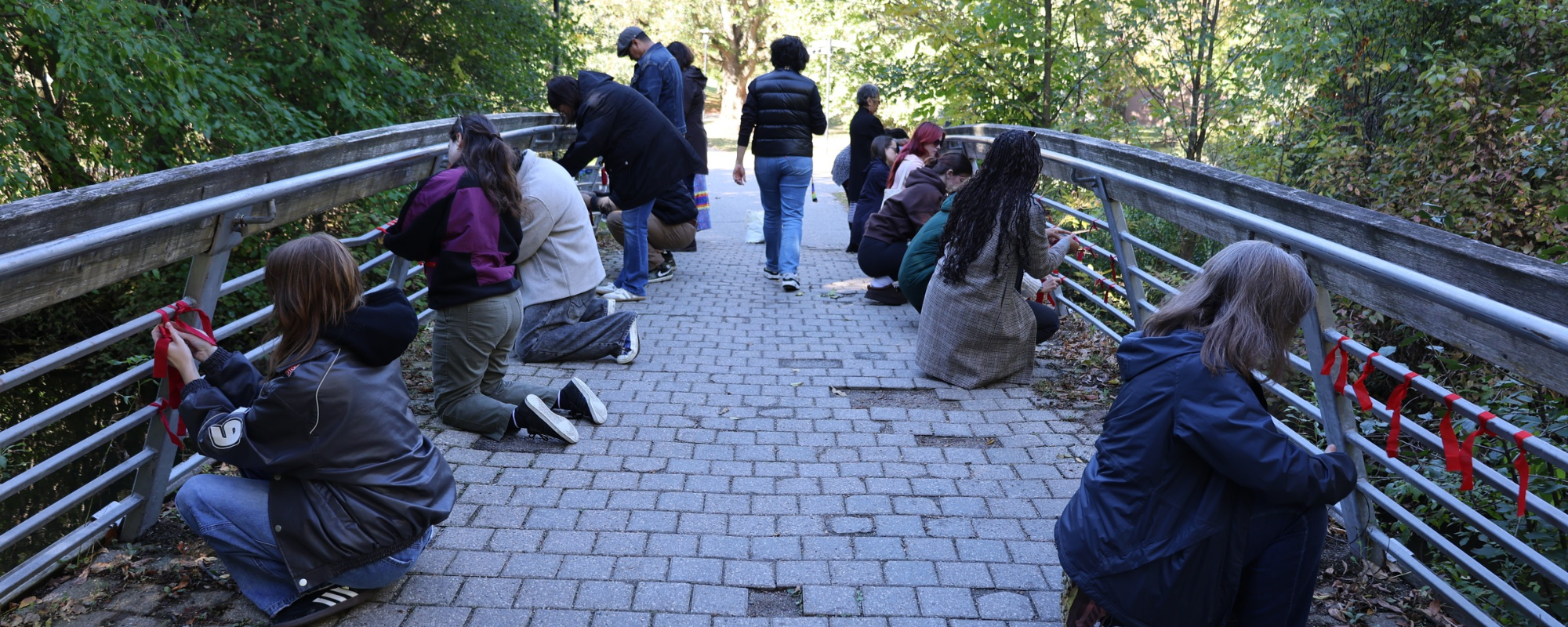
Bridge: Honouring Missing and Murdered Indigenous Women, Girls and Two-Spirit People
Members of the University community gathered at the Ceremonial Fire Grounds at United College for the Opening and Closing Ceremonies of Bridge, a long-standing initiative that honours Missing and Murdered Indigenous Women, Girls, and Two-Spirit People. Founded at the University of Waterloo by Dr. Sorouja Moll in 2015, the event invited participants to reflect, learn, and take part in reading names and tying red fabric to the bridge between Environment 3 and United College as an act of remembrance and solidarity. Ryan Blackwolf returned as Ceremonial Fire Keeper, with the event supported by the Office of Indigenous Relations, the Sexual Violence Prevention and Response Office, the Faculty of Arts, and community partners.
Opportunities
Technology for Aging Gracefully Research Scholarship
-
Two $2,000 scholarships awarded to Master's or PhD students from racialized and/or Indigenous (First Nations, Inuit and/or Metis) communities who are conducting research that supports the advancement and use of technology for older adults. Applications close December 14th.
Territorial Acknowledgement
As the Canadian Association of University Teachers described in their guide to territorial acknowledgment for Canadian universities, “[…] acknowledging territory is only the beginning of cultivating strong relationships with the First Peoples of Canada."
The University of Waterloo is located on the Haldimand Tract and learning the history of this Treaty is an important way to not only connect the past with the present, but also provides space and time to reflect on the ways in which we are all treaty people.
Learn more about the Haldimand Tract with Phil Monture, who is Mohawk from the Six Nations of the Grand River. From 1975 to July 2002, Phil was the Director of the Land Claims Research Office at the Six Nations of the Grand River. Phil's video lecture was recorded as part of Treaties Week 2020.
Visit the Indigenous Relations Territorial Acknowledgement resource page to learn more about creating your own acknowledgement.
