1st Annual Golden Boar Awards
This is the first annual (can it be annual if it's the first?) Golden Boar Awards. Far from boring, these short films were produced by students in German 101 and 102 and will be showcased this evening.
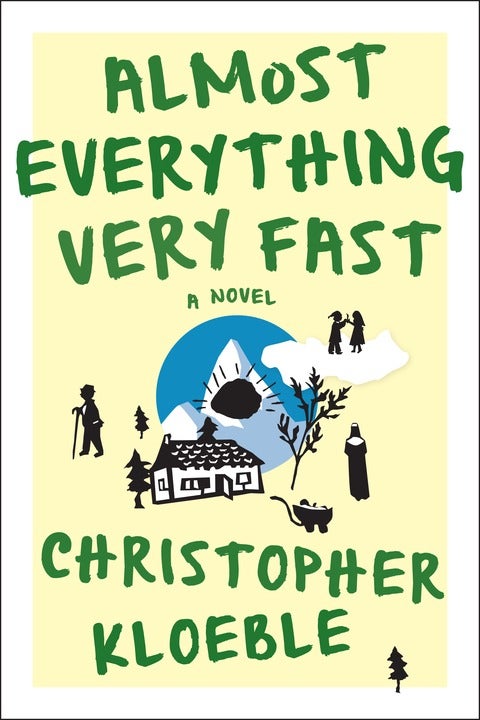
Every semester, the Waterloo Centre for German Studies's reading group meets on a weeknight evening to discuss a book that is somehow related to German-speaking culture. These have been our past titles:
On Tuesday, November 28th, WCGS Director James Skidmore gave a talk on the history of Christmas traditions in German-speaking Europe. The event was connected with Kitchener's Christkindl Market, which opens next week, on Thursday, December 7th.
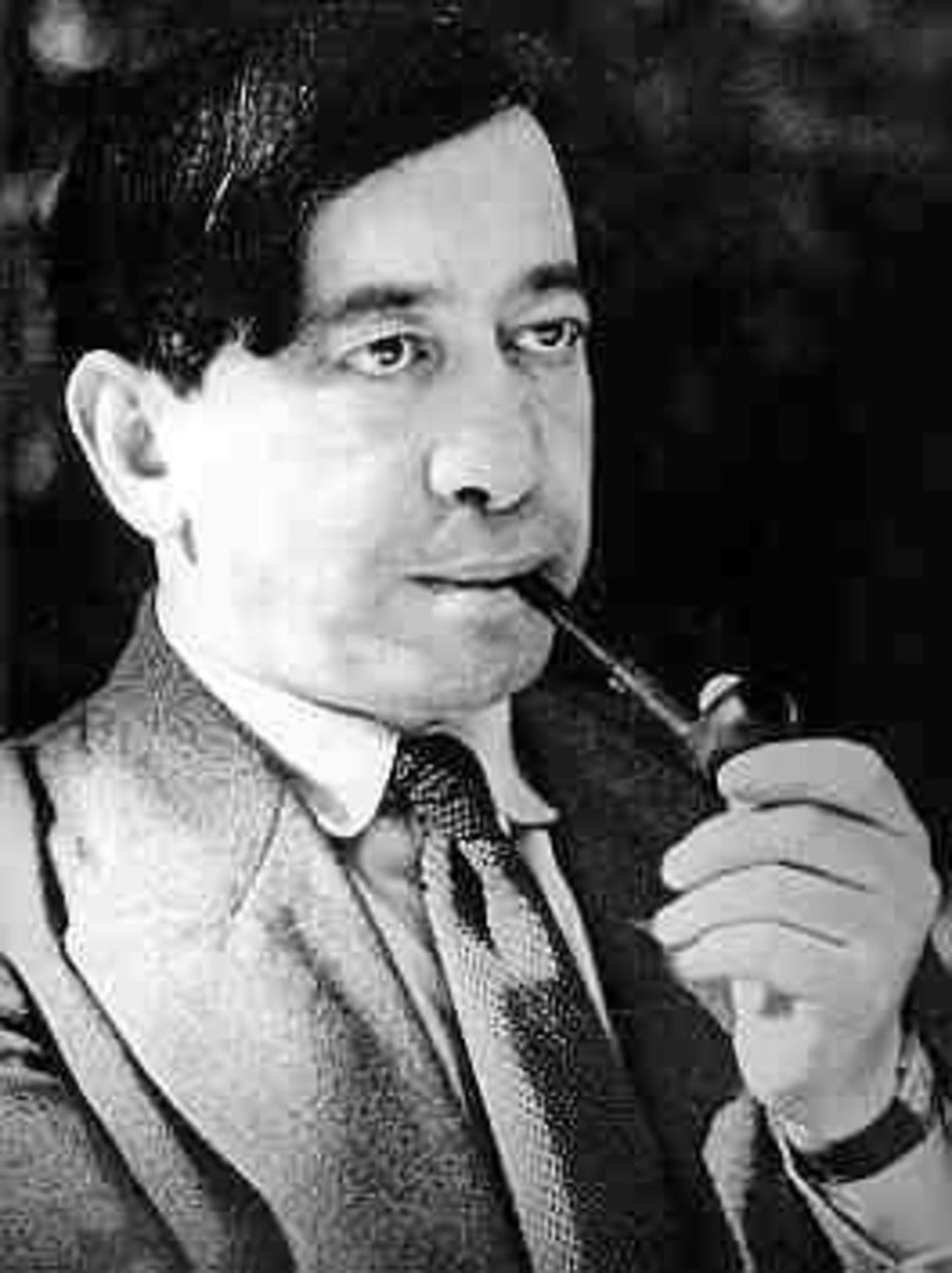
Join us at Open Sesame, downtown Kitchener's distinctive gift shop/gallery/book store, for a reading by Carl Skoggard, translator of the novel Georg by Siegfried Kracauer.
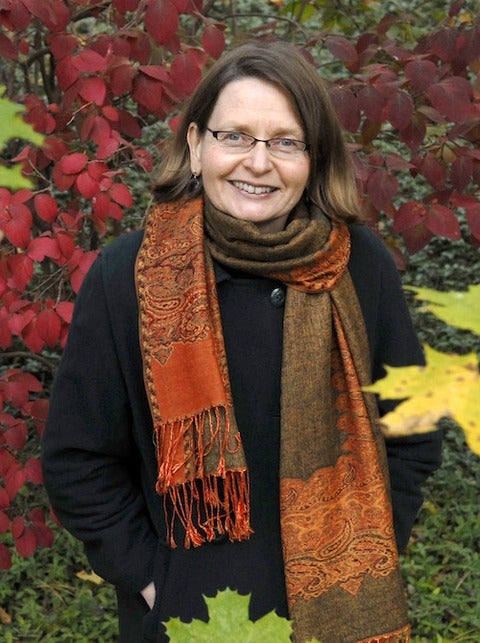
Alice Kuzniar, University Research Chair and Professor of German and English, will be awarded the Hans-Walz Research Prize at a champagne reception on 1 December at the Robert Bosch Haus in Stuttgart for her work on the history of homeopathy.
The program for the 13th annual Germanic & Slavic Studies Conference has been announced!
Chair: Alexander Sullivan
9:45-11:00
Die ersten Monate des Fremdsprachenunterrichts zu gestalten, stellt für Lehrende eine große Herausforderung dar. Mit dem Begriff des „Sprachnotstandsgebiets A“ hat Rösler (2013) all die Schwierigkeiten treffend charakterisiert, die sich gerade mit dieser Phase des Lernprozesses verbinden.
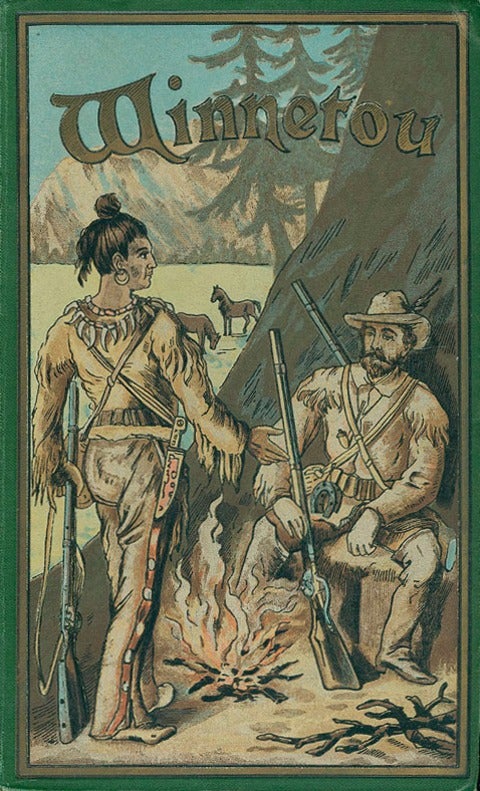
We're going back to the Wild West, German style, with Karl May's Winnetou I (1893) and the Brubacher House.
We'll begin the evening with a short tour of the historic, Mennonite home and then sit down for our book discussion in its stone-walled basement, next to a cozy fire.
In 1548 Burkard Waldis published his version of an Aesopian Fable collection. The title promises Aesopian fables “completely renewed” with a hundred “new fables” never published before. What the ‘new’ entails is never established by the author, but an analysis of the text shows that it challenges our modern understanding of the fable. Waldis presents tales that follow a typical fable format: short little stories with animals followed by a short sentence with a moral lesson.
A lecture by Marcus Funck.