Future students

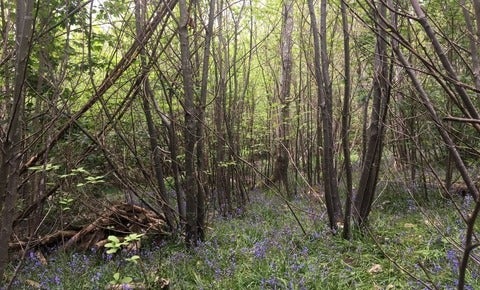
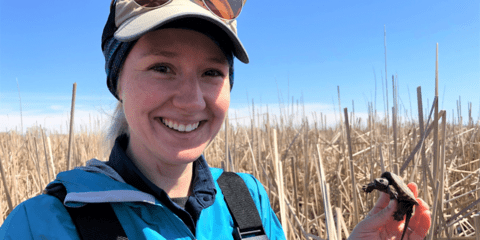
Katie Pita, a PhD candidate in SERS, has spent time the last two summers conducting research in the UK in the area of historical ecology with the objective of accessing how traditional woodland management strategies can sustainably benefit people today.

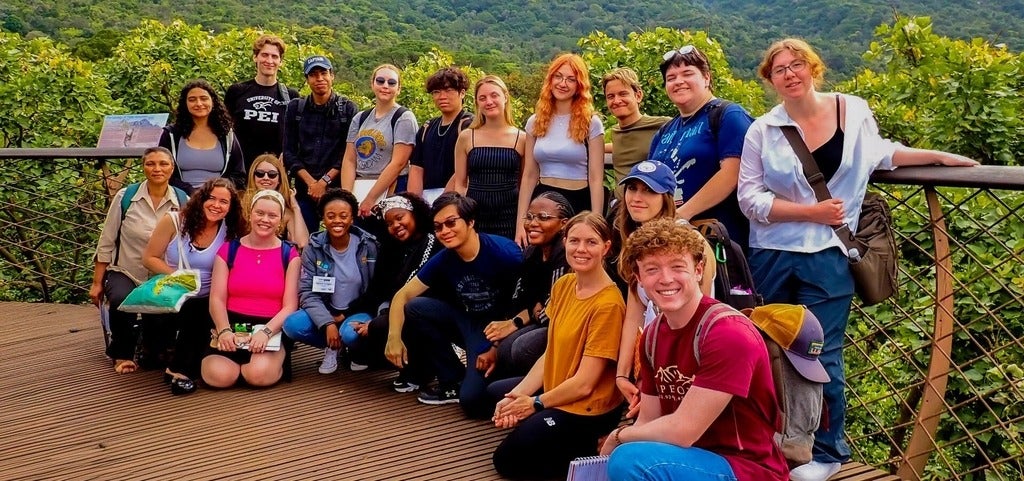
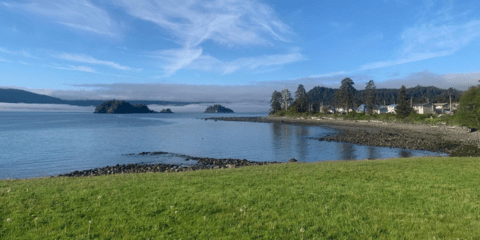
Two SERS students were among those who participated in the offering of ENV474: Connecting Climate Change and Social Justice, which took place in South Africa in late April. The interdisciplinary field course integrated a range of science and policy perspectives and field-based interactions to understand South Africa’s Cape region as a dynamic and linked system of people and nature.

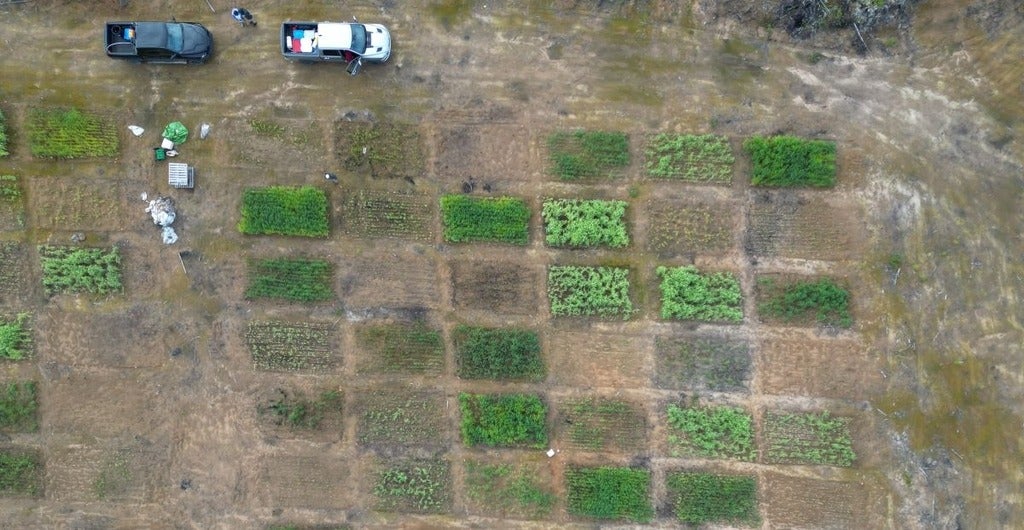
The Soil Ecosystems Dynamics Lab at SERS, under the leadership of Dr. Maren Oelbermann, is collaborating with the BioSoil North team at Memorial University of Newfoundland. Together, they are using a multidisciplinary approach to address the challenges of harnessing Happy Valley-Goose Bay's potential for sustainable commercial crop production. The research focuses on developing sustainable agricultural techniques to enhance soil fertility and crop yields in this northern boreal area while sequestering carbon and mitigating greenhouse gas emissions.

This blog entry dives into co-reclamation of oil sands-degraded homelands at Fort McKay First Nation and the truths and complementary reconciliation actions that emerged from the project.

The research group that Prof. Stephen Murphy leads studies restoration and conservation generally. The projects that the group undertakes cover a wide subject area and have a variety of partners. Prof. Murphy updates us on the latest activity in his dynamic group - restoration, conservation, policy, practice, endangered species, ecology, earthworms, pollen, life, and death. What more can you ask for?

Republishing an article published in The Conversation written by SERS professor Robert Gibson.

Amendments to Canada's Impact Assessment Act are being drafted in response to a Supreme Court ruling in October 2023 where a majority of justices concluded that some aspects of the federal Impact Assessment Act reached too far into provincial jurisdiction. Drafting amendments to Canada's Impact Assessment Act will be a difficult assignment. Officials need to respect Canada's Constitution and also apply new knowledge and act on new imperatives. Challenges include not only bringing the laws into constitutional compliance but also meeting 21st-century needs for assessments and decision-making in the lasting public interest.