Environment researchers contribute to the just-launched United Nations Third World Oceans Assessment
World Oceans Day
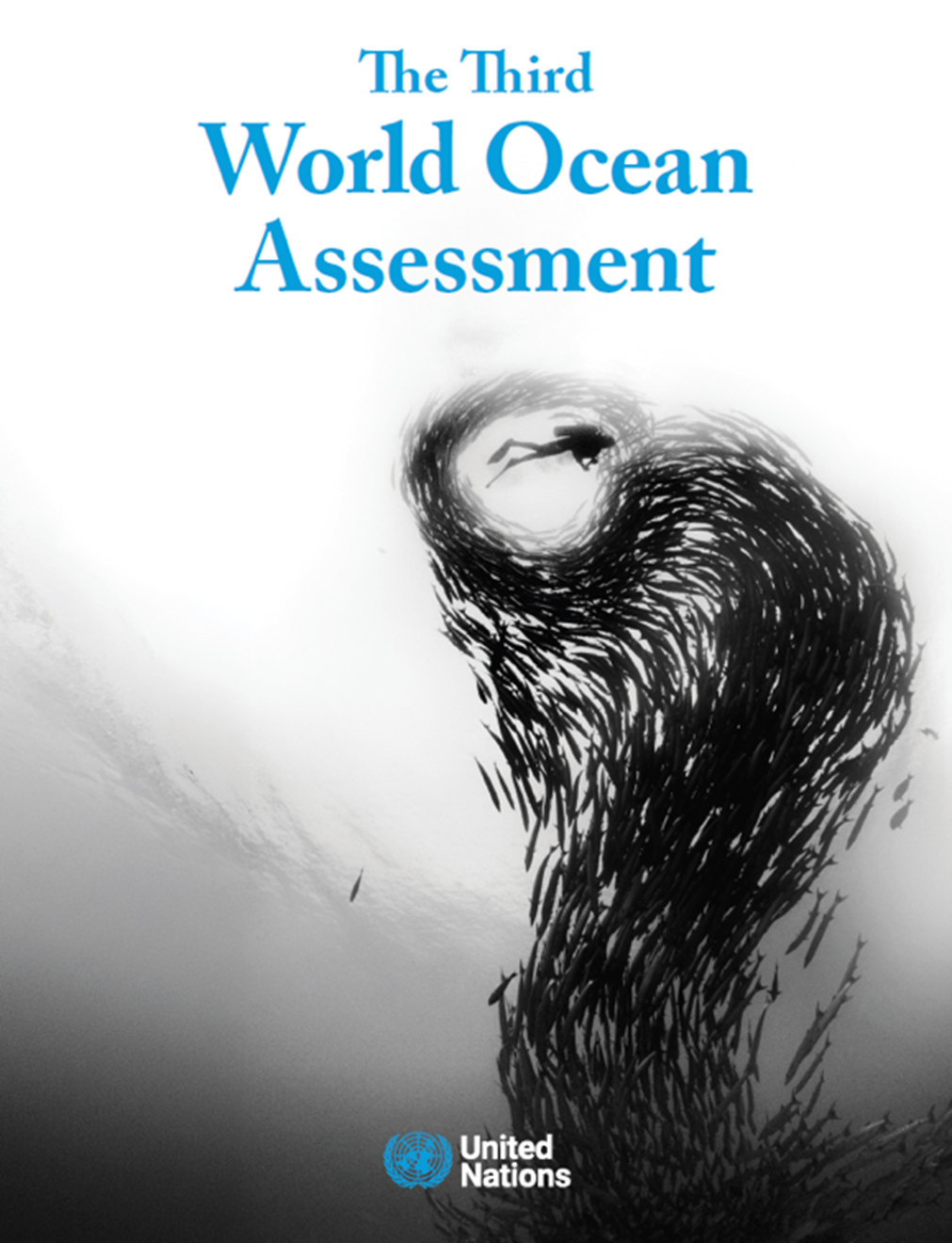
Faculty of Environment researchers Derek Armitage and Prateep Nayak have contributed to the Third World Ocean Assessment (WOA III) , a global effort bringing together approximately 650 experts from 86 countries. The World Oceans Assessment, launched on World Oceans Day (June 8th), provides a comprehensive, evidence‑based understanding of how the ocean is changing, how people depend on it, and why a healthy and safe ocean matters for society and future generations.
“The ocean is fundamental to our planet’s life support systems. The health and sustainability of marine ecosystems is crucial to the well-being of all of us, and especially coastal communities," said Derek Armitage, Coordinating Lead Author of the WOA chapter on small-scale and artisanal fisheries and Director of the School of Environment, Resources and Sustainability. “We know, for instance, that small-scale fisheries play a critical role in fostering food and nutrition security for millions of people.”
“Small-scale and subsistence fisheries are under significant pressure from declining fish stocks and competition from industrial fisheries, yet evidence clearly shows they contribute significantly to national and global economies and are of great social and cultural importance”, added SEED faculty member Prateep Nayak, chapter co-author and Director of the Vulnerability to Viability (V2V) Global Partnership for Small-Scale Fisheries, a seven-year SSHRC Partnership Grant that also involves researchers from across Asia, Africa and Latin America.
The WOA III will help global, regional and national policy discussions by translating science into sustainable pathways, actionable metrics and policy briefs. Several former UW Faculty of Environment PhD students and post-doctoral fellows co-authored the WOA chapter, including Ella-Kari Muhl, Sisir Pradhan and Deborah Prado, along with eight other colleagues from around the world. The full Assessment is available in a dynamic, easy-to-navigate web format. Explore key findings, insights, and data through the interactive platform: un.org/regularprocess/woa3.