Celebrating the remarkable experiences of our Black alumni
Meet 15 Black alumni impacting the world today, and the story behind their journeys
Throughout the year, we’re proud to share stories of numerous Black entrepreneurs, artists, athletes, scientists and community builders in the University of Waterloo’s alumni network.
These alumni are shaping the histories of tomorrow, by using artistry for personal expression, making risky career changes, influencing innovation in the entrepreneurial world, combatting societal issues, and forging communities of love and support.
Below, you’ll find a compilation of 15 unique stories that showcase the Black alumni experience at Waterloo. Keep reading to discover the diverse accomplishments and inspirations of our Black alumni.
Using artistry for personal expression
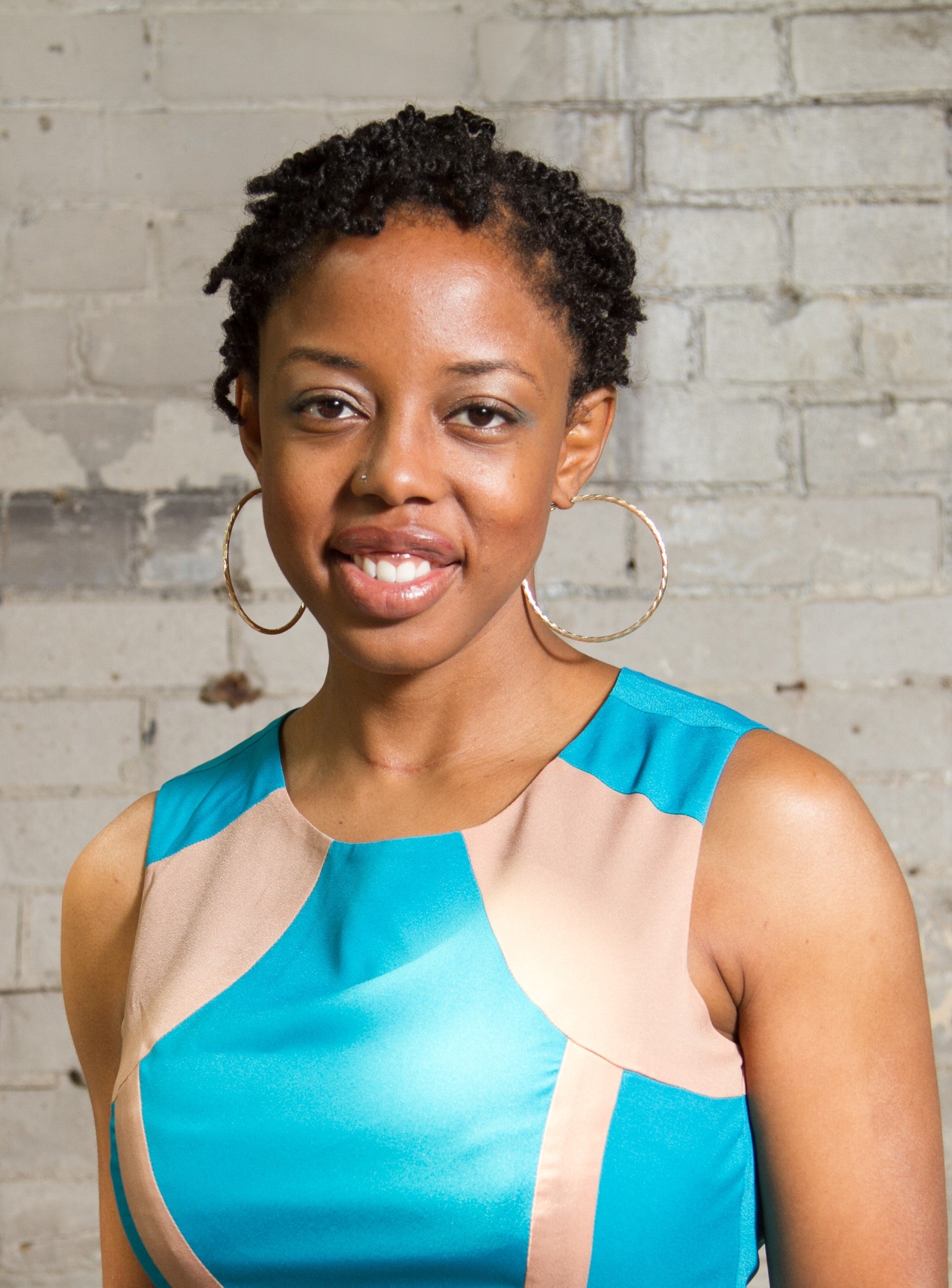
Nadia discusses her experience in our podcast series, Uncharted: Warriors in the World, where she goes into the motivations behind becoming an author, her journey with cancer and believing in her own abilities.

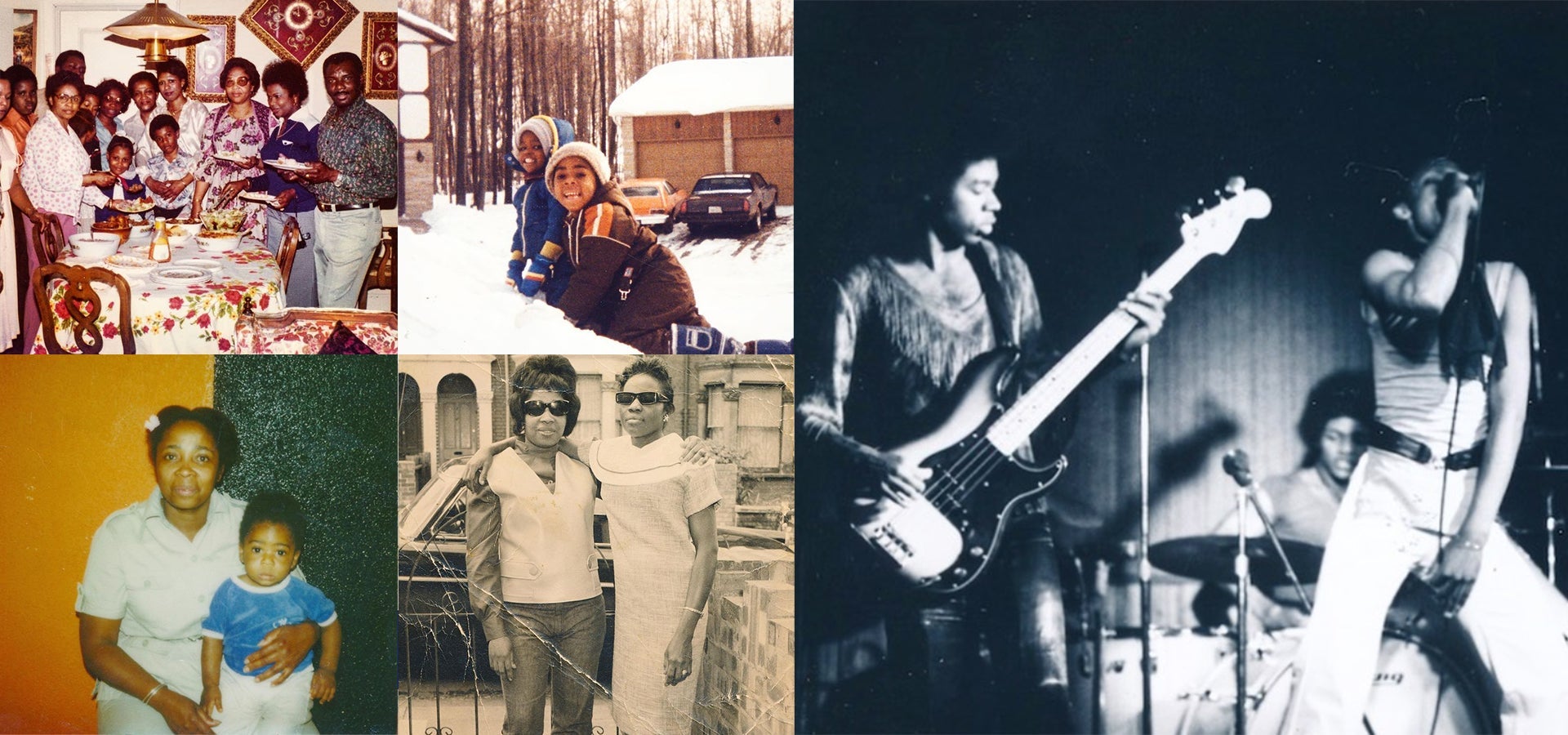
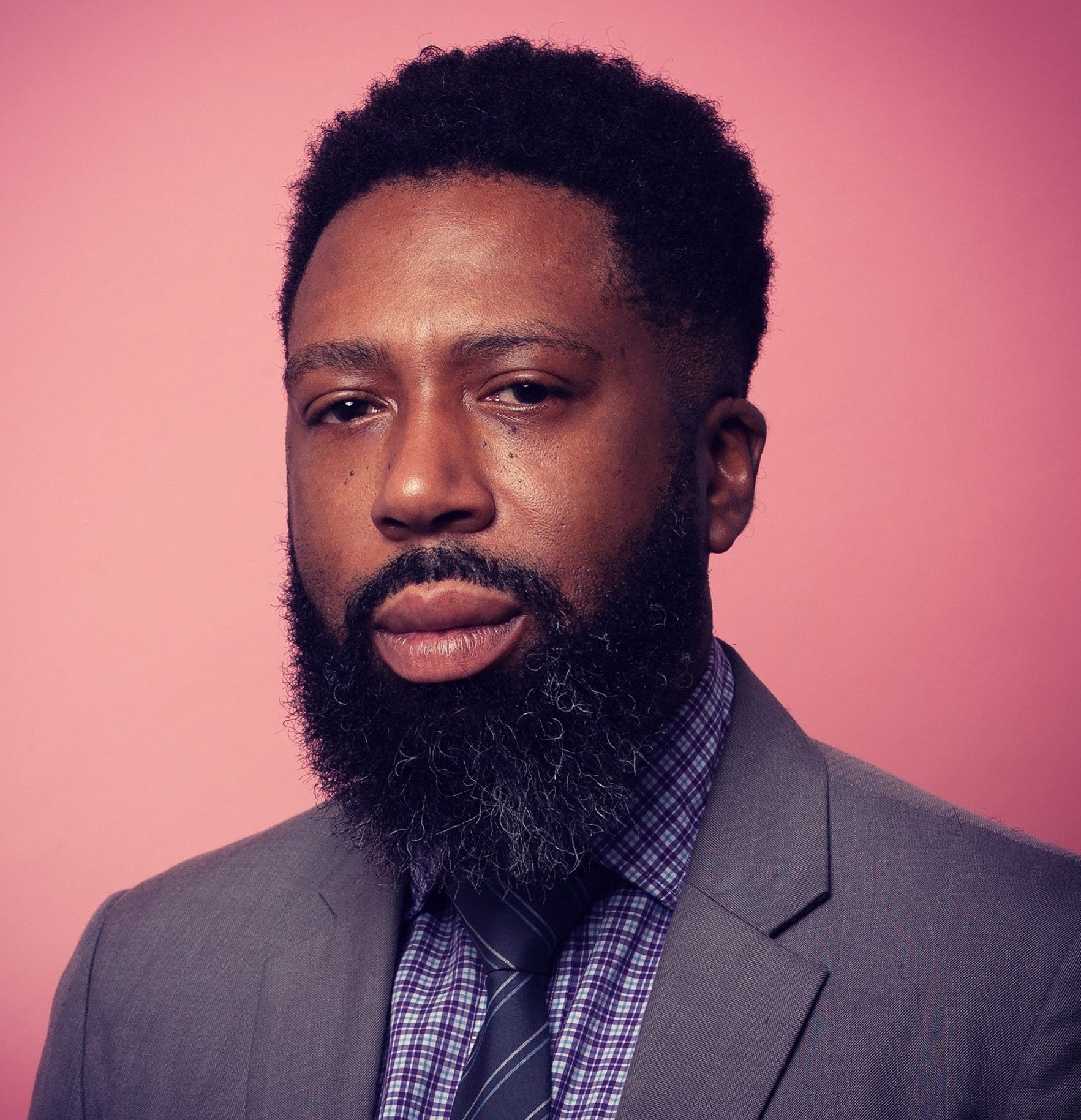
Decades later, Roy’s grandson Aaron Francis (MA '14), uncovered the photos. As an artist and curator, he decided to display these snippets of time to commemorate the history of his family and portray a representation of the Black experience that actively combatted common stereotypes.
Since then, Vintage Black Canada has been presented by the Black Artists’ Networks In Dialogue (BAND) gallery in Toronto, as well as at the University of Waterloo.
Aaron continues to reveal pieces of Roy’s collection, which you can view on the official Vintage Black Canada Instagram. You can also hear from Aaron himself through his takeover on the UWaterloo Alumni Instagram.
Taking the risk: switching career paths for the better
Chris Wilson (BSc '21) started his journey at the UWaterloo as a biochemistry student.
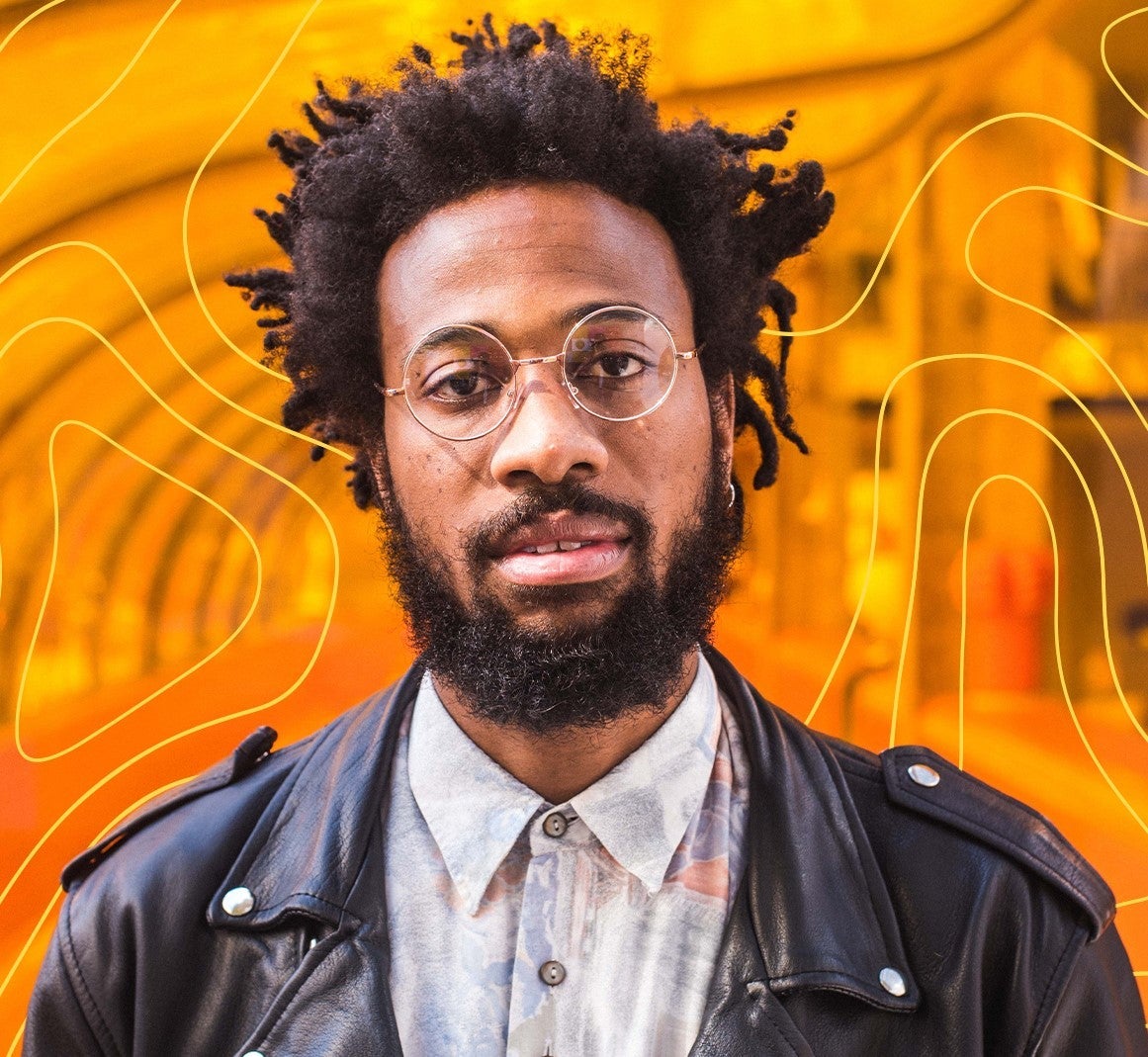
He eventually changed course from his biochemistry degree and now studies Strategic Foresight and Innovation at OCAD University, leading a career as a cultural designer for the creative studio and company Somewherelse.
In our podcast series, Chris discusses the motivations behind his career, the work behind changing career paths, and his passion for human-centred design. He highlights the importance of incorporating culture and community into his creative work, and what that means for him.
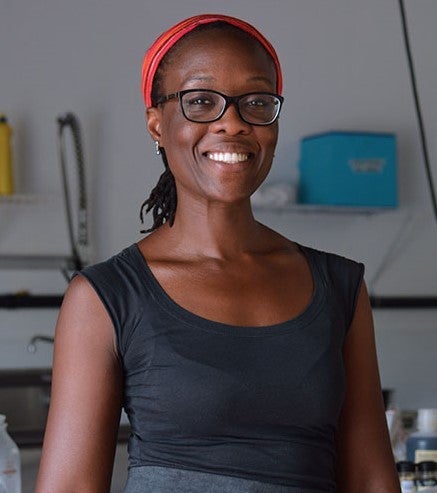
Growing up as a Black woman, Ajoa has always known of the hurdles that lay in her path. After 10 years working as a chemical engineer, she decided to build something for herself: a business that she loved. Ajoa shares ths journey in a podcast episode, where she describes Four All as an extension of her undergraduate background. The design of raw products into ice cream cultivates a joyous experience for her customers.
Entrepreneurial stories of innovation
Nadayar Enegesi (BSc '13)is the co-founder of African IT company Andela, which first started in Lagos, Nigeria and now spans worldwide.
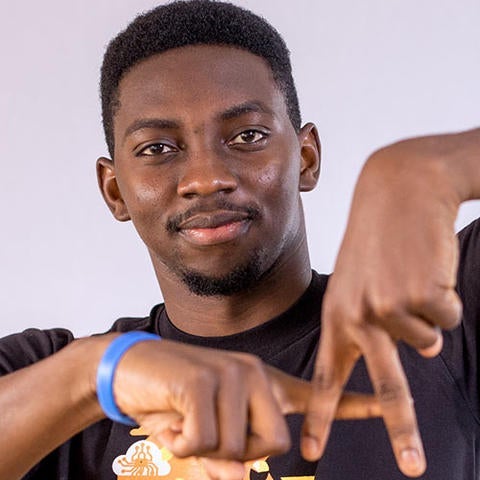
Nadayar is now the co-founder and CEO of Eden Life Inc, a company based in Lagos that uses tech to make household chores easier, while ensuring the optimal environment for people who provide and receive their services.
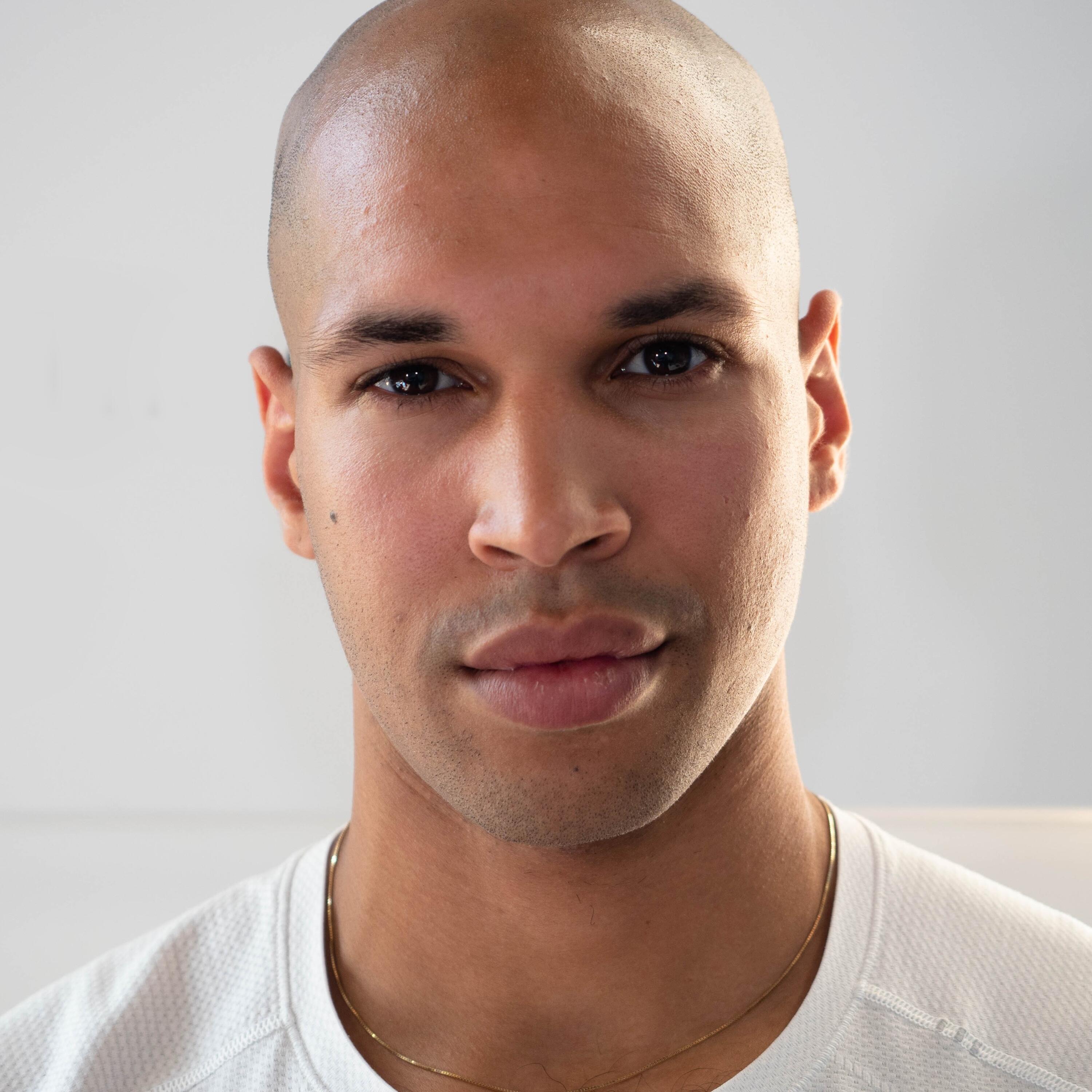
That same year, truLOCAL launched their Equal Opportunity Business Grant, awarding $5000 to four Black-owned/founded businesses and emphasizing the importance of supporting local Black businesses.
In 2021, Marc was the recipient of the Faculty of Health Young Alumni Award, and truLOCAL continues to prosper, connecting Canadians to local meat farmers with their e-commerce shop.
Challenging societal issues with science and technology
Recently recognized as one of 50 Changemakers transforming the business world today, Cassie Myers (BA '18) is the CEO and founder of Lunaria Solutions, a diversity, equity and inclusion company.
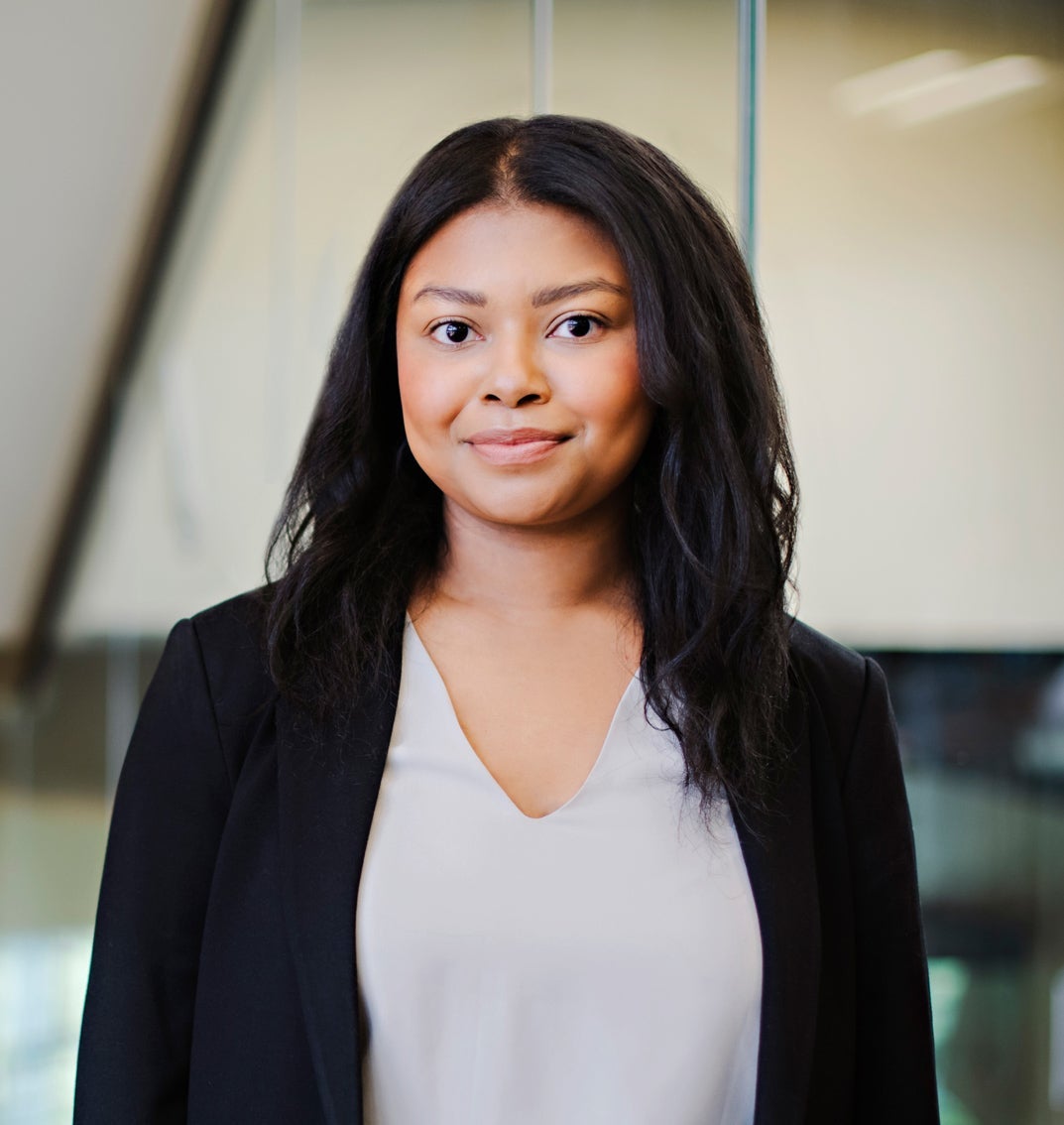
In a recent article, Cassie acknowledges that systematic oppression is interwoven in complexities, and as a Black woman, she hopes to use her work as a stepping stone for others to participate in.
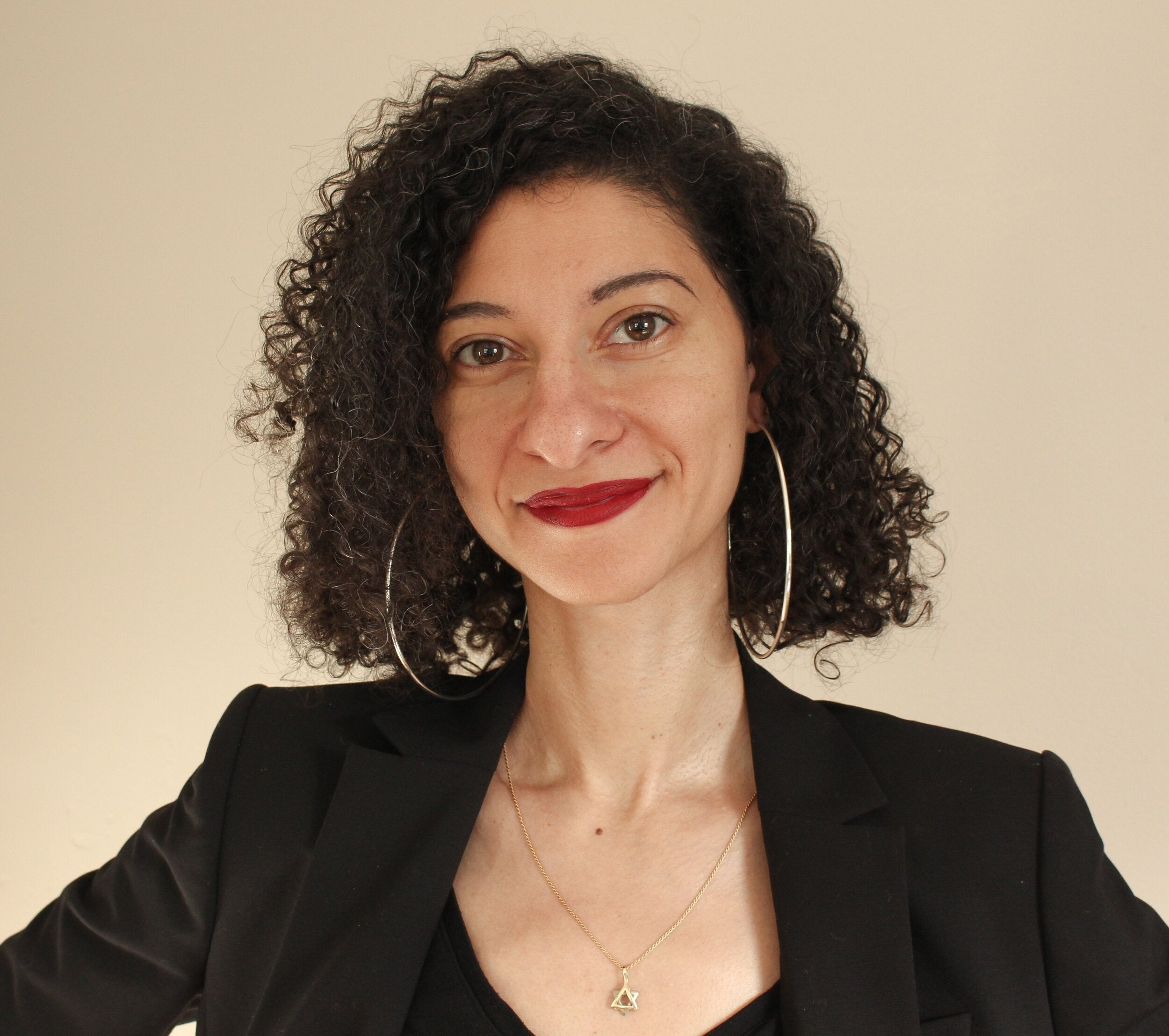
As an author, her book The Disordered Cosmos: A Journey into Dark Matter, Spacetime, and Dreams Deferred, introduces science as a social phenomenon. As an activist, she is the co-founder of Particles for Justice, a group formed for the purpose of fighting discrimination.
In our spring 2021 magazine, Chanda discusses the hurdles she has faced due to her identity, and expresses the unreasonable levels of resilience that is required from people of marginalized identities. She emphasizes that science and society cannot be separated: "If it matters for society, it matters for science too."
If it matters for society, it matters for science too.

At 14, Ebele Mogo (BSc '13) left Nigeria to study biomedical sciences at Waterloo. She excelled during her undergraduate degree as an international student and planned to attend medical school after graduation, but her plans changed when her application was not accepted.
Ebele did not let this deter her from pursuing what she wanted to do, and eventually she found her place in global health.
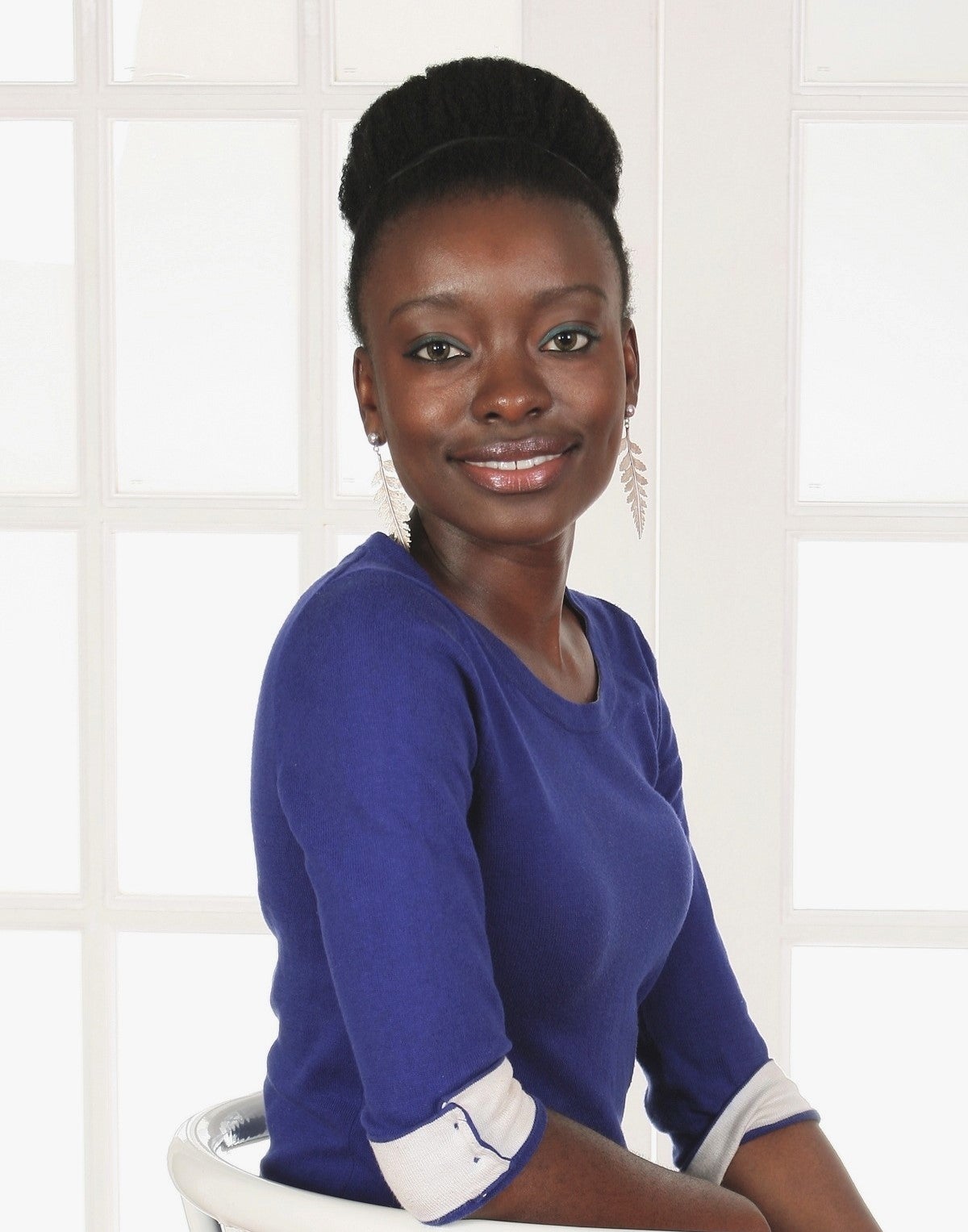
Ebele now works as a public health researcher at the University of Cambridge, and is president of her own firm, ERIM Consulting. She advises students to let their values pave the way for their careers, to become familiar with failure and to expect the unexpected.
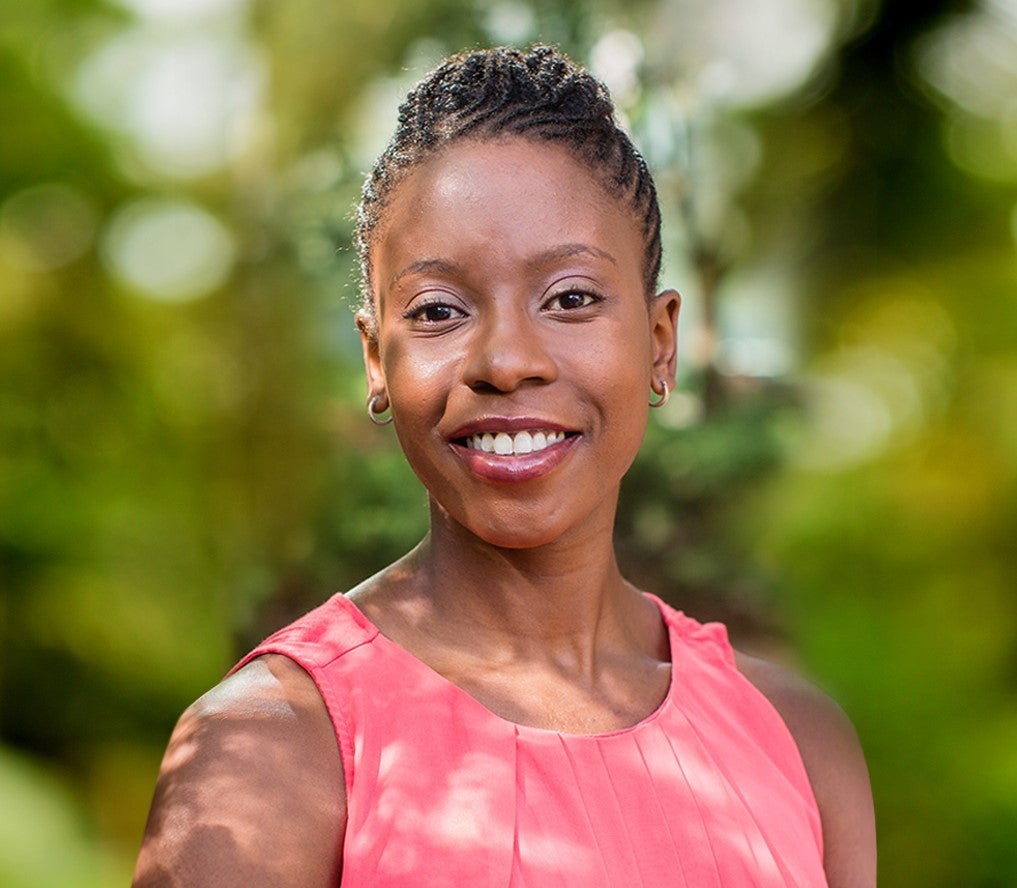
In recent years, she's continued her work in healthcare technology, through research and medical design. Today, she works at Medtronic, using her engineering background for patient care.
In her fall 2021 magazine feature, Chekema opens up about her experience as a Black woman in the technology space, and why she hopes to guide students who are experiencing a similar journey to her own through Concept, an experiential entrepreneurship program with UWaterloo. Her path wasn’t easy, but she advises students to keep pushing, reassuring them that there will always be support along the way.
Building support in African, Caribbean and Black communities
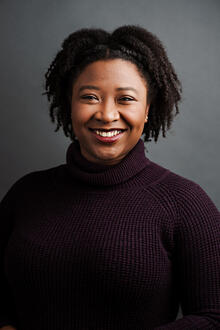
With funding from the 2019 Internationalization Fund, Chérisse created two videos, titled ‘I’m Caribbean’ and ‘I’m African’, bringing together several student groups on campus, the Association of Caribbean Students (ACS), the Black Association for Student Expression (BASE) and the African Students Association (ASA).
The final product served as a starting conversation to addressing stereotypes and misconceptions, spreading far and wide to amplify the voices of Waterloo students.
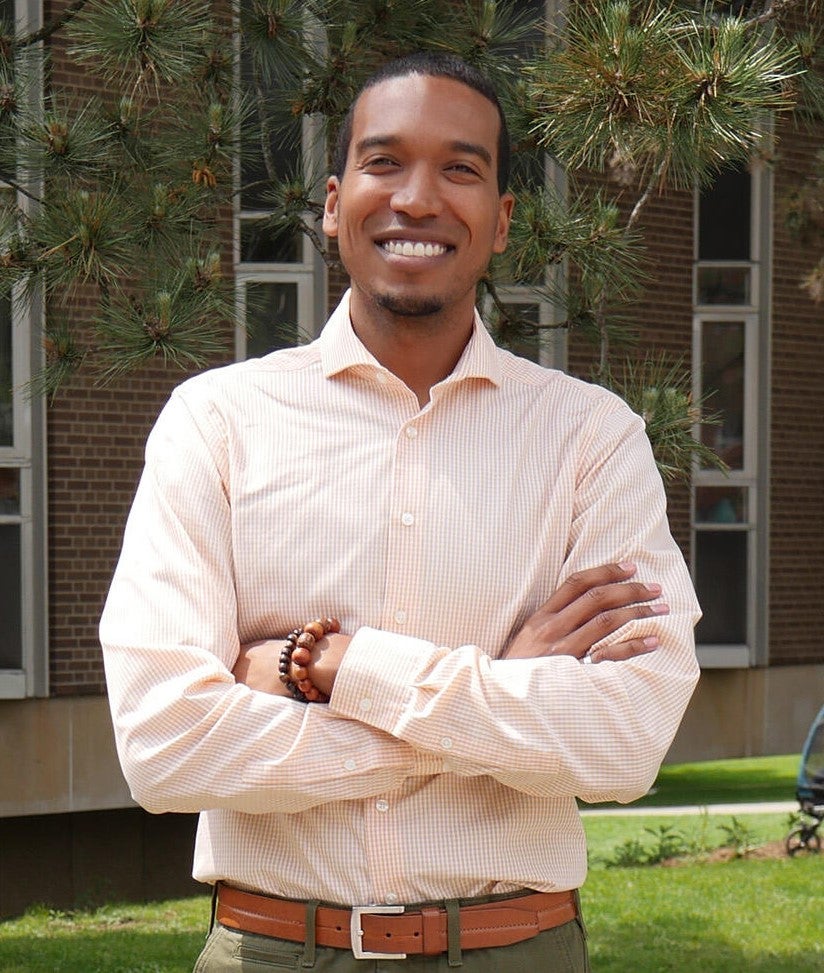
The Collective Movement Award is for students who are continuing to build a culture of helping others at Waterloo, and for Michael, that community is vital. Michael found that the act of giving back can foster community to: "At first, I thought giving back to UW was going to be a one-way street, I never realized I’d be building relationships and a network for life.”
I never realized I'd be building relationships and a network for life.
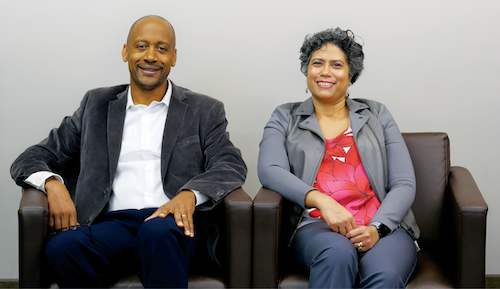
In the mid-1990’s, Lannois Carroll-Woolery (BASc ‘97) joined the Association of Caribbean Students (ACS) to connect with his community away from home. Like fate, he met his future wife, Anandi Carroll-Woolery (BMath '02), another international student like him.
Eventually, the two started their life together on a campus residence for married international students, and once again, they found a community away from home. Through these welcoming spaces at Waterloo, Lannois and Anandi were able to navigate their youth with support and love.
In a recent issue of Waterloo Magazine, Lannois and Anandi revealed that the reason they became early supporters of the Collective Movement Award was to express gratitude for their lived experiences, and hopefully provide the same “positive social fabric” to Waterloo students today.
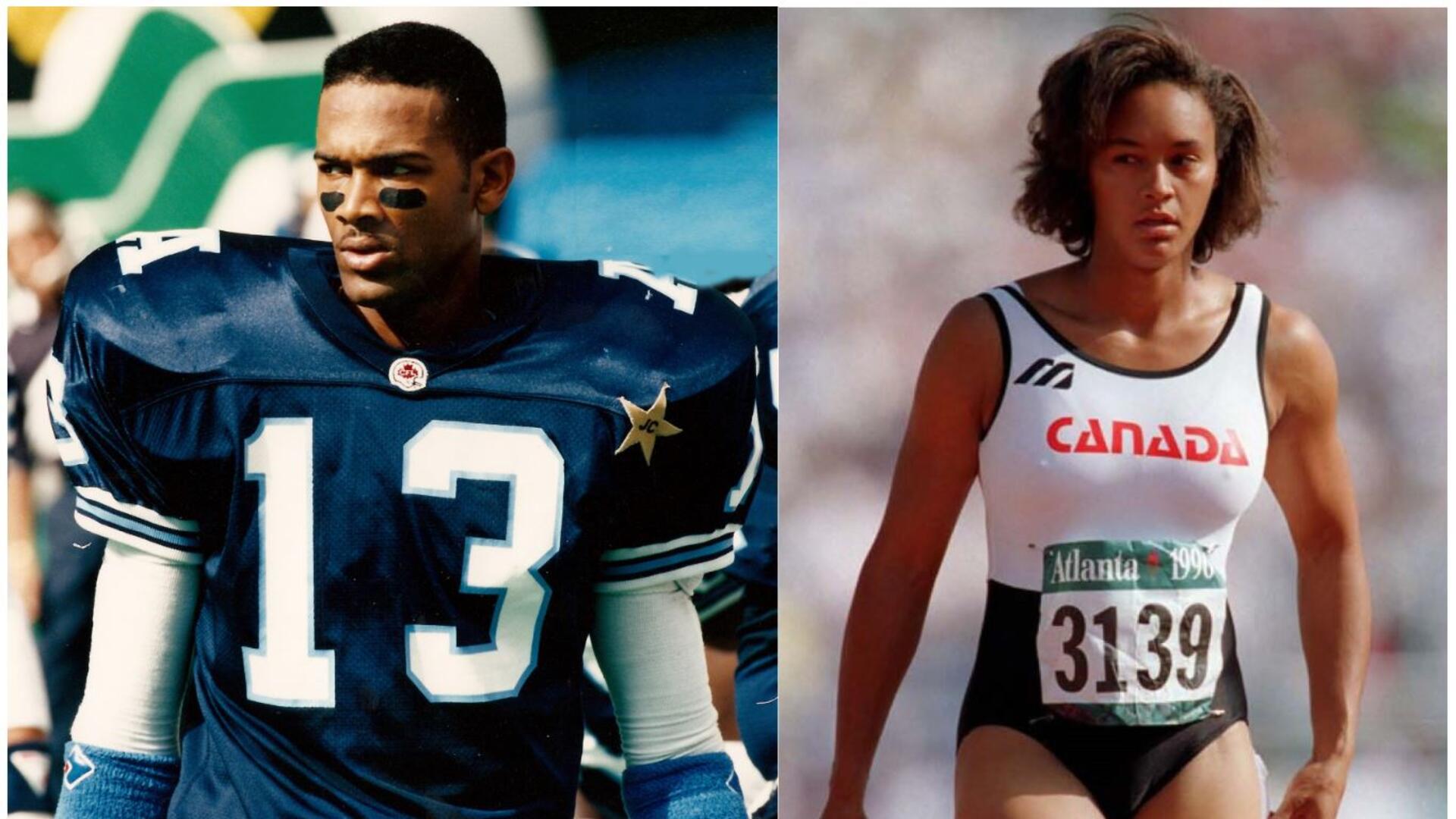
Famously known as successful professional athletes in their hometown, Taly Williams (BASc '94) grew up in Haliburton, Ontario with his sister, Lesley Tashlin.
However, only recently, after a group of elementary students sparked a campaign for their inclusion on a local mural, did the town of Haliburton pay homage to their achievements.
Taly played for the Waterloo Warriors, studied civil engineering at Waterloo and went on to eventually play for the Canadian Football League. Lesley competed at the Atlanta Olympics in 1996 as a sprinter and is the only Olympian to come from Haliburton Country. As the first Black athletes on the mural, they both serve as a symbol of inspiration for children in Haliburton.