


Turbulent times like ours call for people who understand systems of violence and conflict, and who are prepared to build peace with justice. This involves identifying and transforming systems of violence, marginalization, and oppression, including racist, gendered and colonial violence at home as well as around the world. Whether working locally or globally, Peace and Conflict Studies is committed to imagining, educating, and ongoing learning that equips our graduates to pursue justice and peace.
PACS as a department is located on territory that is governed by the Dish with One Spoon Wampum and land promised to the Six Nations Confederacy in 1784 as part of the Haldimand Declaration. For more information, see Conrad Grebel University College's land acknowledgement and read about decolonization at the University of Waterloo's Office of Indigenous Relations.


Why Study Peace and Conflict Studies (PACS)?
Learn diverse ways to promote peace, equitable justice, and social change through a vibrant interdisciplinary program that combines the study of history, political science, sociology, and psychology to understand better the causes and impact of interpersonal, communal, and international conflicts and violence in different societies. You will explore theory, research, and practice in classes taught by leading peace and justice scholars and practitioners. As an arts student, you will bring a unique perspective and set of skills to peace and conflict studies. Your creativity, critical thinking, and empathy can help contribute to finding new and innovative solutions to the complex challenges of peacebuilding and conflict resolution.
Take courses on conflict mediation, non-violent social change, gender and peacebuilding, religion and culture, environment, community transformation, human rights and social justice, refugees and forced migration, negotiation strategies, trauma, healing, and restorative justice.
Prepare to become a peace practitioner, community leader, or entrepreneur in conflict management programs or work with community and international development organizations, education systems, law firms, social services, refugee resettlement program support agencies, and more after graduation.
Who are PACS graduates?
PACS graduates have gone into many careers and used their training in different ways.
To learn more about what students can do after they graduate from PACS, check out our alumni profiles
News

"Passionate people with a message to share": The C. Henry Smith Oratorical Contest
On Wednesday, March 25th the C. Henry Smith Peace Oratorical Contest took place at Conrad Grebel University College. The event was organized by the Peace and Conflict Studies Department and the Grebel Chaplaincy office. Of the submissions, four contestants each took the podium to present their speeches relating to the application of the Christian peace position to contemporary concerns.

Making the Most of Your Opportunities with Jaden McGregor
While Jaden completed his undergraduate degree in Geography and Aviation with a minor in PACS, he also became a pilot and photographer. He was drawn to Peace and Conflict Studies while exploring potential options for a minor during his bachelor’s degree.
Different perspectives on peacework gave me an opportunity to look at forms of community building that are not traditional, specifically art as a form of peacebuilding.” Jaden expressed. As a photographer, he understood the power of art as self-expression but had not considered its value for building communities.
The Freedom to Learn Through PACS
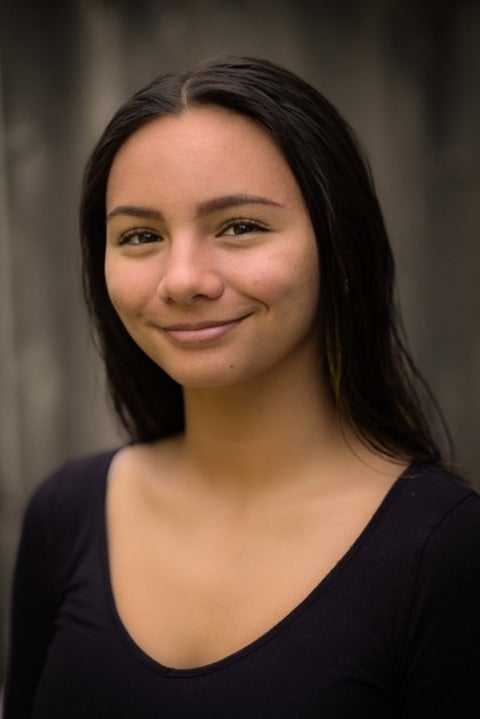
Originally studying political science at Carlton University, Dylan-Paige transferred to the PACS program in her second year. She wanted a program that allowed her to pursue her interest in human rights and World War II history more specifically and found that PACS would be a good fit.