MME Graduate Student Seminar
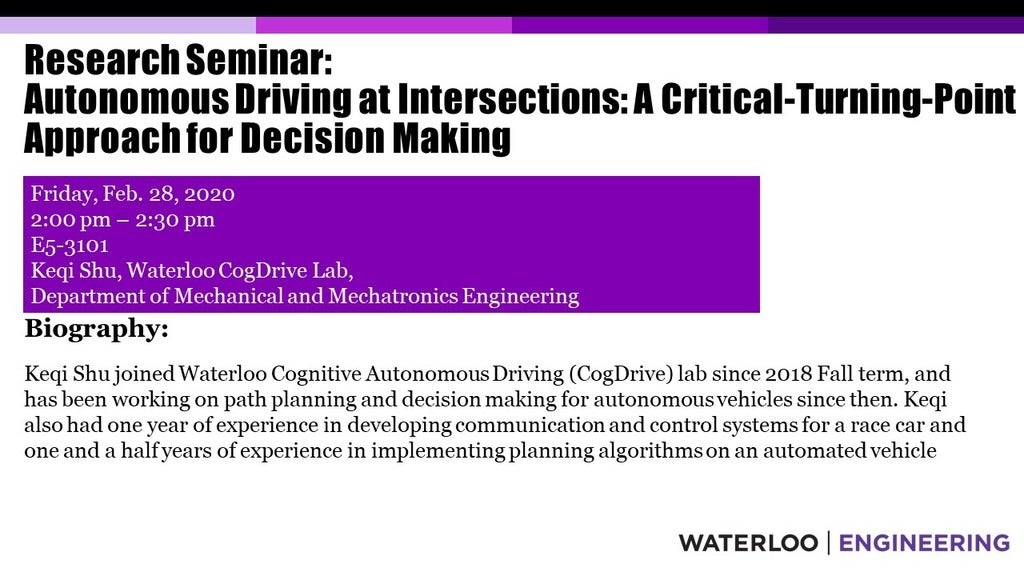
Autonomous Driving at Intersections: A Critical-Turning-Point Approach for Decision Making.

Autonomous Driving at Intersections: A Critical-Turning-Point Approach for Decision Making.

CANDIDATE: Elahe Cheraghi
PROPOSAL TITLE: Fabrication and Evaluation of Structural Multilayer Nanocomposite for Space Radiation
SUPERVISOR(S): Professor John Yeow
The theme of the inaugural Canadian Design Workshop is Designing Engineering Design Education in Canada. Participation by attendees will be in the form of podium or poster sessions, grouped by theme. Two-page abstracts are due March 1, 2020.

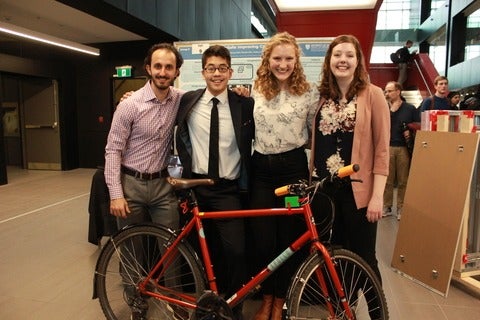
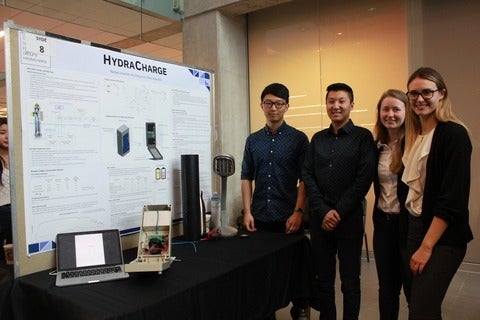
Biomedical Engineering's Capstone Design Symposium will showcase the latest biomedical innovations from final year Engineering students.
For more information on all the research projects that will be presented, please see the 2020 Systems Design Engineering Capstone Design Projects page
Speaker: Prof. Mohamed Bakr
Title: Effective Teaching of Engineering Courses Using Flipped Classrooms
Date: 25 February, 2020
Time: 3pm
Location: EIT-3142
Invited By: Omar Ramahi
The Canadian Coastal Resilience Forum and the Interdisciplinary Centre on Climate Change are pleased to present our inaugural documentary screening of the film Anthropocene: The Human Epoch. A cinematic meditation on humanity’s massive reengineering of the planet, ANTHROPOCENE: The Human Epoch is a four years in the making feature documentary film from the multiple-award winning team of Jennifer Baichwal, Nicholas de Pencier and Edward Burtynsky. The film follows the research of an international body of scientists, the Anthropocene Working Group who, after nearly 10 years of research, are arguing that the Holocene Epoch gave way to the Anthropocene Epoch in the mid-twentieth century, because of profound and lasting human changes to the Earth.
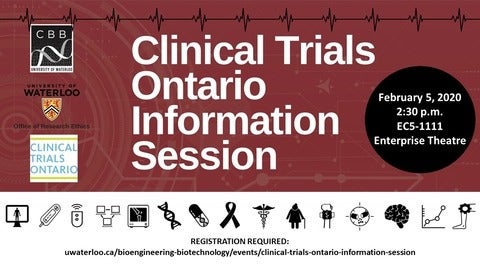
The Centre for Bioengineering and Biotechnology and the University of Waterloo Office of Research Ethics are pleased to host an information session with Clinical Trials Ontario.
.
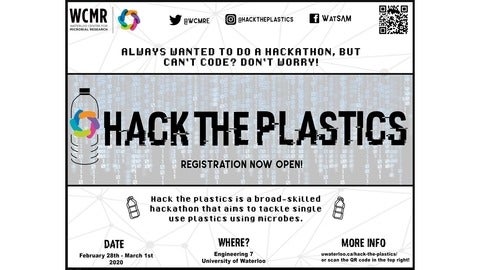
Have you ever wanted to join a hackathon, but thought it was only for coders? Well, Hack the Plastics wants you! Hack the Plastics is a broad skilled hackathon that does not require a coding based final product and will happen from 28th Feb – 1st March, 2020 at the University of Waterloo. You will be tackling ways to fight single use plastic pollution using microbes and producing a technical solution, business plan, and pitch.