Study co-authored by Derek Armitage highlights the impact of governance on conservation measures
A recent Conservation Biology publication, co-authored by SERS professor Derek Armitage, examines how governance can make or break conservation success.
Dr. Andrea Collin's first book Gender and the Global Land Grab: A Feminist Global Governance Approach introduces a feminist conceptual framework to analyze land governance policy around the world.
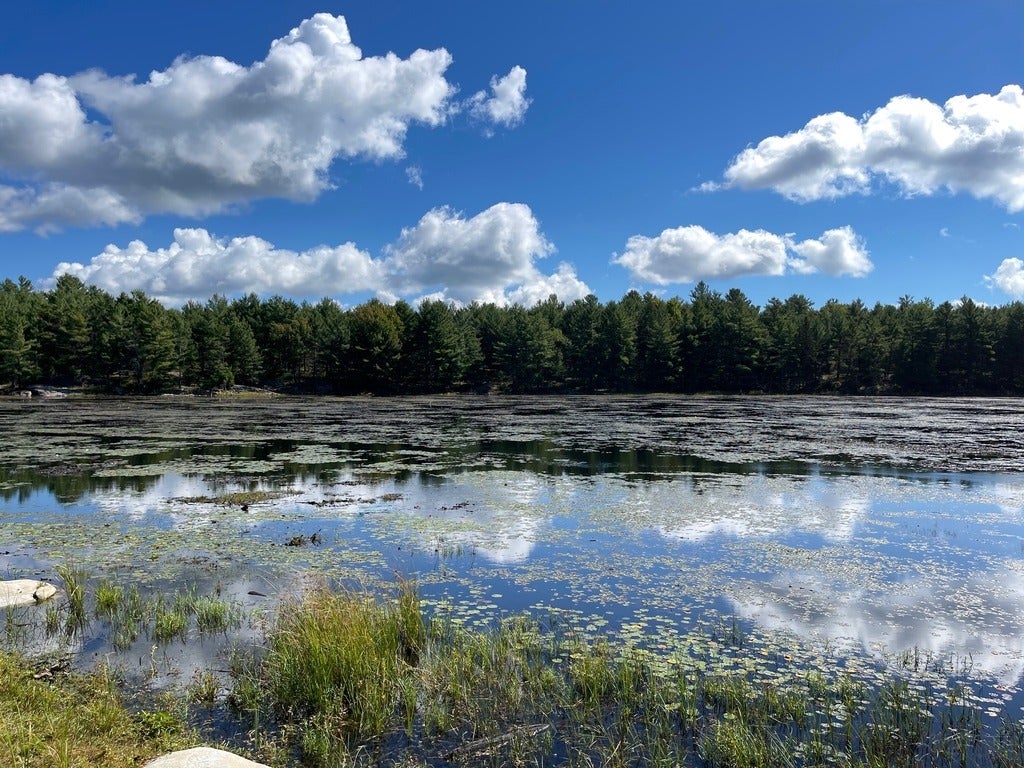
SERS MES student Mackenzie Jones has been awarded the inaugural Peter Hatcher Family Bursary by Georgian Bay Forever, supporting Mackenzie in the exploration of novel approaches to analyzing aquatic connectivity within the Georgian Bay region. Congratulations, Mackenzie!
Beth Grant's MES research aimed to better understand students’ emotional experiences in post-secondary environmental education.
Having lost his sheep, Stephen Quilley contrasts a top-down, global-liberal approach to sustainability with a more localist, communitarian politics of post-liberals, through the lens of the livestock industry.
Congratulations to Drs. Felicitas Egunyu and Helena Shilomboleni who have received 2024 Insight Development Grants to further our collective understanding of individuals and societies, and inform the search for solutions to societal challenges
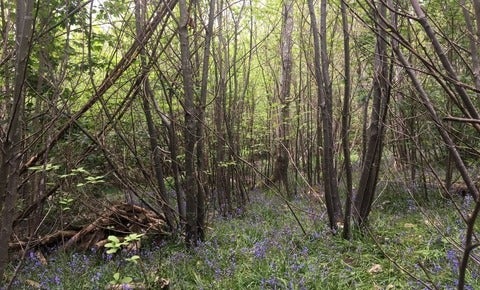
Katie Pita, a PhD candidate in SERS, has spent time the last two summers conducting research in the UK in the area of historical ecology with the objective of accessing how traditional woodland management strategies can sustainably benefit people today.
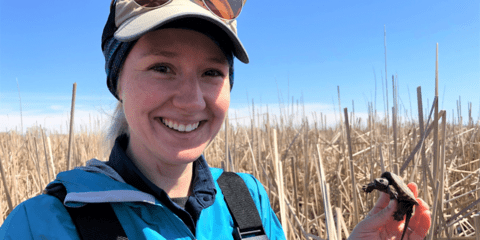
Dr. Chantel Markle is named Canada Research Chair in Wildlife Ecohydrology and Global Change.
Just in time for World Ocean’s Day, Derek Armitage has co-edited a new book on creating a sustainable future for Canada’s oceans and coasts.
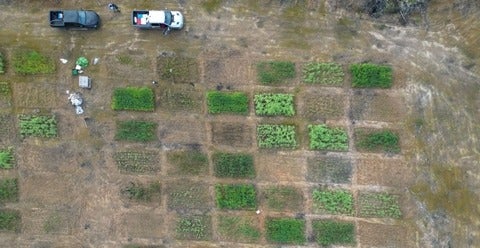
The Soil Ecosystems Dynamics Lab at SERS, under the leadership of Dr. Maren Oelbermann, is collaborating with the BioSoil North team at Memorial University of Newfoundland. Together, they are using a multidisciplinary approach to address the challenges of harnessing Happy Valley-Goose Bay's potential for sustainable commercial crop production. The research focuses on developing sustainable agricultural techniques to enhance soil fertility and crop yields in this northern boreal area while sequestering carbon and mitigating greenhouse gas emissions.