Events

Filter by:

Limit to events where the title matches:
Limit to events where the first date of the event:
Date range
Limit to events where the type is one or more of:
Limit to events tagged with one or more of:
Limit to events where the audience is one or more of:
Tuesday, September 17, 2019 3:00 pm - 3:00 pm EDT (GMT -04:00)

“What makes me a Christian to you, makes you a Jew to me”

Dr. Schreyer Duarte will discuss how she and her team approached the “staging of the other” in this 18th-century play from Germany, performed in today’s Canada, that reflects on the common humanity that unites us all. 

Tuesday, October 8, 2019 4:00 pm - 4:00 pm EDT (GMT -04:00)

Corpora of spoken German: ‘Hidden treasures’ and their potential uses

The Waterloo Centre for German Studies and Department of Germanic and Slavic Studies welcome Dr. Silke Reineke of the Leibniz Institute for the German Language (IDS) on Tuesday, October 8th, 2019.

Tuesday, November 5, 2019 7:00 pm - 7:00 pm EST (GMT -05:00)

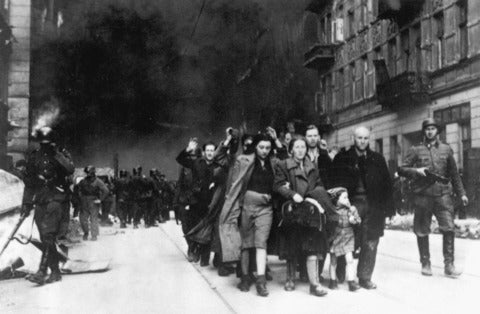
The Buried Raging Sermons of the Warsaw Ghetto Rabbi

Join WCGS as professor James Diamond, Chair of Jewish Studies at the University of Waterloo, gives his talk The Buried Raging Sermons of the Warsaw Ghetto Rabbi.

Monday, November 11, 2019 1:01 pm - 1:01 pm EST (GMT -05:00)

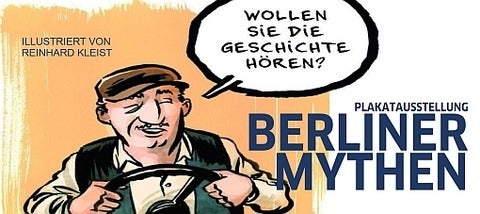
Legends and Dreams: Reinhard Kleist’s Graphic Narrative

WCGS and GSS invite one and all to browse the halls of the Modern Languages building for an exclusive look at a poster exhibition of Reinhard Kleist's graphic novel Berliner Mythen.

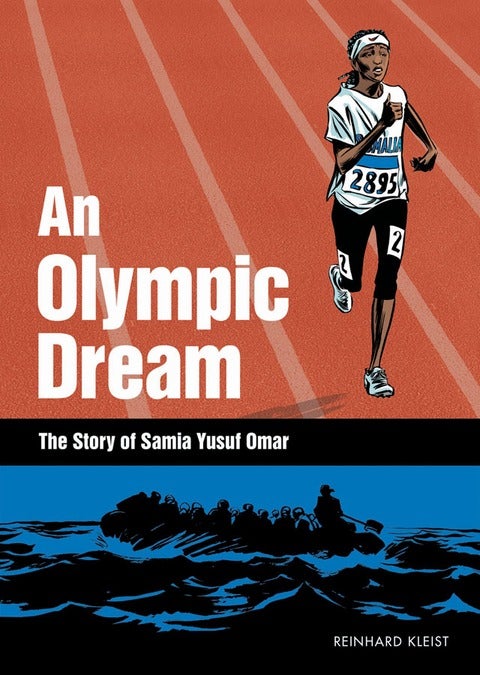
The Social Media Aesthetics of Mobility: Reinhard Kleist’s The Olympic Dream and Comics on Refugee Experience 

Wednesday, November 20, 2019 7:00 pm - 7:00 pm EST (GMT -05:00)

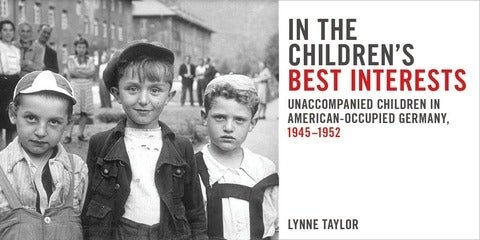
In the Children's Best Interests: Unaccompanied Refugee Children in Germany, 1945-1952

WCGS invites one and all to a talk by Lynne Taylor, University of Waterloo professor of History. Dr. Taylor will discuss her latest book, In the Children's Best Interests: Unaccompanied Refugee Children in Germany, 1945-1952.

Thursday, March 19, 2020 7:00 pm - 7:00 pm EDT (GMT -04:00)

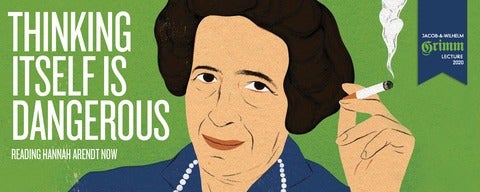
WCGS Grimm 2020 Lecture - Thinking Itself is Dangerous

How can Arendt’s work in Origins and one of her other masterpieces, The Human Condition from 1958, help us understand our contemporary political moment? How have our political conditions changed in the 21st century? How has digital media technology transformed social relations? Is it possible to stop and think about what we are doing today? Hannah Arendt’s work is not a roadmap into the future, but it can help us orient ourselves to the present political crises and, perhaps in the process, teach us to love the world.