
Research Talks: Water Crisis in Waterloo Region
Towards a sustainable water future in the Region of Waterloo
Date: Tuesday, September 22, 2026
Quick recap
This meeting was a public discussion on water conservation and groundwater management in the Waterloo region, featuring a panel of experts including Ellie Joseph (Mohawk Nation, Two Row on the Grand founder), David Rudolph (University of Waterloo hydrogeology professor), Pam Law (Region of Waterloo Director of Water Capacity Projects), and Dustin Garrick (University of Waterloo water policy professor). The panelists discussed Indigenous perspectives on water stewardship, regional groundwater dependence, municipal water infrastructure planning, and lessons from other groundwater-dependent communities. Key topics included the region's 80% dependence on groundwater from the Waterloo Moraine, successful water conservation efforts reducing per capita usage to 150 liters per day, challenges with aquifer recharge monitoring, and the need for integrated land and water planning. The discussion addressed concerns about water supply sustainability, climate change impacts, data center water usage, and the importance of including Indigenous perspectives in water management decisions.
Water Conservation and Indigenous Perspectives
Charmaine Dean, Vice President Research at the University of Waterloo, opened a discussion on water conservation and protection, emphasizing the importance of Indigenous perspectives and the spiritual connection to water. The event featured panelists including Ellie Joseph from the Mohawk Nation, who discussed the Two Row on the Grand initiative, and University of Waterloo professors David Rudolph, Pam Law, and Dustin Garrick, who addressed topics such as hydrogeology, municipal water management, and global water governance. The format included short presentations from each speaker followed by a moderated discussion and Q&A session.
Indigenous Water Awareness Program
Ellie Joseph shared her background as a member of the Mohawk Turtle Clan and discussed her grassroots program "Two Row on the Grand" which has been running for 12 years, involving paddling trips down the Grand River to raise awareness about water issues. She explained the significance of wampum belts, particularly the two-row wampum treaty representing the relationship between Indigenous peoples and newcomers, and drew parallels between human relationships and the relationship between humans and water. Ellie emphasized the importance of addressing the current water crisis for seven future generations and highlighted how her program has won an award for tourism sustainability due to its environmental practices.
Groundwater Resources in Waterloo Region
The speaker discussed the importance of groundwater as a resource, noting that it represents 30% of total global water volume and over 90% of available liquid fresh water. They explained how the Waterloo Region depends heavily on groundwater, with 80% of water coming from well networks, and described the local Waterloo Moraine's role in storing and transmitting groundwater. The presentation covered the historical development of groundwater infrastructure in the region, including early artesian wells from the 1900s and the current system of 100+ production wells, as well as modern approaches to managed aquifer recharge, including minimal impact urban landscapes and the use of vacated sand and gravel pits.
Water Supply Management in Waterloo
The meeting focused on water supply and management in the Waterloo region, with presentations from multiple speakers discussing different aspects of the water infrastructure and challenges. Dave provided insights into the complexity of the groundwater system and sustainable water management, while Pam explained the regional approach to water supply planning, including treatment processes and system design considerations. The presentations highlighted the region's successful water conservation programs and the multi-year process required to identify and develop new water supplies, with the next public engagement session scheduled for November. The final speaker shared broader Canadian and international perspectives on groundwater dependence, emphasizing the importance of demand management and lessons from other regions facing water scarcity challenges.
Water Crisis Management in Waterloo
The panel discussed the water crisis in the Waterloo region, highlighting conservation efforts that have reduced per capita water use to around 150–200 litres per day and the importance of public communication about water issues. The discussion covered groundwater management challenges, including well interference concerns and the need for better integration of land and water planning. Panelists addressed questions about climate change impacts on water consumption, data centre water usage, and the region's approach to managing groundwater recharge, emphasizing their use of historical examples from other communities like Albuquerque and Zurich to inform current solutions.
"Research Talks" is a signature event hosted by the Office of the Vice-President, Research and International at the University of Waterloo. The event includes a combination of presentations by Waterloo researchers and external speakers who share insights about their work. Each presentation is followed by a panel discussion and a Q&A session with the audience, focusing on relevant topics and challenges.

About the panelists
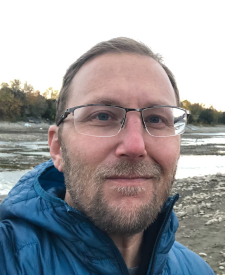
Dustin Garrick, PhD
Professor and University Research Chair in Water and Development Policy, Faculty of Environment, University of Waterloo
Dustin Garrick is University Research Chair in Water and Development Policy at the University of Waterloo and Research Fellow at the University of Oxford. He works across a network of partnerships to understand the drivers of water scarcity and assess how communities and governments are responding to competition and conflict over water. His recent work focuses on thirsty cities confronting infrastructure deficits, climate risks, and loss of surrounding croplands. This research has received support and awards from research councils in Australia, Canada, the USA, and the UK. Dr. Garrick regularly serves as advisor to community groups, governments, and the World Bank and is currently leading a report mapping Canada's groundwater governance landscape, commissioned by the Gordon Foundation, and scheduled for release later in 2026.
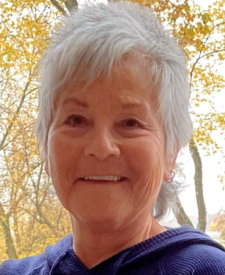
Ellie Joseph
Two Row on the Grand Co-founder; Retired teacher
Ellie Joseph is a member of the Mohawk Nation, Turtle Clan, born and raised on Six Nations of the Grand River Territory, where she continues to live along the banks of the Grand River. Following a distinguished 37-year career as an elementary school teacher in the public education system, Ellie retired from classroom teaching but remains actively involved in education through volunteer work and community engagement.
In 2013, Ellie participated in the 16-day Two Row Renewal Campaign, a journey from Albany to Manhattan along the Hudson River that honoured the Guswenta, or Two Row Wampum, and its enduring message of mutual respect and coexistence. Inspired by that experience, she joined three fellow participants in establishing what is now known as Two Row on the Grand.
This annual 10-day paddle journey travels from Cambridge to Port Maitland, bringing together members of the Six Nations community and allies to strengthen relationships, share cultural teachings and deepen connections to the land and waters of the Grand River. Along the route, participants engage in learning, reflection and dialogue guided by Haudenosaunee teachings and Indigenous perspectives.
As a grassroots volunteer-led initiative, Two Row on the Grand has grown significantly since its founding, with participation more than doubling over the years. The program continues to foster understanding, reconciliation, environmental stewardship, and meaningful community connections.
For more information, visit Two Row on the Grand.
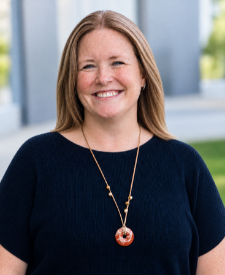
Pam Law, PEng
Director of Water Capacity Projects, Region of Waterloo
Pam Law is a professional engineer with over 20 years of experience in the field of municipal water and wastewater. Throughout her career, she has been involved in projects from the planning stages right through to construction and commissioning. Her current role is with the Region of Waterloo, where she is the Director of Water Capacity Projects. Through this role, she works with teams in the Region to ensure that there is a safe and reliable water supply to support the community now and as we grow. She also works with the area municipalities, the province and other stakeholders, as delivering safe drinking water is a coordinated effort.
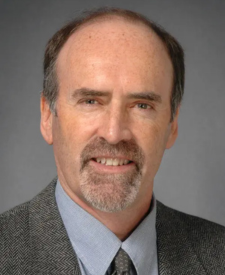
David L. Rudolph, PhD, PEng
Professor, Faculty of Science, University of Waterloo
David Rudolph is a Professor in the Department of Earth and Environmental Sciences at the University of Waterloo. He specializes and teaches in the areas of regional hydrogeology and groundwater protection and management. He has participated extensively with municipal authorities, including the Regional Municipality of Waterloo, in groundwater development and sustainable management strategies.
Research Talks is supported by the Research Support Fund.
View webcasts and presentation slides of previous Research Talks:

Rural community development and wellbeing, with guest panelists:
- Dr. Karla Boluk - Redesigning and regenerating tourism with care and intentionality: Widening the inclusion lens in St. Jacobs Village (PDF)
- Dr. Feng Chang - Bridging worlds: Stories of how rural voices drive health research (PDF)
- Dr. Tejal Patel - Designing technology to support older adults manage their medications (PDF)
- Ellie Joseph & Jay Bailey - Two Row on the Grand | 10 year anniversary
Tuesday, May 20, 2025
Watch the full event recording

Sustainable Urban Environments, with guest panelist:
- Amelia Clarke: Reaching net-zero: Climate mitigation at the city scale
- Matthew Day: Energy in the built environment
- Mohamad T. Araji and Alexander Tedesco
March 28, 2023

Societal health impacts of rising inflation and interest rates, with guest panelists:
- Jean-Paul Lam, Faculty of Arts, University of Waterloo - Exploring inflation, central bank communications and the relationship between business cycles and health outcomes
- Ellen MacEachen, Faculty of Health, University of Waterloo - The consequences of higher costs for low wage workers
- Joe Mancini, Director, The Working Centre - The social impact of unaffordable housing
Tuesday, December 5, 2023


Event image gallery:
Panel
Changing health disparities: Affording people in our community fair and equitable opportunities to be healthy, with guest speakers:
- Leia Minaker - Social determinants of health: The research [PDF]
- Ashnoor Rahim - Impact of the social determinants of health on the health care system [PDF]
- Nnenna Ike - Changing health Disparities [PDF]
October 25, 2022


